

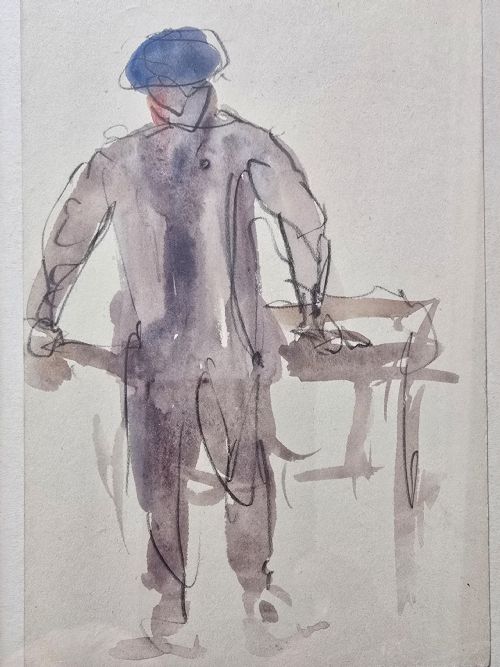


Vintage Figurative Sketch
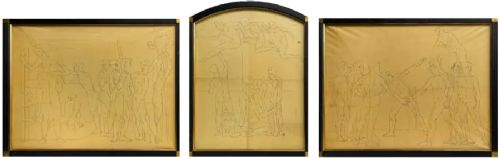
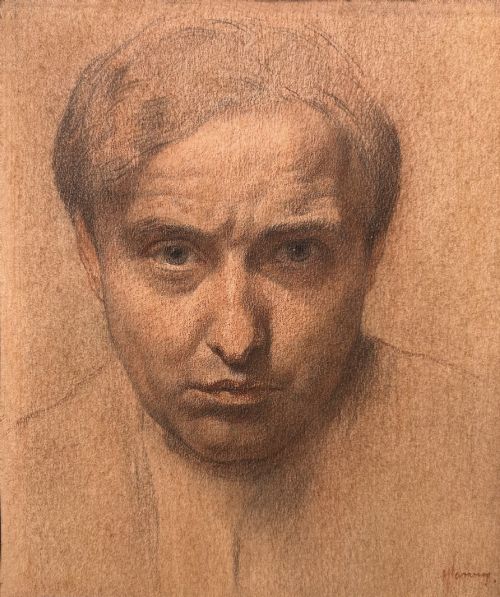
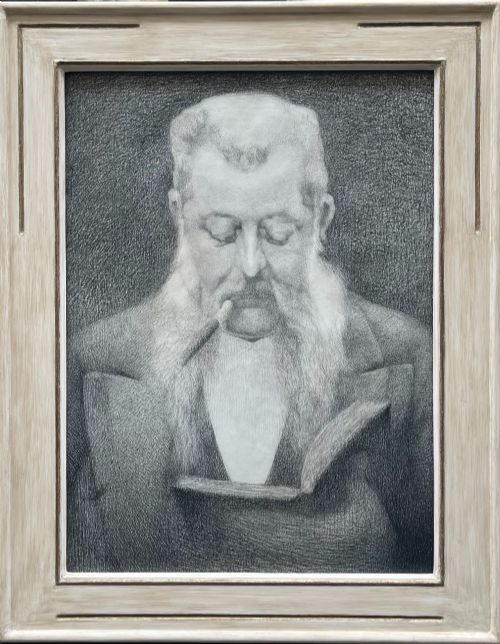
A vintage figurative sketch captures human presence through rapid line and tone, offering an immediate record of the artist's hand.
Vintage Figurative Sketch
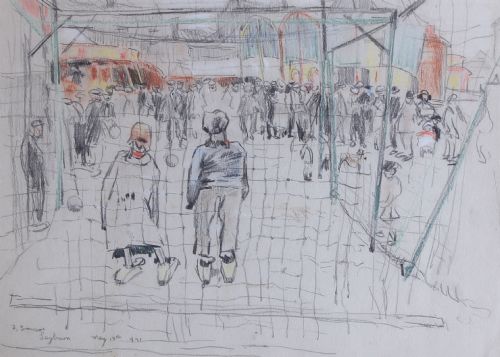
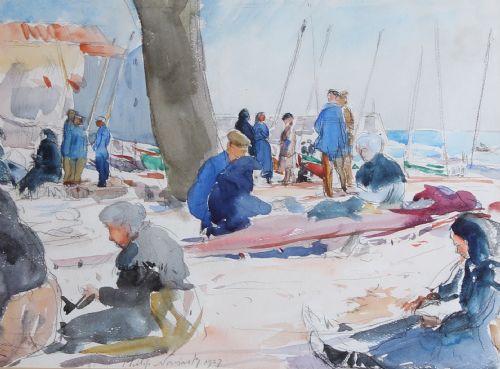
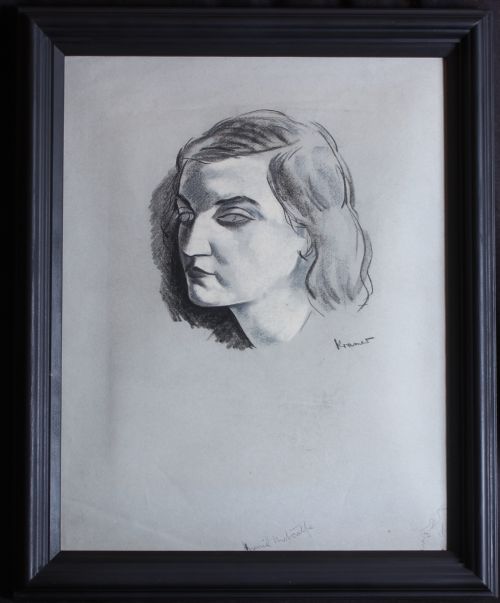
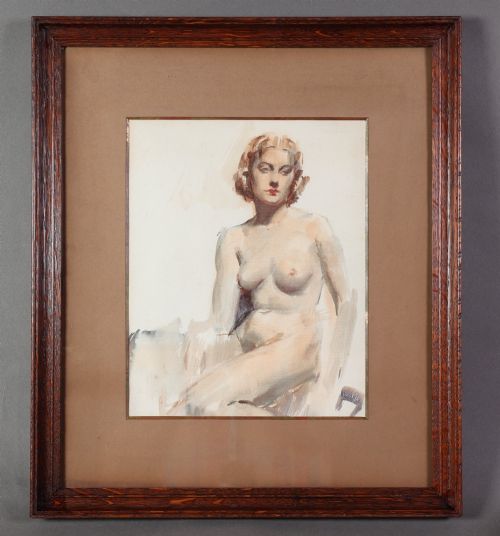
When you search for a vintage figurative sketch, you encounter original works on paper spanning from the late nineteenth century through the mid-twentieth century. The selection ranges from rapid academic life studies to finished portrait watercolours and expressionist ink compositions.
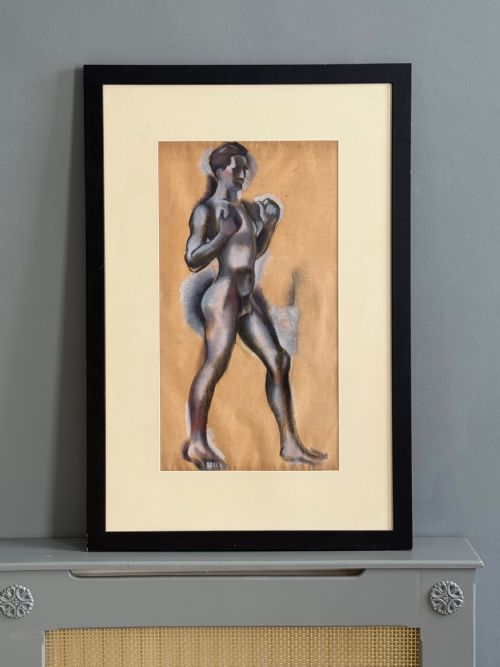
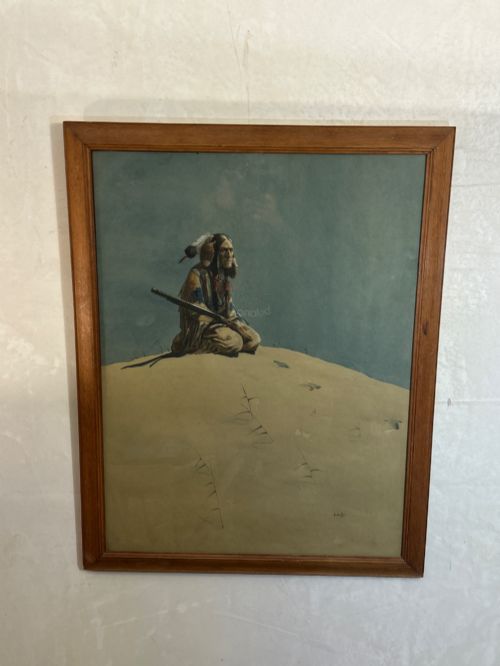
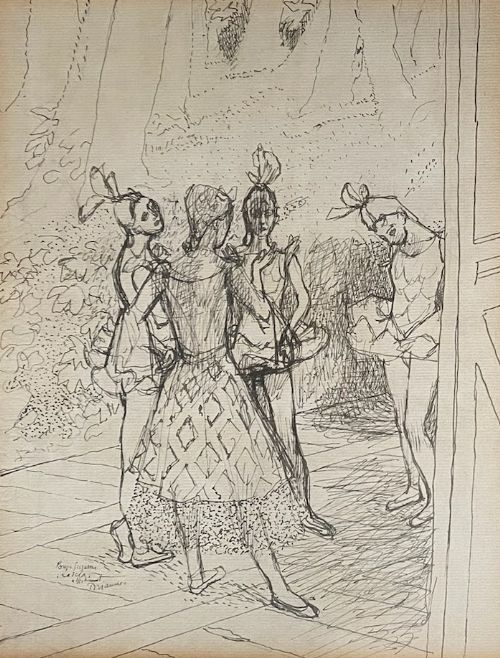
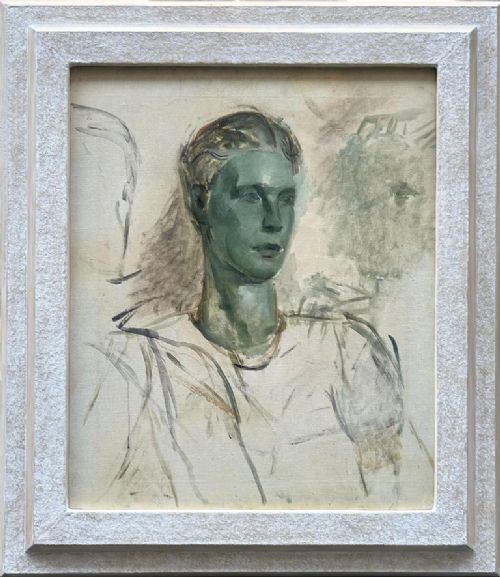
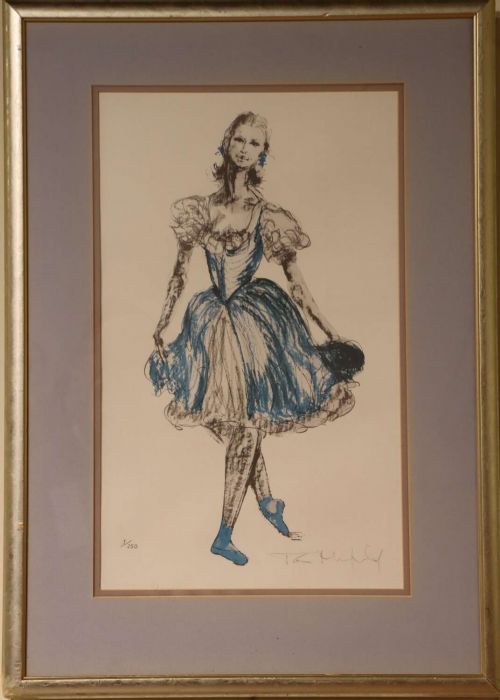
Most examples you meet on this page date from the nineteen-thirties and nineteen-fifties, reflecting modernist, mid-century British, and art deco sensibilities. These pieces typically take the form of framed original drawings, capturing dancers, nudes, and individual portraits.
The subjects vary from backstage ballet scenes and Parisian studies to traditional portraiture by both named artists and regional schools. You find works executed across various scales, from intimate pencil studies to large charcoal compositions on paper.
How They Were Made
These works rely on traditional supports of paper, paired with media such as graphite, charcoal, ink, and pastel. Artists applied dry media directly to create tone and contour, often combining chalk and charcoal for heightened contrast in life studies.
Watercolour and oil paints appear frequently, applied with fluid washes or heavier impasto depending on whether the piece is a rapid sketch or a finished painting. Framed artwork often includes glass protection to preserve fragile pastel and charcoal surfaces from smudging.
Vintage Figurative Sketch Retail Price Guide 2026
Typical asking prices for vintage figurative sketch among the pieces listed under this phrase on Sellingantiques today, from the lower quarter to the upper quarter. They describe what is for sale here now, not the wider market.
Ballet dancers appear with surprising frequency, caught mid-stretch before they ever reach the footlights.
What Varies In Quality
Quality rests on the sureness of the line and the economy with which the artist conveys form and character. A superior sketch demonstrates confident mark-making where every stroke defines structure without hesitation.
The strength of the composition and the psychological depth of the portrait distinguish the finest examples from standard studio exercises. Provenance and the reputation of the hand also elevate certain works, particularly those associated with recognised modernist and academic circles.
John Hassall·James Stroudley·Herbert Johnson Harvey·John Meredith·John Merrifield·Demetrios Galanis·Augustus Edwin John·Raoul Millais·Denis William Reed·Lucien Freud·John Duncan Fergusson·Frank Dobson·Kees van Dongen·Cecil CP Lawson
The Vintage Figurative Sketch Glossary
- Charcoal
- A dry drawing medium made from burnt organic material that produces deep blacks and wide tonal ranges. It smudges easily and requires careful framing under glass.
- Watercolour
- A paint consisting of pigment suspended in a water-soluble vehicle, applied in translucent washes. It allows light to reflect from the paper beneath.
- Gouache
- An opaque water-based medium that provides solid blocks of colour and dense highlights. It is frequently combined with ink or watercolour in period illustrations.
- Academic Realism
- A style of painting and drawing produced under the influence of European academies of art. It emphasises precise anatomical observation and traditional technique.
Vintage Figurative Sketch: Frequently Asked Questions
How should I frame a charcoal sketch?
Charcoal demands professional framing with a matte and glass to prevent the pigment from transferring to the surface. Ensure the paper does not touch the glass directly.
Keep the artwork away from direct sunlight to prevent fading of both the paper support and any fugitive drawing materials.
What defines a life study?
A life study is a drawing or painting executed directly from a live human model, focusing on anatomy, posture, and shadow. These pieces often record rapid observations in studio settings.
Artists used these sessions to hone their draftsmanship rather than to produce a commercial portrait.
How do I identify a mid-century British work?
Mid-century British sketches often display simplified forms, expressive line work, and an interest in everyday figures such as dancers and labourers. The palette typically reflects understated tones common to the period.
Signatures, framing materials, and exhibition labels on the reverse often provide additional confirmation of the era.
Are ink drawings susceptible to light damage?
Ink drawings on paper can fade or discolour when exposed to continuous bright light, particularly older formulations containing iron gall. Displaying them away from direct windows preserves the integrity of the lines.
Using UV-protective glass during framing offers an extra layer of defence against environmental degradation.