


Paper Watercolour Drawing
When you handle a paper watercolour drawing, you hold a direct, unmediated record of an artist's hand on sheet support.
Paper Watercolour Drawing
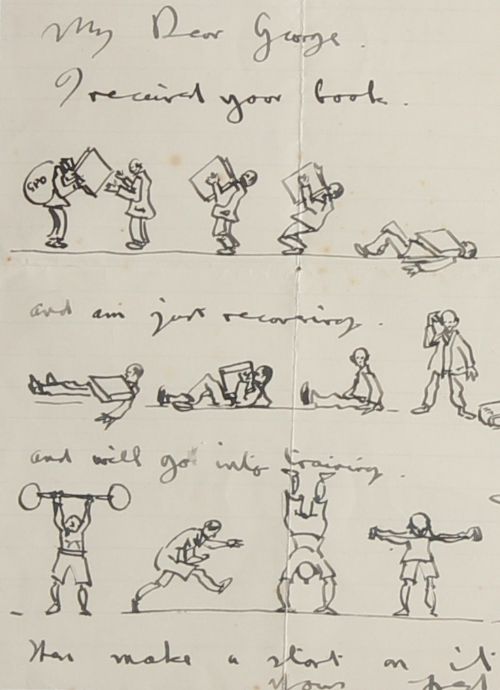
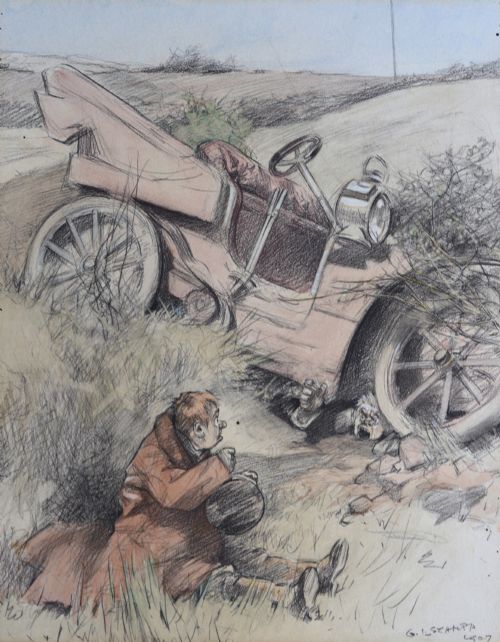
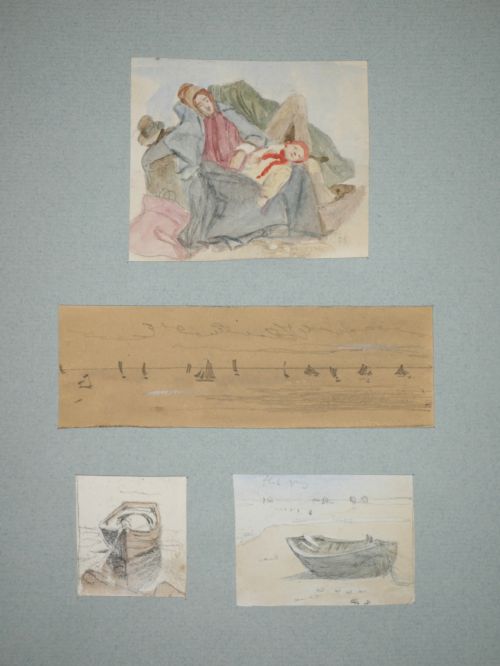
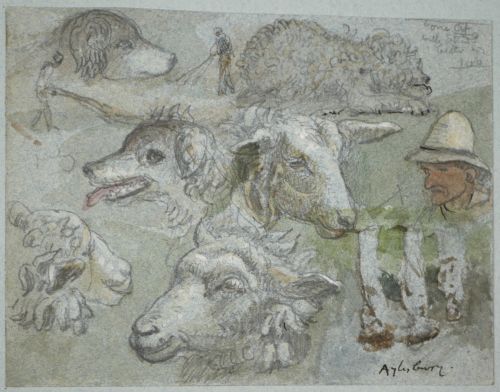
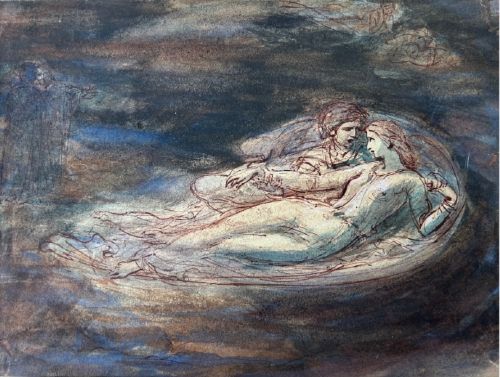
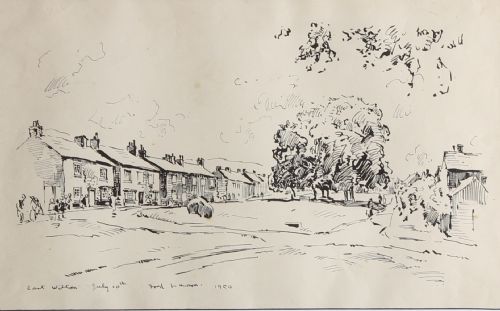
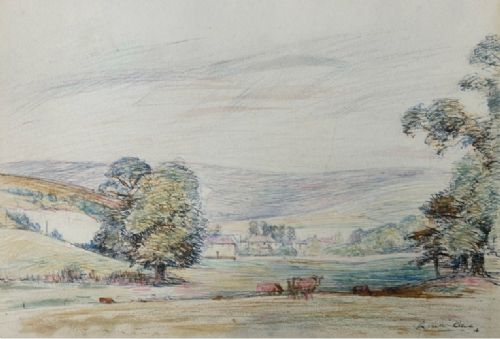
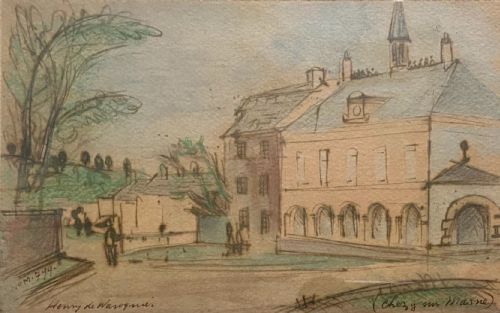
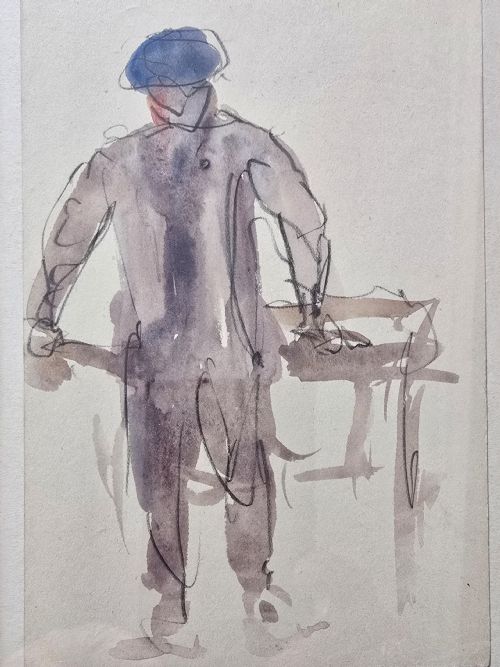
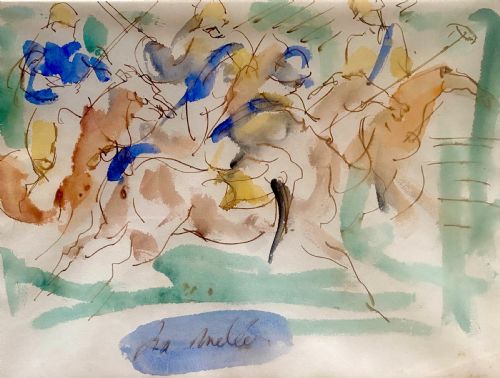
A paper watercolour drawing combines fluid pigments with linear marks on a paper support, creating a portable and immediate artwork. You encounter works spanning from the Georgian and Regency eras through the Victorian period into mid-century modern movements.
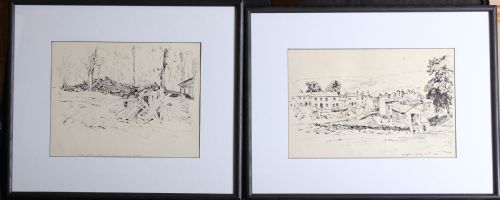
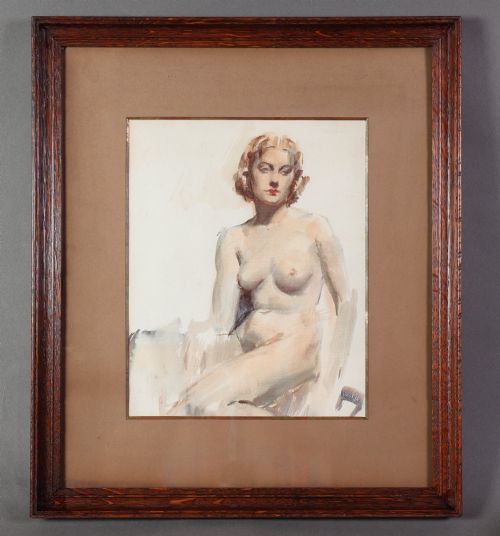
The selections here range from rapid topographical sketches and architectural designs to finished landscape watercolours and figurative studies. Most examples date from the nineteenth and twentieth centuries, reflecting changing British and European artistic practices on paper.
Materials and Techniques
Artists apply water-soluble pigments alongside ink, graphite, pencil, or pastel directly onto rag paper or card. These mixed media applications allow for both precise preliminary outlines and washes of transparent colour.
Many works incorporate framing under glass with wooden surrounds to protect the delicate paper surface from atmospheric moisture and handling.
Paper Watercolour Drawing Retail Price Guide 2026
Typical asking prices for paper watercolour drawing among the pieces listed under this phrase on Sellingantiques today, from the lower quarter to the upper quarter. They describe what is for sale here now, not the wider market.
A tiny portrait captures a three-month-old infant alongside military history.
Assessing Quality
Quality rests upon the sureness of the draughtsmanship and the preservation of pigment vibrancy across the paper surface. Skilled handling of ink lines beneath watercolour washes creates depth without muddying the tones.
Condition matters greatly, as paper is susceptible to foxing, fading, and acid discolouration from old mounts. The strongest examples retain their original freshness and paper integrity without heavy restoration.
Fred Lawson·George Lorain Stampa·James Smetham·Russell Sidney Reeves·Henry de Waroquier·Albert Ludovici Jnr·Michael Healy·Gen Paul·James Tower·William Frederick Settle·William Manners·Charles James Lauder·Stanley Orchart·Edward Dayes·Samuel Owen·Robert Richard Scanlan·Arthur Todd·Adrian Heath·Thomas Rowlandson·Charles H Poingdestre
The Paper Watercolour Drawing Glossary
- Watercolour
- A painting method where fine pigment is suspended in a water-soluble binder for application on paper.
- Foxing
- Brown spots of chemical oxidation that appear on older paper surfaces over time.
- Wash
- A thin, transparent layer of diluted watercolour pigment flooded across the paper.
- Gouache
- An opaque watercolour paint containing added white pigment to create a heavier, matte finish.
Paper Watercolour Drawing: Frequently Asked Questions
How should I frame and hang these works?
Protect the paper by using acid-free mounts and framing under UV-filtering glass to prevent fading.
Position the artwork away from direct sunlight and damp environments to preserve the integrity of the pigments.
Can I distinguish nineteenth-century works from modern pieces?
Examine the paper texture, watermark evidence, and framing materials alongside the stylistic approach of the artist.
Nineteenth-century examples often feature heavier handmade papers and traditional subject matter like topographical views, whereas later pieces embrace abstract or expressive compositions.
What is the difference between a drawing and a painting here?
Drawings rely primarily on linear media such as ink, pencil, or graphite to define the subject.
Watercolour paintings utilise fluid washes of pigment as the dominant visual element, though many works combine both techniques.
Why do some pieces combine ink with watercolour?
Artists use ink lines to establish a precise compositional skeleton before applying translucent washes of colour.
This hybrid approach provides both structural clarity and atmospheric depth on a lightweight paper support.