




1920s Figurative Artwork
These 1920s figurative artwork pieces capture human forms through the distinctive lenses of Art Deco, Cubism, and Fauvism.
1920s Figurative Artwork
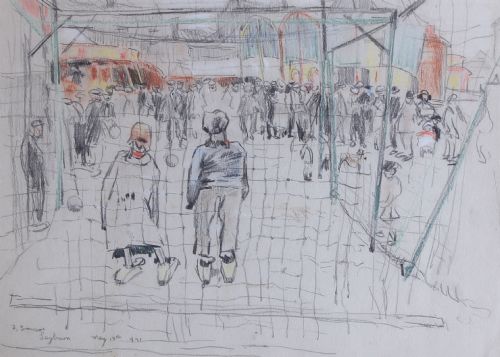
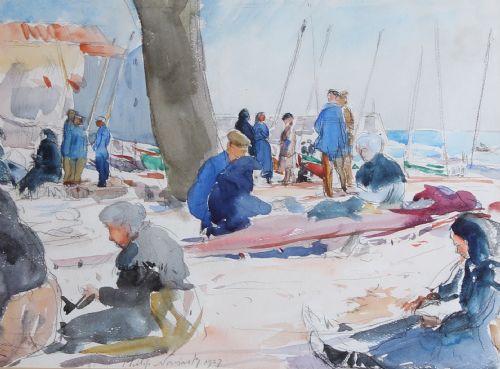
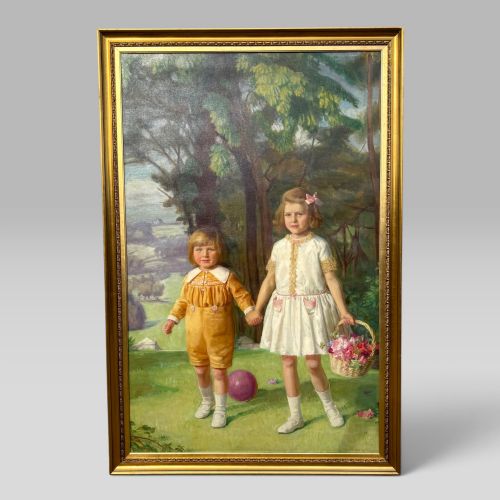
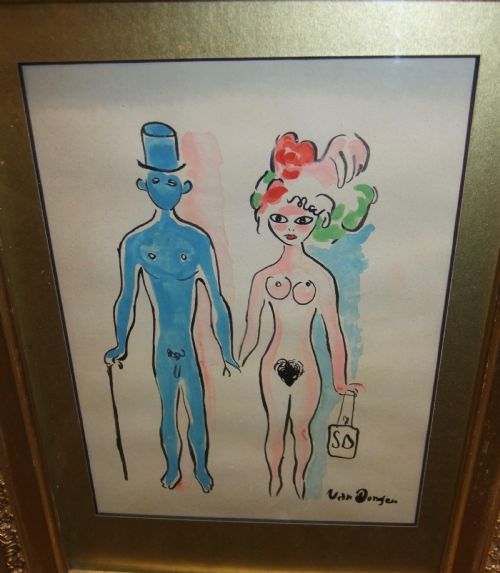
When you search for 1920s figurative artwork, you encounter depictions of people shaped by the artistic movements of the interwar years. The pieces on this page span portraits, nudes, and coastal scenes created during the 1920s and 1930s.
You are most likely to meet watercolours on paper and oil paintings on canvas depicting human subjects. These works originate from British and French artistic circles, reflecting regional stylistic choices from realism to the avant-garde.
The subjects range from solitary figures and bathers to theatrical performers and children. Each work records how artists of the period interpreted the human body through contemporary modernist styles.
What varies in quality
The strength of draftsmanship and the confidence of brushwork separate works of distinction from routine studio production. In top-tier pieces, the handling of line and pigment demonstrates a secure mastery of modernist vocabulary.
Provenance and exhibition history elevate certain works above others, connecting specific paintings to known artistic groups and museums. The preservation of the original medium, whether oil on canvas or delicate watercolour on paper, also influences the standing of a piece.
1920s Figurative Artwork Retail Price Guide 2026
Typical asking prices for 1920s figurative artwork among the pieces listed under this phrase on Sellingantiques today, from the lower quarter to the upper quarter. They describe what is for sale here now, not the wider market.
Listings feature works in oil, watercolour, ink, and charcoal on canvas, paper, and wood.
Fred Lawson·Philip Naviasky·George F. Bird·Raymond Moritz·Demetrios Galanis·Usabal y Hernandez·Jean Hippolyte Marchand·Louis Icart·Kees van Dongen
The 1920s Figurative Artwork Glossary
- Fauvism
- A style characterised by strong colours and bold brushstrokes rather than realistic values. Artists associated with this movement prioritised emotional expression over naturalistic representation.
- Cubism
- An early-twentieth-century avant-garde art movement that revolutionised European painting by breaking subjects down into faceted geometric planes. It rejected traditional perspectives in favour of multiple viewpoints.
- Deux crayon
- A drawing technique using two coloured pencils or chalks, typically on tinted paper, to achieve highlights and shadows. This method allows artists to build volume and depth efficiently.
- Etching
- A printmaking process where lines are incised into a metal plate with acid before ink is applied and transferred to paper. This technique produces fine, precise linear details.
1920s Figurative Artwork: Frequently Asked Questions
What defines 1920s figurative artwork?
These works focus on the human form through the stylistic innovations of the interwar period. They combine traditional portraiture and figure studies with modernist approaches like Cubism and Fauvism.
Makers utilised varied media, from oil on canvas to charcoal on paper, to record human subjects across British and French art scenes.
How do I care for works on paper?
Watercolours and drawings require protection from direct sunlight to prevent fading of inks and pigments. Framing under conservation-grade glass safeguards the paper support from atmospheric moisture.
Keep these delicate works away from fluctuating temperatures and high humidity environments to preserve the integrity of the media.
How can I tell oil paintings from watercolours?
Oil paintings feature a textured surface built from pigmented oils applied to canvas or wood panels. They possess a substantial weight and visible brush topography.
Watercolours rely on transparent washes absorbed directly into paper fibres, often retaining the texture and tone of the underlying sheet.
Where were these artworks produced?
The pieces originate primarily from British and French studios active during the 1920s and 1930s. Artists worked within established regional art communities and avant-garde groups.
Their subjects reflect both domestic family settings and broader European modernist movements of the interwar era.