

Pembroke Table Mahogany
These pembroke table mahogany pieces offer versatile folding leaves and rich timber character suited to refined sitting rooms.
Pembroke Table Mahogany
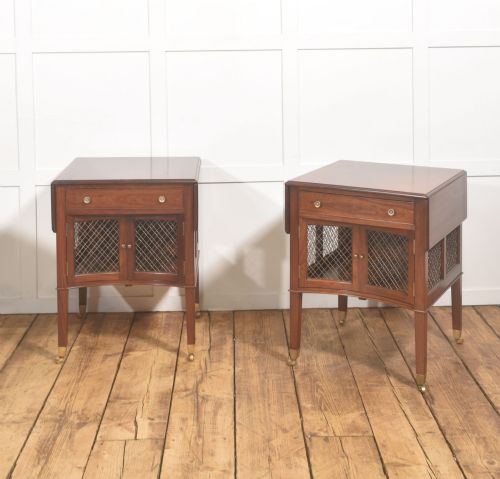
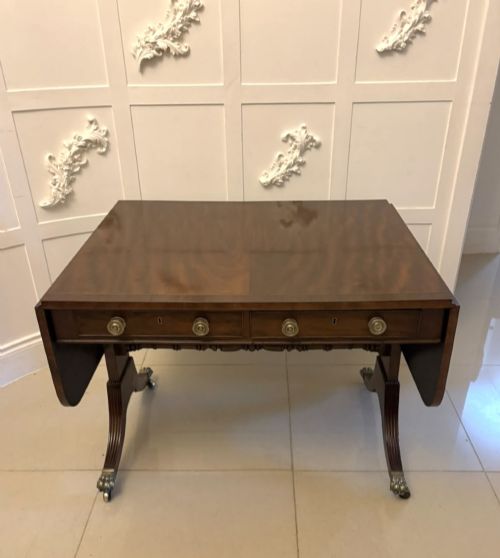
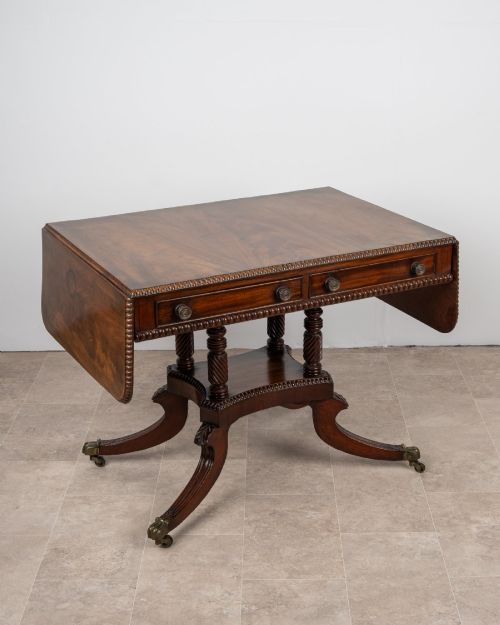
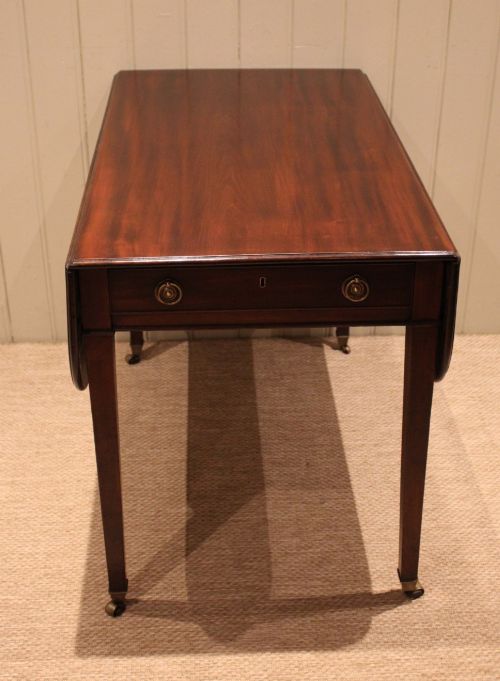
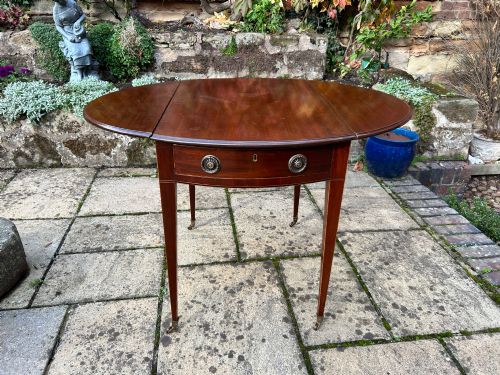
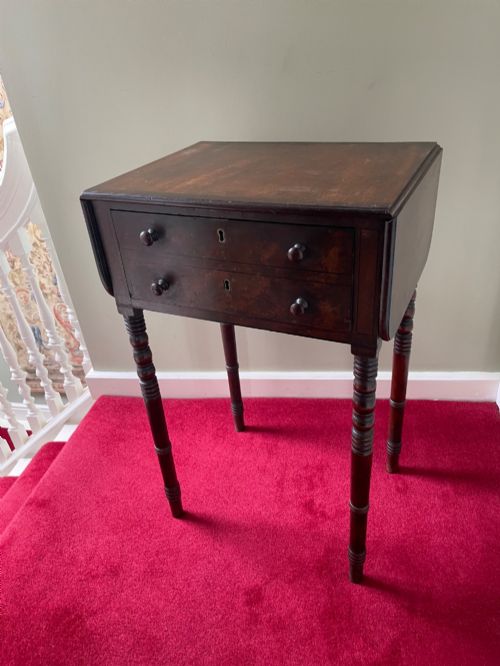
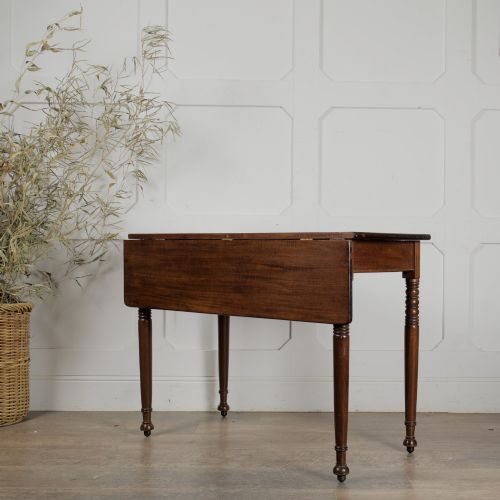
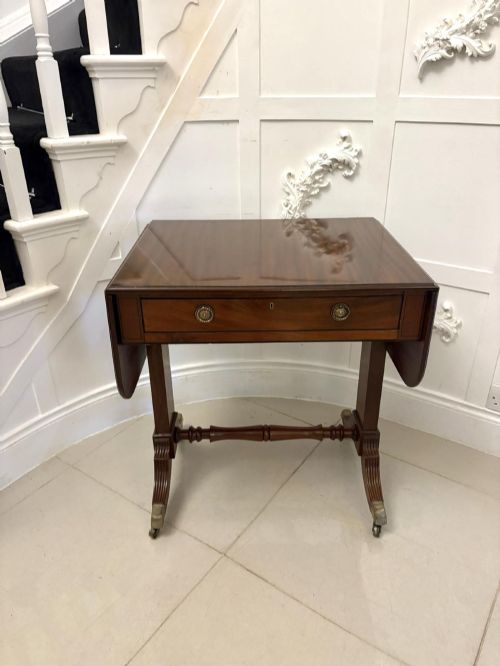
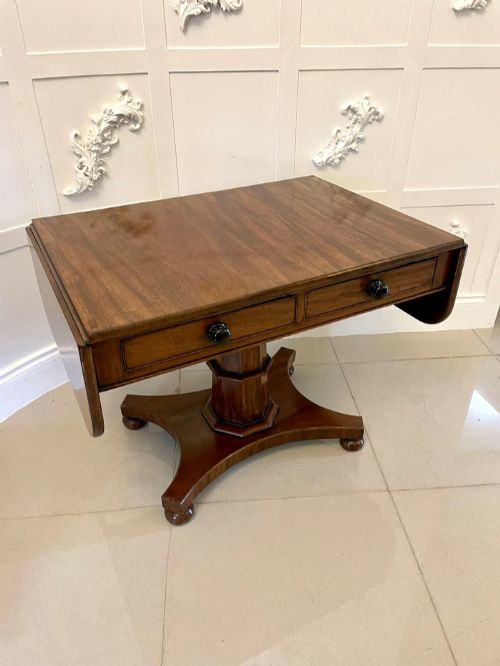
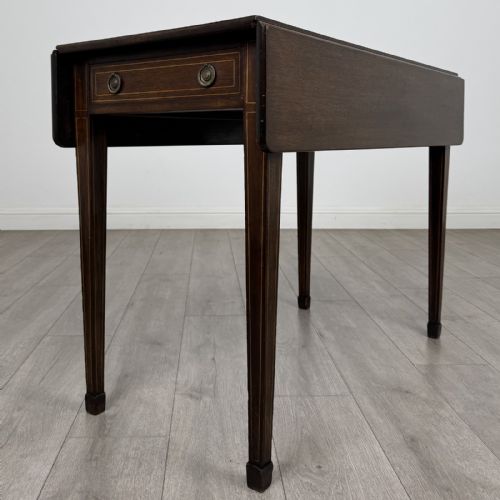
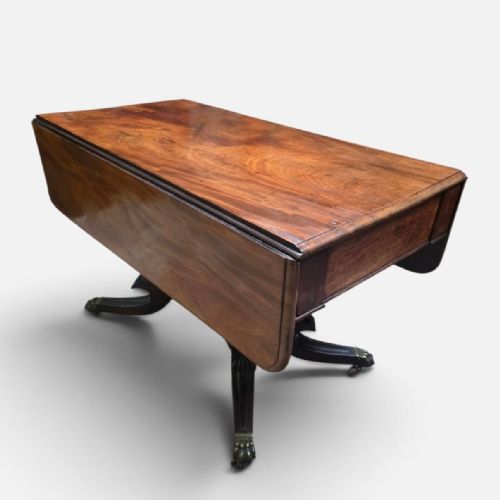
A pembroke table mahogany search brings up drop leaf designs from the eighteenth century, Georgian, and Regency periods alongside later nineteenth century Victorian and Edwardian examples. These tables feature hinged flaps on either side supported by folding brackets, making them adaptable for use as side tables, writing desks, or small dining surfaces.
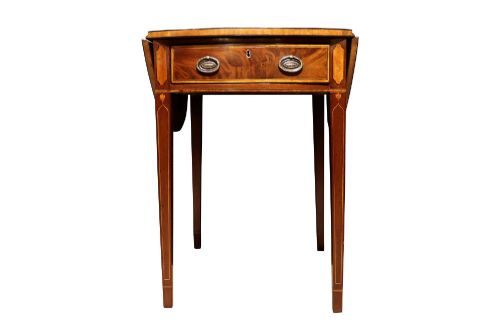
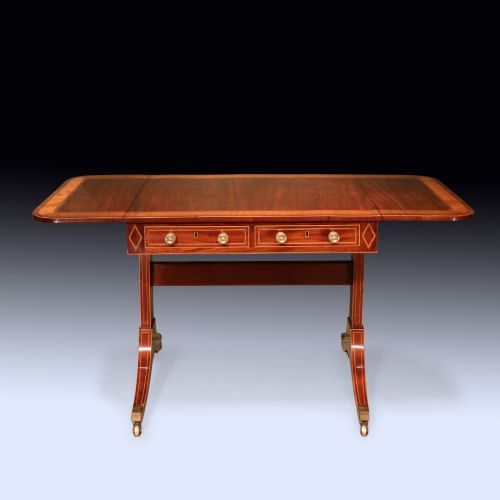
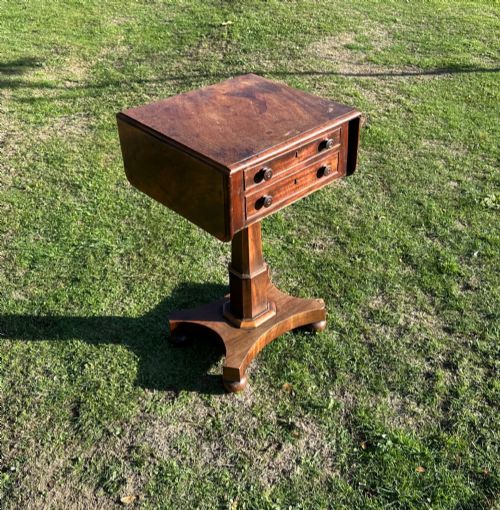
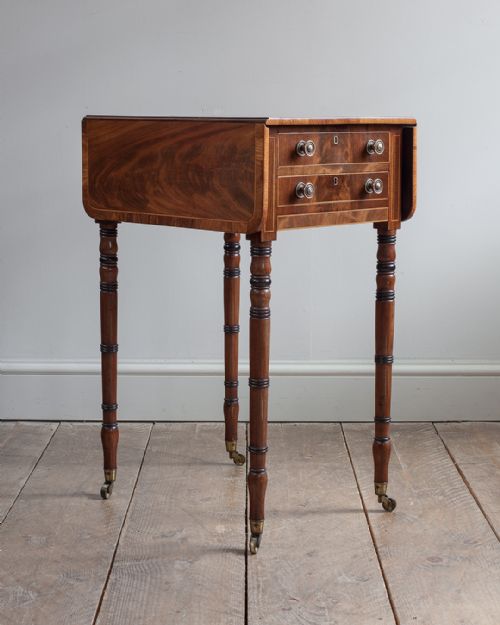
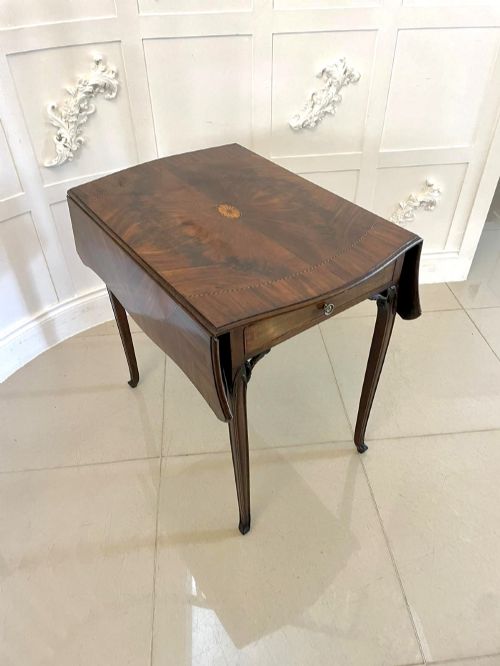
Most pieces seen here originate from the Georgian and Regency eras, constructed with rectangular or oval tops and often incorporating satinwood or boxwood inlay. Makers utilised solid mahogany and flame mahogany timbers, sometimes mounting the tables on pedestal bases with brass castors or slender spade legs.
Construction and Materials
Cabinet makers relied principally on mahogany and flame mahogany for the primary surfaces, bringing out the rich grain with polished finishes. Secondary woods provided structural stability to the frames, drop leaves, and internal drawer linings.
Inlay work involved contrasting veneers such as satinwood and boxwood, creating banded borders and decorative motifs around the top edges and drawer fronts. Brass fittings, including handles and castors, completed the assembly of these freestanding tables.
Pembroke Table Mahogany Retail Price Guide 2026
Typical asking prices for pembroke table mahogany among the pieces listed under this phrase on Sellingantiques today, from the lower quarter to the upper quarter. They describe what is for sale here now, not the wider market.
Listings feature mahogany, satinwood, boxwood, and leather materials across Georgian, Regency, and Victorian periods.
Assessment of Quality
The standard of a pembroke table mahogany piece rests heavily on the choice of timber figure, with richly figured flame mahogany and crisp satinwood crossbanding marking out superior examples. Plain, unfigured boards indicate more utilitarian workshop production.
Joinery execution around the drop leaf hinges and drawer construction distinguishes finer cabinet work. Refined attention to detail appears in the precision of the wood inlay and the proportional elegance of the supporting legs.
The Pembroke Table Mahogany Glossary
- Pembroke table
- A small occasional table featuring two hinged drop leaves supported by folding brackets or swinging wooden arms. These versatile tables gained popularity during the eighteenth century for use in parlours and drawing rooms.
- Crossbanding
- A decorative border of veneer laid around the perimeter of a tabletop so that the grain runs at right angles to the central panel. This technique often employs contrasting timbers like satinwood.
- Drop leaf
- A hinged flap attached to the main surface of a table that can be raised to extend the top or lowered when space is required. The folding action relies on wooden brackets or rule joints.
- Flame mahogany
- A highly figured cut of mahogany timber displaying a distinctive flame-like pattern across the grain. Cabinet makers reserved this premium veneer for prominent surfaces on high-end furniture.
Pembroke Table Mahogany: Frequently Asked Questions
What is a pembroke table mahogany used for?
These tables served multiple functions in period homes, acting as writing desks, side tables, or occasional dining surfaces when the drop leaves were raised.
Their compact footprint and flexible design made them easy to move around drawing rooms and parlours as daily needs shifted.
Are the drop leaves sturdy on these tables?
The drop leaves are supported by hinged wooden brackets, known as fly brackets, which swing out from the underframe to hold the flaps level.
While robust enough for writing or serving tea, excessive weight on the unsupported edges should be avoided.
How should I care for a mahogany finish?
Routine maintenance involves dusting with a soft, dry cloth and applying natural beeswax periodically to nourish the aged timber.
Keep the table away from direct sunlight and strong heat sources to prevent the polish from drying out or cracking.