

Paw Foot Table
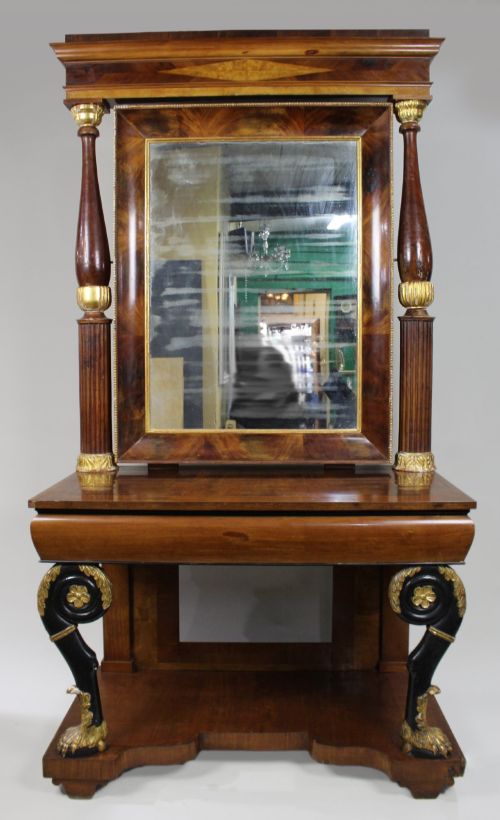
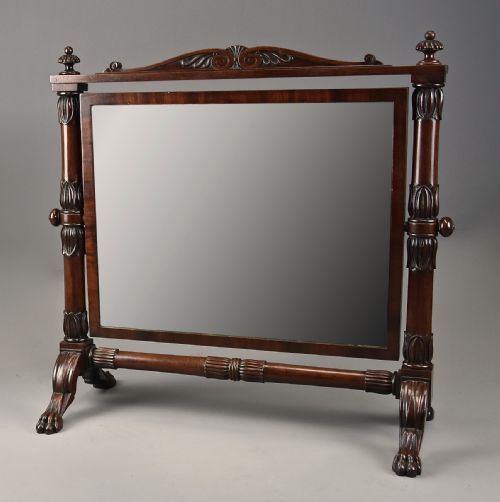
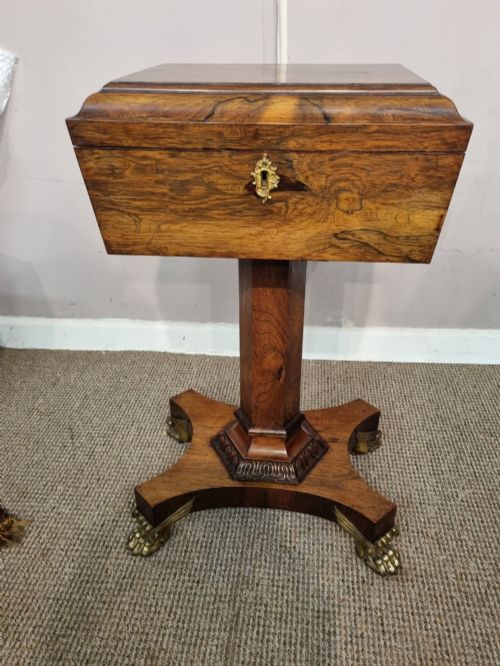
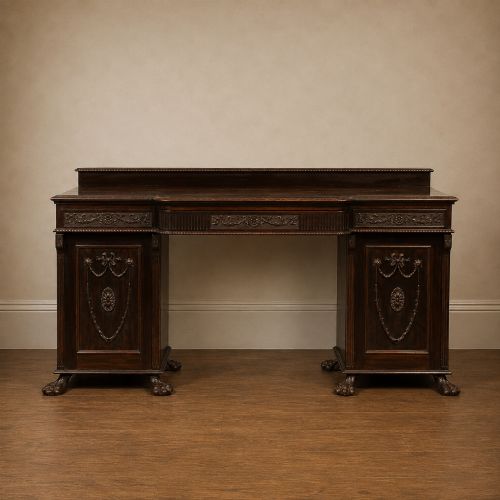
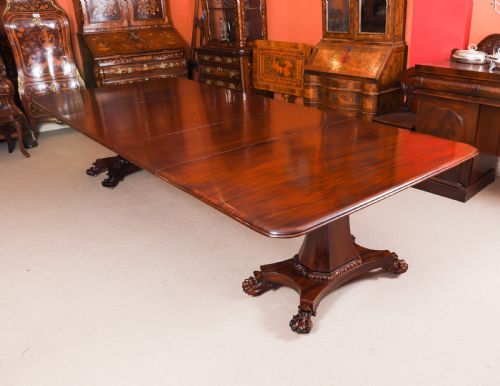
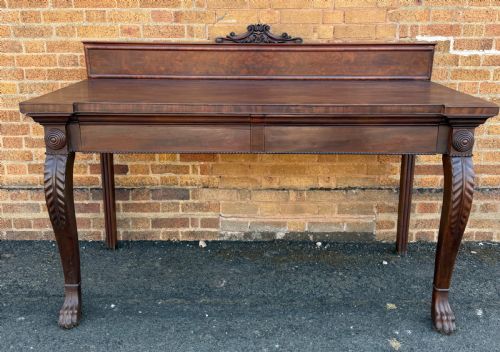
A paw foot table rests on carved animal terminals that ground heavy mahogany, rosewood and satinwood in the Regency and Georgian periods.
Paw Foot Table
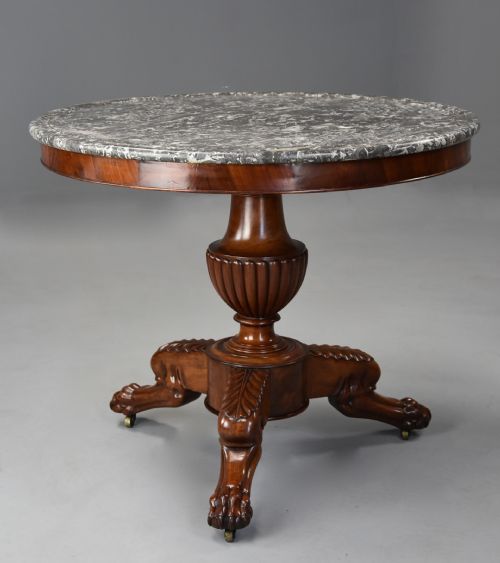
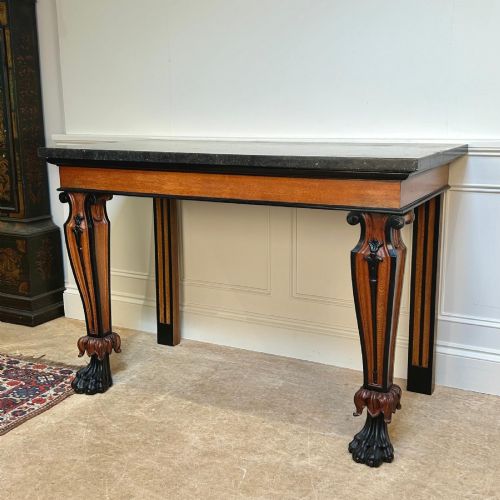
When you search for a paw foot table, you are looking at substantial timber furniture supported by carved feline or leonine feet, predominantly dating from the Georgian, Regency, and William IV eras. The pieces appearing here span dining tables, breakfast tables, card tables, and occasional forms shaped during the nineteenth century.
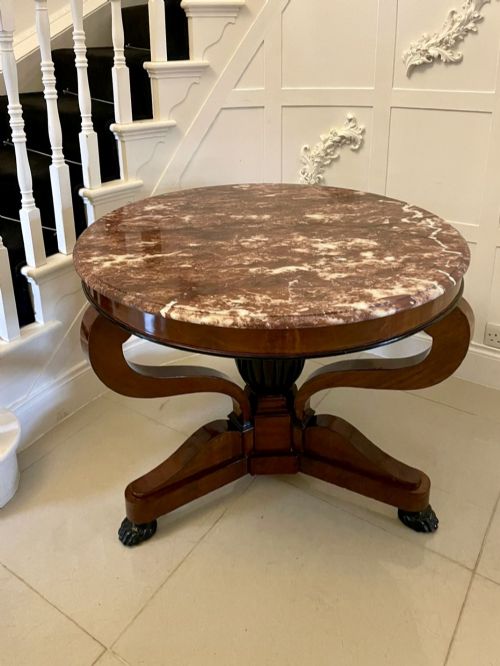
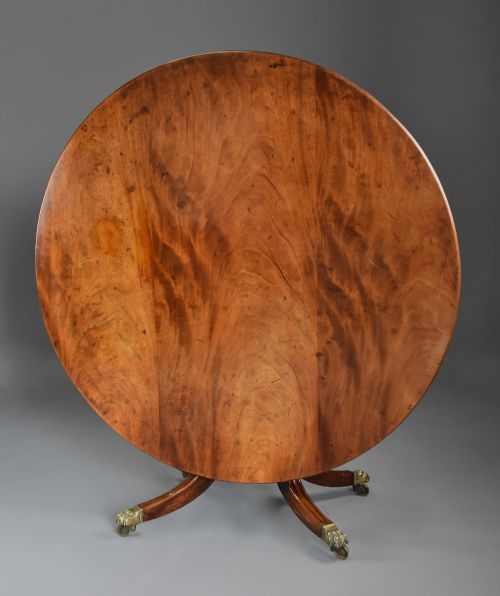
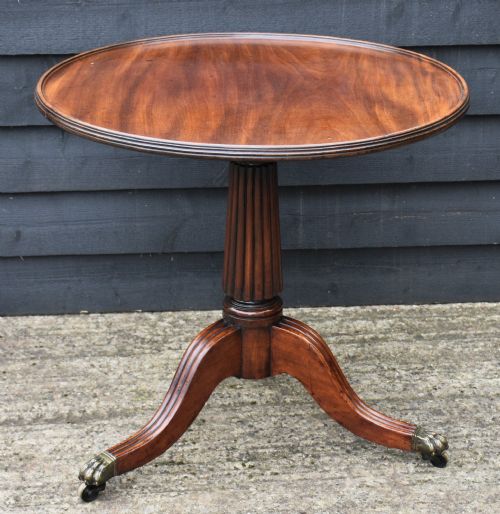
The most common examples you will meet on this page are centre tables and breakfast tables constructed from rich timbers like mahogany and rosewood. These formats often feature circular tops on central pedestals or tripod bases terminating in the distinctive carved paw motif characteristic of the period.
Materials and Construction
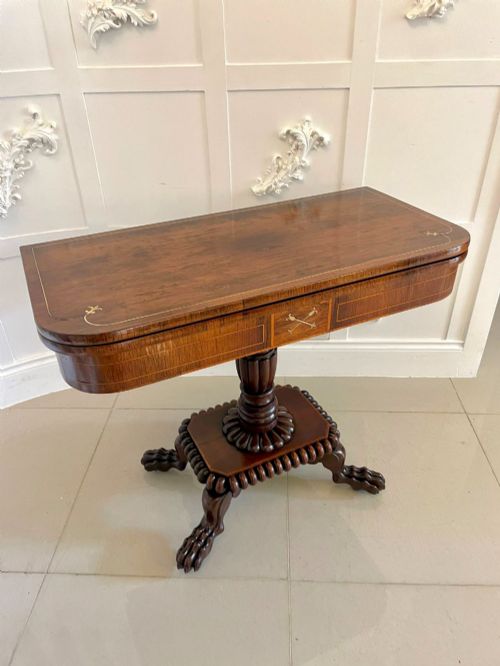
Cabinet makers utilised dense native and imported timbers, notably solid mahogany and flame mahogany veneer, alongside exotic woods such as rosewood and satinwood for decorative inlay. These woods were turned, carved, and polished to highlight natural grain patterns.
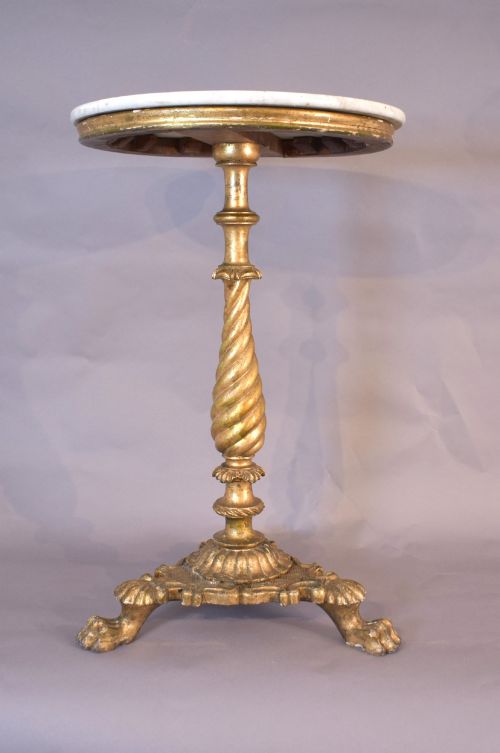
Structural elements frequently incorporated brass mounts, gilded details, and heavy veined marble inserts on top surfaces, particularly on French Empire and Gueridon formats. Carved wooden paws formed the terminus of pedestals, tripod legs, and plinth bases.
Defining Quality
The distinction between standard examples and finer items rests in the crispness of the carving on the paw terminals and the choice of timber figure. Superior pieces display deep, detailed hand-carving rather than soft profiling, paired with well-matched veneers and original patination.
Proportion and stability dictate overall merit, with better tables balancing heavy tops on solid pedestals without wobble. The integration of secondary woods, original brass fittings, and intact mounts elevate the standing of a piece within its period.
P and MA Nicholson·James Mein of Kelso·Jean-Joseph Chapuis·Peters of Genoa
The Paw Foot Table Glossary
- Paw foot
- A carved terminal shaped like an animal paw, used at the base of table legs and pedestals. This feature appears widely on Regency and Georgian furniture.
- Gueridon
- A small circular table on a single central pillar, often topped with marble. Originating in France, these tables frequently feature tripod bases.
- Breakfast table
- A large occasional or dining table designed for morning use, typically featuring a tilt-top mechanism on a central pillar. These often showcase figured mahogany or rosewood.
- Card table
- A folding table with a hinged top designed for board games and card playing. They usually sit against a wall when closed.
- Teapoy
- A small box or chest mounted on a stand or pillar, used for storing tea. Many examples date from the Regency period.
Paw Foot Table: Frequently Asked Questions
What is a paw foot table?
A paw foot table is a piece of wooden furniture supported by carved animal feet, appearing mostly in Georgian, Regency, and William IV styles.
These tables include dining, card, and centre formats made from dense timbers like mahogany and rosewood.
How do I date a paw foot table?
Dating relies on timber choice, construction methods, and stylistic cues such as brass inlay or column supports. Regency and Georgian pieces usually show specific carving styles and joinery techniques.
Examining the secondary woods and underneath structures helps confirm the period of manufacture.
Were these tables used for dining?
Certain forms, such as twin pedestal dining tables and large breakfast tables, served practical dining purposes in period homes. Other variations like card tables and occasional tables fulfilled social and decorative roles.
Larger pedestal models provided stable surfaces for heavy use in dining rooms and libraries.
How do I care for a rosewood table?
Rosewood requires stable humidity and protection from direct sunlight to prevent the rich timber from fading or drying out. Regular dusting with a soft, dry cloth preserves the finish.
Avoid placing hot items or moisture directly onto the polished wood or marble surfaces.