

Patterned Upholstered Seating
Patterned upholstered seating covers armchairs, sofas and stools across centuries, bringing colour and texture into a room.
Patterned Upholstered Seating
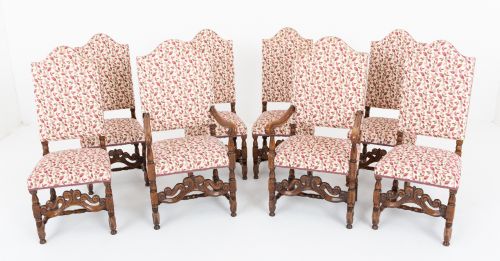
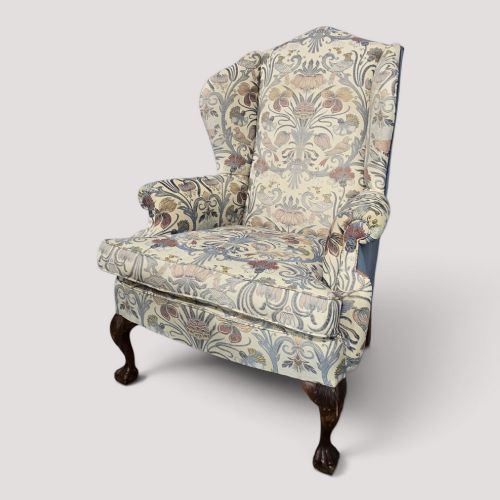
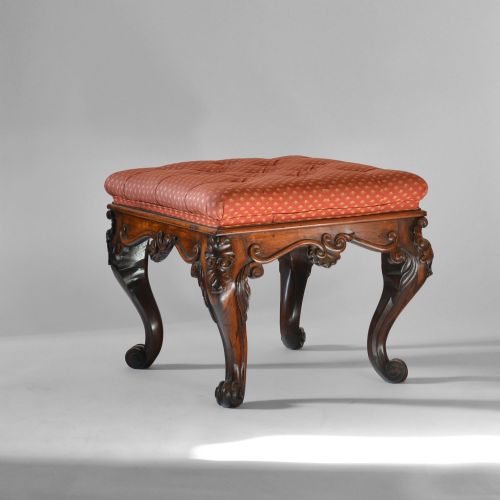
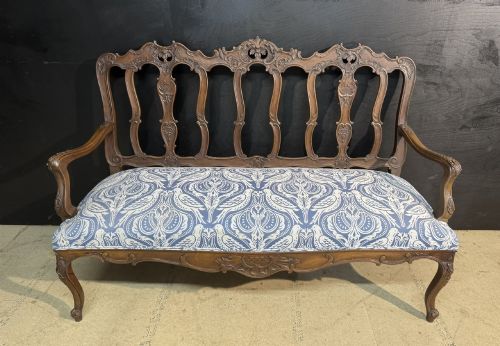
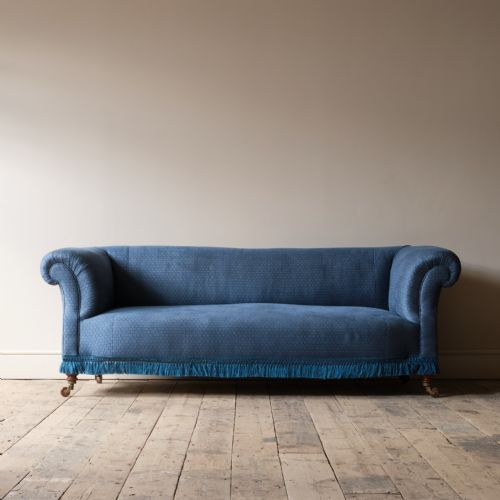
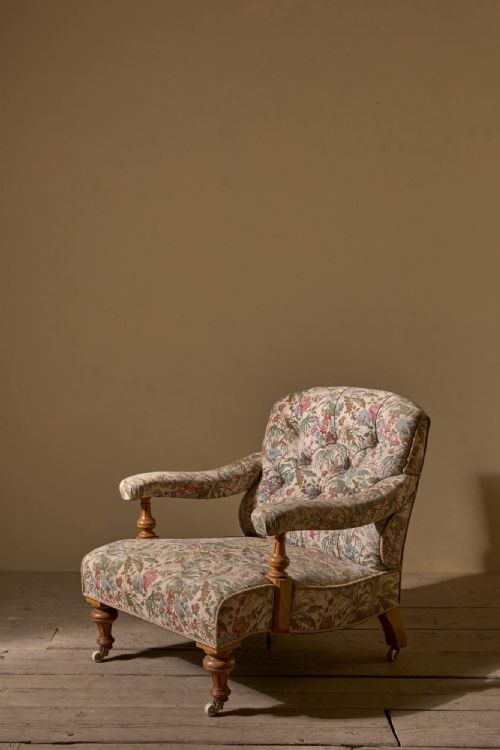
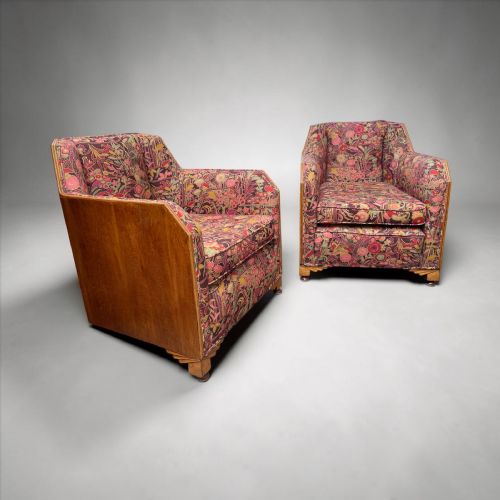
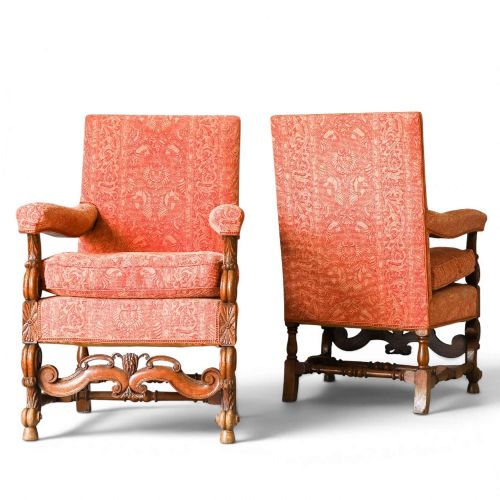
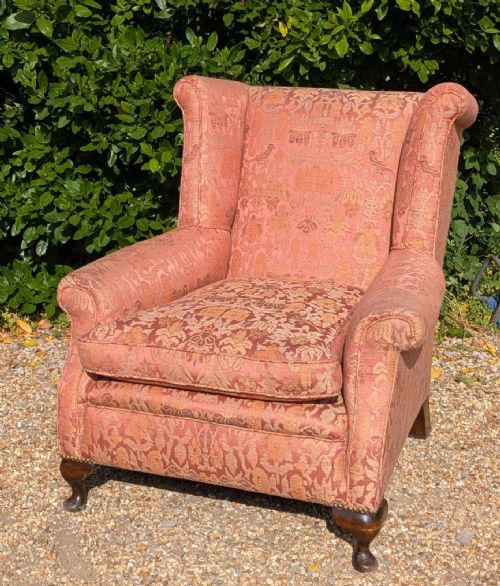
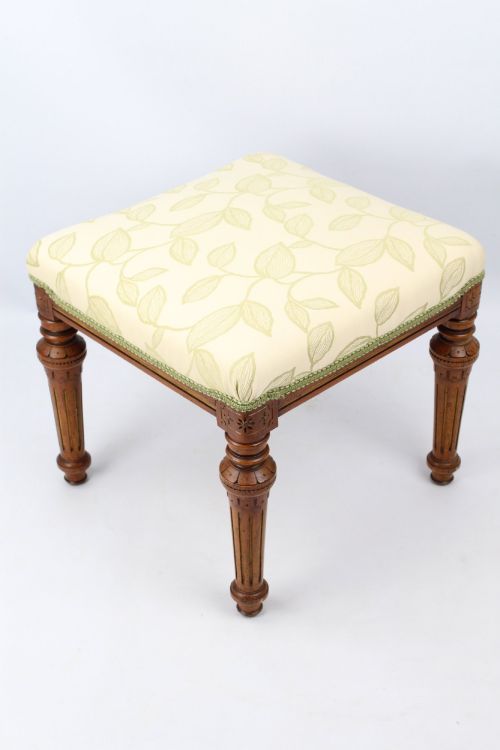
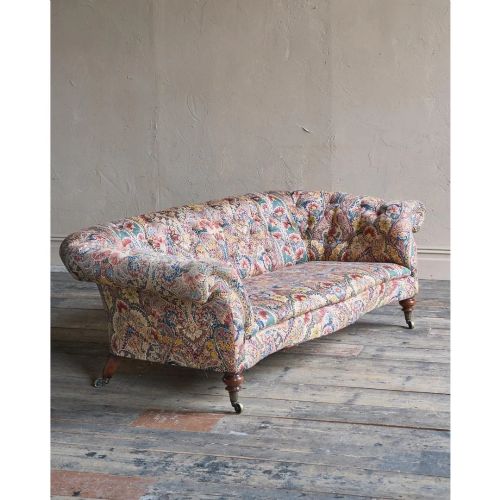
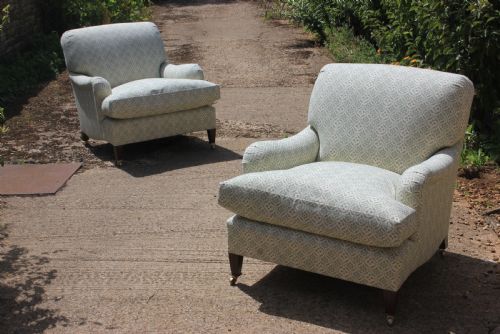
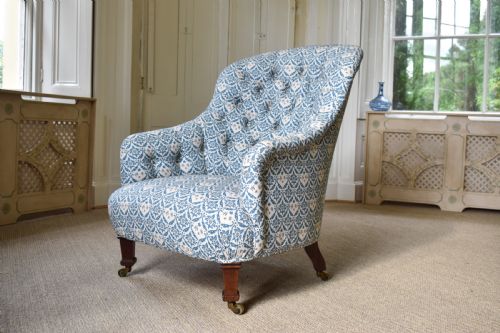
Patterned upholstered seating spans armchairs, sofas, settees and stools originating from the eighteenth century through to the art deco period of nineteen thirty. Buyers find various forms including wingback armchairs, chesterfields, footstools and dining chairs.
The nineteenth century provides many examples, alongside pieces from the Edwardian era and nineteen thirty. Frames adopt styles such as Georgian, Victorian, Rococo Revival, Arts and Crafts and Queen Anne.
Materials combine exposed timber frames in mahogany, walnut, oak and rosewood with varied textile coverings. Many items wear specific designer fabrics such as Flora Soames or Mulberry Shetland plaid.
Materials and construction
Frames rely on solid timbers including mahogany, walnut, oak, rosewood and beech to provide structural integrity for armchairs and sofas. Joinery techniques reflect the period, from eighteenth century cabinetmaking to later twentieth century production methods.
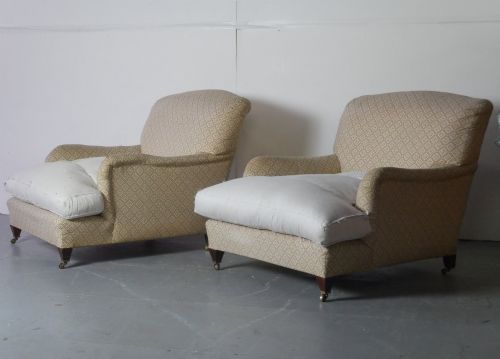
Upholstery relies on traditional stuffing materials like horsehair and modern feather filling enclosed in fabrics, textiles and upholstery fabric. Brass components occasionally appear on castors or decorative detailing.
Materials documented across the collection include mahogany, walnut, rosewood, oak, brass and various upholstery fabrics.
Distinctions in quality
The integrity of the underlying timber frame and the precision of its carving separate standard items from superior works. Maker attribution, such as pieces by Howard and Sons or Whytock and Reid, denotes higher workshop standards.
The choice and execution of the textile covering, whether historic tapestry or contemporary patterned fabric, alters the visual presence of a chair or sofa. Original frame construction combined with sympathetic reupholstery preserves the character of the piece.
Hampton and Sons·Whytock and Reid·Howard and Sons·Heals·Liberty and Co·J. Herbert McNair
The Patterned Upholstered Seating Glossary
- Chesterfield
- A large padded sofa with deep buttoning and arms the same height as the back. This form appears frequently in nineteenth century British seating.
- Fauteuil
- An open armchair with wooden sides originating in France. These chairs display carved mahogany or oak frames from periods like the Empire style.
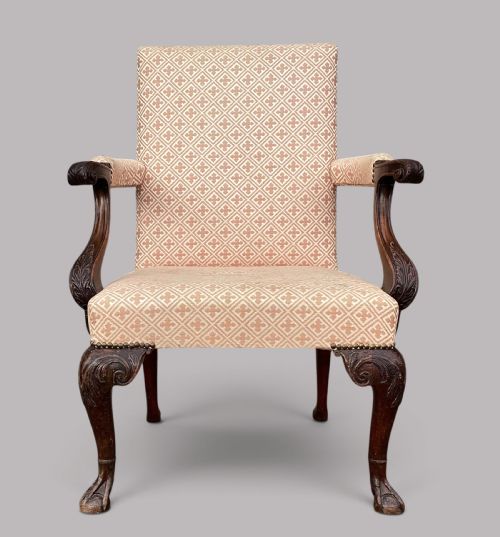
- Gainsborough chair
- A type of open armchair with a wide seat and padded arms dating from the georgian period. Mahogany frames typify these seats.
- X-frame stool
- A stool supported by intersecting diagonal legs forming an X shape. Examples survive in mahogany and other timbers from the mid nineteenth century.
Patterned Upholstered Seating: Frequently Asked Questions
How do I date a patterned upholstered armchair?
Examine the timber species of the frame and the turning of the legs, comparing them with documented styles from the eighteenth to twentieth centuries. The construction methods inside the upholstery also indicate the period of manufacture.
Secondary clues include brass castors, webbing and original stuffing materials which change across Victorian, Edwardian and Art Deco decades.
Are these seats suitable for daily use?
Most antique armchairs and sofas function well in daily settings provided the internal webbing and padding receive proper maintenance. Solid mahogany and walnut frames offer strong structural support.
Selecting pieces with durable upholstery fabric ensures the textile withstands regular seating while maintaining the historical character of the furniture.
What is a Howard and Sons chair?
Howard and Sons was a prominent nineteenth century London upholstery firm known for producing comfortable armchairs and chesterfield sofas. Their pieces often feature stamped legs and high quality ticking cases.
Collectors prize these items for their robust construction and association with traditional English interior design.
How do I choose between Victorian and Art Deco seating?
Victorian seating often displays ornate carved woodwork, button backs and revival styles like Rococo or Renaissance. These forms suit traditional or eclectic interior spaces.
Art Deco pieces from nineteen thirty favour streamlined wooden frames, bentwood structures and geometric patterned textiles which fit minimalist or modernist rooms.