
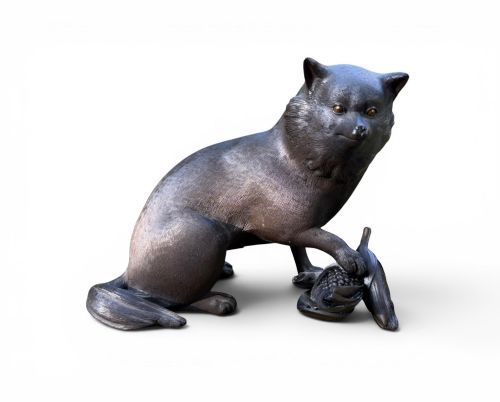
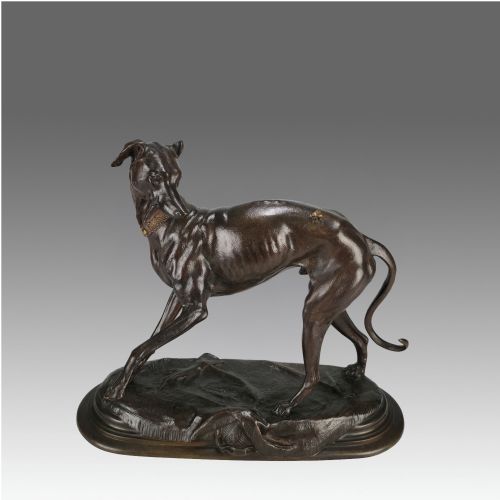
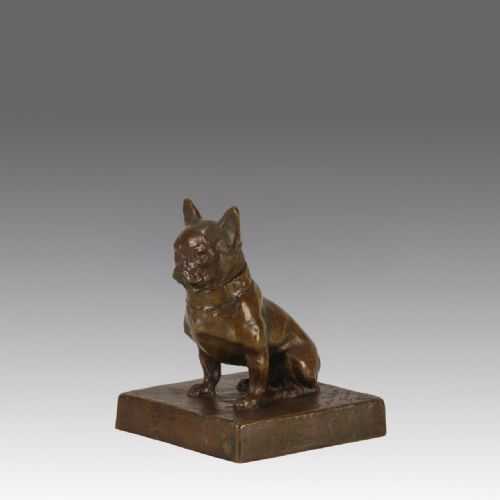
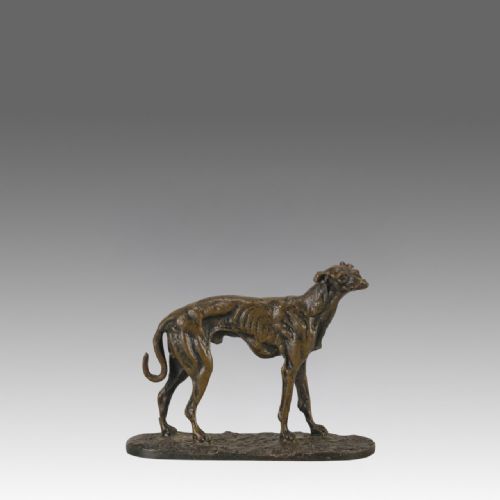



Patinated Bronze Dog
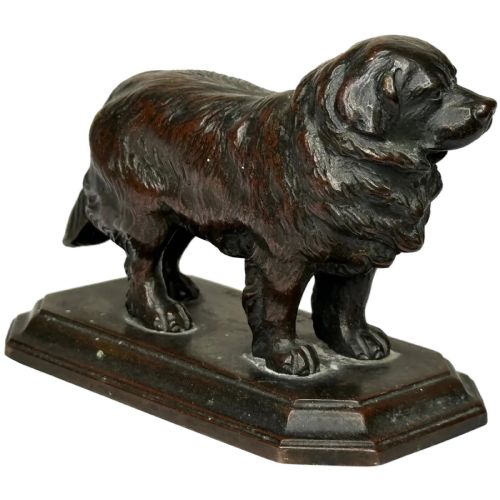
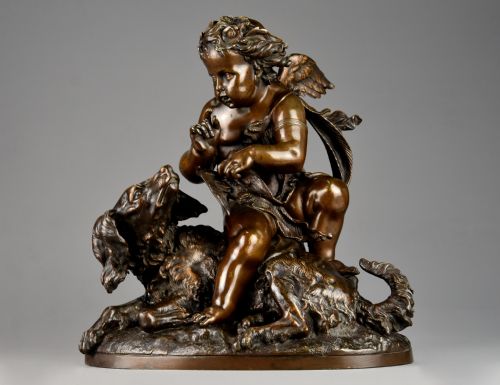
A patinated bronze dog brings the muscular tension of a greyhound or the loyal stance of a spaniel into a room with enduring weight and character.
Patinated Bronze Dog
A patinated bronze dog encompasses sculptural depictions of canines fashioned through metal casting across various international traditions. Collectors seek these figures for their anatomical precision and the rich, darkened chemical treatments applied to the metal surface.
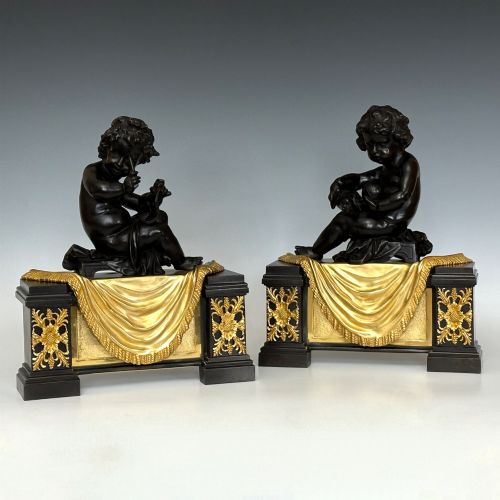
The pieces appearing most frequently include French Animalier sculptures from the nineteenth century, depicting hunting dogs, greyhounds, and terriers with lifelike vigour. Examples also stretch to Art Deco models of borzois and spaniels, alongside decorative fireplace accessories incorporating canine figures.
Origins span from European workshops in France and Britain to Asian traditions, offering everything from cabinet-sized table sculptures to substantial hearth andirons. The variety reflects a long-standing human fascination with capturing the domestic and sporting canine in cast metal.
How they were made
Makers utilised the lost-wax casting technique, or cire perdue, to reproduce the fine sinews, fur textures, and collars of each canine subject. Molten bronze filled moulds derived from original clay or wax models, capturing meticulous details before cooling.
Once cast, the metal underwent chiselling and filing to sharpen the contours of the animal's coat and expression. Artisans then applied chemical patination agents to the bronze surface, producing deep brown, black, or green tones that enhanced the perceived depth of the form.
Several dogs share their metal domains with flying insects, balls, rabbits, and even teddies.
What varies in quality
The depth and stability of the chemical patina significantly influence the visual success of the piece, alongside the quality of any supporting marble or ormolu mounts. Finer works demonstrate a harmonious balance between the metal colouration and the sculptural mass of the animal.
Alfred Barye·Dora Heber·P J Mêne·Masaaki·Jules Moigniez·Unno Shomin·Edith Parsons·Auguste Nicholas Cain·Alexandre Kelety·Arthur Waagen·P.de Soete·Geo Maxim·Antoine Louis Barye·Joseph Francois Victor Chemin
The Patinated Bronze Dog Glossary
- Animalier
- A nineteenth-century artistic movement and style dedicated to the realistic portrayal of animals, particularly predators, horses, and dogs. Practitioners focused on capturing creatures in motion or moments of intense instinct.
- Patination
- The process of applying chemical treatments to the surface of metal to alter its colour and create an aged appearance. This layer protects the bronze beneath while giving the sculpture its characteristic tonal depth.
- Ormolu
- Gilt bronze produced by applying a finely ground high-carat gold mercury amalgam to a bronze base. The technique creates a brilliant golden decorative accent often paired with patinated figures.
- Chenets
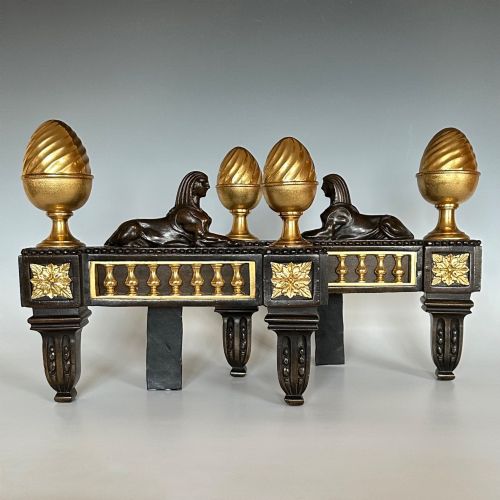
- Ornamental metal firedogs placed at the front of a hearth to support logs, frequently cast in figurative or architectural forms. They often incorporate brass, iron, and bronze canine or mythological motifs.
- Okimono
- A traditional Japanese decorative figurine designed for display on a shelf or in a tokonoma alcove. These carvings and metal castings showcase exceptional mastery of natural subjects.
Patinated Bronze Dog: Frequently Asked Questions
How do I clean patinated bronze?
Dust the surface gently with a soft, dry brush to prevent any accumulation of particles in the recessed areas of the casting. Avoid abrasive cleaners, water, or polishes that can strip away the original chemical patination.
Apply a very light coat of microcrystalline wax occasionally if the metal appears dry, buffing it off completely with a clean cloth. This protects the bronze from atmospheric moisture without altering its historic finish.
What is an Animalier sculpture?
An Animalier sculpture is a nineteenth-century art form that prioritises the realistic, anatomically accurate portrayal of animals in natural poses. Artists studied live specimens in menageries and kennels to capture authentic movement and tension.
These works range from small desk ornaments to monumental bronzes, celebrating the character and physical power of dogs, big cats, and horses.
How do I date a bronze dog?
Dating relies on examining the casting technique, the style of the base, and any foundry marks or signatures stamped into the metal. Nineteenth-century pieces often feature heavier bases and hand-chiselled surface details characteristic of period sand or lost-wax casting.
Art Deco examples from the twentieth century display distinct streamlined geometries and stylised canine postures. Comparing the signature to known active dates of the sculptor provides further chronological certainty.
Why are some bronzes mounted on marble?
Marble bases provided stability for heavy metal sculptures while adding a distinct neoclassical or architectural contrast to the dark patinated surface. Many nineteenth-century and Art Deco desk pieces utilised polished black or veined marble plinths to elevate the artwork.
This mounting style also protected fine furniture surfaces from direct contact with the cast metal base.