


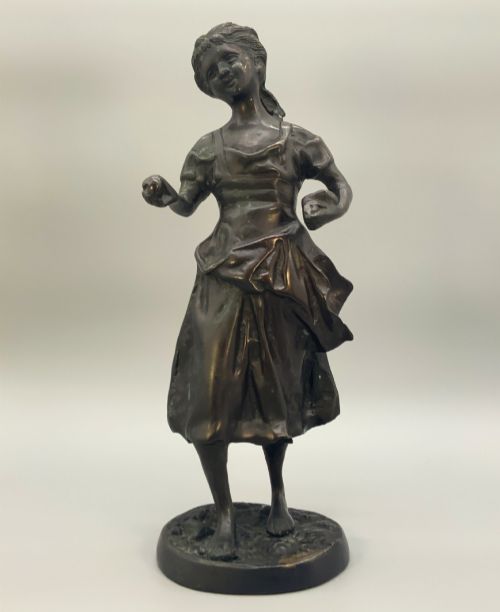
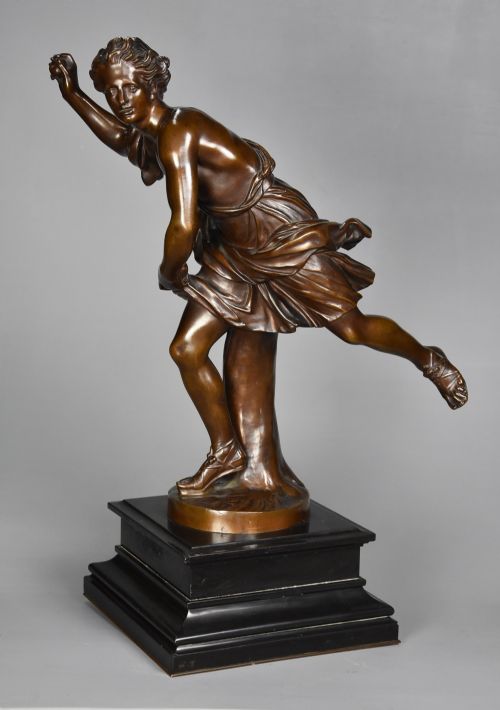
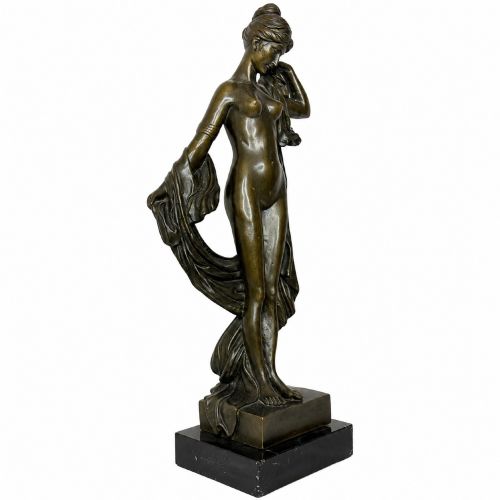
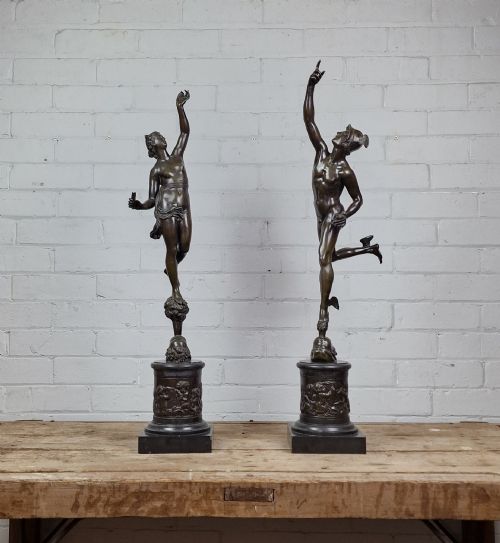
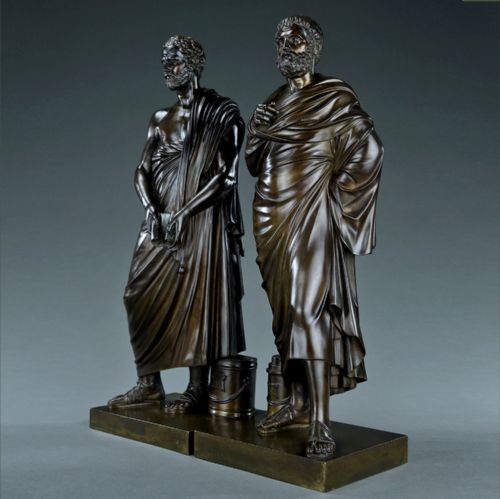
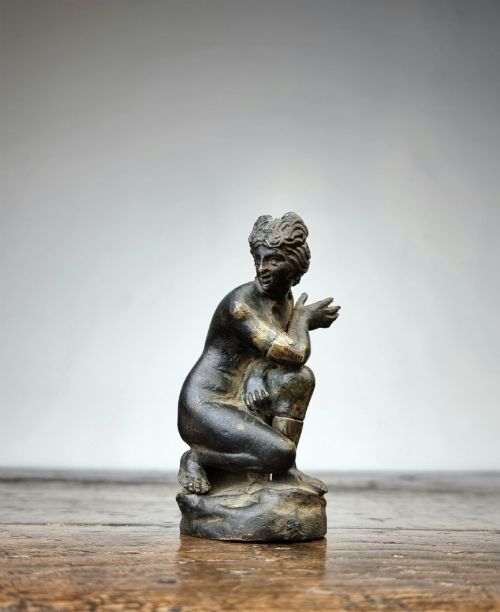
Patinated Bronze Classical Figure
A patinated bronze classical figure brings mythological heroes, gods and ancient sculpture into nineteenth-century interiors through master foundry work.
Patinated Bronze Classical Figure
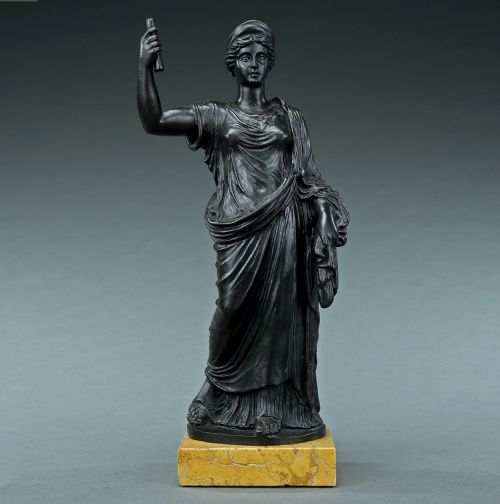
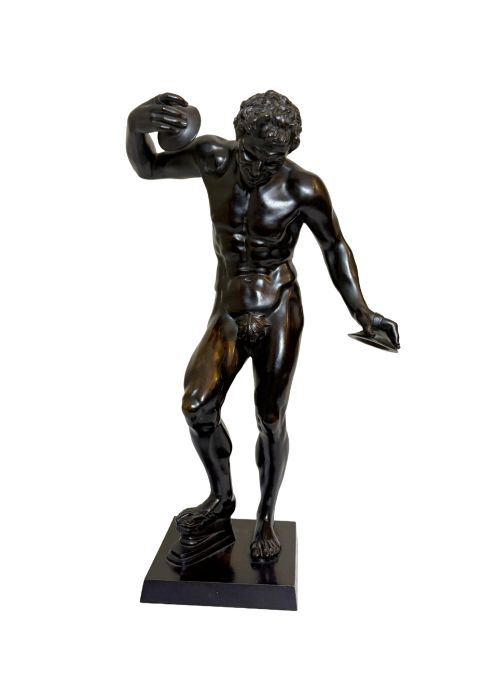
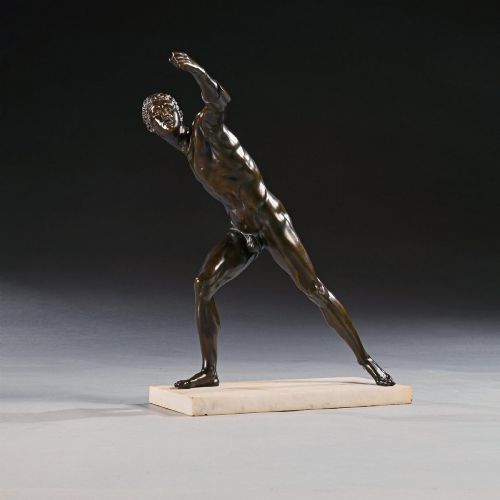
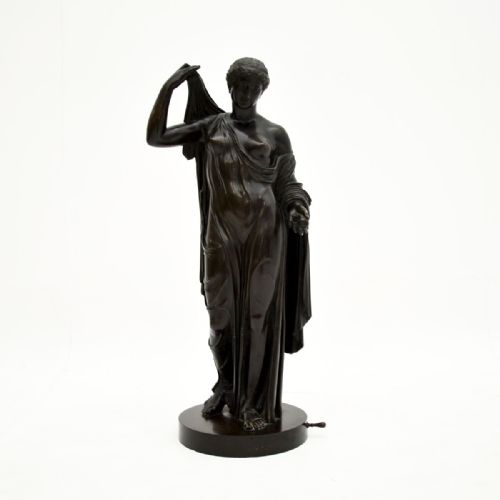
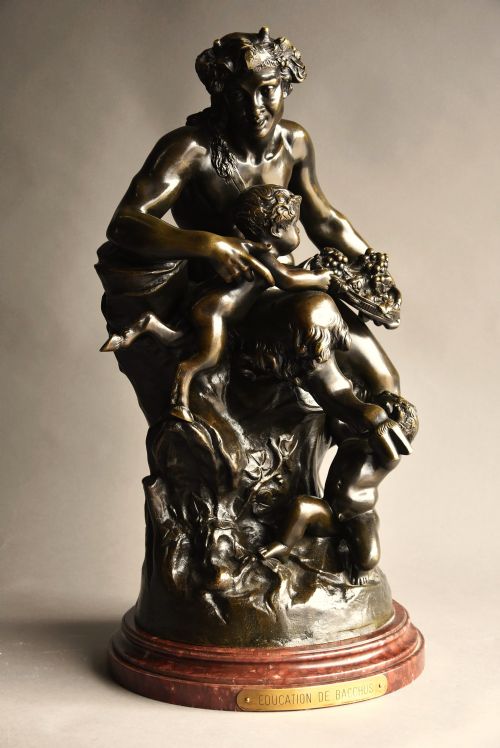
A patinated bronze classical figure embodies subjects drawn from ancient Greek and Roman mythology, including figures like Juno, Venus, Mercury and dancing fauns. These works often emerge from nineteenth-century French foundries and Grand Tour workshops, translating monumental antiquities into cabinet-sized or larger scale sculptures.
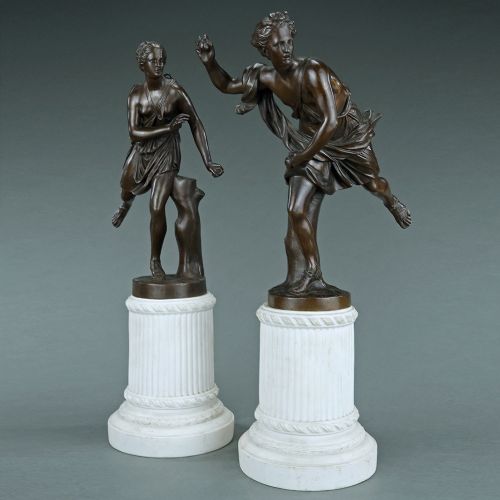
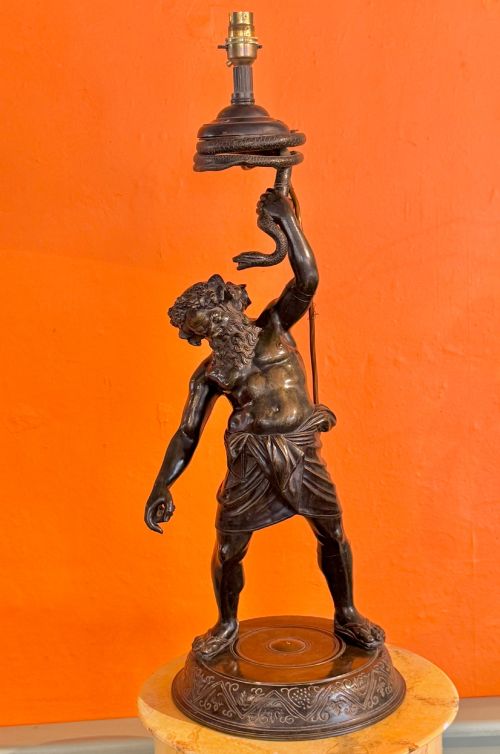
Collectors encounter single figures, pairs and sculptural groups mounted on marble bases or integrated into candelabras and lamps. The forms range from romanticised allegories of spring and classical deities to detailed reductions of famous museum sculptures.
The aesthetic bridges neoclassical rigour with later nineteenth-century French foundry skill, capturing mythological narratives through rich dark surfaces or green verdigris finishes.
Materials and foundry techniques
Foundries utilised traditional bronze casting methods, shaping molten metal into complex anatomical forms and flowing drapery before applying chemical patination treatments to achieve dark brown, black or green finishes.
Many sculptures incorporate bases and plinths made from contrasting materials such as marble, ebonised wood or brass to support the heavy metal figures.
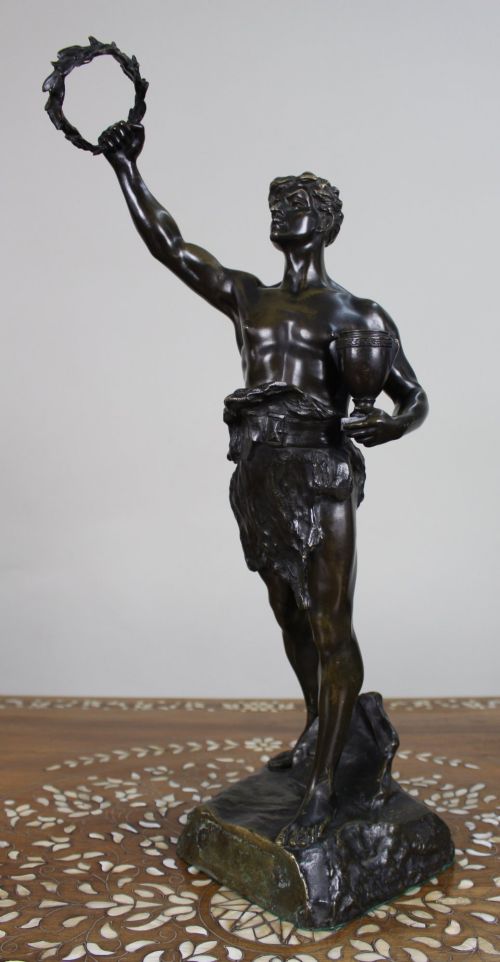
Several bronzes capture classical figures mid-movement, including dancing fauns, leaping satyrs and athletes caught in athletic strain.
Assessing quality in historical bronze casting
The refinement of the chiselling and filing work after casting distinguishes superior examples, where hair, musculature and facial expressions retain crisp definition without softening from excessive polishing.
The depth and consistency of the patination, alongside the integrity of the foundry signature and the weight and quality of any associated marble base, indicate the standard of production.
Ferdinand Barbedienne·Mathurin Moreau·Émile Louis Picault·Edouard Drouot·Claude Michel Clodion
The Patinated Bronze Classical Figure Glossary
- Patinated bronze
- Bronze metal treated with chemical solutions to produce a specific surface colour, ranging from deep brown to green verdigris. This layer protects the metal and defines the visual character of the sculpture.
- Grand Tour
- A traditional trip undertaken by European elites to study classical antiquities, prompting the creation of small-scale bronze copies of famous statues. These souvenirs were brought home to furnish libraries and drawing rooms.
- Neoclassical
- An artistic movement reviving the styles and subjects of ancient Greece and Rome. It prioritises balanced compositions, heroic nudity and dignified poses.
- Lost-wax casting
- A metal-casting process where a wax model is melted out of a mould and replaced with molten bronze. This technique allows for intricate detail and undercut forms.
Patinated Bronze Classical Figure: Frequently Asked Questions
What is a Grand Tour bronze?
A Grand Tour bronze is a nineteenth-century reduction of a famous classical sculpture, purchased by travellers visiting Italy as a cultural keepsake.
These pieces allowed collectors to display canonical works of antiquity within domestic settings.
How do I care for patinated bronze?
Bronze requires very little maintenance beyond gentle dusting with a soft, dry cloth to prevent dust accumulation.
Avoid applying commercial metal polishes or cleaning agents, as these can strip away the historical patinated surface.
Why are some figures mounted on marble?
Foundries frequently mounted heavy bronze sculptures onto heavy stone plinths to provide stability and a formal architectural frame.
Siena and other decorative marbles were chosen to complement the dark tones of the patinated metal.
How do I identify foundry marks?
Foundry stamps and artist signatures are typically incised directly into the bronze base or along the edge of the figure's support.
These inscriptions connect the sculpture to specific nineteenth-century production houses or individual modellers.