
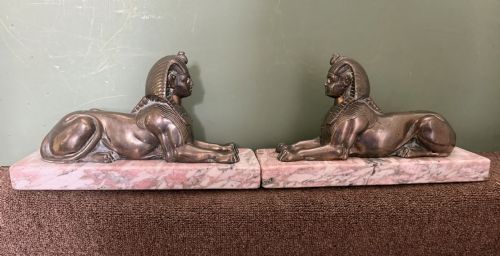
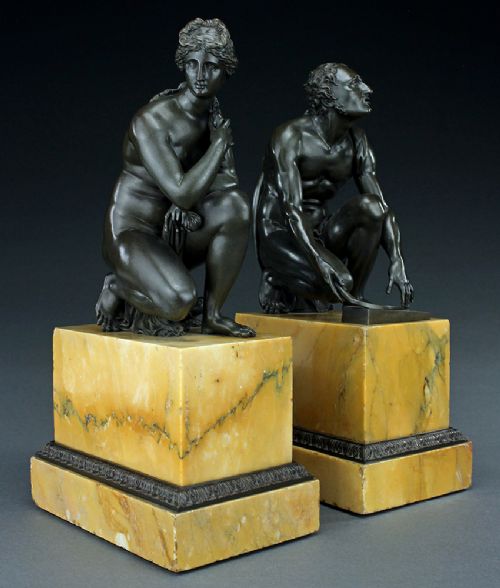

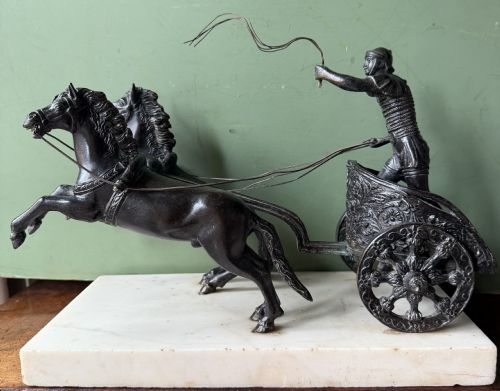
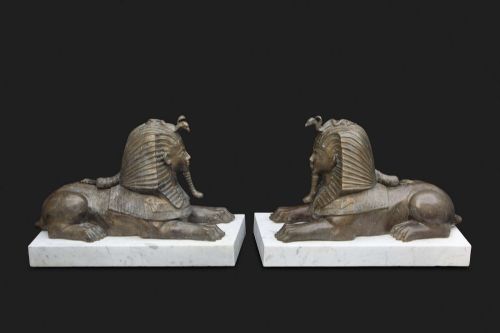


Bronze Figure on Marble Plinth
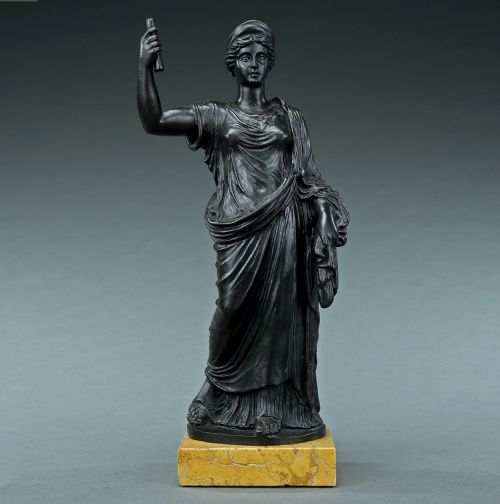
A bronze figure on marble plinth brings classical poise or modern movement to a room, combining cast metal with heavy stone.
Bronze Figure on Marble Plinth
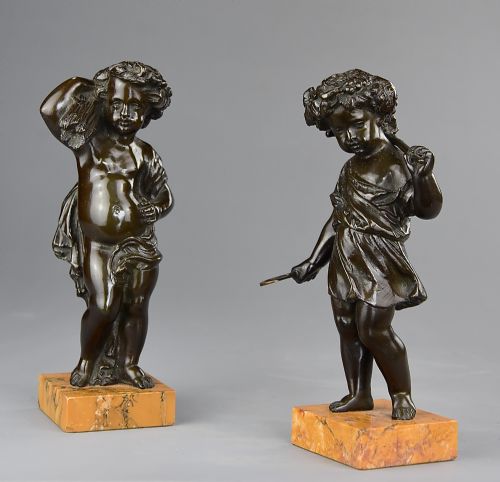
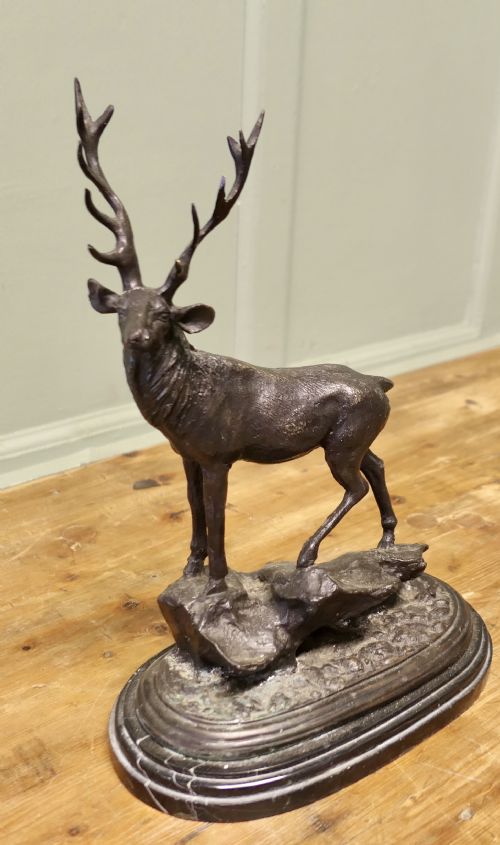
A bronze figure on marble plinth pairs a metal cast subject with a solid stone base, uniting sculpture and architectural support. These works range from small Grand Tour souvenirs and animal studies to monumental classical figures and Art Deco dancers.
The format covers multiple periods, spanning Victorian creations, Art Deco designs, and nineteenth-century classical subjects. Sculptures depict mythological figures, animals, human subjects, and allegorical characters mounted securely upon stone supports.
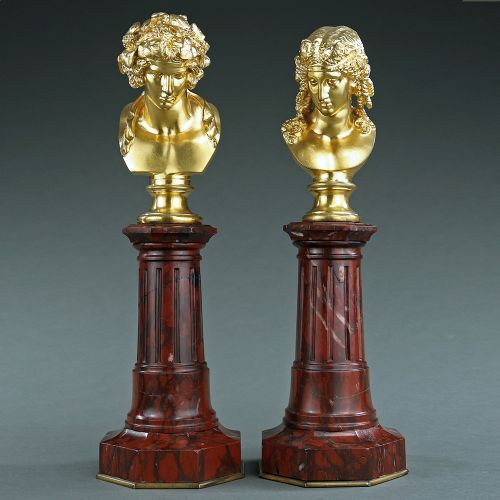
Most examples encountered here originate from nineteenth-century workshops, early twentieth-century studios, or Grand Tour traditions. Forms extend from single statuettes and pairs of busts to working lamps and decorative desk figures.
How they were made
Bases utilise various forms of stone including black marble, red marble, Siena marble, onyx, and white or Carrara marble. The cast figure is mechanically fixed to the heavy stone plinth to provide stability and visual contrast.
Several sculptures balance precariously on wings or single toes, defying the solid weight of their marble foundations.
What varies in quality
The refinement of the metal casting dictates the definition in muscular forms, facial expressions, and surface clothing. Finer examples display crisp chasing and tool work applied after the metal leaves the mould.
Selection and preparation of the stone plinth influence the overall presence of the piece. Dense, finely figured marbles and harmonious colour pairings between metal patination and stone elevate the composition.
Claude Michael Clodion·Josef Lorenzl·Carl Kauba·Feridah Francis Forbes Taylor·B Grundmann
The Bronze Figure on Marble Plinth Glossary
- Bronze
- An alloy consisting primarily of copper combined with tin, widely utilised for durable sculptural castings.
- Ormolu
- Gilt bronze produced by applying a finely ground high-carat gold mercury amalgam to a bronze object.
- Grand Tour
- Eighteenth and nineteenth-century travels undertaken by European gentry acquiring classical antiquities and souvenirs.
- Patination
- The surface coloration or sheen developed naturally over time or chemically applied to metal sculptures.
- Plinth
- A heavy architectural block or slab serving as a solid base for a statue or bust.
Bronze Figure on Marble Plinth: Frequently Asked Questions
How do I clean the bronze?
Dust the metal surface gently with a soft dry cloth to remove daily accumulation.
Avoid using water, chemical solvents, or abrasive cleaners which can strip the original patination.
Are all marble bases original?
Many figures retain their original stone plinths fitted during production.
Some older sculptures have been paired with replacement stone bases over time due to wear.
How do I identify Grand Tour pieces?
Grand Tour pieces typically replicate famous classical antiquities seen during European travels.
They frequently date from the nineteenth century and use dense patinated bronze on marble.
Where should I display them?
Place figures on sturdy surfaces away from direct sunlight and excessive moisture.
Ensure the heavy stone base is fully supported on a stable table or shelf.