


Patinated Bronze Bird
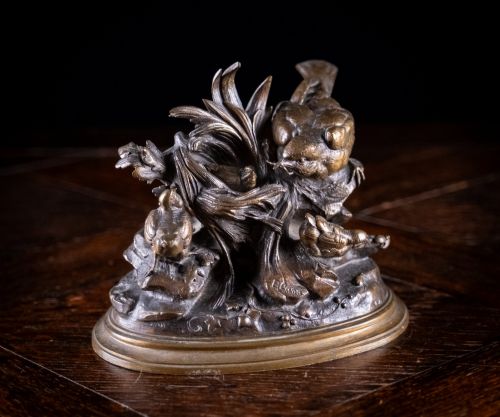
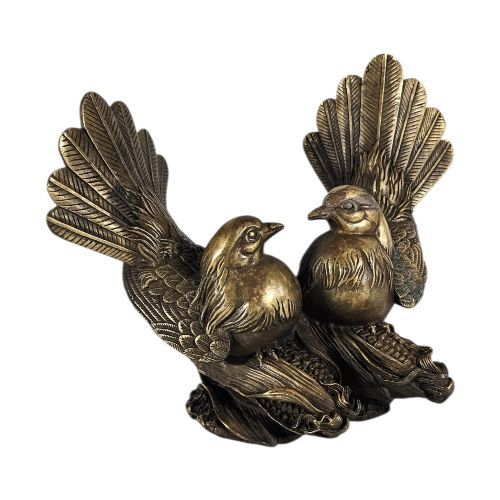
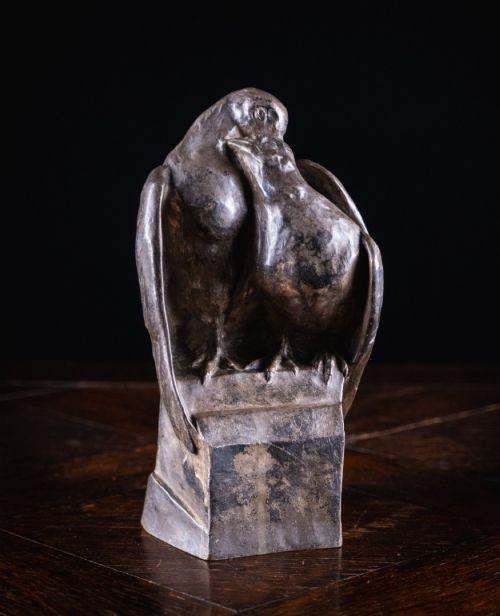
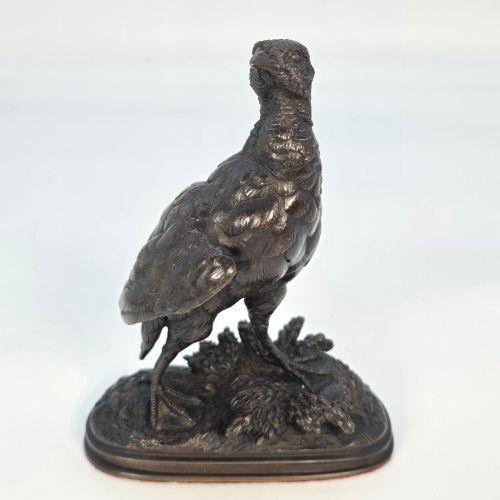
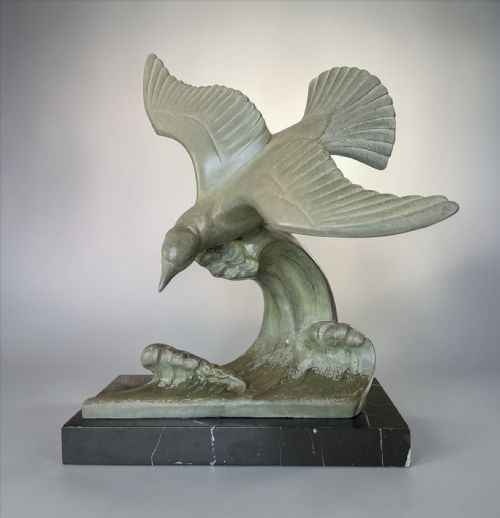
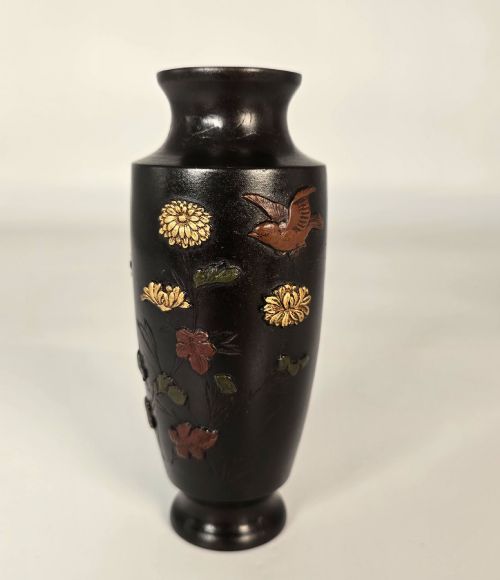
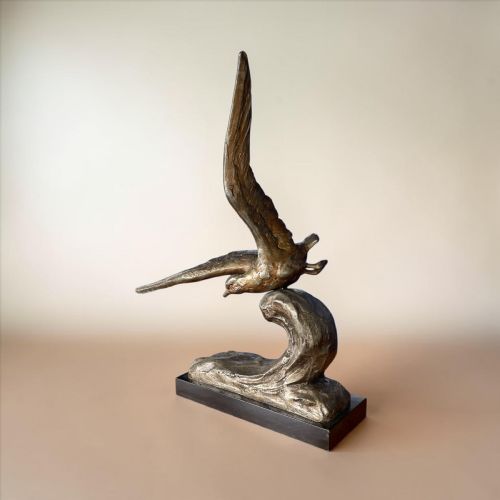
These pieces of patinated bronze bird sculpture and decorative work span animalier studies to Japanese vases, capturing feathered forms in metal.
Patinated Bronze Bird
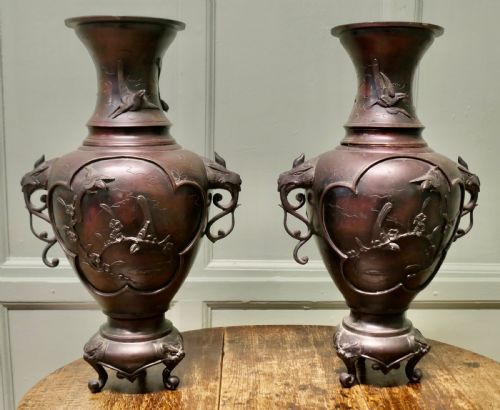
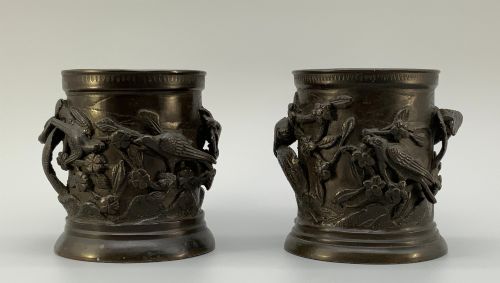
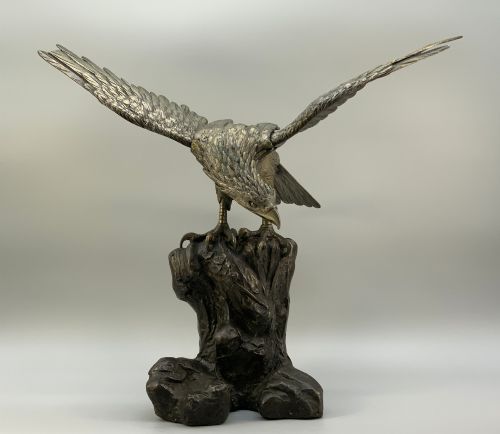
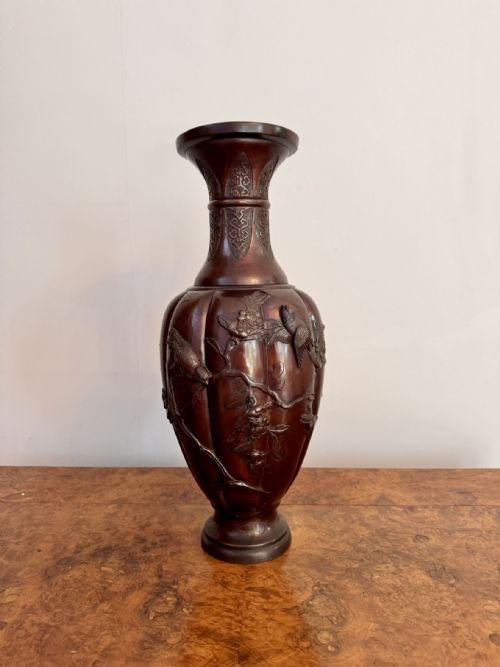
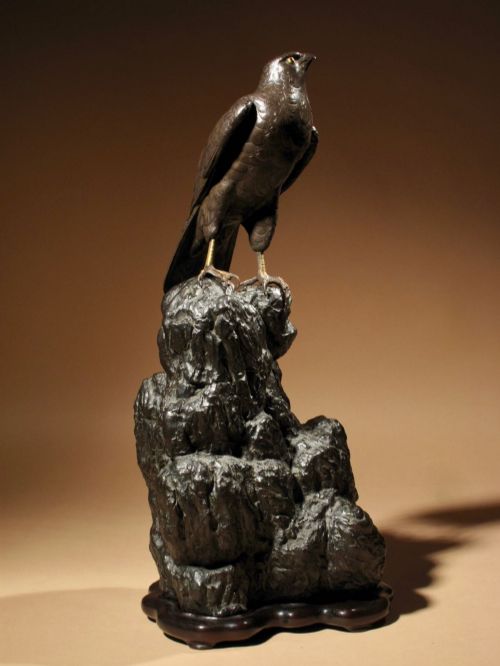
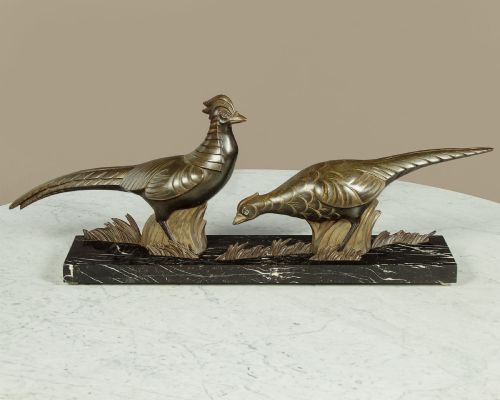
When you search for a patinated bronze bird, you encounter sculptural figures and vessel mounts depicting various fowl, raptors, and songbirds. The selections on this page range from French animalier groups and Art Deco pheasants to Japanese Meiji period okimono and vases adorned with cranes, eagles, and pigeons.
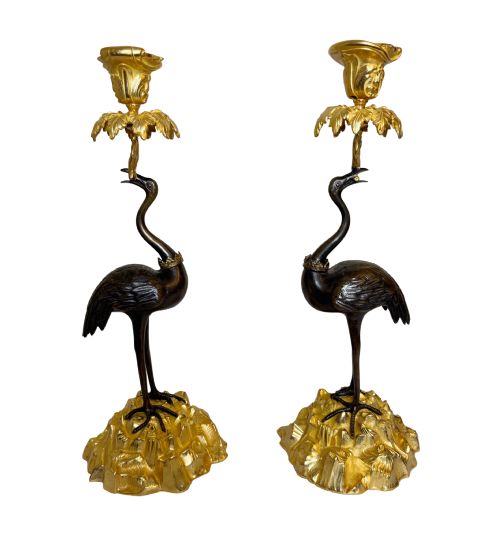
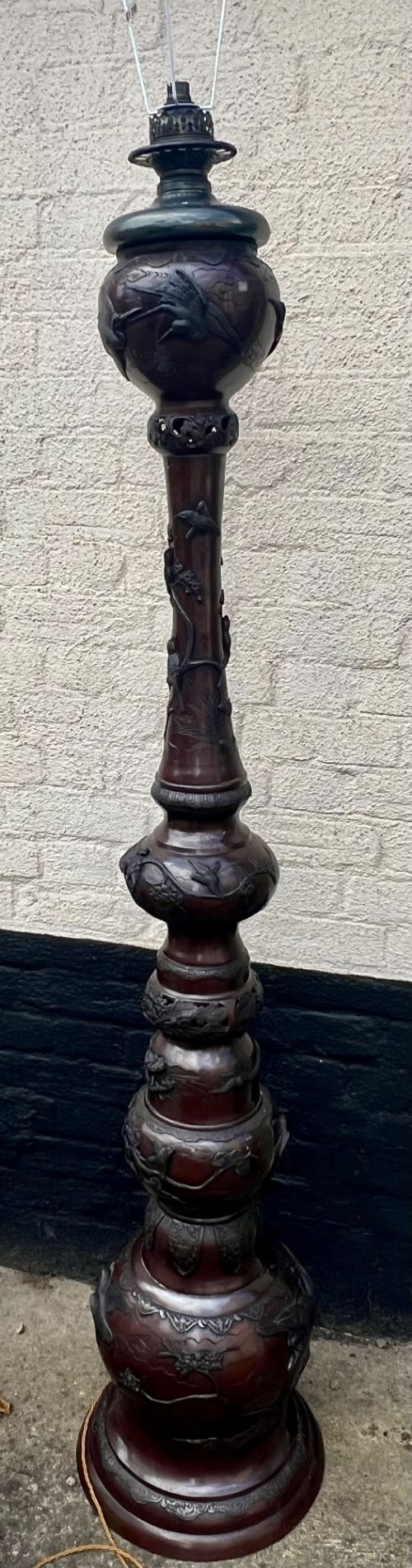
The domestic and decorative objects take many forms beyond standalone figures. Vases, floor lamps, candlesticks, and jardinières incorporate birds as handles, surface motifs, or structural elements, reflecting nineteenth-century and early twentieth-century tastes in European and Asian workshops.
How they were made
The pieces utilise cast bronze, sometimes enhanced with gilt or nickel finishes, combined with materials like marble and wood for bases. Foundries employed traditional casting methods, followed by chemical patination to produce varied surface tones from dark brown to verdigris.
Japanese works frequently incorporate mixed metal elements and detailed surface chasing on vases and okimono, while European animalier bronzes rely on precise modelling to capture anatomical details of feathers and wings.
Patinated Bronze Bird Retail Price Guide 2026
Typical asking prices for patinated bronze bird among the pieces listed under this phrase on Sellingantiques today, from the lower quarter to the upper quarter. They describe what is for sale here now, not the wider market.
Listings feature 19th-century, Victorian, and early 20th-century pieces, spanning periods from Regency to Art Deco and the Japanese Meiji era.
What varies in quality
Quality rests in the precision of the casting and the sensitivity of the finishing work. Superior examples exhibit crisp feather definition, balanced proportions, and careful patination that accentuates the sculptural forms without obscuring the metal beneath.
The distinction between standard decorative items and finer works lies in the artistry of the original model and the skill of the chaser who finished the raw casting. Heavier pieces with intricate, integrated details show greater workshop commitment.
Ferdinand Pautrot·Louis Emile Cana·Zoldan Kovats·Antoine Louis Barye·Christophe Fratin·Antoine Bofill·Auguste Moreau
The Patinated Bronze Bird Glossary
- Patinated bronze
- Bronze that has been treated with chemical solutions to alter its surface colour and tone. This process protects the metal and creates antiqued finishes ranging from deep browns to greens.
- Animalier
- A nineteenth-century artistic genre focused on the realistic depiction of animals. Sculptors in this tradition studied living subjects to capture natural movement.
- Okimono
- A Japanese decorative figurine designed for display in a household setting. These carved or cast objects often depict animals, birds, or figures from folklore.
- Meiji Period
- The era in Japanese history spanning from 1868 to 1912. Metalwork from this time is noted for technical mastery and intricate bird and floral motifs.
Patinated Bronze Bird: Frequently Asked Questions
How do I identify a Meiji period bird bronze?
Meiji period bird bronzes typically date between 1868 and 1912 and often feature realistic rendering of eagles, hawks, or cranes. They appear both as standalone okimono sculptures and as decorative motifs on vases and jardinières.
These pieces reflect the high standard of Japanese metalworking techniques from the era. They frequently incorporate mixed metals and detailed surface chasing.
What is an animalier bird sculpture?
Animalier bird sculptures are nineteenth-century European works focused on realistic portrayals of wildlife. Artists sought to capture birds in active poses, such as eagles devouring prey or pigeons resting.
French founders often cast these studies, marking them with foundry stamps or artist signatures. They served as decorative cabinet bronzes for nineteenth-century interiors.
How should I clean a patinated bronze?
Patinated bronzes require minimal maintenance to preserve their chemical surface treatment. Dusting with a soft, dry cloth prevents grime accumulation without disturbing the patina.
Avoid using metal polishes, water, or chemical cleaners, as these can strip away the aged finish. Wax can occasionally be applied if recommended for specific historical surfaces.
Where were these bird bronzes displayed?
Bird bronzes served varied domestic functions depending on their form. Floor lamps, candlesticks, and vases integrated bird motifs into functional household objects.
Standalone sculptures and posy vases were placed on mantelpieces, desks, or side tables. Art Deco figures from the 1930s often occupied prominent positions on modernist furniture.