




Patinated Bronze Bird Sculpture
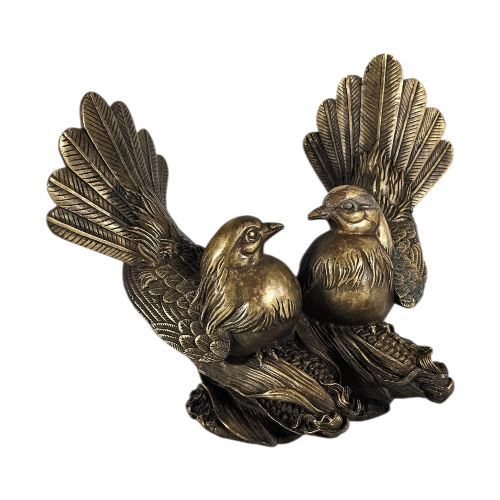
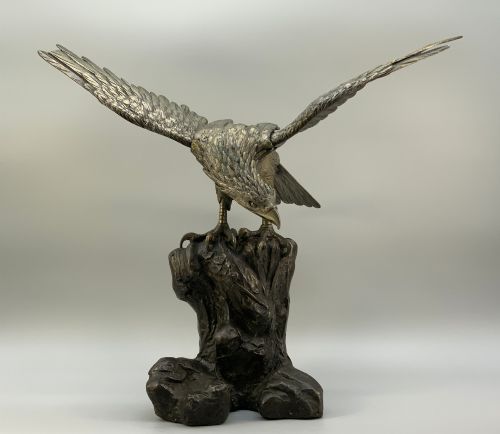
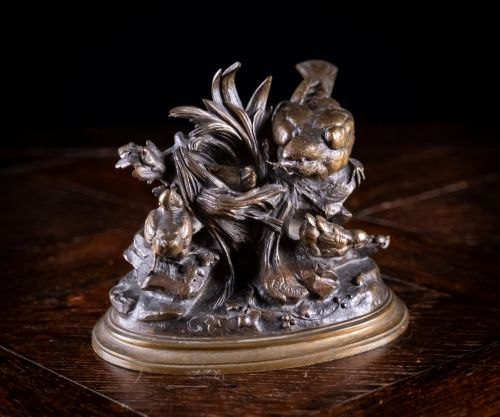
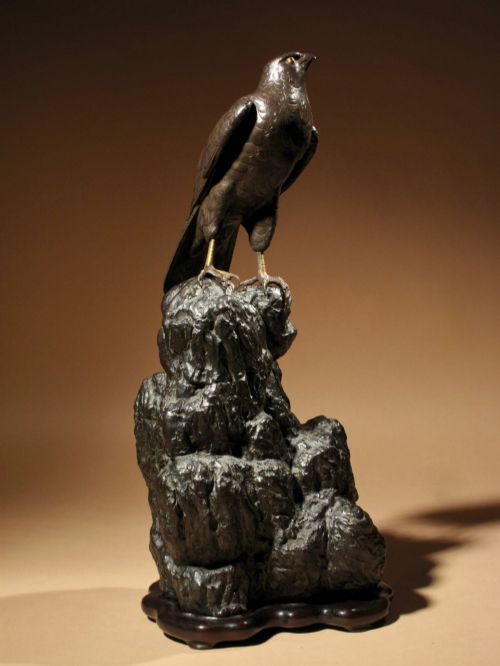
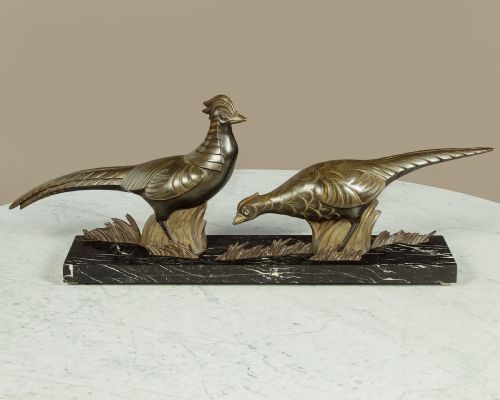
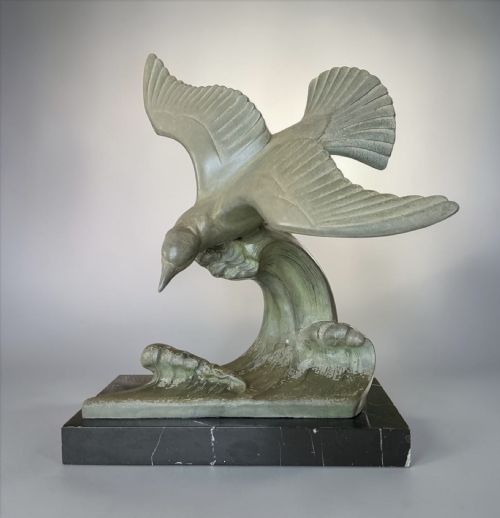
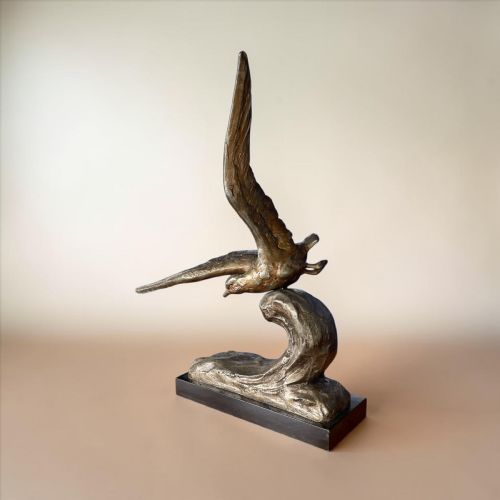
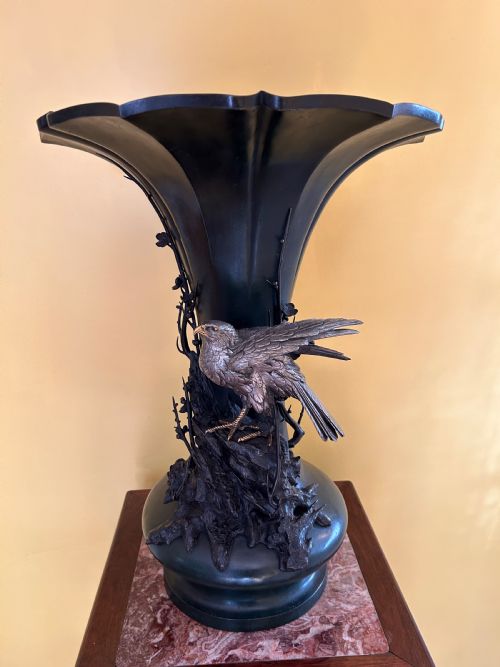
These patinated bronze bird sculpture pieces capture avian subjects in metal, bringing tactile weight and sculptural presence to any room.
Patinated Bronze Bird Sculpture
A patinated bronze bird sculpture depicts avian forms ranging from eagles and hawks to pheasants, pigeons, and cranes, shaped across various artistic movements. Buyers encounter nineteenth-century French Animalier bronzes, Japanese Meiji period okimono, and twentieth-century Art Deco creations. These works utilise metals mounted on bases of marble, stone, or wood, alongside related forms such as mixed metal vases.
The objects span periods from the mid-nineteenth century through the nineteen-thirties, reflecting diverse international casting traditions. French Animalier sculptors focus on naturalistic motion and predatory tension, while Japanese Meiji period pieces emphasise meticulous detail in plumage and posture. Art Deco works simplify these natural forms into stylised geometries characteristic of the period.
Materials and casting methods
Makers cast these pieces primarily in bronze, alongside variations in patinated metal, spelter, and mixed metals. Artists applied chemical patination to the metal surfaces to achieve varied tones, ranging from deep browns and blacks to golden highlights. Supporting elements incorporate natural materials including marble, black marble, stone, and wood for plinths and bases.
Foundries utilised traditional casting techniques, sometimes pairing bronze with mixed metals for colour variation within a single piece. Sculptors signed or marked their works, while workshops and foundries added stamps, foundry marks, or reign marks such as the Xuande mark. Final finishing involved hand-chasing the metal surface to refine feather details and textures before mounting.
Eagles devouring herons and pigeons bearing Xuande marks share space with art deco seagulls frozen in mid-flight.
Quality and execution
The standard of a patinated bronze bird sculpture rests upon the crispness of the casting and the sensitivity of the hand-chasing. Superior examples retain fine feather texturing, anatomical precision, and balanced composition without soft edges or obscured details. The application of the patina also dictates visual depth, where controlled chemical ageing enhances the contours of the bird.
The quality of the mount and the integration of secondary materials further differentiate the pieces. Fine sculptures feature secure unions between the bird and its base, whether that base is carved rock, marble, or wood. Recognised foundry stamps and documented maker attributions contribute to the standing of a piece within its period.
Louis Emile Cana·Barbedienne·Antoine Louis Barye·Antoine Bofill·Auguste Moreau·Paul Joris·Christophe Fratin·Ferdinand Pautrot
The Patinated Bronze Bird Sculpture Glossary
- Patinated bronze
- Bronze treated with chemical solutions to produce a specific surface colour and finish. This layer protects the metal and defines the visual tone of the sculpture.
- Animalier
- A nineteenth-century artistic movement focused on the realistic depiction of animals. Sculptors in this tradition studied anatomy closely to capture movement and behaviour.
- Okimono
- A Japanese decorative object intended for display in a tokonoma alcove or on a shelf. These pieces demonstrate high levels of craftsmanship in metalworking.
- Spelter
- A zinc-based alloy used as a less expensive alternative to bronze. It accepts patination similarly to bronze but possesses different weight and durability characteristics.
- Foundry mark
- A stamp or signature applied by the casting workshop to identify where the metal was poured. These marks help verify the production origin of the sculpture.
Patinated Bronze Bird Sculpture: Frequently Asked Questions
What is an animalier bronze bird?
An animalier bronze bird is a nineteenth-century sculpture focused on realistic wildlife observation and natural behaviour. These works concentrate on birds of prey or garden birds captured in active poses.
French sculptors dominated this genre, producing detailed studies of eagles, hawks, and herons cast in bronze and finished with dark patination.
How do I identify a Meiji period bronze?
Meiji period bronzes originate from Japan between eighteen sixty-eight and nineteen twelve, often taking the form of detailed okimono. They display exceptional attention to feather structure and stance.
Many of these Japanese pieces utilise mixed metals or bear signature plaques on the underside or base of the sculpture.
What does patinated metal mean?
Patinated metal refers to a surface finish achieved through chemical treatment or oxidation of the bronze or spelter. This process darkens or colours the metal to simulate age and enhance sculptural depth.
Artists controlled the patination to highlight the texture of feathers and the ruggedness of the rocks or branches beneath the birds.
How should I clean a bronze bird sculpture?
Dust the sculpture gently with a soft, dry brush to prevent particulate buildup on the patinated surface. Avoid liquid cleaners, oils, or abrasive cloths that can strip the chemical patina.
Maintain stable indoor humidity to protect both the metal sculpture and any associated marble, stone, or wooden bases.