

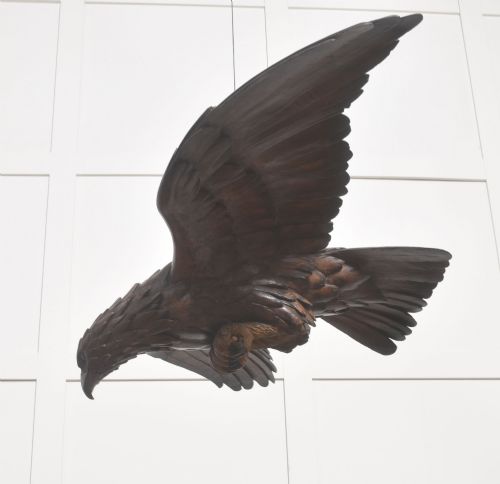
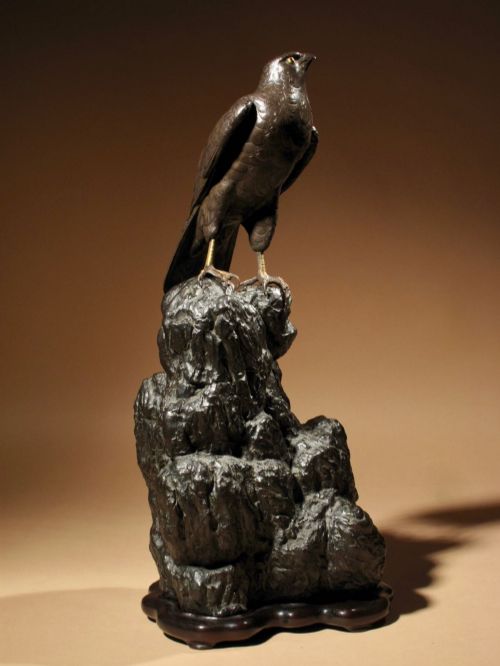


Dark Brown Eagle Sculpture
These dark brown eagle sculpture pieces bring powerful avian forms into a room, carved from deep woods or cast in patinated bronze by makers from the eighteenth and nineteenth centuries.
Dark Brown Eagle Sculpture
A dark brown eagle sculpture encompasses various historical forms, from grand ecclesiastical lecterns and console tables to freestanding animalier bronzes and Black Forest wood carvings. When you search for a dark brown eagle sculpture, you encounter powerful depictions of birds with outstretched wings, perched on rocks, or serving as the traditional symbol of Saint John.
The pieces on this page span the eighteenth and nineteenth centuries, originating from European workshops, French foundries, and Japanese studios. You are most likely to meet substantial wooden carvings and patinated bronzes that display deep brown tones through natural ageing, dark stains, or applied patination.
Makers from distinct traditions approached the subject with varying focus, creating everything from fierce birds of prey to functional church furniture. Each item reflects the aesthetic of its period, utilising the natural grain of oak and walnut or the detailed casting capabilities of bronze.
Materials and methods
Makers shaped these sculptures primarily from carved wood such as oak, walnut, and regional timbers associated with Black Forest production. Artisans utilised hand chisels to define the intricate feather patterns and muscular forms seen in the wooden lecterns and console tables.
Bronze sculptures relied on traditional casting methods, often utilising patination to achieve deep brown surfaces that mimic the natural plumage of birds. Foundry workers applied chemical treatments to molten or finished metal, resulting in lasting dark tones that accentuate the modelling of the wings and talons.
Certain works incorporate mixed media, pairing cast bronze figures with root wood bases to create textured compositions. Skilled hands finished each piece by hand, ensuring that the natural characteristics of the timber or metal remained prominent.
Dark Brown Eagle Sculpture Retail Price Guide 2026
Typical asking prices for dark brown eagle sculpture among the pieces listed under this phrase on Sellingantiques today, from the lower quarter to the upper quarter. They describe what is for sale here now, not the wider market.
Listings for this phrase include works from the eighteenth and nineteenth centuries, spanning carved wood, patinated bronze, oak, and walnut.
Judging quality in historic carvings and bronzes
Quality in these sculptures rests upon the anatomical precision and expressive force of the carving or casting. Finer pieces demonstrate a deep understanding of avian musculature and posture, whereas simpler works rely on rigid symmetry and repetitive chisel marks.
The depth and nuance of the surface finish also separate superior examples from standard production. Rich, undisturbed patination on bronze or well-maintained grain and dark stain on wood indicates a higher standard of original craftsmanship and subsequent preservation.
Antoine Louis Barye·Barbedienne·Gyoko
The Dark Brown Eagle Sculpture Glossary
- Animalier
- A nineteenth-century artistic movement focused on the realistic depiction of animals. Sculptors in this tradition studied anatomy closely to capture creatures in dynamic or resting poses.
- Black Forest carving
- A style of intricate wood sculpture originating from the wooded mountain region of central Europe. These pieces typically depict local fauna and wildlife with detailed, textured surfaces.
- Lectern
- A tall reading desk with a slanted top, often supported by a carved wooden eagle. In ecclesiastical contexts, the bird represents the Gospel of John.
- Patinated bronze
- Metal sculpture treated with chemical solutions to produce a specific surface colour and tone. This process protects the metal while enhancing the visual depth of the modelled feathers and rock bases.
- Meiji Period
- A Japanese historical era marked by significant opening to international trade and artistic exchange. Metalworkers during this time produced highly detailed bronze sculptures for global collectors.
Dark Brown Eagle Sculpture: Frequently Asked Questions
What were eagle lecterns used for?
Historic eagle lecterns served a primary role in churches to hold the Bible during services. The outstretched wings of the bird provided a natural sloping surface for large service books.
Over time, many of these ecclesiastical pieces transitioned into secular interiors as dramatic architectural furniture or standalone display stands.
How do I care for a wood eagle carving?
Maintain wooden sculptures by keeping them away from direct sunlight and sudden temperature shifts. Dust the intricate feather carvings gently with a soft, dry brush.
Apply occasional appropriate wax polish only if the wood appears dry, following the natural grain of the timber.
What is the difference between a bronze and a wood sculpture?
Bronze pieces involve metal casting techniques that allow for sharp anatomical detail and durable patinated surfaces. These works often depict birds on rocky crags or as part of animalier compositions.
Wood sculptures rely on hand carving through oak, walnut, or stained timber, producing softer textures and heavier structural forms suitable for furniture integration.
How can I tell a nineteenth-century piece from an eighteenth-century one?
Eighteenth-century works often exhibit deeper ecclesiastical origins, such as hand-carved oak lecterns tied to specific liturgical functions. The tool marks and joinery reflect earlier workshop practices.
Nineteenth-century examples frequently showcase the rise of industrial bronze foundries like Barbedienne or the prolific wood-carving traditions of the Black Forest and Meiji periods.