
French Animalier Bronze Statue
When you handle a french animalier bronze statue, you hold a piece of nineteenth and twentieth-century animal sculpture that brings real physical presence to a desk or mantelpiece.
French Animalier Bronze Statue
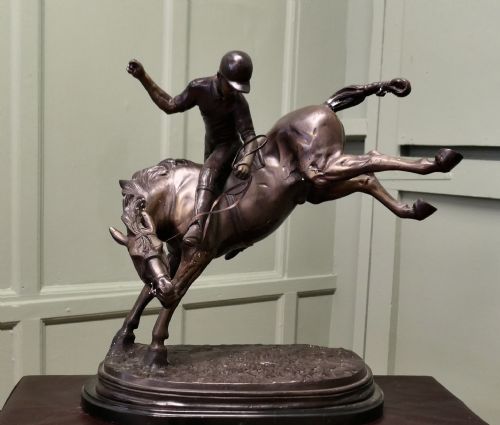
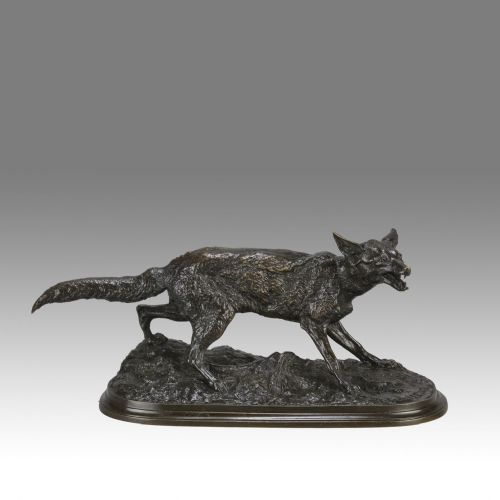
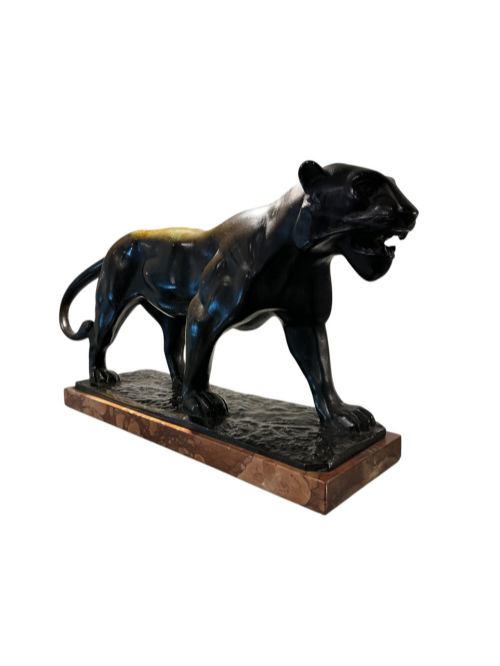
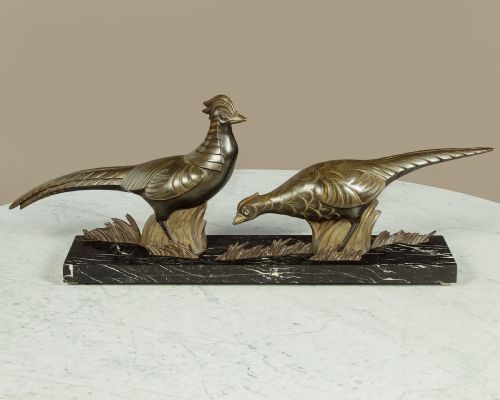
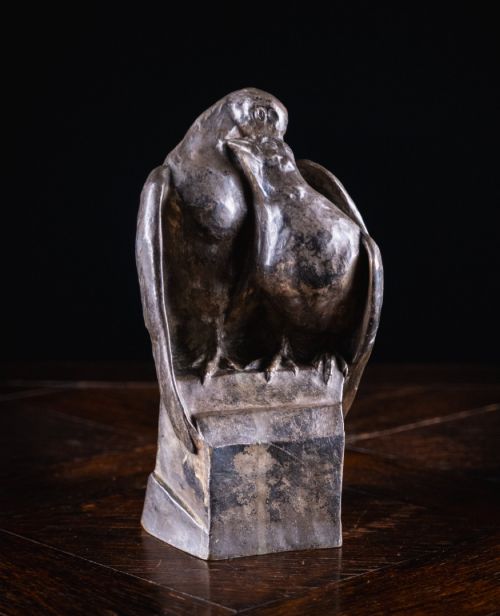
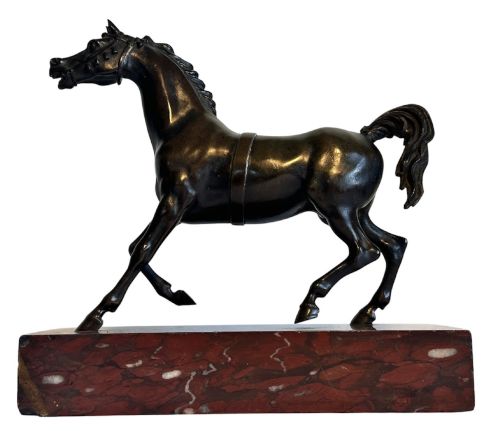
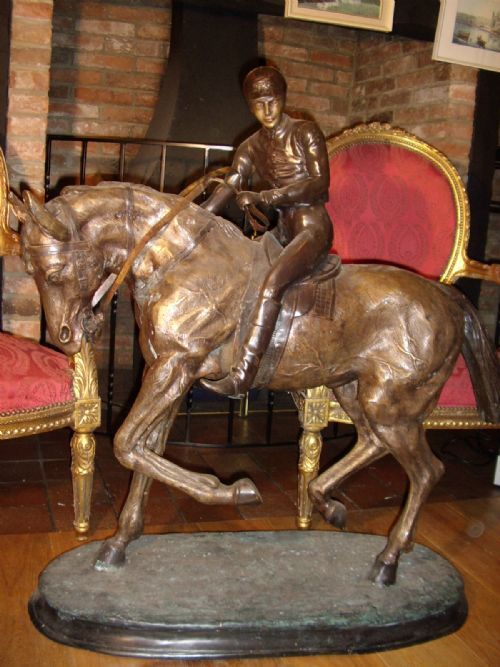
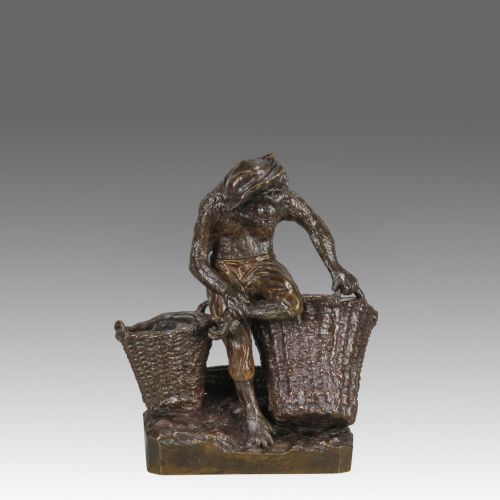
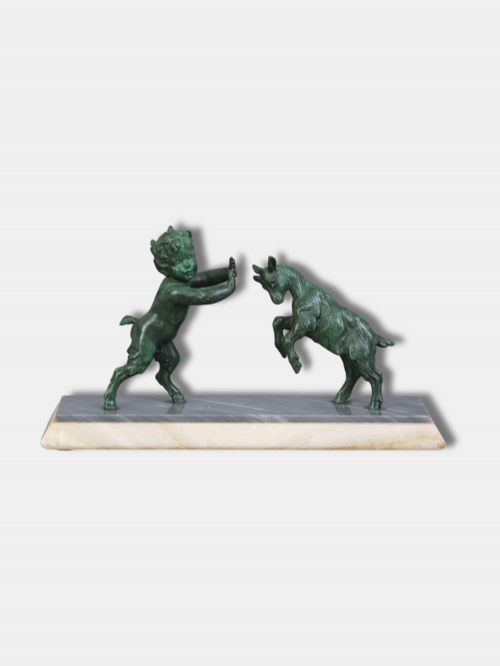
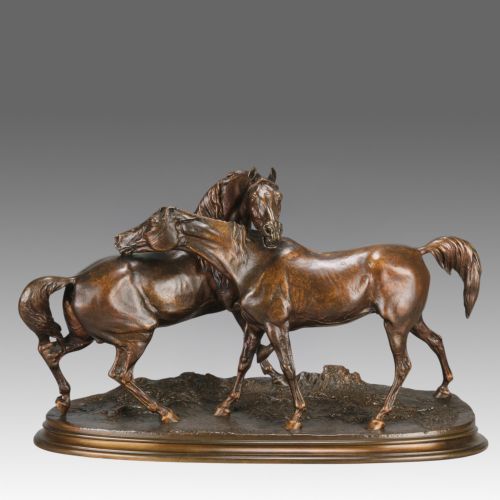
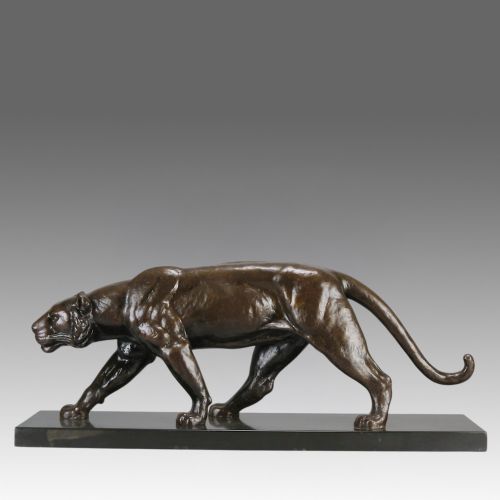
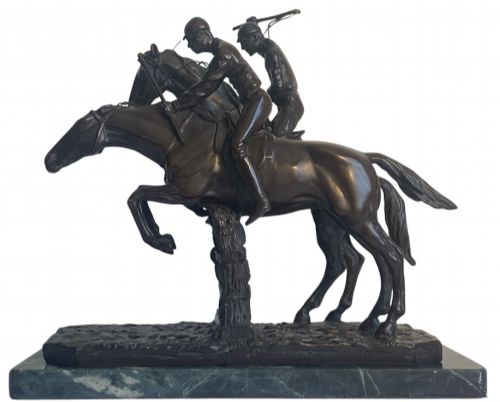
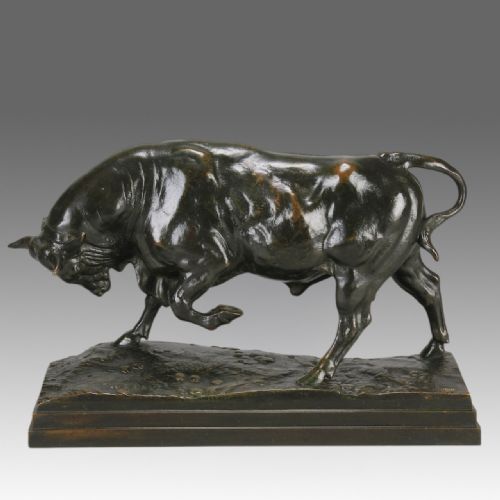
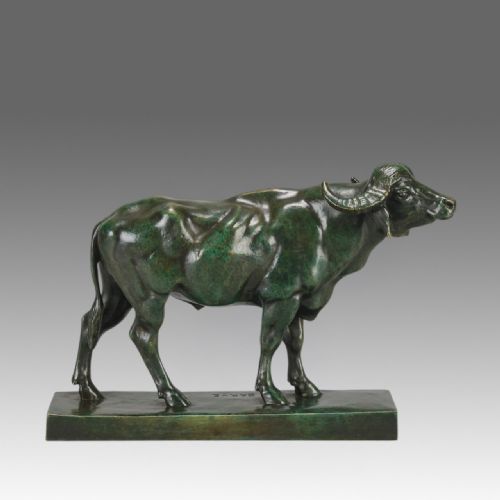
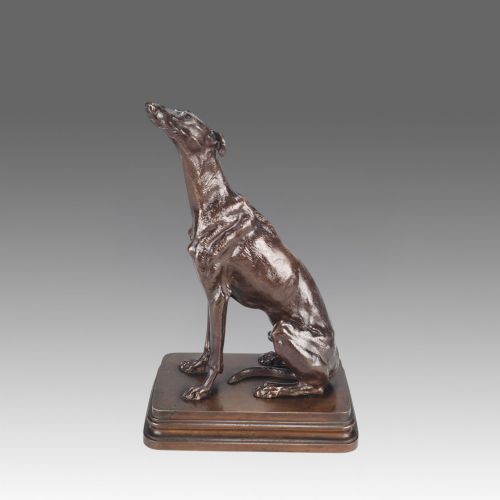
A french animalier bronze statue captures animals and figures in realistic or stylised forms, spanning the nineteenth century through to the art deco period. You will find horses, dogs, big cats, birds and human figures engaged in action or repose.
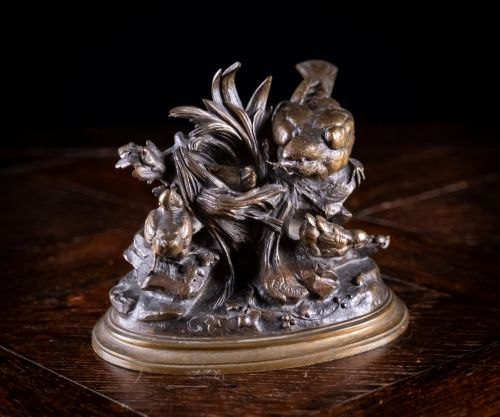
The pieces on this page appear as standalone sculptures, inkstands and groups mounted on materials like marble and onyx. Most date from the nineteenth century or the early decades of the twentieth century.
How they were made
These works use bronze cast through traditional foundry methods, finished with patinated surfaces, gilt bronze, or nickel bronze. Many examples combine the cast metal with heavy stone plinths such as marble and onyx.
Foundries applied chemical patination to achieve deep brown, black or greenish tones on the metal surface, highlighting musculature and feather detail. Ormolu and gilt treatments also appear on decorative items like inkstands.
Current listings feature materials including bronze, marble, patinated bronze, gilt bronze, onyx, ormolu, patinated metal and nickel bronze across the nineteenth and twentieth centuries.
What varies in quality
Quality rests in the crispness of the chase work, where the metalworker refines the raw cast with chisels and files to define fur, feather and expression. Weaker examples show soft details and smoothed-over textures.
The weight and selection of the base material also mark the standard of the piece, as denser marbles and well-fitted mounts complement the bronze rather than distract from it.
P J Mêne·Christophe Fratin·Antoine Louis Barye·Alfred Dubucand·Jules Moigniez·Alexandre Ouline·Prosper Lecourtier
The French Animalier Bronze Statue Glossary
- Animalier
- A nineteenth-century artistic movement dedicated to the realistic representation of animals. Practitioners studied subjects in menageries and rural settings.
- Patination
- The chemical treatment applied to the surface of bronze to alter its colour. This layer protects the metal and defines the visual tone.
- Ormolu
- Finely ground high-carat gold applied to a bronze base using a mercury amalgam. It creates a bright golden finish seen on decorative mounts and inkstands.
- Cire Perdue
- The lost-wax casting method that allows for intricate detail and undercut forms in bronze sculpture. Each mould is typically destroyed during the removal of the cast.
French Animalier Bronze Statue: Frequently Asked Questions
What is a french animalier bronze statue?
These sculptures depict animals, birds and human figures, produced predominantly by French artists and foundries during the nineteenth and early twentieth centuries.
They range from naturalistic studies of dogs and horses to stylised art deco panthers and birds mounted on stone bases.
How do I care for my bronze?
Dust the surface gently with a soft, dry cloth to prevent the accumulation of grit in the recesses of the patination.
Avoid using water, polishes or chemical cleaners, as these can strip the original patina and damage the metal.
Are these pieces signed?
Many examples bear the cast signature of the sculptor on the bronze base or plinth. Foundry marks and stamps can also appear alongside the artist's name.
Signatures confirm the design attribution, though posthumous casts exist alongside lifetime editions.
What bases do they use?
Sculptures often feature integral bronze plinths or rest on fitted bases made of marble, onyx or slate. These stone mounts provide stability and visual contrast to the dark patinated metal.
Some smaller animal studies sit directly on wooden or marble plinths designed to complement the composition.