

Bronze Animal Desk Ornament
A bronze animal desk ornament brings life and tactile weight to a writing surface through miniature foundry work spanning the nineteenth and early twentieth centuries.
Bronze Animal Desk Ornament
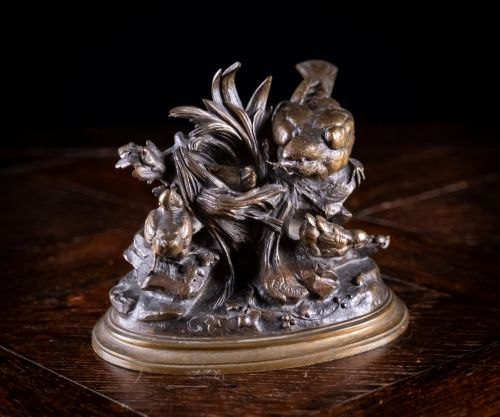
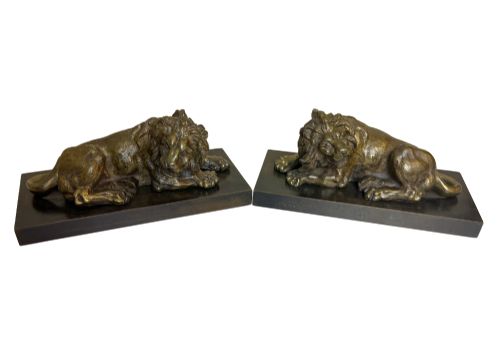
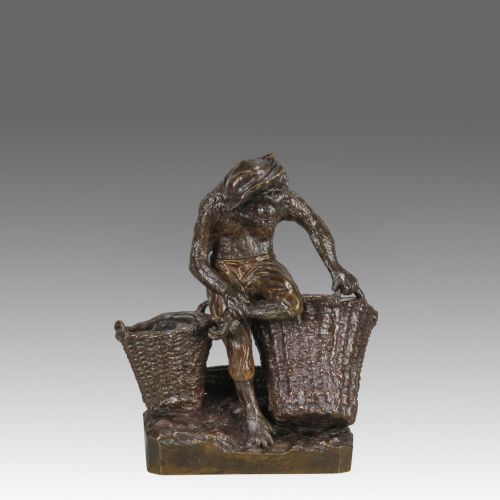
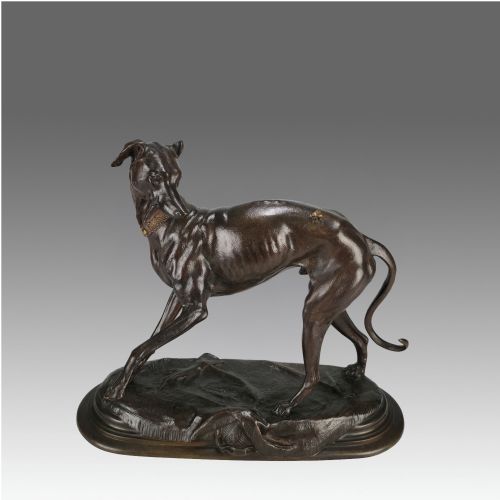
A bronze animal desk ornament typically manifests as a sculptural study of a creature, ranging from domestic dogs and farm animals to wild predators and birds, often integrated into functional items like inkwells or paperweights. Buyers search this phrase to find small metal sculptures that served practical purposes on nineteenth and early twentieth-century desks.
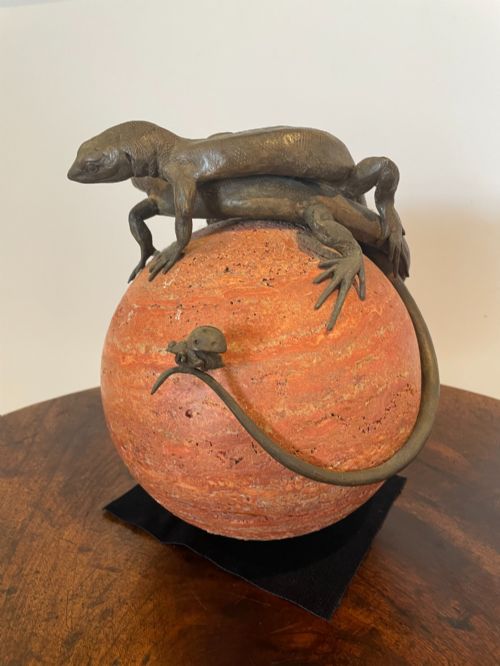
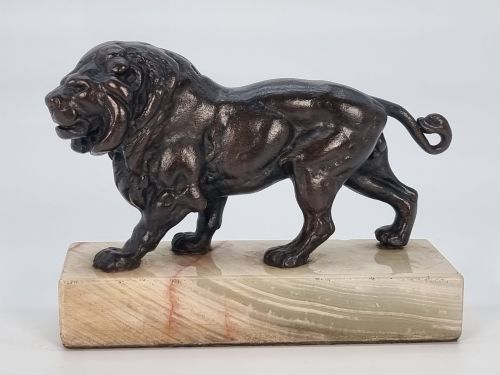
The pieces available here lean heavily into Victorian and early twentieth-century production, drawing from French Animalier traditions and Austrian cold-painted workshops. Examples frequently incorporate bases of marble, onyx, or wood to elevate the metal figure for display on a writing table.
Origin points span French Parisian foundries, Austrian workshops, and Asian export pieces, giving buyers a diverse geographic spread of period metalwork. Figures stand independently or anchor desk accessories such as inkwells and trays.
Materials and Technique
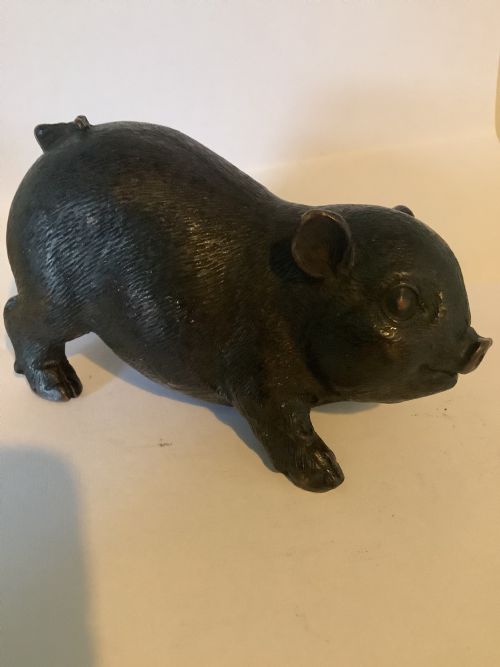
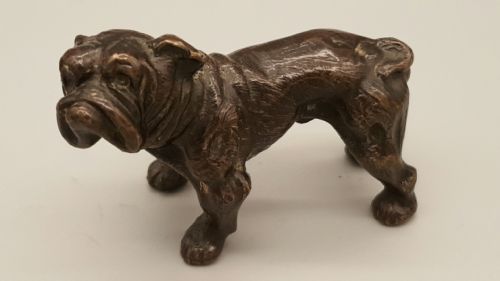
Foundries utilised traditional lost-wax casting or sand casting methods to shape bronze into realistic animal forms, followed by hand-chasing to define fur, feathers, and muscular detail. Patination techniques applied chemical treatments to create dark brown, green, or black surface tones.
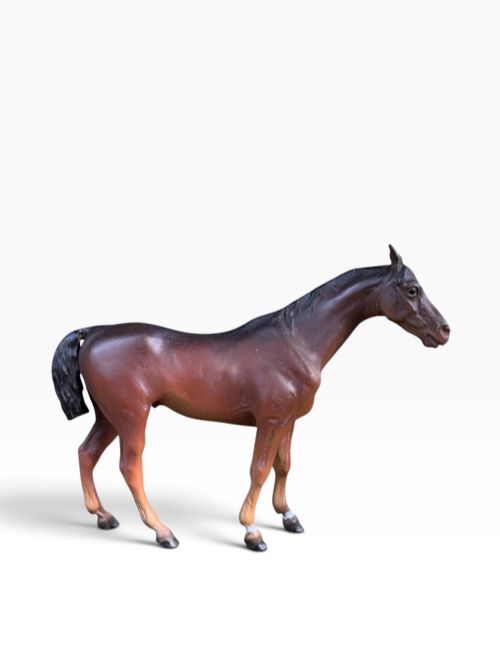
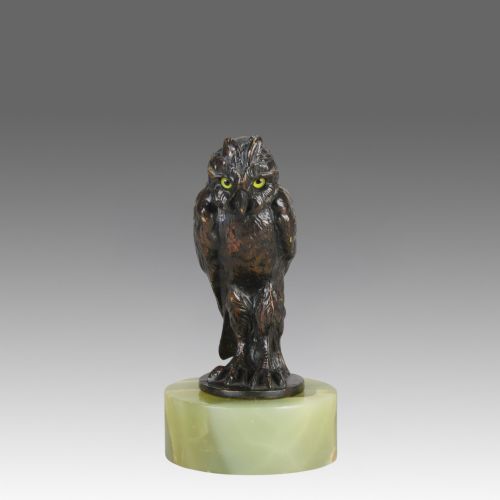
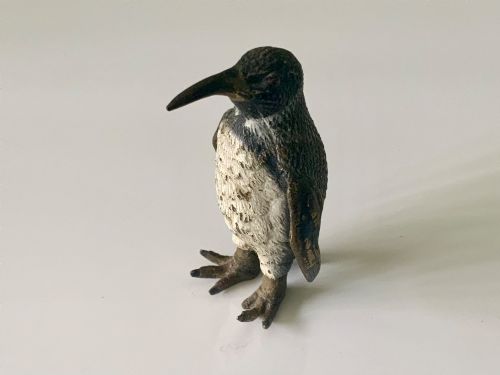
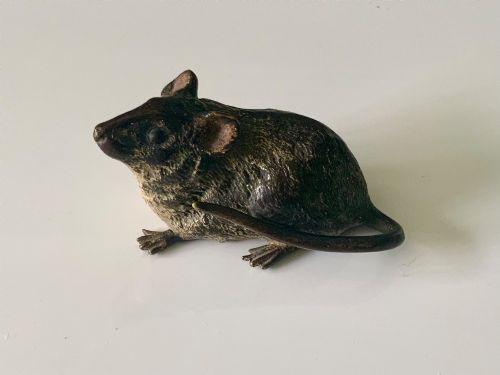
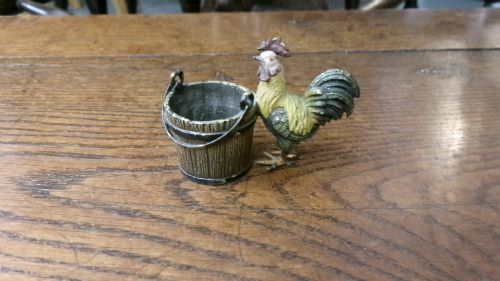
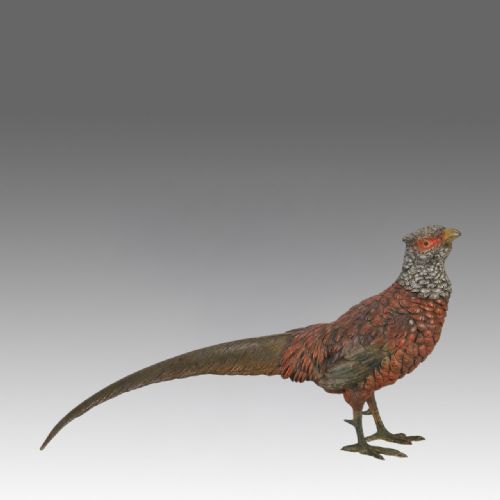
Austrian workshops introduced cold-painting, applying layers of polychrome oil paint directly onto unheated bronze surfaces to render birds and dogs with vivid coloration. Gilt bronze, silvered bronze, and paint finishes appear alongside natural patinated metal.
Mounting techniques secured the metal sculptures to heavy plinths of green or black marble and onyx using threaded pins or nuts, adding stability for desk use.
Listings feature nineteen-century and early twentieth-century items utilising bronze, marble, onyx, and cold-painted finishes.
Quality and Execution
Surface finish preservation dictates grade, particularly in cold-painted pieces where original polychrome pigment survives largely intact without extensive flaking or overpainting. The quality of the stone base, whether finely polished marble or simple turned wood, also aligns with the standard of the cast above it.
Signature markings and foundry stamps connect specific pieces to recognised ateliers or sculptors, elevating the authority of the casting.
Louis Emile Cana·Christophe Fratin·Antoine Louis Barye·Alfred Barye·Franz Bergman·Clovis Masson·Isidore Bonheur·Edith Parsons·Arthur Waagen
The Bronze Animal Desk Ornament Glossary
- Animalier
- A nineteenth-century artistic movement focused on the realistic depiction of animals, particularly predators and game in motion. Sculptors in this tradition studied anatomy closely at menageries.
- Cold-painted bronze
- A technique where bronze figures receive applications of cold paint without subsequent kiln firing. This finish requires careful handling to prevent loss of pigment over time.
- Patina
- The surface coloration and sheen developed on bronze either through natural oxidation or chemical treatments applied by the foundry. It protects the metal while defining highlights and shadows.
- Grand Tour
- A cultural journey undertaken by nineteenth-century Europeans who collected small bronzes and classical antiquities as souvenirs. These pieces often depict mythological or historical subjects.
- Lost-wax casting
- A metal-casting method where a model is encased in wax, melted out, and replaced with molten bronze. This allows for intricate undercuts and fine surface detail.
Bronze Animal Desk Ornament: Frequently Asked Questions
What is a cold-painted bronze?
A cold-painted bronze is a metal sculpture finished with oil-based paints applied after the casting process rather than fired in a kiln.
This technique was especially popular in Austrian workshops to create vibrantly coloured birds, dogs, and decorative figures.
How were these ornaments used?
These small sculptures sat on writing desks to function as paperweights, decorative accents, or components of inkwells.
Their substantial metal weight kept loose papers secure while adding an ornamental touch to nineteenth-century studies.
How do I care for a bronze desk ornament?
Bronze requires minimal maintenance, needing only gentle dusting with a soft, dry cloth to prevent dirt accumulation.
Harsh cleaning products and polishes must be avoided to protect the original patination or cold-painted surfaces from damage.
How do I identify French Animalier bronzes?
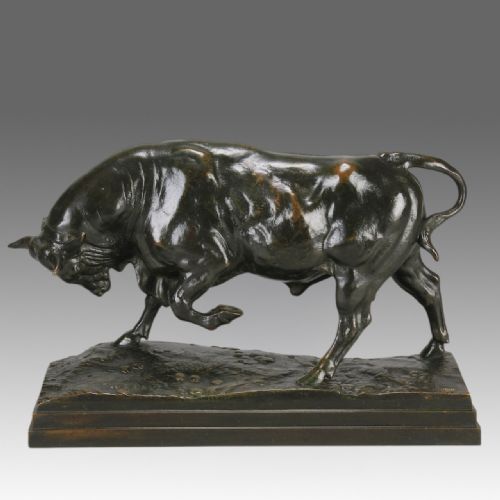
French Animalier pieces typically display realistic musculature, dynamic poses, and foundry stamps or artist signatures along the naturalistic base.
These sculptures focus on the accurate behaviour of wild and domestic animals as observed by nineteenth-century artists.