





Parquetry Walnut Writing Desk
A parquetry walnut writing desk combines geometric wood veneers with a dedicated workspace, offering both practical surface area and decorative interest for the home.

Parquetry Walnut Writing Desk
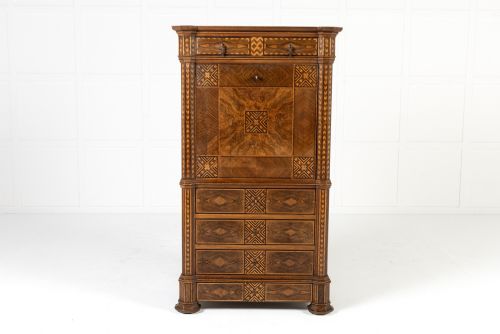
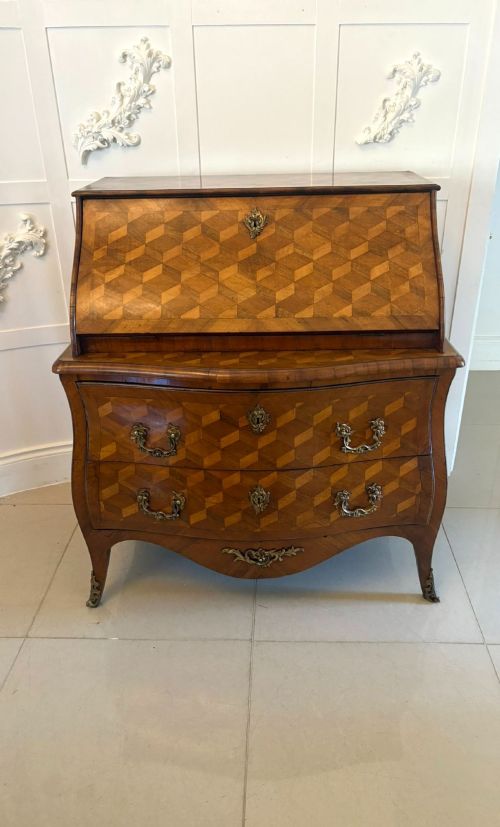
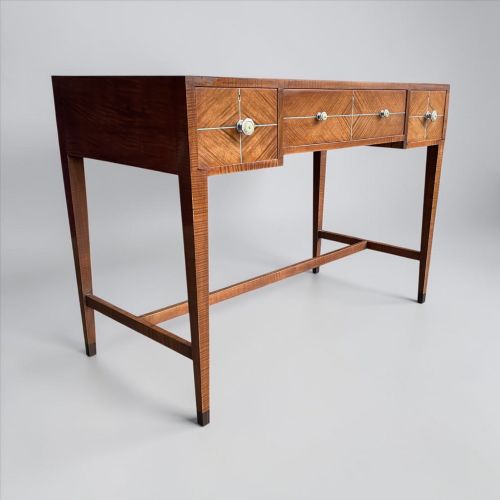
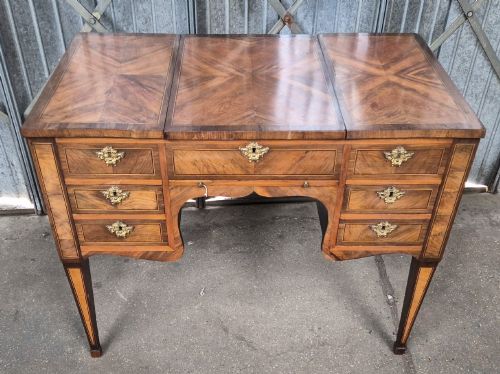
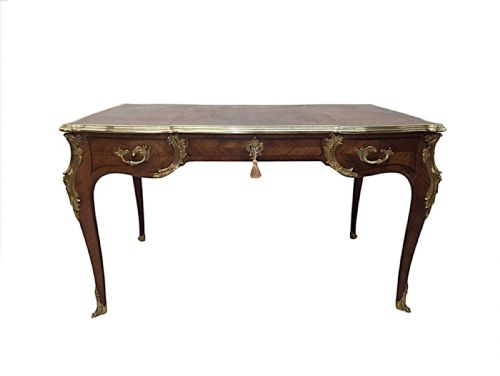
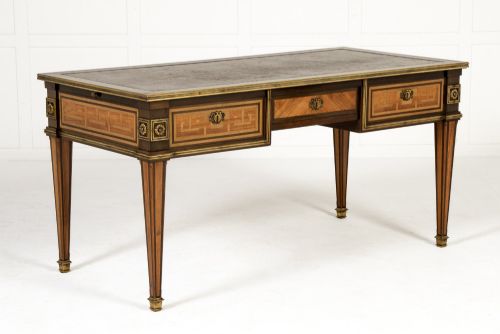
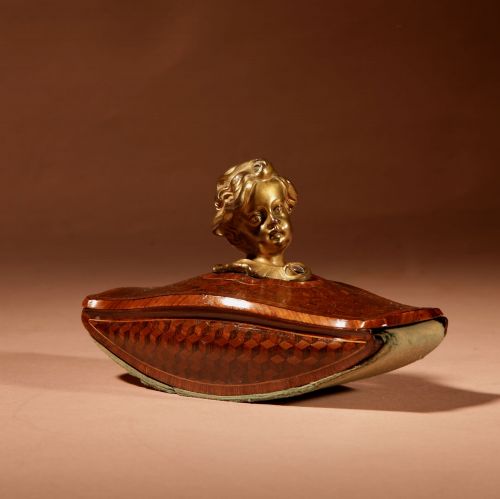
A parquetry walnut writing desk is a form of antique furniture designed for correspondence and paperwork, featuring patterned wood veneer surfaces. These pieces emerge in various forms within the records, from large bureau plat tables and secretaire abattant desks to smaller writing slopes and portable lap desks.
The selections span multiple eras, most notably the nineteenth and eighteenth centuries alongside later revival periods up to nineteen thirty. Common stylistic influences include Louis XV and Louis XVI revivals, French chateau aesthetics, and occasional Art Deco interpretations.
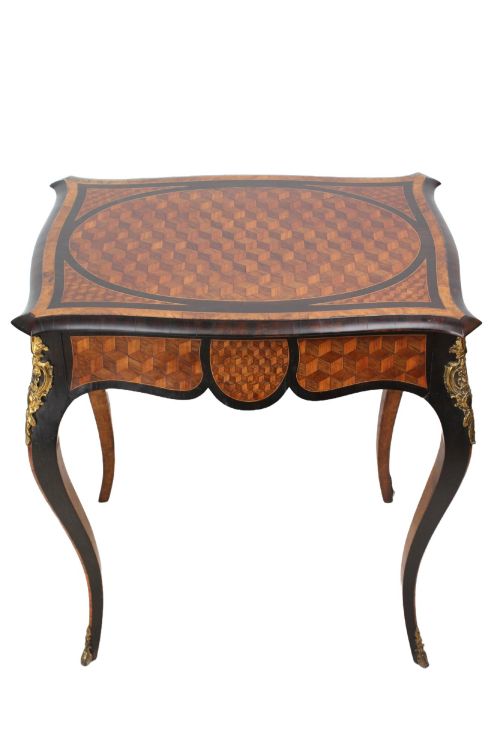
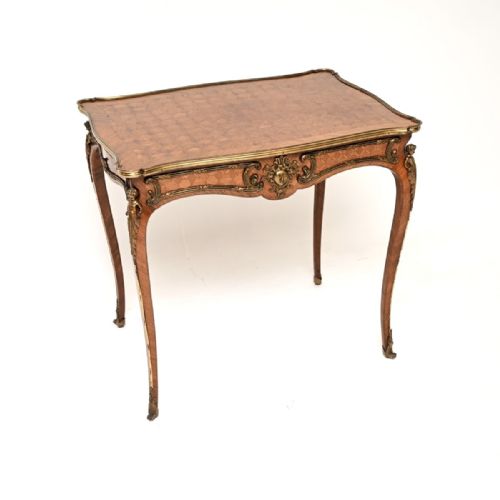
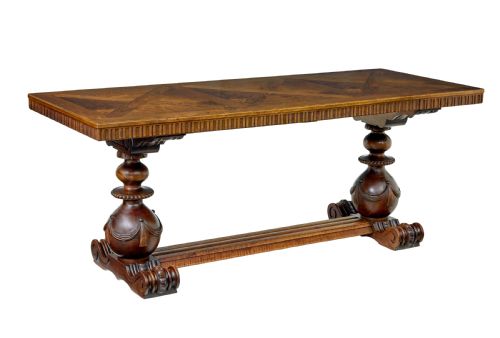
Buyers will encounter freestanding centre tables, bureau plat models, and specialised writing furniture incorporating drawers and compartments. Walnut serves as the primary timber, frequently enhanced with contrasting woods and geometric veneer arrangements.
Distinguishing quality in walnut writing furniture
Quality in a parquetry walnut writing desk rests on the precision of the geometric veneer work and the selection of the timber figures. The alignment of the wood blocks and the complexity of the parquetry pattern demonstrate the maker's technical skill.
The integration of metal mounts, such as ormolu or gilt bronze, and the quality of the underlying carcase construction differentiate standard items from finer examples. Proportion, stability, and the retention of original brass hardware or leather writing surfaces further define the standard of execution.
Parquetry Walnut Writing Desk Retail Price Guide 2026
Typical asking prices for parquetry walnut writing desk among the pieces listed under this phrase on Sellingantiques today, from the lower quarter to the upper quarter. They describe what is for sale here now, not the wider market.
Listings feature nineteenth and eighteenth century examples alongside nineteen twenties and thirties pieces, using walnut, rosewood, kingwood, and brass.
JAS Shoolbred·Edmund Nye·Maurice Dufrêne
The Parquetry Walnut Writing Desk Glossary
- Parquetry
- A geometric mosaic of wood veneers used to decorate furniture surfaces. It differs from marquetry by employing strictly angular or geometric patterns rather than pictorial scenes.
- Secretaire abattant
- A tall upright writing desk featuring a drop-front panel that conceals an interior fitted with small drawers and pigeonholes. These pieces frequently incorporate marble tops.
- Ormolu
- Gilt bronze mounts applied to the corners, feet, and aprons of antique furniture. This decorative technique is particularly common in French nineteenth century pieces.
- Writing slope
- A portable box with a slanted lid designed for correspondence, opening to reveal a velvet or leather lined writing surface and compartments for stationery.
Parquetry Walnut Writing Desk: Frequently Asked Questions
What is a bureau plat?
A bureau plat is a freestanding writing table with a flat top and one or more rows of drawers beneath the writing surface. These desks originated in France and often feature decorative mounts.
They are typically finished on all sides so they can stand in the middle of a room rather than against a wall.
How do I care for walnut veneer?
Walnut furniture requires protection from direct sunlight and extreme humidity changes to prevent the wood from fading or the veneer from lifting. Regular dusting with a soft, dry cloth maintains the surface.
Avoid using silicone-based polishes or harsh chemical cleaners, opting instead for traditional beeswax applied sparingly.
What distinguishes parquetry from marquetry?
Parquetry consists of geometric wood pieces arranged to form patterns such as cubes, lozenges, or chequers. It relies on the natural grain and colour variations of the timber.
Marquetry, by contrast, uses inlaid veneers to create pictorial designs of flowers, landscapes, or figures.
Where were these desks used?
These desks served primarily in private studies, libraries, and principal reception rooms for managing correspondence, accounts, and personal writing. Portable writing slopes allowed travellers to write letters away from home.
In larger houses, freestanding centre tables and bureau plat desks functioned as central decorative and functional pieces.