




Parian Porcelain Classical Sculpture
Parian porcelain classical sculpture captures the smooth, marble-like finish of antiquity through Victorian ceramic mastery.
Parian Porcelain Classical Sculpture
These pieces are Victorian sculptural works modelled after classical subjects, literary heroines, and historical figures. When you search for parian porcelain classical sculpture, you encounter figures, busts, and larger studies created during the nineteenth century.
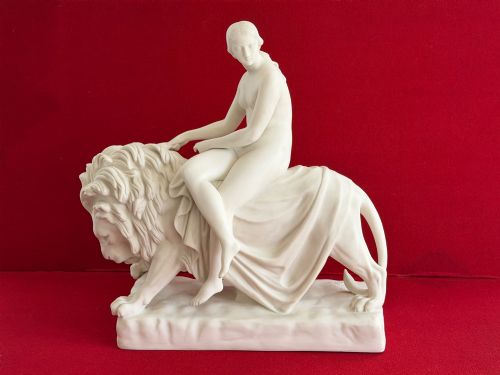
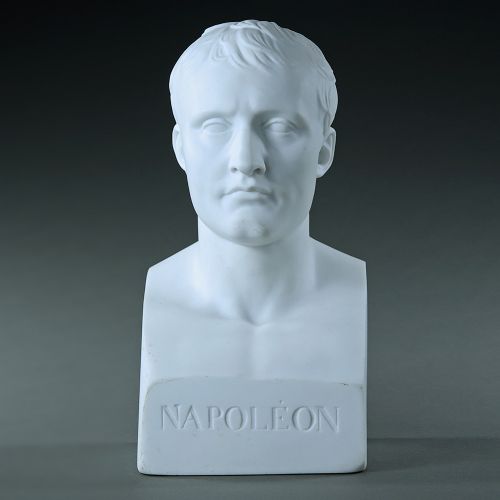
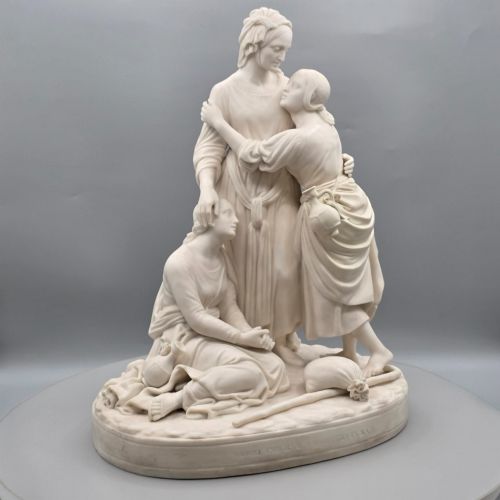
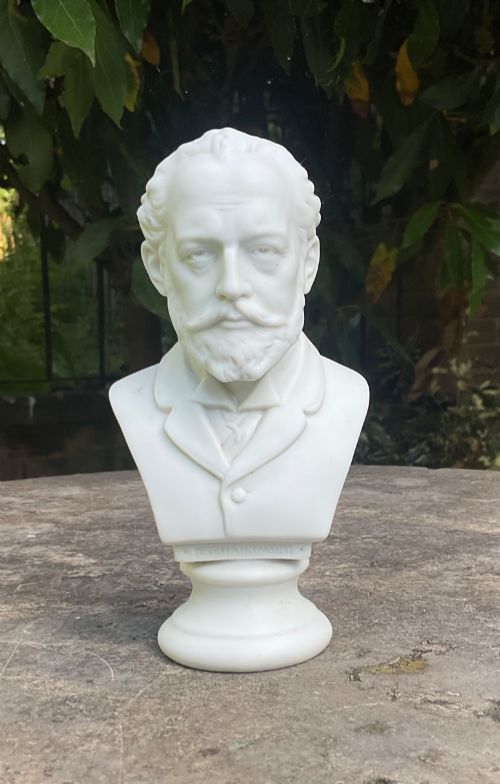
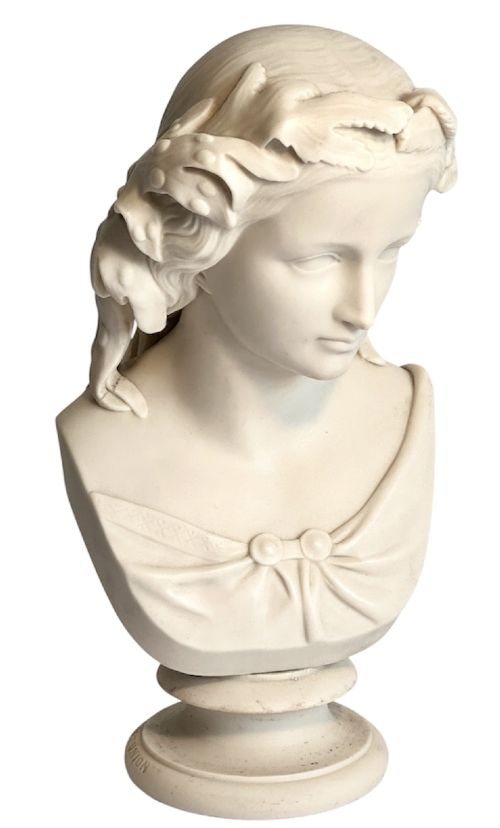
The objects on this page range from modest portrait busts of figures like Tchaikovsky and Princess Alexandra to complex allegorical figure groups such as Una and the Lion and Ariadne and the Panther. Most examples date from the middle to late nineteenth century, reflecting the period's intense enthusiasm for classical subjects.
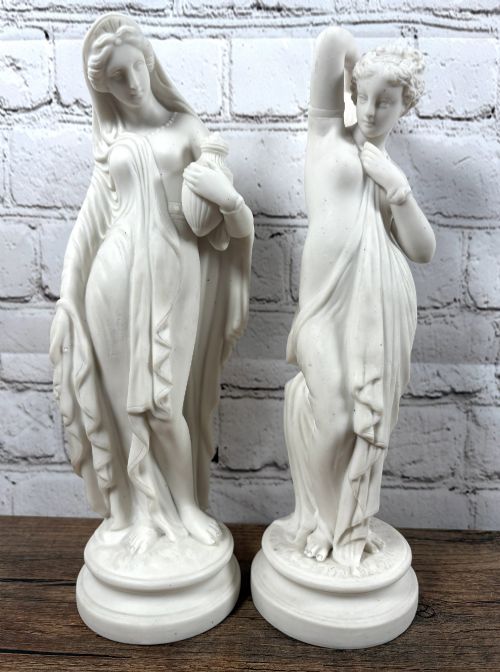
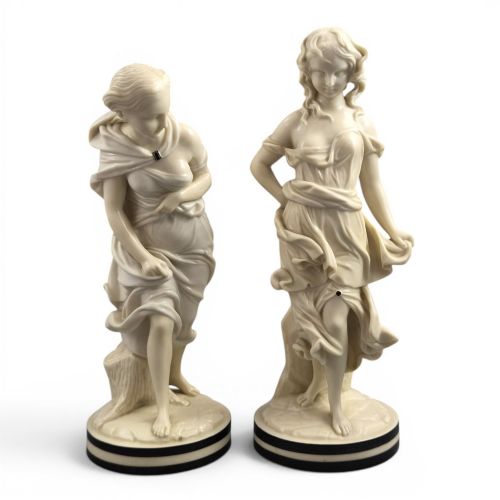
The dominant forms are standalone figures and portrait busts that emulate carved white marble without the accompanying weight or cost. Makers translated mythological deities, literary heroines, and contemporary royals into this specialised ceramic body.
How they were made
Makers produced these works using a specialised unglazed ceramic body known as parian, porcelain, bisque porcelain, or biscuit ceramic. This material required careful firing to achieve a matte, fine-grained surface that closely mimics carved marble.
Potters cast the liquid slip into intricate multi-part plaster moulds, allowing complex details of drapery, hair, and facial expression to emerge cleanly upon removal. After the initial firing, skilled artisans chased and finished the surface by hand to sharpen the details before the final kiln run.
Parian Porcelain Classical Sculpture Retail Price Guide 2026
Typical asking prices for parian porcelain classical sculpture among the pieces listed under this phrase on Sellingantiques today, from the lower quarter to the upper quarter. They describe what is for sale here now, not the wider market.
Listings feature Victorian works made from parian porcelain, bisque ceramic, and enamel, capturing nineteenth-century neoclassical tastes.
What varies in quality
The reputation of the producing factory and the fidelity of the model to known classical or sculptural sources also dictate the standing of a piece. Works associated with prominent manufactories exhibit greater attention to surface finishing and anatomical proportion.
Minton·Copeland·Royal Worcester·Sèvres
The Parian Porcelain Classical Sculpture Glossary
- Parian ware
- A fine unglazed porcelain developed in the nineteenth century to imitate carved marble. It fires to a dense, off-white matte finish.
- Bisque porcelain
- Unglazed ceramic fired once or twice to create a porous, matte surface resembling biscuit earthenware. It is often used interchangeably with parian in Victorian descriptions.
- Neoclassical
- An artistic style drawing inspiration from the classical art and culture of ancient Greece and Rome. It emphasises symmetry, proportion, and mythological or historical subjects.
- Slip
- A liquid suspension of clay and water used in pottery for casting objects in moulds. It flows into intricate recesses to capture fine sculptural detail.
Parian Porcelain Classical Sculpture: Frequently Asked Questions
What is parian porcelain?
Parian porcelain is a special unglazed ceramic material developed in the nineteenth century specifically to imitate carved white marble. It contains a high proportion of feldspar, which melts during firing to give the body a smooth, translucent quality.
This composition allowed nineteenth-century potteries to cast intricate sculptural groups and portrait busts with a matte texture that resembles classical marble sculpture without the high cost of stone carving.
How do I clean parian figures?
Cleaning parian porcelain requires care because the unglazed surface is slightly porous and absorbs dust easily. Use a soft, dry brush or a feather duster to remove surface particles from the crevices of the sculpture.
Avoid using water, soap, or chemical cleaners, as moisture can penetrate the unglazed ceramic body and cause staining or discoloration over time.
Who made these sculptures?
Prominent British and European potteries produced these works during the Victorian era, often collaborating with leading sculptors of the day. Factories such as Minton, Copeland, and Royal Worcester issued detailed figures and busts.
Many pieces were also produced after famous public statues or works by renowned artists, bringing classical and contemporary art into Victorian homes.
Are these pieces marked?
Many Victorian parian figures feature impressed factory marks, model numbers, or titles on the underside or base. These stamps help identify the manufacturer and sometimes the specific date or year of registration.
However, some smaller or earlier pieces remain unmarked, requiring identification through stylistic comparison, subject matter, and the quality of the ceramic body.