



Victorian Biscuit Porcelain Statue
These Victorian biscuit porcelain statue pieces bring unglazed ceramic sculpture into your home, prized for their matte finish and sculptural detail.
Victorian Biscuit Porcelain Statue
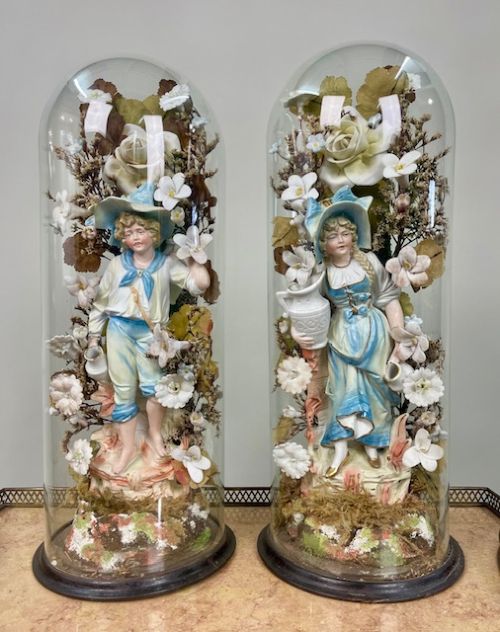
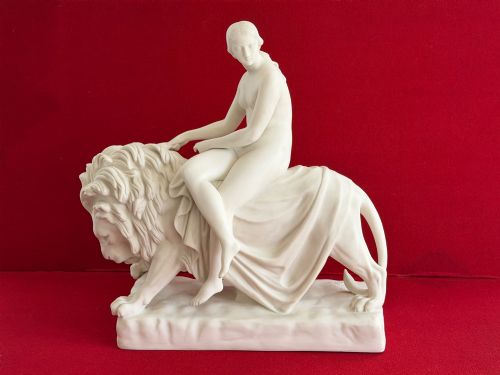
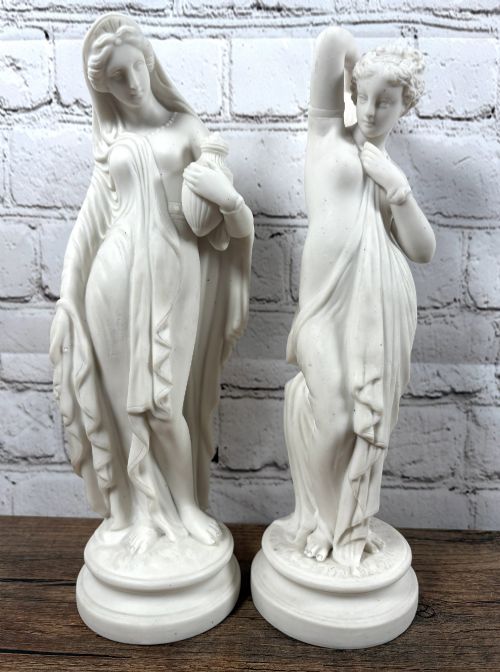
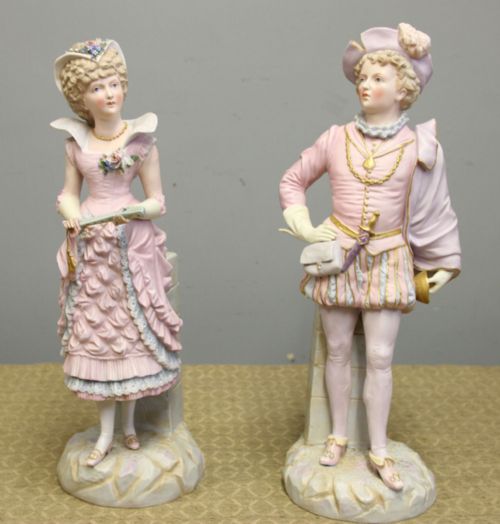
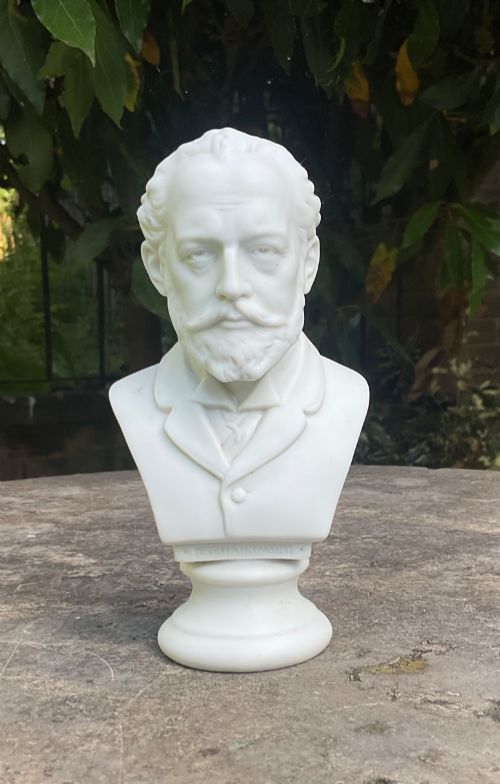
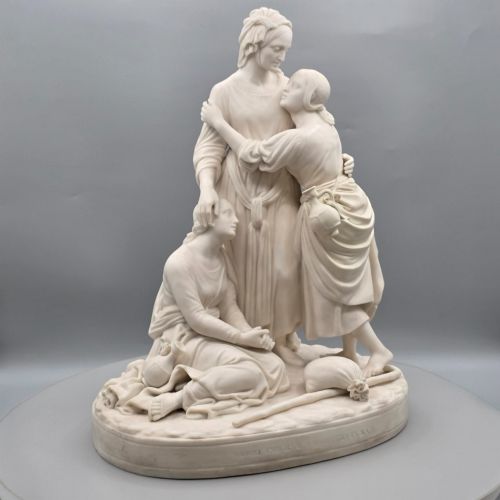
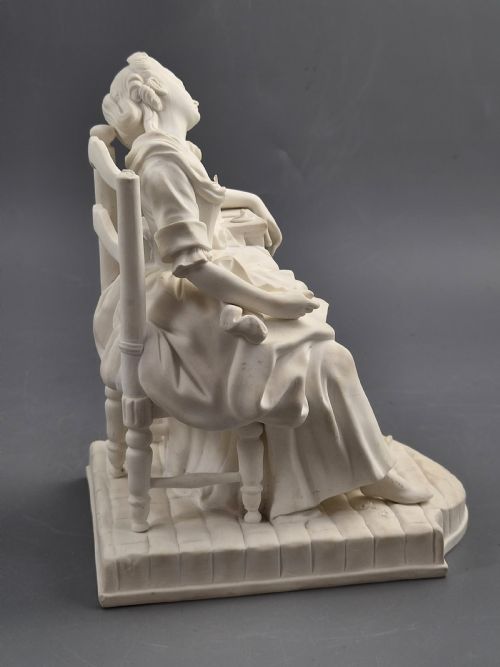
A victorian biscuit porcelain statue captures the tactile, unglazed surface characteristic of nineteenth-century ceramic figures and busts. These works frequently depict classical figures, literary characters, and domestic subjects modelled with precise anatomical and textile detail.
Most examples encountered here belong to the broader Victorian period, ranging from mid-nineteenth-century classical studies to later nineteenth-century portrait busts. Forms vary from single standing figures to expansive figure groups and portrait studies of notable historical figures.
Origins span English manufactories and continental European kilns, offering everything from large-scale mythological representations to intimate domestic scenes. Buyers seek these pieces for their refined surface texture and their capacity to translate complex sculpture into ceramic form.
Materials and Manufacture
These pieces rely on biscuit porcelain and parian ware, a specialised ceramic body developed in the nineteenth century to imitate carved marble. The unglazed firing leaves the surface matte and porous, allowing fine chisel marks and facial expressions to remain sharp.
Makers utilised slip casting and detailed multi-part moulds to capture complex drapery, hair texture, and intricate flora. Occasional additions of pigment, enamel, and gilt highlight specific elements such as jewellery or garment borders without altering the primary matte body.
Victorian Biscuit Porcelain Statue Retail Price Guide 2026
Typical asking prices for victorian biscuit porcelain statue among the pieces listed under this phrase on Sellingantiques today, from the lower quarter to the upper quarter. They describe what is for sale here now, not the wider market.
Materials recorded span porcelain, parian ware, pigment, enamel, and gilt across the nineteenth century.
Evaluating Quality
The choice of body and the purity of the unglazed surface distinguish finer works from standard commercial production. Skilled finishing work by hand after casting separates exceptional sculptural studies from routine factory output.
Minton·Letu & Mauger Paris·Royal Dux·Copeland·Royal Worcester
The Victorian Biscuit Porcelain Statue Glossary
- Biscuit porcelain
- Unglazed ceramic fired once to vitrify the body while retaining a matte, porous texture resembling marble. It is also known as bisque.
- Parian ware
- A specific type of fine-grained white porcelain developed in Victorian England to imitate white marble for statuary. The composition includes a high proportion of feldspar.
- Figurine
- A small carved or moulded statuette representing a human or animal figure. These often depict literary or mythological narratives in nineteenth-century interiors.
- Neoclassical
- A style reviving classical Greek and Roman artistic forms, prominent in nineteenth-century sculpture and ceramic figures. It emphasises balanced composition and heroic subjects.
- Slip casting
- A manufacturing technique where liquid clay slip is poured into a plaster mould to create hollow ceramic sculptures with intricate detail.
Victorian Biscuit Porcelain Statue: Frequently Asked Questions
Where were these statues displayed?
Victorian households typically displayed these ceramic figures on mantelpieces, pedestals, and library tables as conversation pieces. Their white marble-like appearance suited formal drawing rooms and studies alike.
Larger figure groups often occupied prominent central spaces, while smaller portrait busts sat among books and personal collections.
What is the difference between parian and bisque?
Parian ware specifically denotes a nineteenth-century English porcelain body formulated with feldspar to vitrify at a lower temperature and mimic white marble. Bisque porcelain is a broader term for any unglazed ceramic fired biscuit ware.
While both share a matte finish, parian often exhibits a denser, slightly translucent quality compared to standard bisque.
How do I date a Victorian statue?
Dating relies on factory marks stamped or impressed into the base, stylistic clues such as neoclassical drapery, and recorded exhibition dates of the original sculptures. Many pieces bear impressed registry diamonds or maker ciphers.
Comparing the subject matter to known nineteenth-century literary and historical events also helps narrow the production window.