


Paper Watercolour Botanical Art
Paper watercolour botanical art brings together delicate pigment and natural study across centuries of British and continental work.
Paper Watercolour Botanical Art
When you search for paper watercolour botanical art, you encounter original paintings executed on paper supports, focusing primarily on floral still lifes, garden scenes, and detailed plant studies. These pieces span from the 18th century through the Victorian period and into the mid-20th century, capturing flowers, fruit, and woodland settings with careful observation.
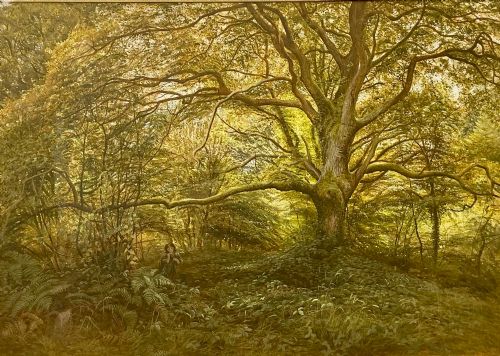
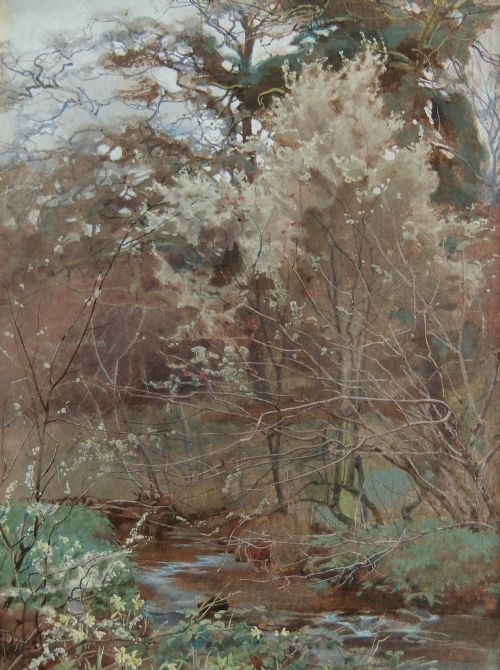
The works you are most likely to meet on this page include framed floral still lifes featuring roses, pansies, and wallflowers, alongside depictions of walled gardens and park landscapes. Painters working in watercolour, gouache, and ink utilise paper and pith paper to record botanical subjects with precision.
Materials and Techniques
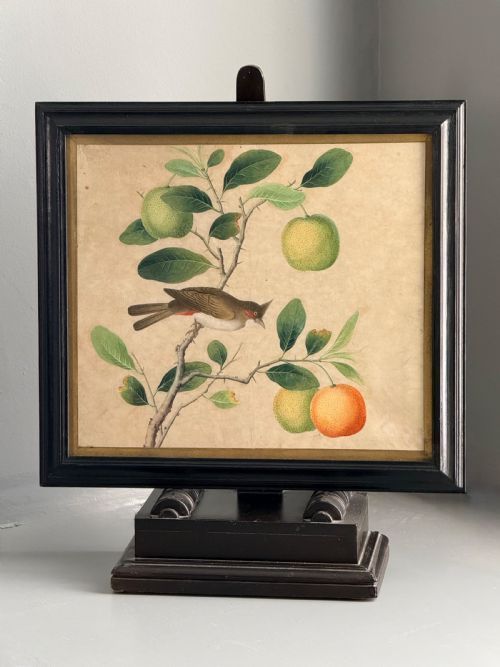
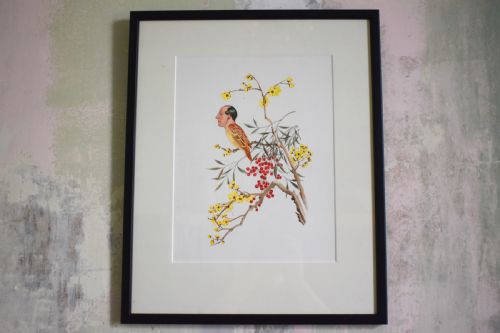
Artists apply watercolour pigment, gouache, and ink directly onto paper surfaces, including specialised pith paper for specific 18th-century Chinese export works. The application ranges from transparent watercolour washes to opaque gouache highlights that give depth to petals and leaves.
Completed paintings find protection behind glass and within wooden frames, preserving the water-soluble pigments and delicate paper supports from atmospheric moisture and handling damage.
Listings feature paper supports, watercolour pigments, gouache, ink, glass, and wood across periods from the 18th century to 1950.
Judging Quality
Quality rests upon the precision of the botanical drawing and the handling of the pigment, where confident brushwork brings natural forms to life without stiffness. The strongest examples display a careful balance of colour and light, capturing the transient qualities of blossoms and foliage.
Condition plays a central role in valuation, as paper supports and watercolour pigments remain sensitive to light exposure and dampness. Intact framing, minimal fading, and the absence of heavy foxing distinguish well-preserved works from those compromised by time.
Bonomi Edward Warren·James Tower·Henrietta Creswell·William Edward Fox·Lester Sutcliffe·Lilian Stannard·William Hough·Edith Barrow·Rowland Henry Hill·Grace Hastie·Phyllis I Hibbert·Marian Chase·Alfred W. Parsons·Jabez Bligh·Owen Bowen·Charlotte Isa James·Alice Macallan Swan·Beatrice Parsons·Marion Broom·Edith Alice Andrews·John Sherrin·Minnie Smythe
The Paper Watercolour Botanical Art Glossary
- Gouache
- An opaque method of painting using water-soluble pigments bound in glue, offering heavier coverage than standard watercolour. Artists often combine gouache with watercolour to create highlights on floral subjects.
- Pith paper
- A delicate material formed from the pith of the Tetrapanax papyrifer plant, utilised historically for Chinese export paintings. This surface possesses a velvety texture that accepts watercolour and gouache with distinct absorption qualities.
- Foxing
- Brown spots and discolouration that develop on older paper due to chemical reactions involving iron impurities or dampness. Collectors monitor foxing when assessing the conservation state of antique paper works.
- Still life
- An artwork depicting inanimate subject matter, such as cut flowers in jugs, baskets of fruit, or potted plants. In botanical art, these compositions allow close study of petal structure and foliage.
Paper Watercolour Botanical Art: Frequently Asked Questions
What periods do these paintings cover?
The selection spans from the 18th century through the Victorian era and across the 20th century up to the 1950s. You will find Victorian botanical studies alongside Edwardian garden scenes and mid-century modern still lifes.
Each period brings distinct framing choices and paper types, reflecting changing artistic tastes in botanical illustration over hundreds of years.
How should I frame and hang these works?
Paper and watercolour pigments require protection from direct sunlight to prevent fading and discolouration over time. Conservation framing with acid-free mounts ensures the paper remains stable within its wooden housing.
Keep these pieces away from damp walls and direct heat sources to preserve the integrity of both the pigment and the paper support.
What is pith paper?
Pith paper is a delicate, fibrous material prepared from plant pith, most notably seen in 18th-century Chinese export paintings. It has a soft, velvety surface that absorbs watercolour and gouache differently than standard wood-pulp or rag paper.
Works on pith paper demand careful handling behind glass due to the fragile nature of the dry material.
How do I tell Victorian botanical art apart from later works?
Victorian examples often feature dense, highly detailed compositions of flowers like roses and pansies, sometimes accompanied by ornate gilt wooden frames. They reflect a scientific interest in horticulture combined with decorative appeal.
Later 20th-century works tend toward looser brushwork, simplified jugs, and modernist framing, showing the influence of British Impressionism and mid-century design.