
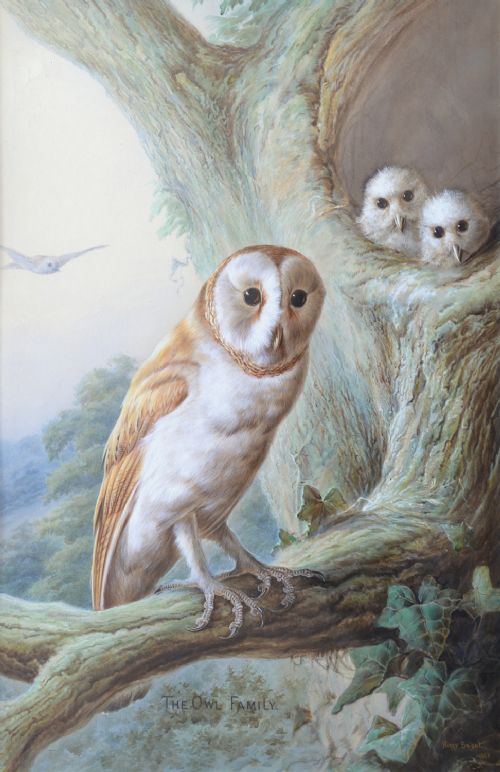
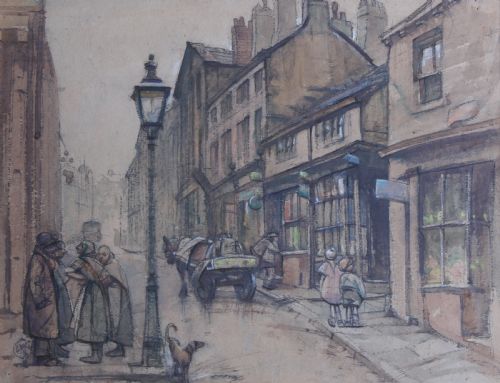
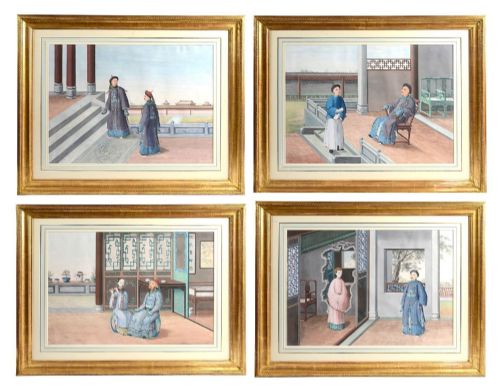
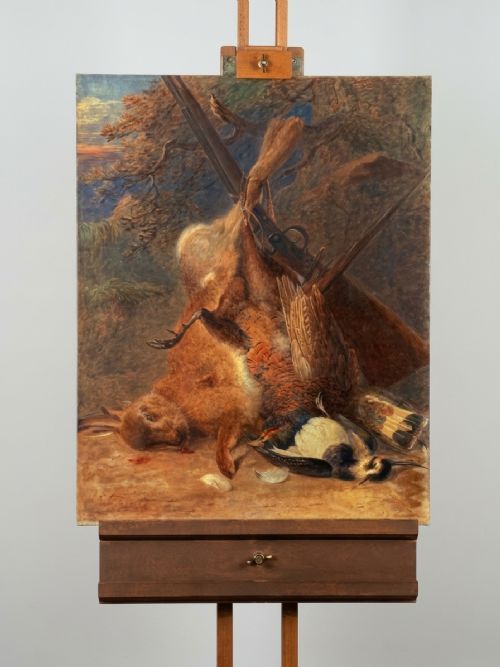


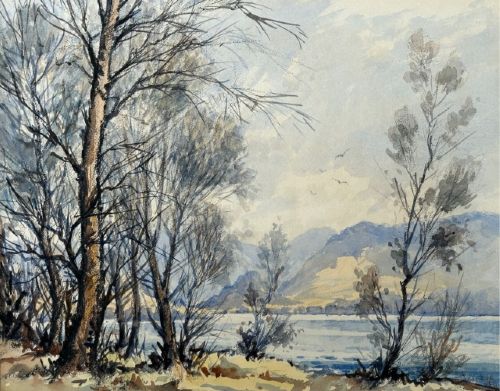
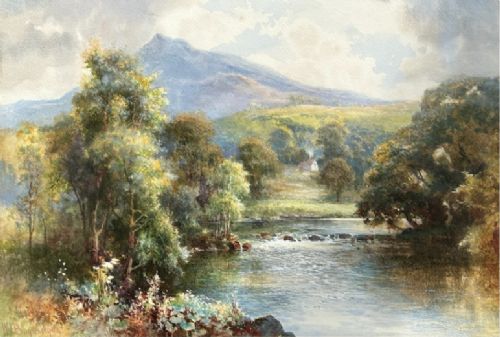
Paper Watercolour Art Picture
These paper watercolour art picture listings gather delicate pigment works from the Victorian era through the mid-twentieth century for collectors seeking authentic historical wall art.
Paper Watercolour Art Picture
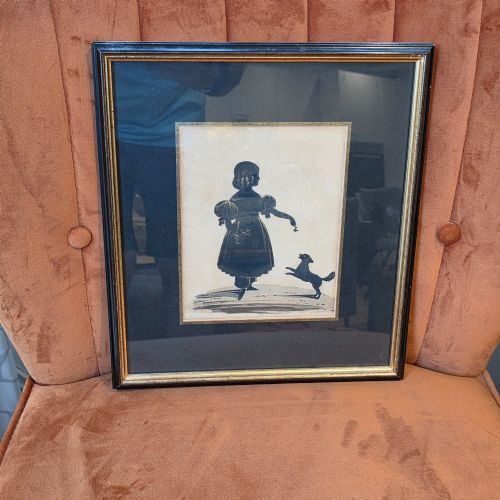
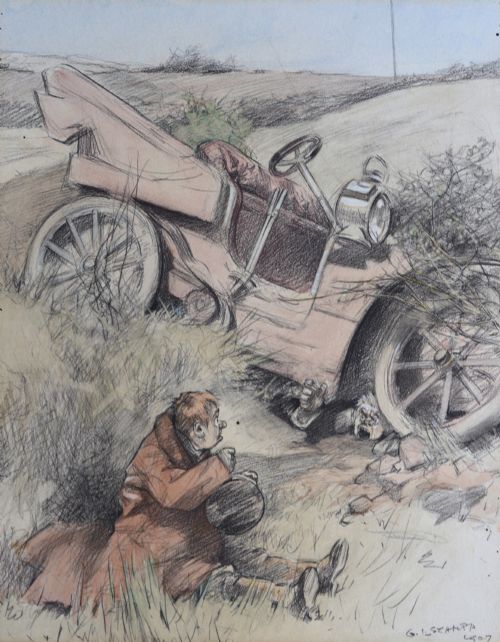
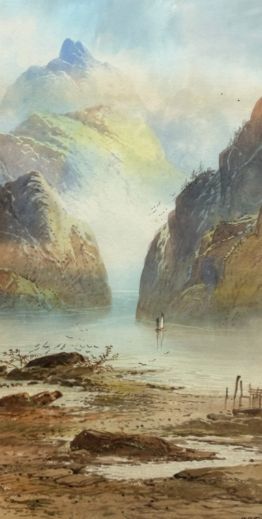
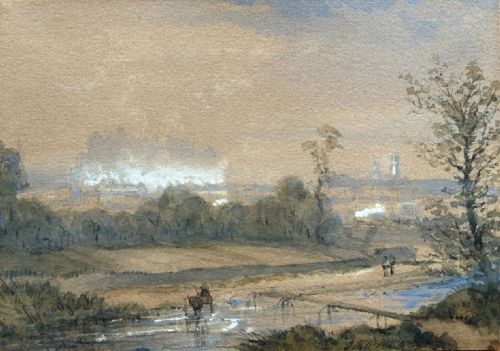
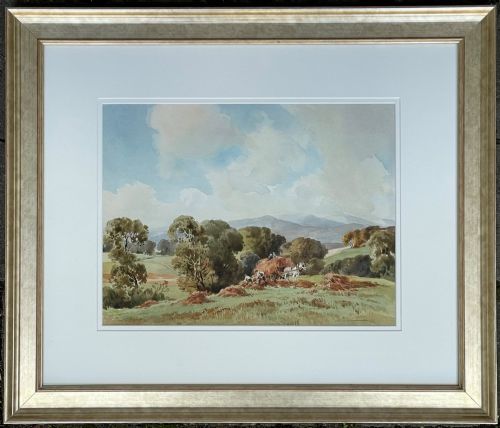
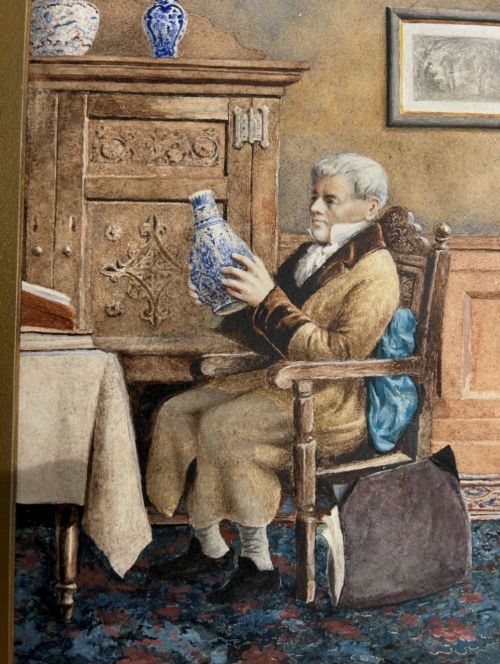
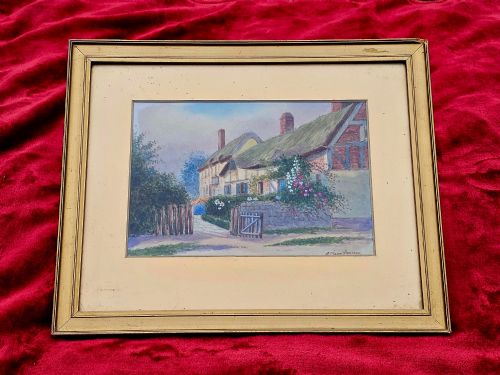
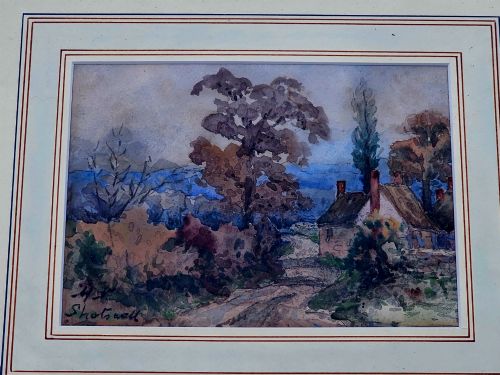
Paper watercolour art picture examples encompass framed paintings, fine art, and wall art created across the nineteenth and twentieth centuries. Buyers searching this phrase encounter diverse subjects ranging from Scottish and Welsh landscapes to maritime scenes, coastal views, and genre caricatures.
The selections span distinct historical periods including the Victorian and Edwardian eras, alongside early twentieth-century British Impressionism and mid-century maritime works. Traditional watercolours dominate the selection, accompanied by gouache and bodycolour pieces on paper support.
Origin points stretch from British local views to Chinese export shipping paintings and continental European scenes. Most pieces retain their period framing under glass, preserving the original pigments and paper condition.
How they were made
Works utilise watercolour pigment and bodycolour applied to paper sheets, occasionally supplemented with ink, gouache, or gold leaf highlights. Artists worked directly on paper supports using water-soluble binders to achieve transparent washes or opaque details.
Framing materials integrate wood and glass to protect the fragile paper surface from atmospheric moisture and handling damage. Many surviving examples retain period wood frames that secure the backing boards and preserve the sheet integrity.
Current listings feature paper works spanning the Victorian, Edwardian, and mid-century periods, created using watercolour, gouache, and ink.
What varies in quality
Quality rests upon the artist's handling of pigment transparency, tonal depth, and composition control across the paper surface. Stronger works demonstrate confident brushwork and precise spatial rendering within landscapes, marine views, or figurative scenes.
Condition plays a central role, distinguishing pieces with vibrant, unfaded pigments and clean paper from those affected by toning, foxing, or moisture exposure. The integrity of the original mount and framing assembly also influences the overall standard.
William James Hubard·George Sydney Shepherd·George Lorain Stampa·William Henry Earp·John R Prentice·Alfred Young Nutt·Percy Lancaster·Henry Stacy Marks·A Marie Parsons·Robert Leslie Howey·William Joseph Boyes·Frank Watson Wood·Richard Henry Wright·Joseph H Barnes·Thomas Maidment·George Rankin·Albert Ludovici Jnr·Ralston Gudgeon·Warwick Goble·George Kilburne·William Frederick Settle·Alfred George Morgan·Thomas Cooper Moore·Cornelius Pearson·James Tower
The Paper Watercolour Art Picture Glossary
- Watercolour
- A painting method in which natural pigments are suspended in a water-soluble binder and applied to paper. This medium allows for luminous, transparent washes and delicate layering.
- Gouache
- An opaque water-based paint that includes a white pigment filler, creating a heavier, denser finish than traditional watercolour. It often appears in Chinese export paintings and nineteenth-century coastal views.
- Bodycolour
- Watercolour paint mixed with a dense white pigment to achieve opacity and highlight specific areas of a composition. Artists utilised this technique to add texture and bright accents to paper works.
- Foxing
- Brown or yellowish spots caused by chemical reactions in ageing paper, often accelerated by humidity. Collectors observe these marks when evaluating nineteenth-century paper supports.
- Diptych
- A painting composed of two distinct panels or sheets designed to be displayed together as a single matched artwork. These paired pieces frequently depict related landscape or architectural views.
Paper Watercolour Art Picture: Frequently Asked Questions
How should antique watercolours be framed?
Antique watercolours require acid-free mounting materials and UV-protective glass to prevent pigment degradation and paper yellowing over time.
Keeping the paper from touching the glass directly preserves the delicate surface texture and prevents moisture condensation damage.
Can watercolours be hung in direct sunlight?
Direct sunlight causes watercolour pigments to fade permanently because nineteenth-century dyes lack modern chemical stability against ultraviolet rays.
Positioning these framed pieces away from bright windows ensures the original tones remain vibrant for decades.
How do I identify a Victorian watercolour?
Victorian watercolours often feature detailed landscape, maritime, or genre subjects rendered with careful washes and subdued natural palettes on heavy wove paper.
Examining the back of the frame frequently reveals period inscriptions, titles, or artist signatures characteristic of the nineteenth-century British school.
What is the difference between watercolour and gouache?
Watercolour relies on transparent pigment washes where the white of the paper illuminates the colour layers beneath.
Gouache incorporates opaque white fillers that create a solid, matte finish resembling fine poster paint or oil colour.