
Panelled Back Chair
A panelled back chair carries the weight of centuries in solid oak, offering a sturdy architectural form that grounds any traditional interior.

Panelled Back Chair
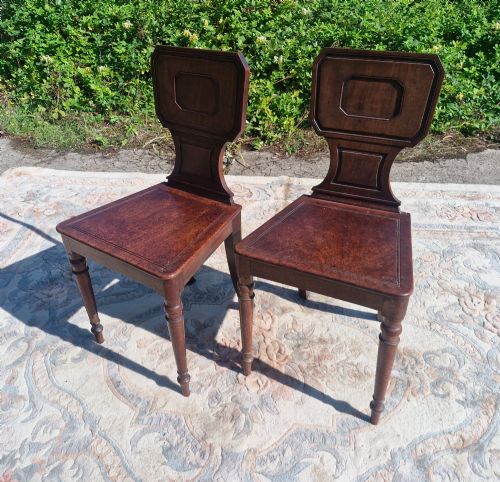
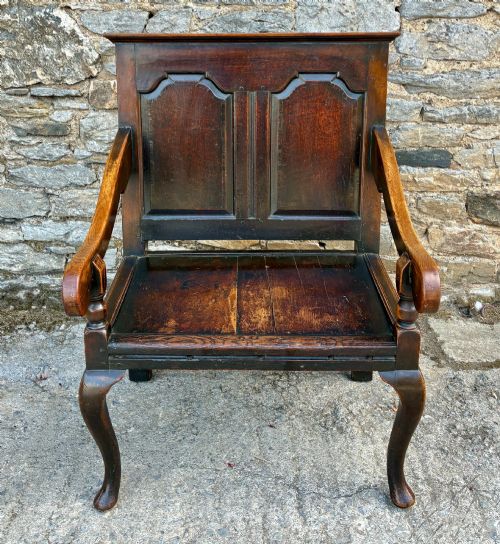
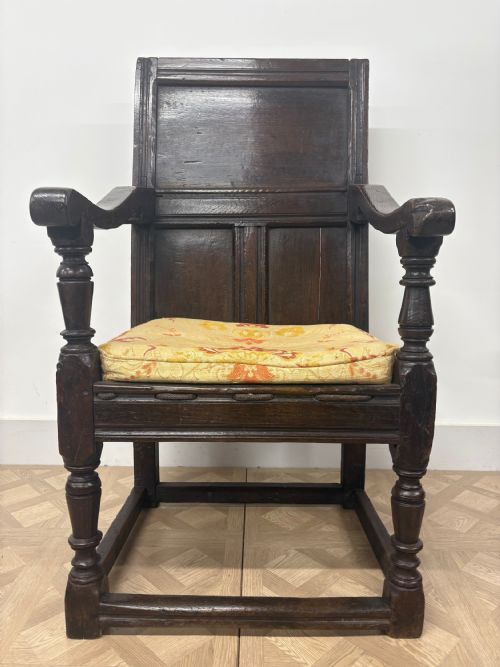
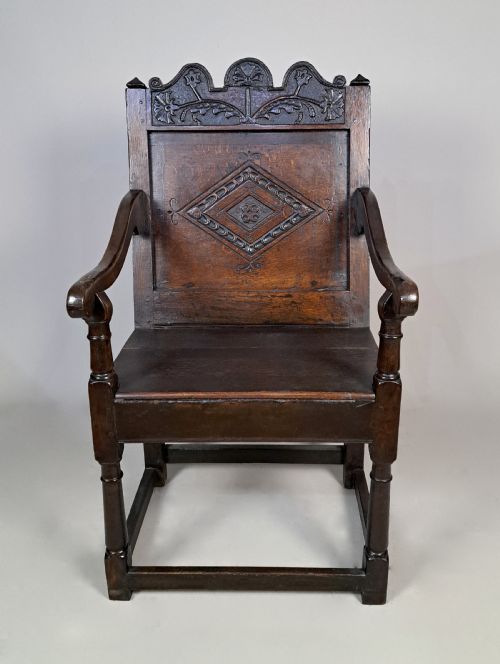
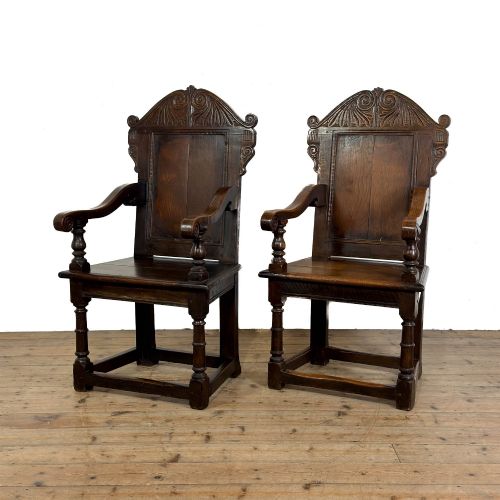
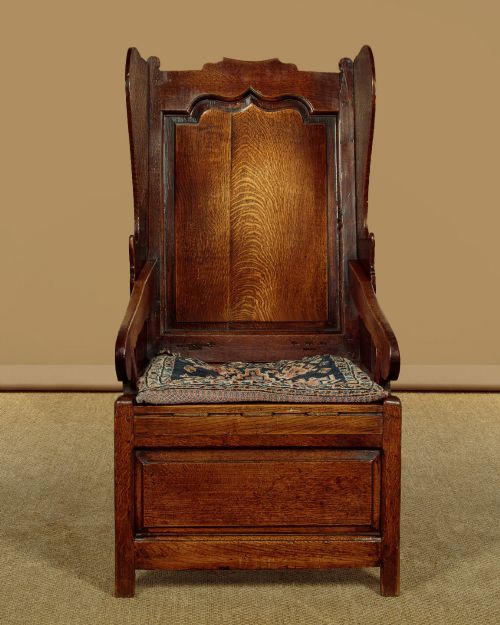
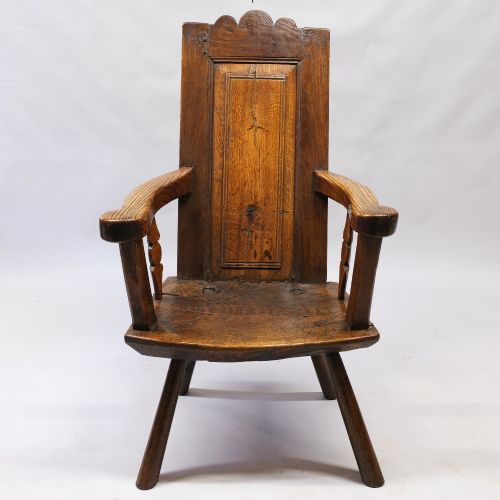
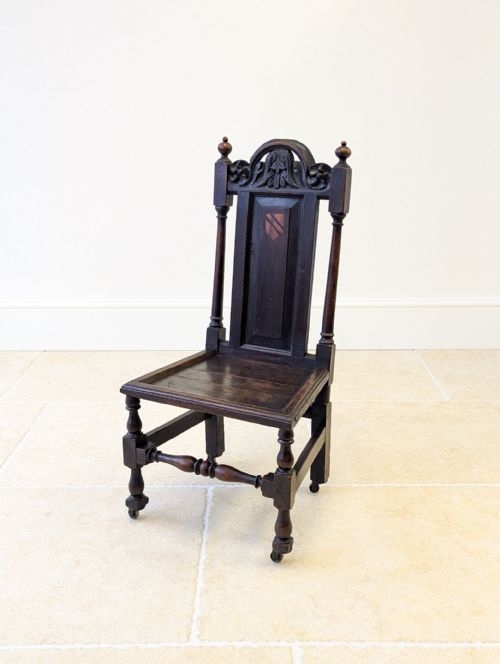
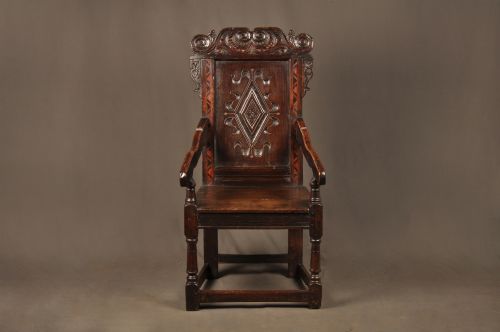
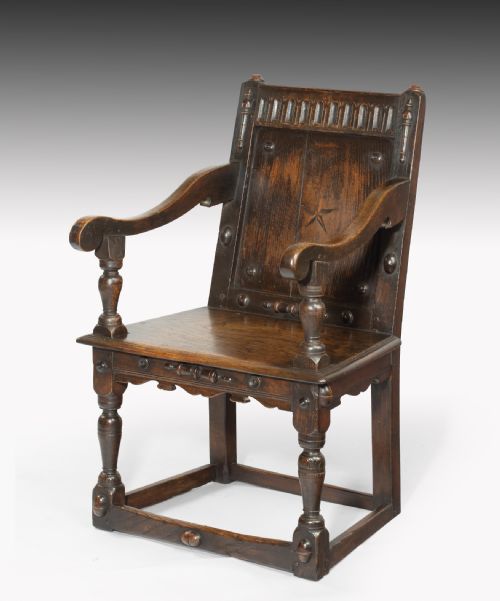
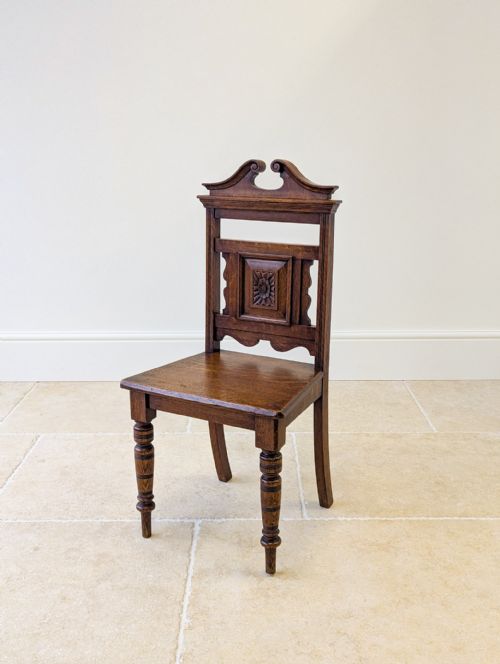
A panelled back chair encompasses solid wood seating featuring a flat wooden panel set within a frame, most frequently encountered in sturdy oak from the seventeenth century and later revival periods. These pieces serve primarily as functional armchairs, side chairs, and hall seating, displaying rigid upright proportions designed for formal posture rather than lounging.
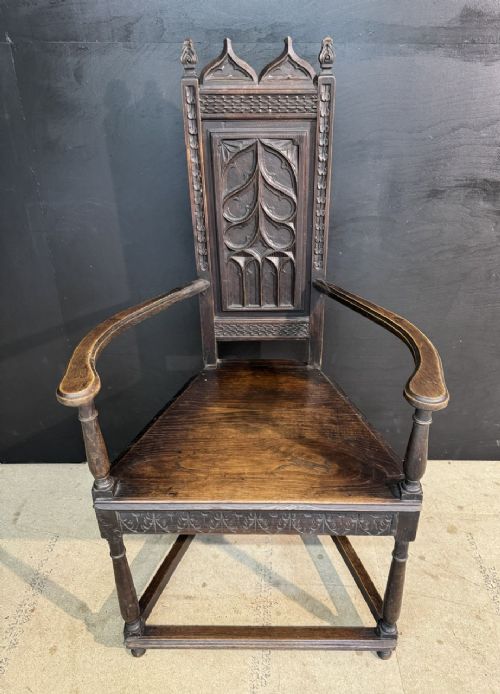
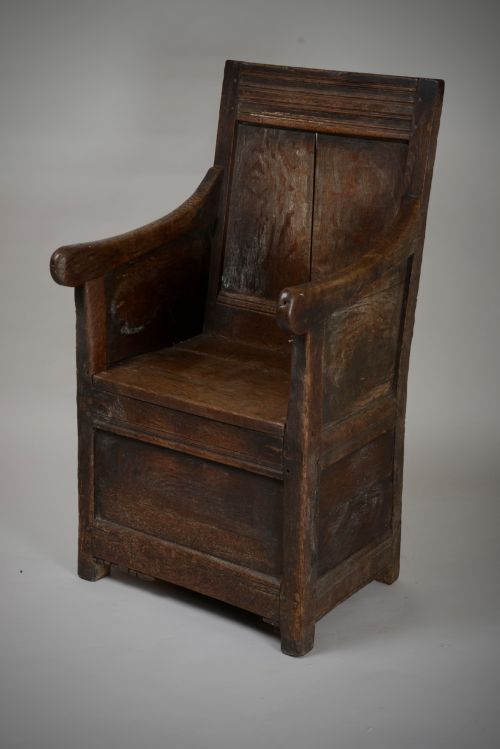
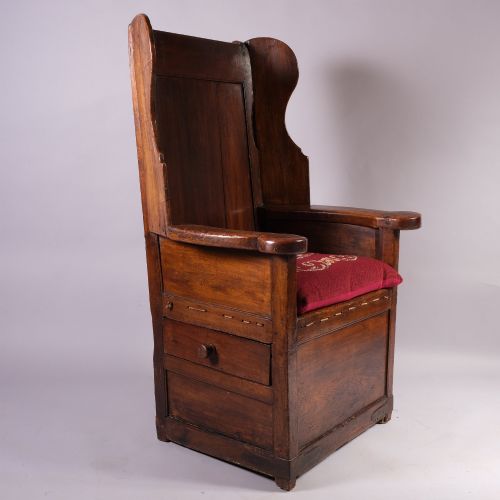
The selection ranges from authentic seventeenth-century wainscot and lambing chairs to nineteenth-century Gothic and Jacobean revivals alongside twentieth-century interpretations. Buyers encounter regional variants such as North Country and Welsh examples, as well as continental forms including walnut caquetoire armchairs.
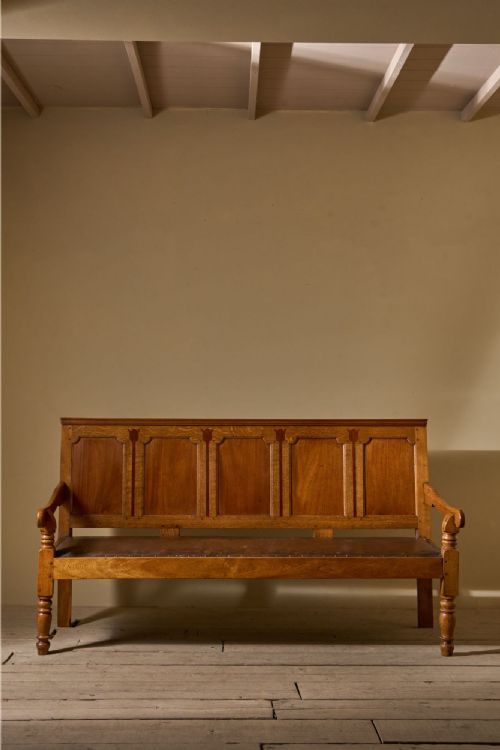
Beyond standard seating, the broader category extends to oak settles and hall benches incorporating panelled timber backs for draught protection or hallway utility. The integration of solid wood construction unites these diverse forms under a single architectural tradition.
Materials and Construction Methods
Solid oak forms the primary material for the majority of these pieces, supplemented by walnut, mahogany, pine, and exotic hardwoods in later or continental examples. Timber is joined using traditional mortise and tenon construction secured with wooden pegs, creating rigid frames built to endure centuries of daily use.
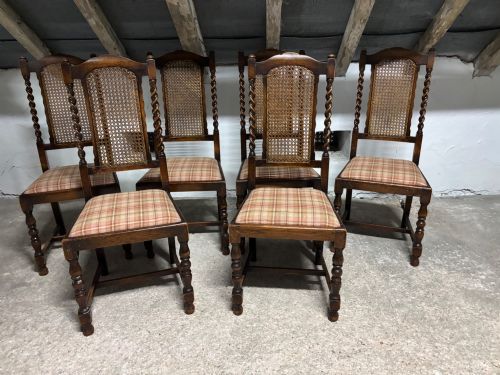
Carving, panelling, and occasional upholstery using fabric, leather, cane, or tapestry panels provide surface articulation and texture. The integration of solid timber panels requires precise joinery to accommodate natural wood movement across changing seasons without compromising structural integrity.
Listings feature oak predominantly, alongside walnut, mahogany, and pine across periods spanning the sixteenth century to the 1930s.
Distinctions in Quality and Authenticity
Quality rests upon the proportion of original timber remaining in the frame and the crispness of hand-carved details on the back panel. Period pieces retain authentic surface patination and tool marks, whereas revival iterations from the nineteenth and twentieth centuries display different tooling methods and standardised proportions.
Structural survival defines the upper tier, distinguishing examples that retain their original feet, arm supports, and panel framing from those altered or heavily restored over generations. The integration of secondary materials such as brass fittings or early upholstery adds further nuance to individual specimens.
The Panelled Back Chair Glossary
- Wainscot chair
- A heavy wooden armchair featuring a panelled back and solid seat, originating in the sixteenth and seventeenth centuries. These pieces were status items before lighter seating became common.
- Lambing chair
- An enclosed wooden armchair featuring high wings and a panelled or hooded back designed to block drafts in rural homes. Many incorporate under-seat storage compartments.
- Caquetoire
- A lightweight continental armchair featuring a trapezoidal seat and high panelled or panel-backed construction, designed for conversation in sixteenth and seventeenth-century French circles.
- Settle
- A wooden bench with a high panelled back, solid arms, and often a storage box beneath the seat. They stood near hearths to keep occupants warm.
- Jacobean Revival
- A nineteenth or twentieth-century style copying the heavy proportions and carved ornamentation of early seventeenth-century English furniture. This movement produced many oak dining and hall chairs.
Panelled Back Chair: Frequently Asked Questions
How do I identify a true seventeenth-century piece?
Authentic pieces from the seventeen hundreds display traditional peg construction, hand-split oak panels, and deep surface patination accumulated over centuries.
Closer inspection reveals tool marks left by pit saws and hand chisels rather than mechanical uniformity found in later revival furniture.
Where should I place a panelled back chair at home?
These rigid wooden seats suit hallways, entrance lobbies, or as accent pieces in studies where posture takes priority over deep relaxation.
Pairing an oak wainscot chair with a plain wall highlights its architectural silhouette and carved back panel.
Are these chairs comfortable for daily sitting?
Original forms were built for upright posture rather than lounging, offering firm wooden seats without deep padding.
Adding a loose fabric cushion softens the seat while preserving the visible timber frame.
What maintenance does solid oak require?
Solid timber benefits from occasional application of quality beeswax to nourish the grain and maintain the natural lustre.
Keep wooden seating away from direct heat sources and drastic humidity shifts to prevent timber splitting.