




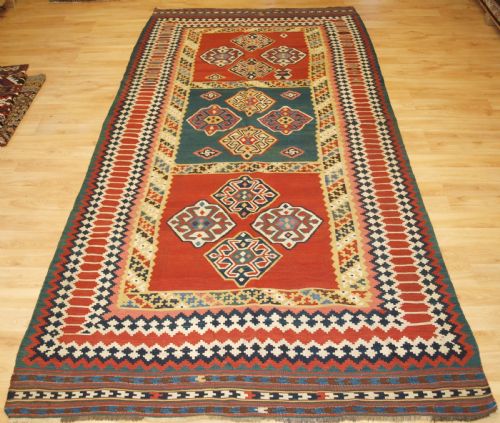
Panel Design Carpet
These panel design carpet selections comprise tribal textiles and rugs featuring structured geometric compartments, offering rich cultural history and enduring graphic appeal.
Panel Design Carpet
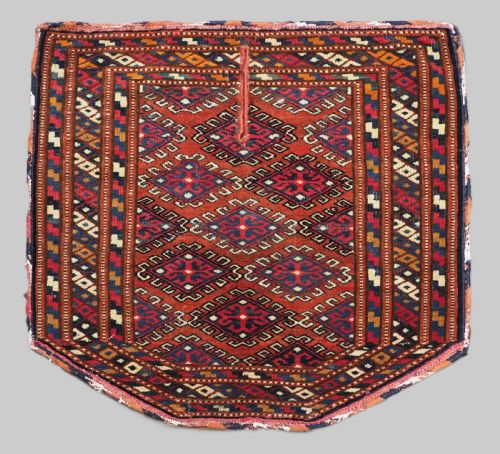
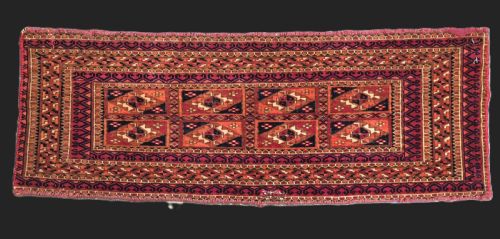
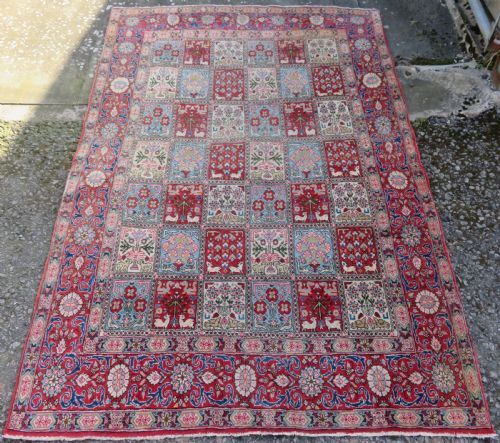
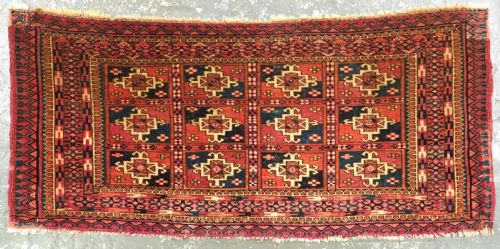
A panel design carpet encompasses structured tribal weavings, including Turkmen torbas, saddle covers, and Persian garden rugs. Buyers encounter geometric formats such as tile patterns, compartment layouts, and banded flatweaves across nineteenth and early twentieth century items.
The selection ranges from Yomut, Tekke, and Ersari tribal bag faces to Qum carpets and Turkish Kula examples. These textiles utilise defined motifs like kepse guls, aina guls, and schemle guls within organised architectural divisions.
Materials and construction
Weavers constructed these textiles using hand-spun wool and cotton foundations, employing techniques spanning knotted pile and soumak flatweave. Natural dyes and vegetable dyes provided the rich colour palettes seen across the pieces.
Tribal workshops and nomadic groups utilised local materials to create durable structures capable of withstanding daily utility. The interplay between wool pile and flatwoven banding defines the physical character of these historic floor coverings and bags.
Several nomadic bag faces retain their original structural purpose as functional containers for tribal bedding.
Quality variations
Quality rests in the precision of the geometric layout, the complexity of the tribal guls, and the depth of the natural dye palette. Finer examples display crisp structural divisions within compartments and exceptional clarity of design.
The handling of wool quality and the tightness of the weave separate standard items from superior works. Consistency in vegetable dye saturation adds visual harmony across the entire surface of the textile.
The Panel Design Carpet Glossary
- Torba
- A small storage bag produced by Turkmen tribes, frequently featuring repetitive gul designs arranged in panels.
- Gul
- A primary medallion or repeating motif used across Central Asian and Turkmen tribal textiles to denote lineage or design tradition.
- Soumak
- A flatweaving technique involving wrap-threads that creates a textured, durable surface without a cut pile.
- Mafrash
- A rectangular storage container face utilised by nomadic groups for bedding and household goods, often structured in banded designs.
- Kilim
- A tapestry-woven rug or flatweave lacking pile, produced extensively across Anatolia, the Caucasus, and Central Asia.
Panel Design Carpet: Frequently Asked Questions
What is a panel design carpet?
A panel design carpet is a textile featuring a structured layout divided into distinct compartments, tiles, or geometric sections. These include Persian garden patterns, Qum tile rugs, and tribal bag faces with banded or repeated motifs.
The organisation of the surface into discrete panels creates a strong architectural order. This format appears across nineteenth and early twentieth century examples from diverse weaving traditions.
How were these rugs used?
Nomadic and tribal groups utilised these pieces primarily for storage, transport, and domestic comfort inside tents. Smaller items like torbas and mafrash faces functioned as utility bags before entering the decorative market.
Larger formats served as floor coverings and decorative hangings within homes. Their construction reflects practical demands alongside tribal identity and heritage.
How do I identify tribal periods?
Identifying the period involves examining the structure, wool quality, and dye combinations used within the piece. Items from the nineteenth century often display vegetable dyes and hand-spun materials characteristic of older nomadic traditions.
Changes in weave density and palette shift over time into the early twentieth century. Comparing specific gul motifs helps anchor pieces within known production eras.
How do I care for antique textiles?
Antique textiles require gentle handling, minimal direct sunlight, and regular light vacuuming without a beater bar. Keeping the natural wool fibres clean preserves the integrity of the natural and vegetable dyes.
Professional specialist cleaning ensures the preservation of fragile flatweaves and pile. Proper placement away from high-traffic areas protects historic foundations from excessive wear.