




Pale Wood Dining Table
A pale wood dining table brings light and grain into a room, offering a sturdy surface shaped by decades of everyday meals.
Pale Wood Dining Table
A pale wood dining table encompasses practical kitchen boards and substantial farmhouse furniture designed for gathering. These pieces emerge from the nineteenth century and the early twentieth century, carrying distinct regional characters from French, Swedish, Dutch, and Italian traditions.
The most frequent finds on this page are French farmhouse and trestle designs finished in bleached or scrubbed timbers. Oak, pine, and poplar dominate the selection, often presenting simpler rustic farmhouse or French provincial aesthetics suited to modern interiors.
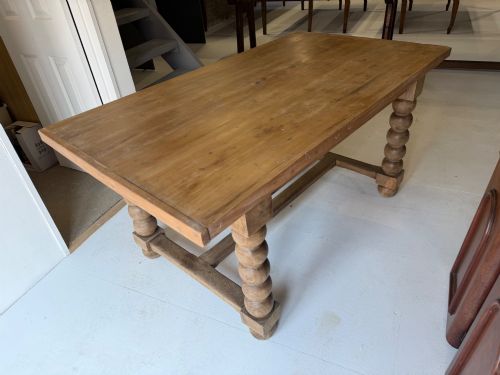
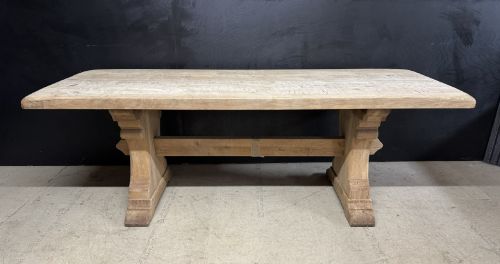
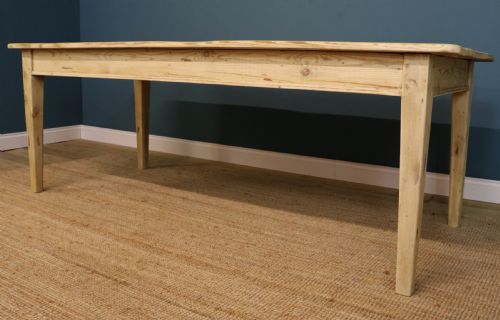
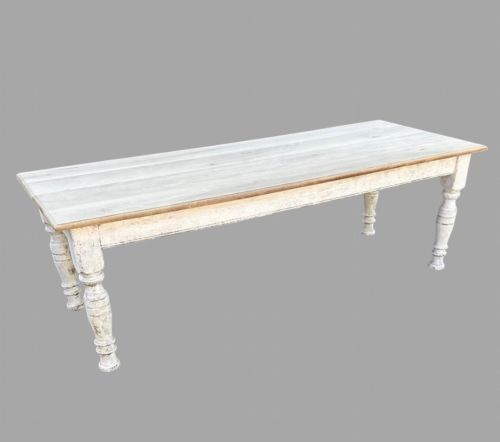
Buyers encounter variations in construction ranging from classic four-legged kitchen tables to robust trestle and X-frame supports. Many display the lighter tones achieved through historic stripping or natural ageing of the wood surface.
Materials and construction methods
Carpenters built these tables using solid domestic hardwoods and softwoods such as oak, pine, sycamore, elm, and poplar. Timber selection dictated the strength of the frame, with dense woods like oak and elm reserved for heavy use.
Joinery techniques relied on sturdy pegged mortise and tenon joints to withstand daily dining and kitchen work. Trestle bases and H-stretchers provided lateral stability, while scrubbed tops allowed boards to be scoured clean with water and sand.
Pale Wood Dining Table Retail Price Guide 2026
Typical asking prices for pale wood dining table among the pieces listed under this phrase on Sellingantiques today, from the lower quarter to the upper quarter. They describe what is for sale here now, not the wider market.
Factors that define quality
Quality rests in the integrity of the timber selection and the honesty of the construction. Tables fashioned from solid oak or paired sycamore and elm demonstrate greater structural resilience than those built from lesser utility boards.
The treatment of the surface defines the visual success of a pale wood dining table. Skilled historic stripping or natural bleaching preserves the integrity of the grain without masking the natural texture of the wood.
The Pale Wood Dining Table Glossary
- Bleached oak
- Oak timber treated to lighten its natural warm tone, creating a pale surface popular in French and Dutch country furniture. This process highlights the prominent grain patterns inherent in the wood.
- Scrubbed top
- A tabletop finished by vigorous washing and scouring to remove old finishes and dirt, leaving clean bare timber. Kitchen tables frequently feature this practical, pale surface.
- Trestle table
- A table comprising two or more support frames connected by a longitudinal beam or stretcher. This design allows for uninterrupted legroom along the length of the table.
- H-stretcher
- A horizontal timber brace shaped like the letter H that connects the legs of a table for added stability. It prevents the legs from wobbling under heavy downward pressure.
Pale Wood Dining Table: Frequently Asked Questions
How do I clean a pale wood table?
Maintenance involves wiping the surface with a damp cloth and mild soap to protect the bare grain. Avoid harsh chemicals that can strip the natural tones of the wood.
Regular care keeps the timber sealed against spills while preserving the historic character of the scrubbed or bleached finish.
Are these tables suitable for daily use?
These pieces were originally built for heavy domestic tasks in kitchens and farmhouses, making them exceptionally durable. Solid construction in oak, pine, and elm handles regular family meals with ease.
Using placemats and coasters helps protect the lighter timber surfaces from heat marks and moisture rings over time.
What is a scrubbed top table?
A scrubbed top refers to a wooden tabletop repeatedly washed down with water and brushes to maintain a hygienic surface. This historic cleaning method leaves the timber pale, smooth, and free of old finishes.
Tables with scrubbed tops display a clean, light appearance that reflects their practical origins in nineteenth-century kitchens.
How do I date an antique wooden table?
Dating relies on examining the construction methods, tool marks left on the underside, and the type of timber used. Hand-sawn boards and pegged joinery typically point towards nineteenth-century craftsmanship.
Stylistic cues such as X-frames or bobbin legs also help place a table within specific Victorian or Edwardian periods.