


Pale Pine Kitchen Table
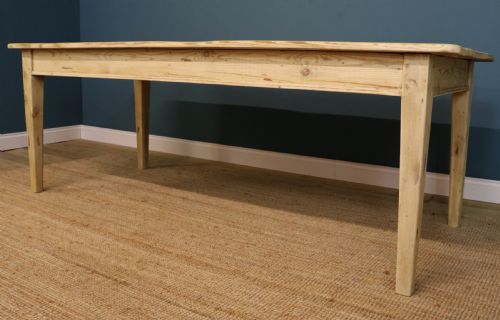
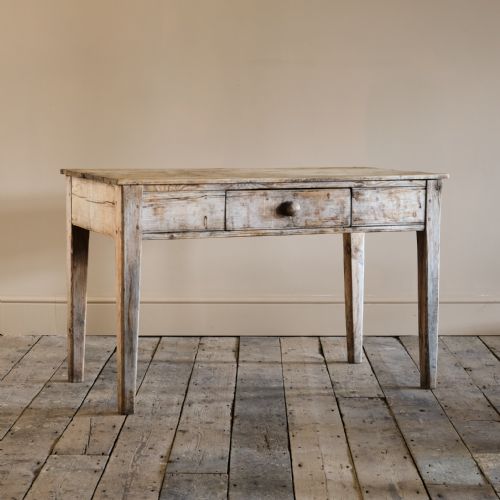
A pale pine kitchen table offers the honest utility and warm grain that anchor a working country interior.
Pale Pine Kitchen Table
When you search for a pale pine kitchen table, you encounter hard-working surfaces shaped by decades of domestic use in farmhouses, sculleries and preparation rooms. These tables range from Georgian and Victorian utility pieces to 19th-century French, Swedish and Edwardian examples built for daily labour.
The version you most frequently meet on this page is the scrubbed pine kitchen table, often featuring a clean top designed for food preparation supported by sturdy legs or trestle frames. Such pieces bridge the gap between antique character and functional modern dining.
Beyond standard dining tables, the listings include specialised forms such as scullery tables, preparation tables and trestle tables constructed from pine, poplar and sycamore. Their origins span British country workshops alongside Scandinavian and French rural traditions.
How they were made
Makers constructed these tables primarily from solid pine, frequently pairing scrubbed soft timber tops with robust square section supports or X-frame trestles. Carpenters occasionally incorporated oak, sycamore and poplar for added durability in high-wear areas like preparation surfaces.
Construction methods prioritised utility and strength, utilising straightforward joinery designed to withstand heavy daily use in kitchens and sculleries. Metal elements such as iron and brass hardware appeared on specific functional variants like drawers.
Beneath layers of history, one diligent Swedish table still holds the quiet ghosts of midday bread prep within its grain.
What varies in quality
The character of the timber surface dictates much of the distinction, separating tables with deeply scrubbed, patinated tops from those with overly stripped or flattened grain. Original proportions and the harmony between the top and the supporting frame determine the visual balance of each piece.
Subtle variations in regional joinery and the presence of functional additions, such as integrated drawers or trestle mechanisms, distinguish standard utility furniture from finer country workshop examples.
The Pale Pine Kitchen Table Glossary
- Scrubbed top
- A wooden surface cleaned repeatedly with water and a stiff brush over generations, leaving a pale, smooth texture. This process removes soft summer rings and exposes the harder grain.
- Trestle table
- A form comprising two or more supports connected by a horizontal beam, carrying a board top. This construction allows for maximum legroom along the length of the table.
- Scullery table
- A utility table built for washing, food preparation and kitchen chores in large households. These pieces typically display robust construction and utilitarian detailing.
- X-frame
- A structural support system forming an intersecting cross shape beneath the tabletop. Swedish and continental country tables frequently utilise this bracing method for rigidity.
Pale Pine Kitchen Table: Frequently Asked Questions
What defines a pale pine kitchen table?
These tables are practical domestic surfaces built from softwoods and finished through decades of scrubbing and use. Their appeal lies in pale timber tones and straightforward construction.
They serve as everyday dining surfaces that bring historic character and texture into contemporary rooms without feeling overly formal.
How do I care for a scrubbed pine top?
Scrubbed pine benefits from gentle cleaning with mild soap and water rather than heavy chemical polishes. Regular dusting and occasional waxing help protect the dry timber grain.
Avoid excessive moisture and hot pans placed directly on the bare wood to preserve the historic patina.
Were these tables used only for dining?
Historical examples frequently doubled as work surfaces for baking, food preparation and scullery tasks. Many include drawers for storing utensils and preparation linens.
Their robust construction was intended to support heavy daily labour before dedicated kitchen islands became common.
How do I distinguish regional styles?
Swedish and French country examples often feature distinct frame geometries, such as X-frames or trestle bases, differing from British square-leg formats. Timber selection also varies, with continental makers occasionally incorporating poplar or sycamore alongside pine.
Examining the joinery and framing structure reveals clues regarding the workshop origin.