


Pair Windsor Kitchen Chairs
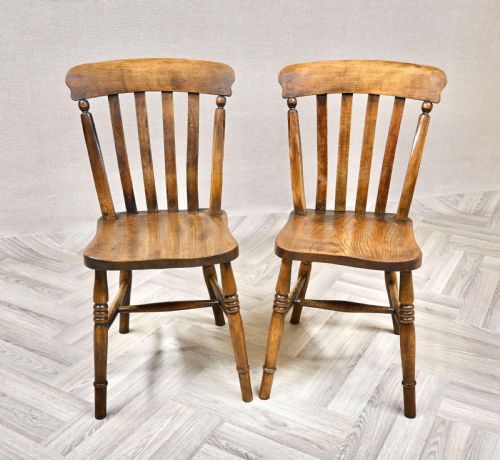
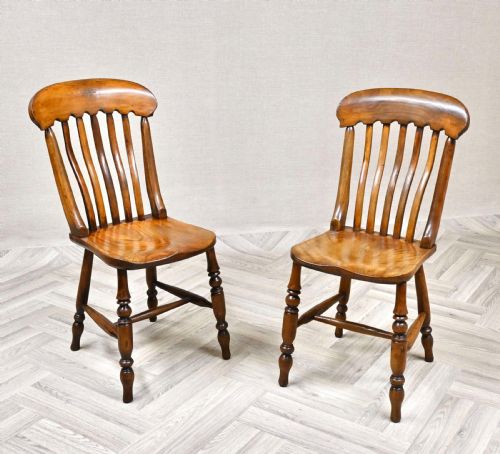
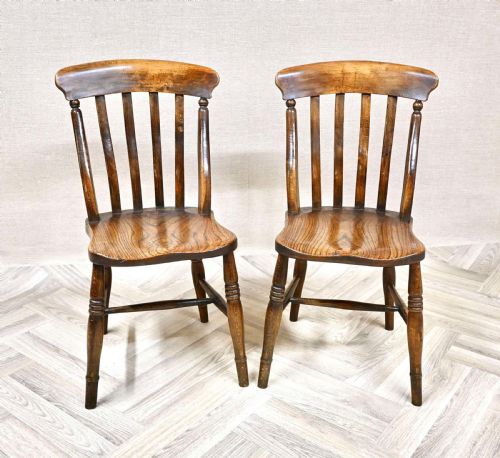
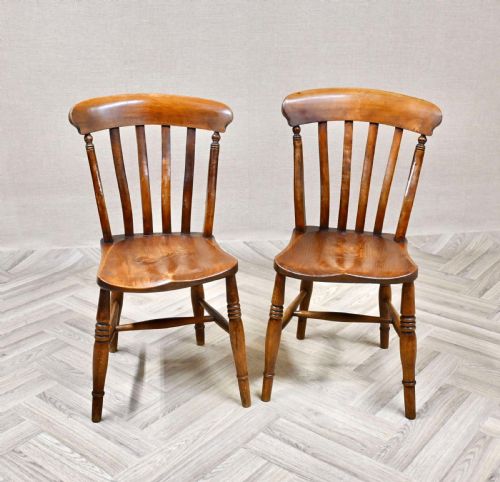
Pair windsor kitchen chairs bring sturdy domestic seating into daily service, combining sculpted wooden seats with turned spindles.
Pair Windsor Kitchen Chairs
These pair windsor kitchen chairs combine traditional woodworking methods with robust domestic utility, spanning the nineteenth century and later periods.
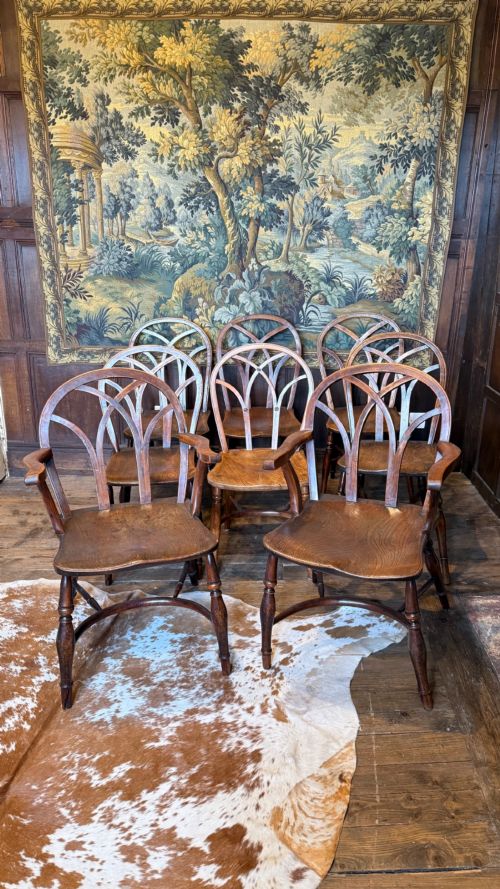
A buyer examining this selection finds dining chairs, armchairs, and side chairs shaped for everyday use in rural and urban settings.
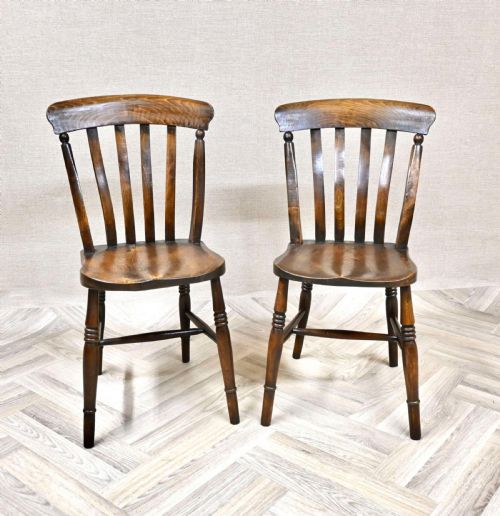
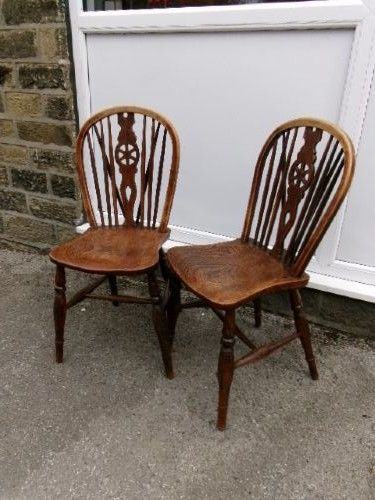
Most examples originate from nineteenth century workshops, featuring regional variations in back designs such as wheelbacks, lathbacks, and stick backs.
How they were made
Craftsmen built these seats using a combination of timbers, typically pairing sculpted elm for the solid seat with ash, beech, or oak for the turned legs and spindles.
The construction relies on the stick-back technique, where turned spindles and uprights fit directly into bored holes in the thick wooden seat plank.
Several pairs still retain traces of old farmhouse paint on their spindles, whispering tales of forgotten kitchen renovations.
What varies in quality
Differences in quality rest on the selection of timber and the depth of carving in the seat, where thicker elm planks provide greater durability and visual weight.
The precision of the woodturning in the legs and spindles distinguishes standard utility pieces from finer regionally attributed examples.
The Pair Windsor Kitchen Chairs Glossary
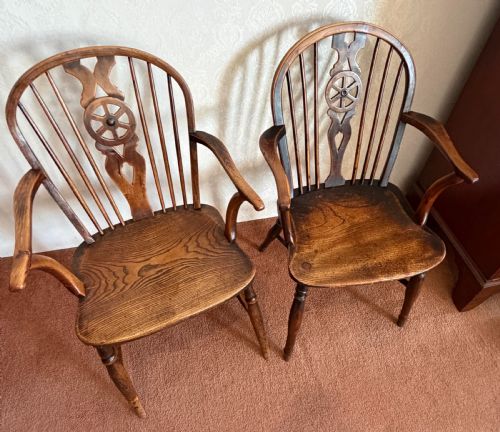
- Wheelback
- A Windsor chair back design incorporating a pierced central splat shaped like a cartwheel. This decorative feature appeared frequently on nineteenth century dining chairs.
- Stick back
- A chair construction where multiple slender turned wooden rods form the backrest. These rods slot straight into the seat base.
- Penny foot
- A rounded swelling at the bottom of a chair leg resembling an old coin. It provides a neat finish to turned ash or beech supports.
- Lathback
- A chair back featuring a horizontal wooden slat or lath curved across vertical spindles. This style offers solid lower back support during long periods of sitting.
Pair Windsor Kitchen Chairs: Frequently Asked Questions
Are these chairs comfortable for daily dining?
The sculpted wooden seats distribute weight evenly, making them suitable for long meals without needing upholstered cushions.
Adding loose pads can increase softness while preserving the exposed timber surface.
How do I identify a nineteenth century pair?
Examine the timber grain on the seat underside and check for hand-turned spindle variations that reveal individual tool marks.
Consistency in wear patterns across both chairs indicates they have remained together as a pair over generations.
Can I mix these with modern tables?
The neutral tones of elm, beech, and ash pair naturally with contemporary wooden or metal dining surfaces.
Their varied back designs add textural contrast to minimalist interiors without overwhelming the room.
What is the difference between an armchair and a side chair?
Armchairs feature extended wooden arms joined directly into the back spindles, offering wider support for the user.
Side chairs omit the arms to allow compact placement around standard dining tables.