

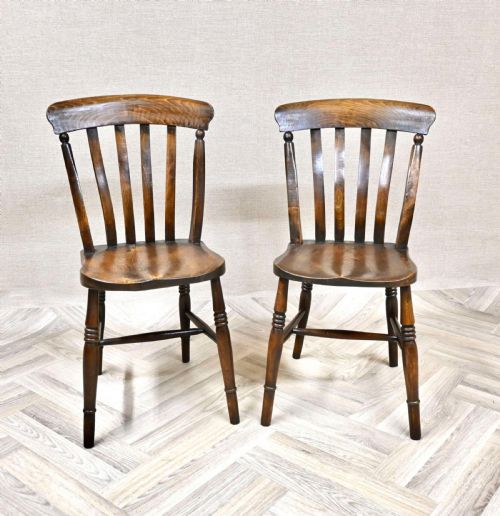
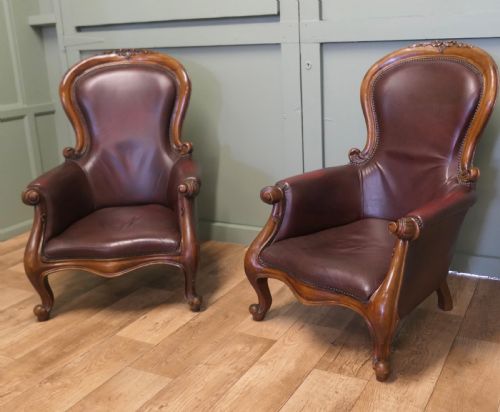
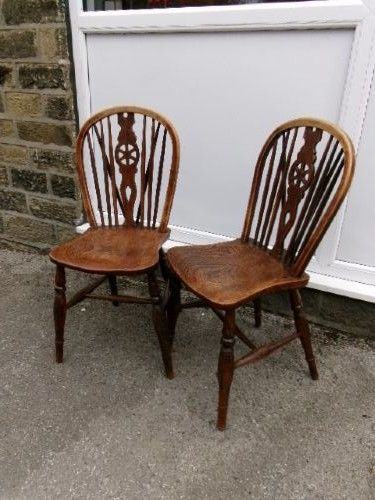
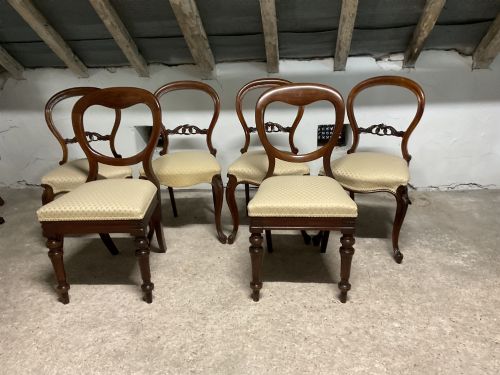
Pair Victorian Wooden Chairs
Pair victorian wooden chairs bring domestic history into daily rooms, offering matched seating shaped by nineteenth-century carpentry and design.
Pair Victorian Wooden Chairs
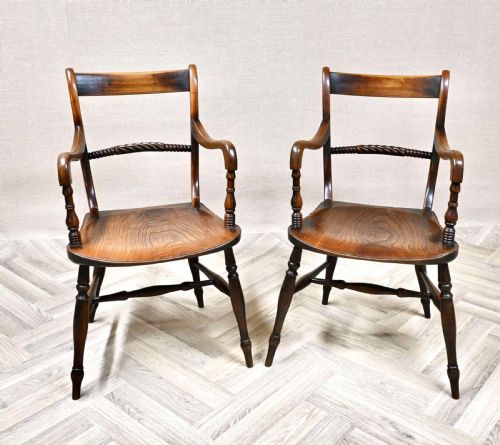
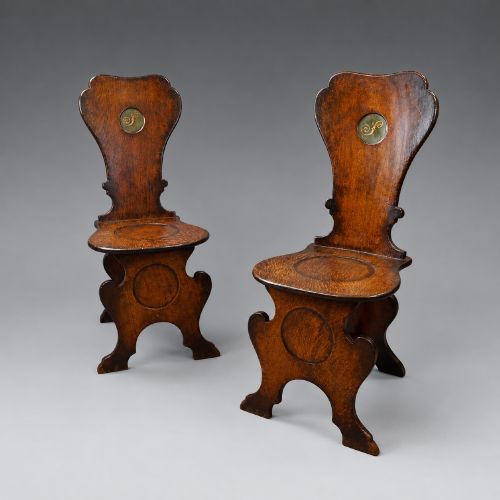
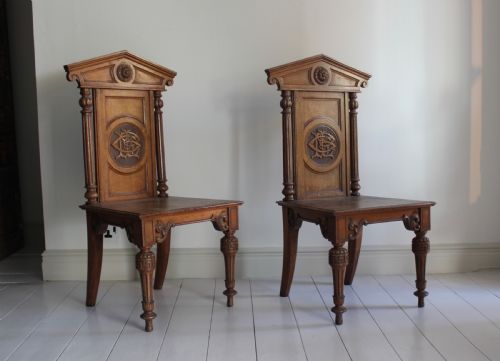
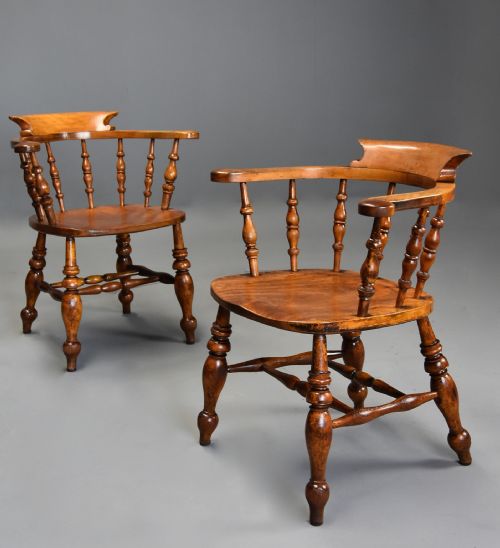
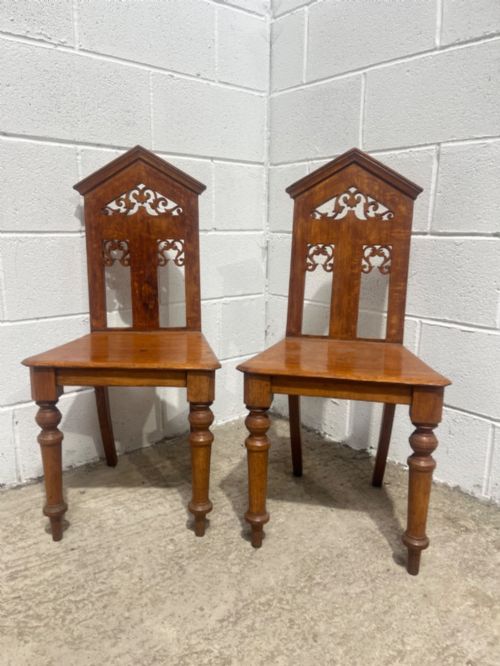
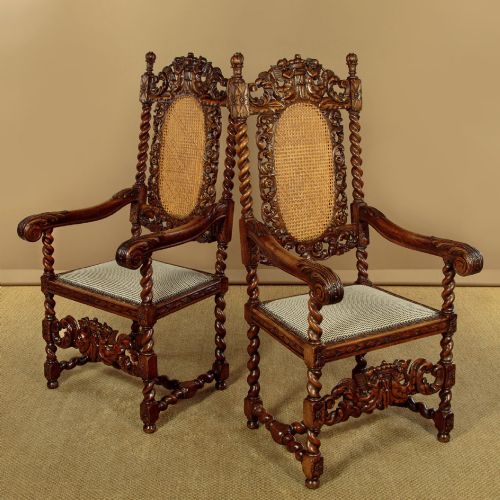
A pair victorian wooden chairs search reveals diverse domestic seating originating largely from the nineteenth century, spanning sturdy country elm windsors to formal carved walnut parlour pieces. Buyers encounter various functional types including hall chairs, low nursing seats, captains chairs, and balloon back dining chairs. Most items date across the victorian era, reflecting the robust cabinet-making traditions of the period.
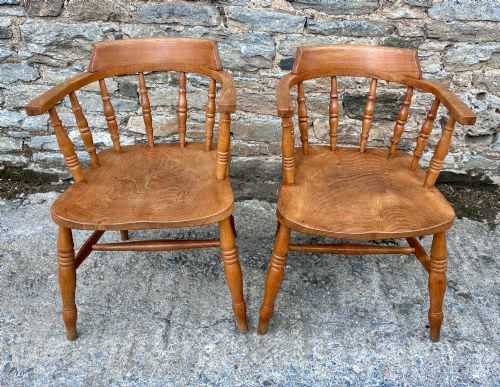
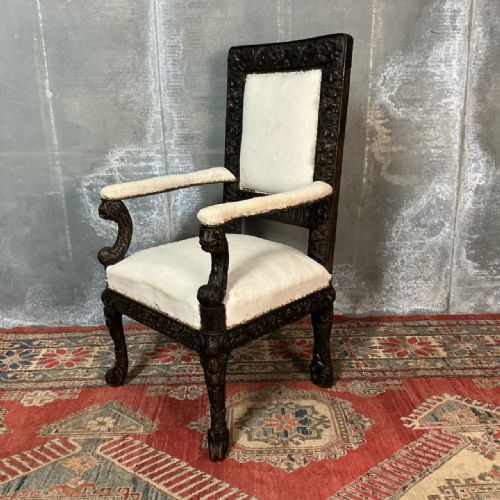
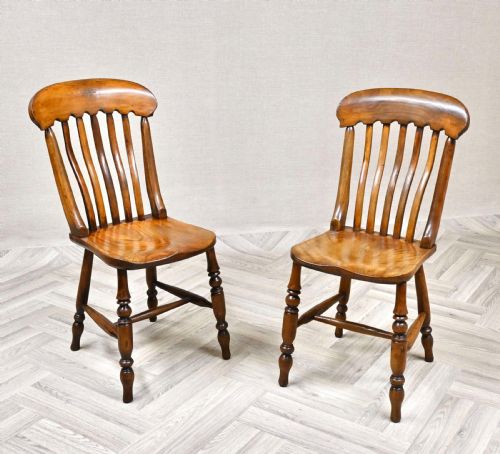
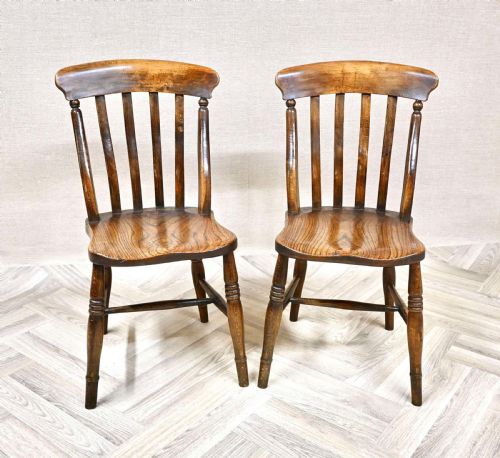
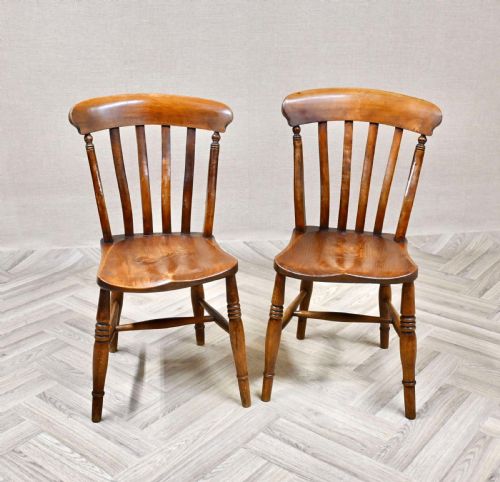
Country and kitchen variants dominate the selection, particularly elm and ash windsor chairs featuring wheelbacks, barbacks, and broad arms. Formal reception rooms are represented by mahogany, walnut, and oak side chairs, often displaying carved details aligned with gothic revival or renaissance revival tastes. Hall chairs appear frequently, distinguished by solid timber seats and elaborately carved or plain shield backs.
Materials and Construction
Cabinet makers utilised a rich palette of native and imported timbers, pairing elm seats with ash or beech spindles in country windsor forms. Formal seating relied on dense hardwoods such as mahogany, walnut, and oak, occasionally incorporating unusual woods like goncalo alves or pitch pine. Turned legs, steam-bent bows, and pegged joints provided structural integrity for daily domestic use.
Upholstered examples integrate traditional stuffing methods with period textiles, including leather, velvet, and patterned fabric secured with brass tacks. Carved ornamentation on walnut and mahogany models required skilled hand chisel work, visible on crest rails, splats, and balloon backs. Surface finishes range from waxed patinas on kitchen elm to polished mahogany and walnut frames.
Among the folding rocking chairs and gothic thrones, a pair of faux bamboo folding rockers offers unexpected nineteenth-century portability.
Design Integrity and Execution
Quality rests in the crispness of the timber carving and the fidelity of the designated style, whether aesthetic movement, gothic revival, or vernacular country. Finer pieces demonstrate thoughtful timber selection, matching grain patterns across the pair and retaining deep, original surface patinas. Structural soundness depends on tight joinery and minimal replacement parts among spindles, legs, and stretchers.
Lower tiers typically exhibit generic turning, softer secondary woods, or excessive replacement components that diminish historical cohesion. The distinction between utilitarian kitchen seating and formal reception furniture dictates the refinement of the finish, though honest country wear often adds desirable character to vernacular windsor chairs.
The Pair Victorian Wooden Chairs Glossary
- Windsor chair
- A wooden chair constructed with a solid timber seat into which the legs and back spindles are direct-inserted. These vernacular seats often feature steam-bent bows and comb or wheel backs.
- Hall chair
- A rigid wooden seat placed in an entrance hallway, traditionally featuring a solid timber or carved wooden back without upholstery. These items display heraldic crests or geometric carvings on the back panel.
- Balloon back
- An upholstered dining chair style characterised by a closed, curved oval backrest resembling a balloon. This Victorian design grew popular during the mid-nineteenth century in mahogany and walnut.
- Smoker's bow
- A low-backed Windsor armchair with a continuous curved arm rail resting on short spindles above an elm seat. Captains chairs and smokers bows served functional roles in domestic and commercial spaces.
- Gothic revival
- An architectural and decorative style drawing inspiration from medieval forms, featuring pointed arches, tracery, and heavy carved woodwork. This aesthetic influenced nineteenth-century domestic seating.
Pair Victorian Wooden Chairs: Frequently Asked Questions
How do I care for antique wooden chairs?
Maintain stable indoor humidity levels away from direct heat sources to prevent timber shrinkage and cracking. Apply microcrystalline wax periodically to nourish the wood and preserve the surface finish without attracting dust.
Avoid harsh chemical cleaning agents on both timber frames and upholstered panels. Regular gentle dusting with a soft, dry cloth protects the patina developed over centuries of use.
Were these chairs originally sold as pairs?
Many nineteenth-century seating options were manufactured in sets for dining rooms, halls, or parlours. Surviving pairs often represent the remnants of larger dining sets or matched drawing room arrangements.
Matching grain, turning details, and wear patterns help confirm whether two individual seats belonged together originally. Near pairs share similar stylistic traits but may display subtle variations in turning or timber tone.
What is the difference between a Windsor and a kitchen chair?
Windsor chairs utilise a distinct construction method where legs and back spindles fit directly into a thick sculpted wooden seat. This category encompasses wheelbacks, lathbacks, and smokers bows built for durability.
Standard kitchen chairs often feature framed construction with mortise and tenon joints rather than socketed spindles. Both types served utilitarian roles in nineteenth-century domestic settings but differ significantly in joinery technique.
Can these chairs be used around a modern dining table?
Many nineteenth-century side chairs and carvers fit comfortably beneath contemporary table heights, though seat heights should be verified before daily use. Sturdy oak, mahogany, and elm frames provide reliable support for regular seating.
Upholstered models and solid wood hall chairs add contrasting texture and historical character to modern interior schemes. Ensure structural joints remain firm before placing antique seating into heavy daily service.