

Carved Mahogany Hall Seating
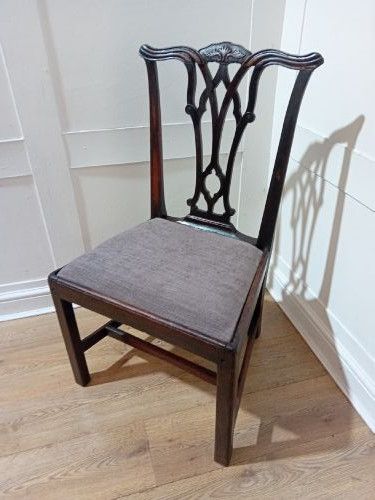
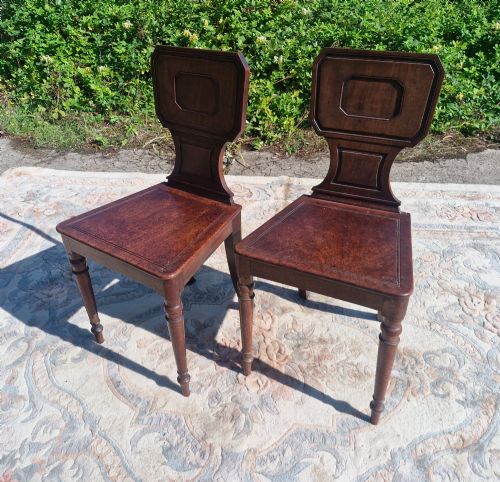
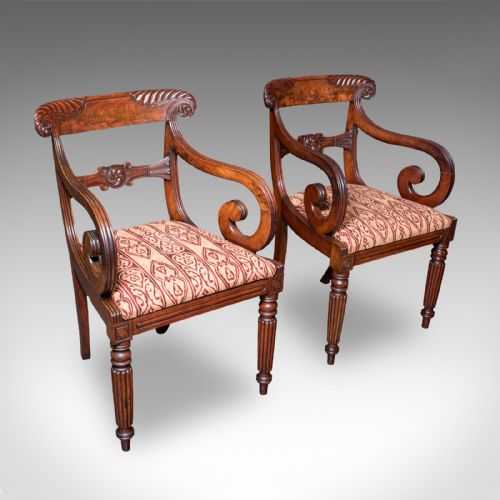
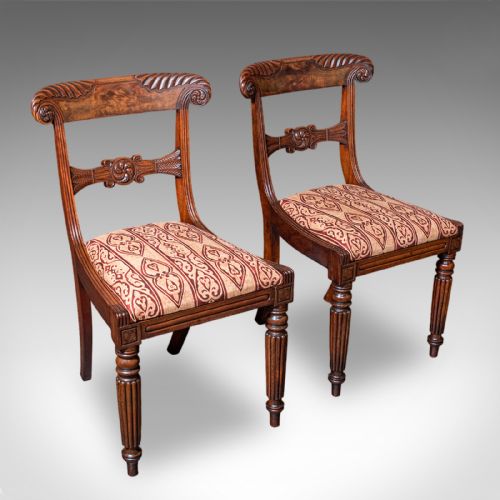
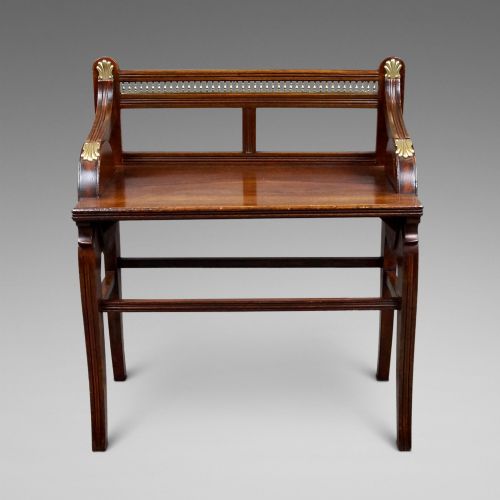
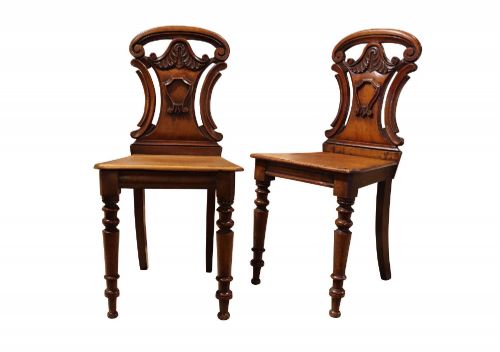
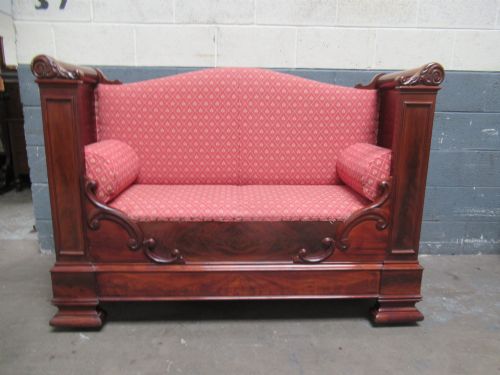
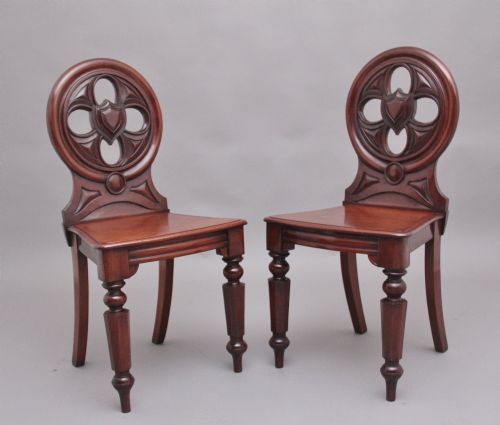
Carved mahogany hall seating brings architectural timber and formal presence into domestic spaces, ranging from George III armorial chairs to Regency window benches.
Carved Mahogany Hall Seating
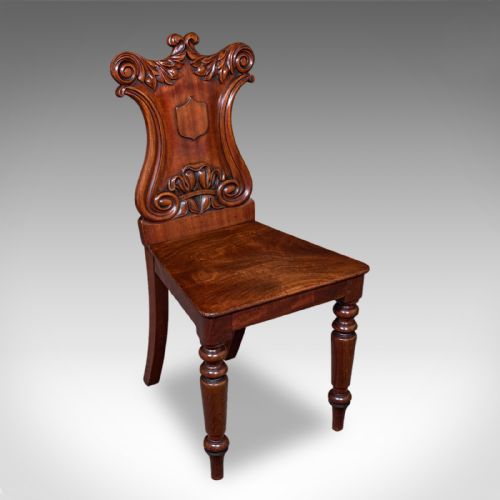
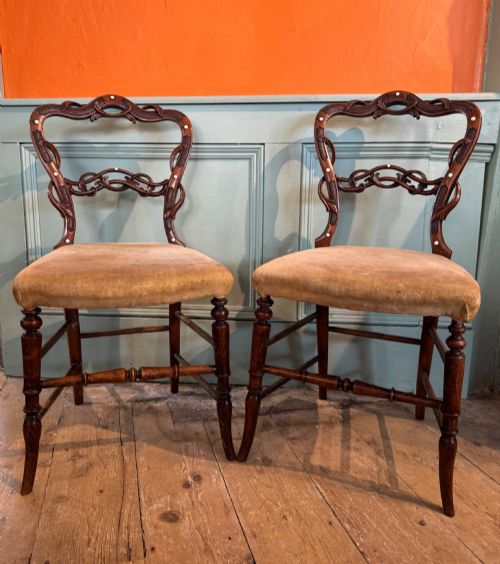
Carved mahogany hall seating encompasses rigid reception chairs, window benches, and side seats designed for grand entrances or morning rooms. These pieces originate from periods spanning the 18th century through to the Edwardian era, reflecting shifting domestic tastes in formal halls.
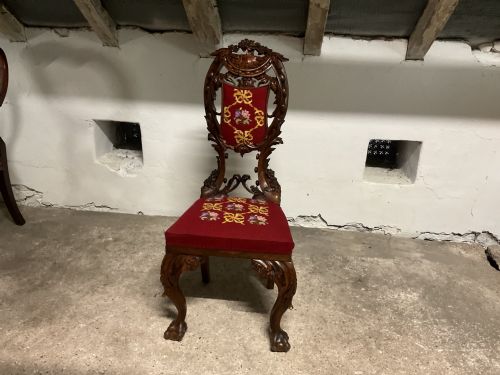
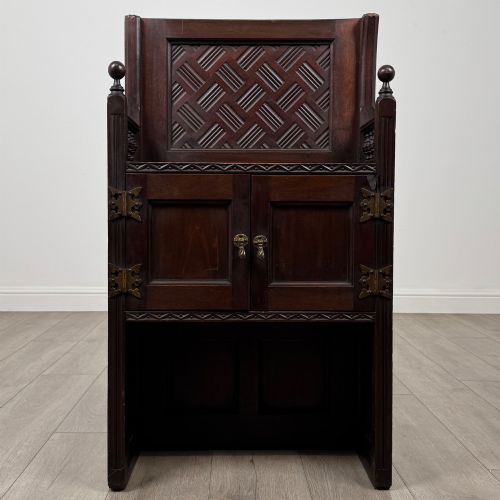
The buyer most frequently encounters paired or single 19th-century chairs alongside occasional window seats. Styles range from restrained Georgian proportion to heavy Victorian scrolling and Gothic revival details.
Materials and construction
Makers utilised dense imported mahogany for structural integrity and crisp carved detail. Secondary elements incorporate cane, brass fittings, and occasional fabric or tapestry upholstery.
Joinery relies on traditional pegged mortise and tenon construction, allowing heavy timber frames to withstand daily use in domestic entryways.
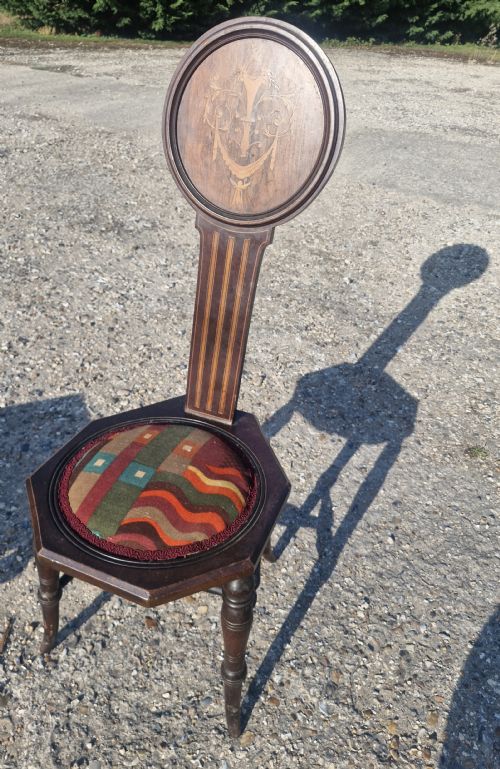
Some Victorian examples feature spinning mechanisms, proving that even entrance seating occasionally doubled as amusement.
Assessing quality in timber and design
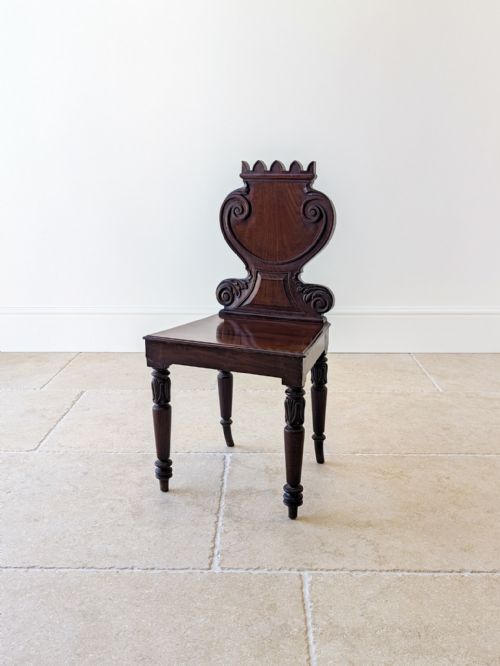
Quality rests upon the depth and sharpness of the timber carving, particularly on shields, scrolls, or armorial crests. Crisp hand-chiselled execution separates superior workshops from routine production.
Proportion and timber figure dictate value; well-figured grain and balanced structural lines separate utilitarian seating from notable parlour and hallway pieces.
Gillows·Jas Shoolbred
The Carved Mahogany Hall Seating Glossary
- Armorial
- A carved or painted coat of arms displayed upon the crest rail. This heraldic detail signifies noble provenance or family lineage.
- Pelta back
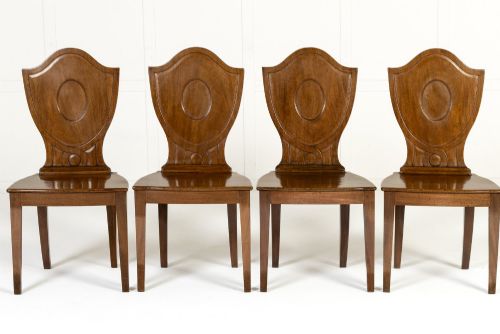
- A shield-shaped backrest resembling an ancient Greek infantry shield. This form appears frequently on Regency and George III hall chairs.
- Mahogany
- A durable tropical hardwood imported from the West Indies and Honduras. Its stability makes it ideal for intricate carving.
- Window seat
- An elongated bench designed to fit within a window recess. These items often feature scroll-carved ends or upholstered pads.
Carved Mahogany Hall Seating: Frequently Asked Questions
Where were hall chairs placed in historic homes?
These rigid seats stood primarily in grand entrance halls, vestibules, or corridors to accommodate visitors waiting for formal audiences.
Because they were intended for brief rather than lounging use, the seats lacked plush cushioning and relied on carved wooden panels.
How do I distinguish Regency pieces from Victorian ones?
Regency seating displays cleaner neoclassical lines, often incorporating reeded legs and classical motifs like the pelta back.
Victorian examples tend to feature heavier proportions, deeper relief carving, and elaborate scrollwork characteristic of mid-19th-century revival styles.
Can I use these historic seats for daily dining?
While structurally robust due to dense mahogany frames, most hall chairs feature shallow, rigid wooden seats designed for upright posture.
They function best as occasional seating or decorative hallway furniture rather than comfortable dining chairs.
Why do many hall chairs feature crests?
Armorial crests or painted shields were commissioned by prominent families to display lineage and identity to arriving guests.
These heraldic carvings turn functional entryway furniture into personal statements of status.