



Pair Victorian Spill Vases
Pair Victorian spill vases are mantelpiece ornaments designed to hold taper matches, bringing domestic history and sculptural character to any room.
Pair Victorian Spill Vases
When you search for pair victorian spill vases, you encounter dual mantelpiece vessels designed to hold taper matches for lighting fires and lamps. These domestic objects survive from the nineteenth century in various ceramic and metal forms.
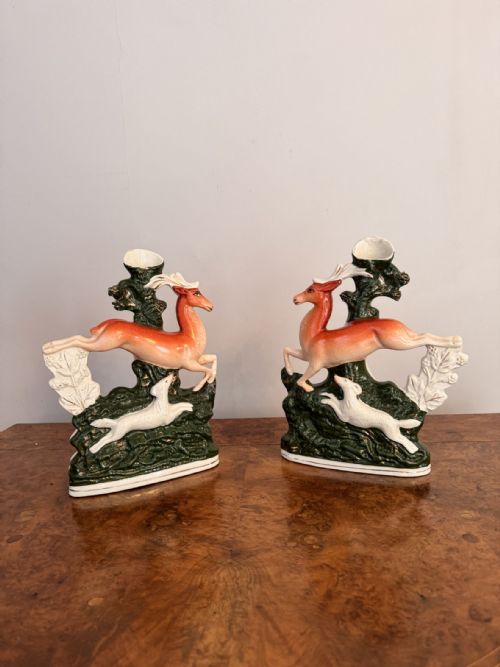
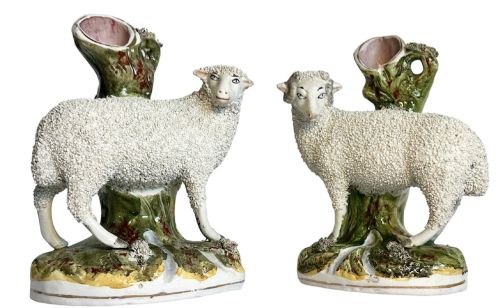
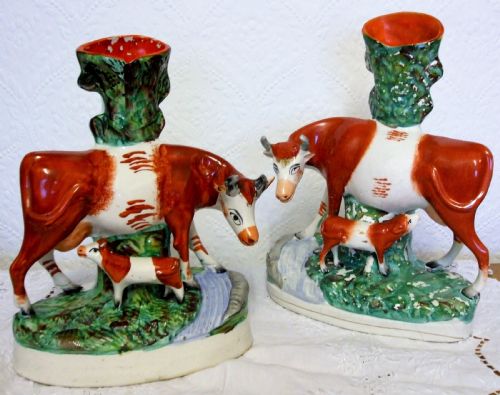
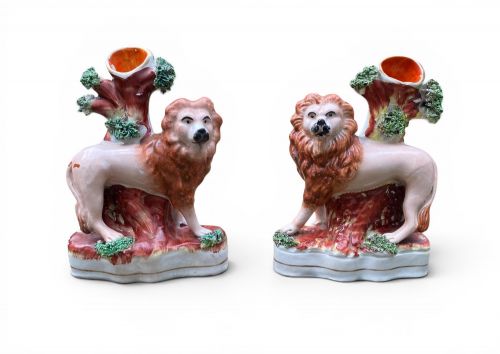
The most common examples on this page are Staffordshire figures and pottery pieces depicting animals, figures, and architectural motifs. These earthenware items often date from the mid to late Victorian period.
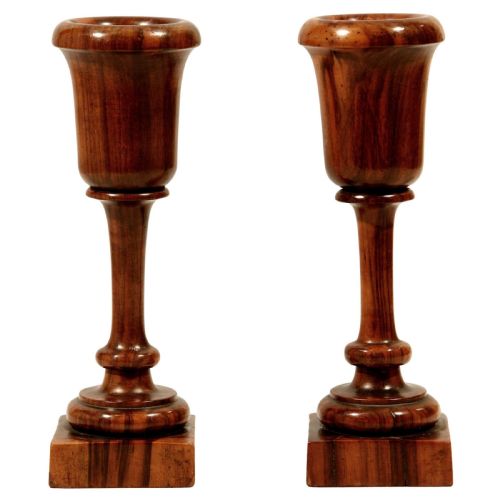
Alternative forms include turned wood, solid silver, and glass items produced during the same nineteenth century eras. Buyers find both simple cylindrical holders and elaborate sculptural groups incorporating livestock and human figures.
Materials and production
Pottery and earthenware pieces rely on moulded clay bodies finished with glaze, enamel colours, and occasional gilding. Staffordshire potters shaped these figures to combine decorative appeal with a hollow vertical stem for tapers.
Turned wood examples utilise dense timbers like oak and lignum vitae shaped on a lathe into urn stems. Metal versions employ sterling silver, copper, and brass formed through smithing and hallmarking.
Early Victorians apparently needed cows, sheep, spaniels, and Scots harvesters keeping a stern watch over their firewood matches.
Assessing quality and finish
The standard of painting and enamel detail separates basic production from superior pieces. Crisp modelling in the clay and careful hand-finishing elevate sculptural ceramic groups.
Material selection and metalwork execution define the upper tier of silver and wooden examples. Hallmark clarity and precise turning demonstrate superior workshop standards.
Locke And Co·Wedgwood·Kent Staffordshire Pottery
The Pair Victorian Spill Vases Glossary
- Spill
- A thin slip of wood or paper used for conveying a light from a fire to a candle or lamp. These vessels were made specifically to hold bundles of them.
- Staffordshire pottery
- Earthenware produced in the Potteries region of England, famous for utilitarian wares and chimney figures. Many nineteenth century examples depict animals and rustic scenes.
- Lignum vitae
- A very dense and heavy wood utilised for turned decorative items and utility objects. Its dark grain responds well to lathe work.
- Jasperware
- A type of fine stoneware developed with coloured ground and applied white relief ornaments. Wedgwood made this ceramic famous during the neoclassical revival.
Pair Victorian Spill Vases: Frequently Asked Questions
What were spill vases used for?
These vessels held wooden tapers called spills near domestic hearths. People used the burning spills to light candles, oil lamps, and tobacco pipes before matches became common.
Over time, they evolved into purely decorative mantelpiece ornaments. Pairs were balanced symmetrically on either side of a fireplace mirror or clock.
How do I identify Victorian pieces?
Victorian examples often display nineteenth-century manufacturing traits such as earthenware bodies, hand-applied enamel colours, and flat backs intended for mantel placement. Stylistic clues include neoclassical motifs or popular rustic animal subjects.
Matching archival records and registered design marks helps narrow down manufacturing decades. Silver versions carry date letters within their hallmarks that pinpoint the exact year.
Are all spill vases made of ceramic?
While Staffordshire pottery forms dominate the market, makers produced these vessels in many other materials. Examples appear in turned wood, blown glass, copper, brass, and solid sterling silver.
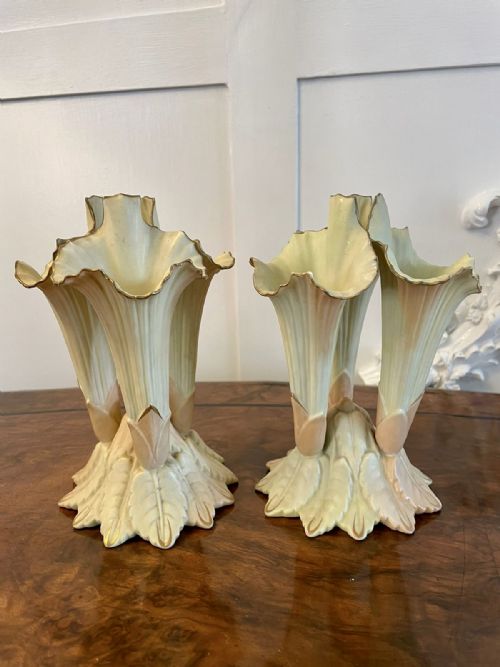
Each material reflects the interior fashion of its specific decade within the nineteenth century. Metal and glass versions often feature neo-classical or trumpet shapes rather than figural designs.
How should I display them at home?
Display pairs symmetrically on a mantelpiece, sideboard, or console table to respect their original domestic context. Ensure they sit away from high-traffic edges because antique earthenware and glass remain vulnerable to knocks.
Keep them out of direct sunlight to protect hand-painted enamel colours and gilt highlights. Gentle dusting with a dry brush maintains the glazed surfaces safely.