
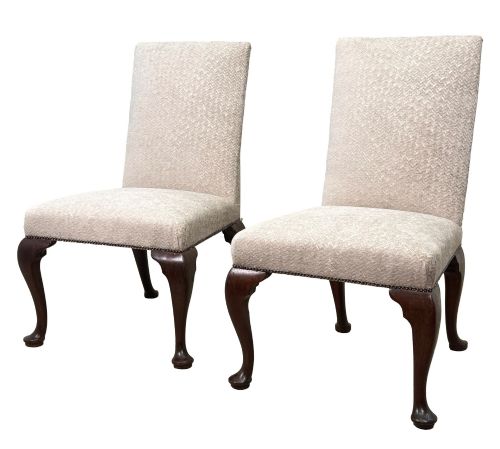
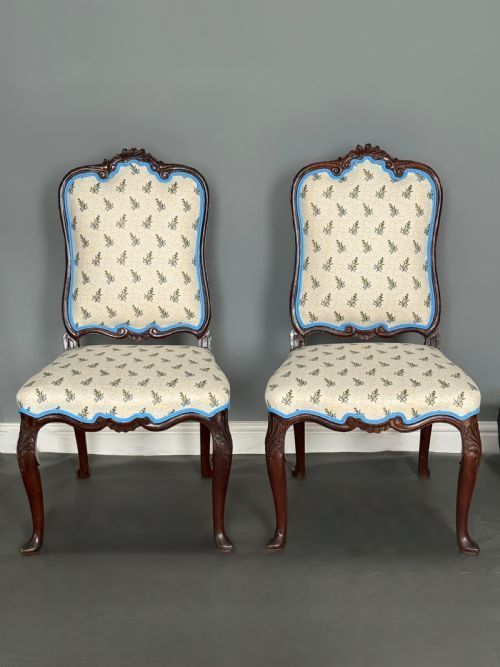
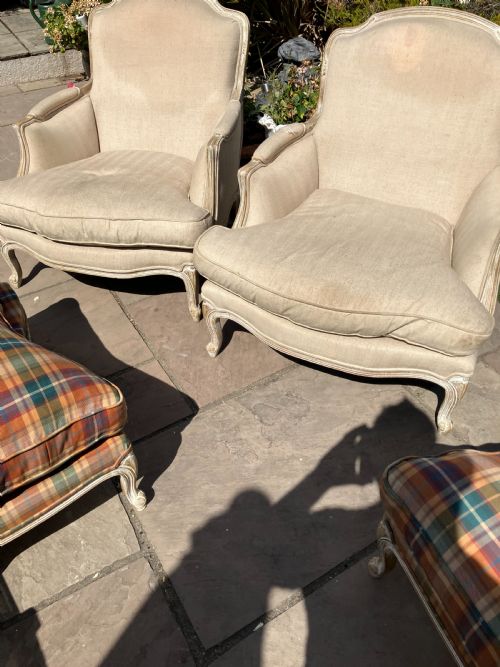


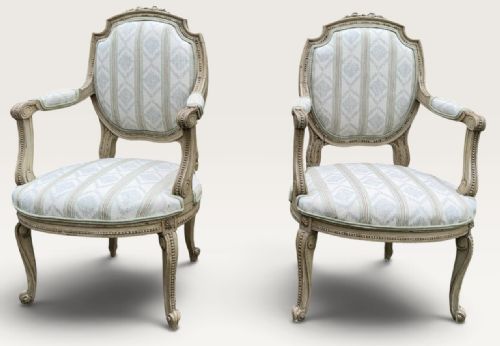
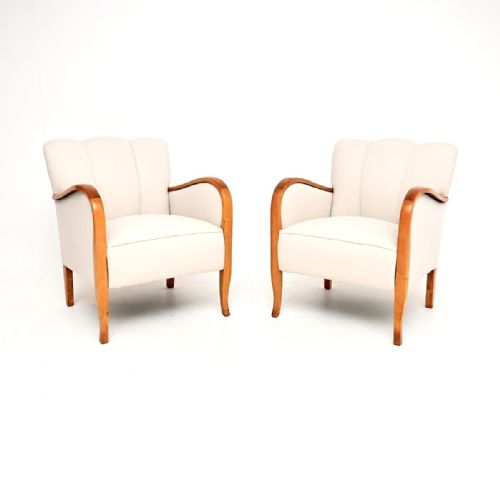
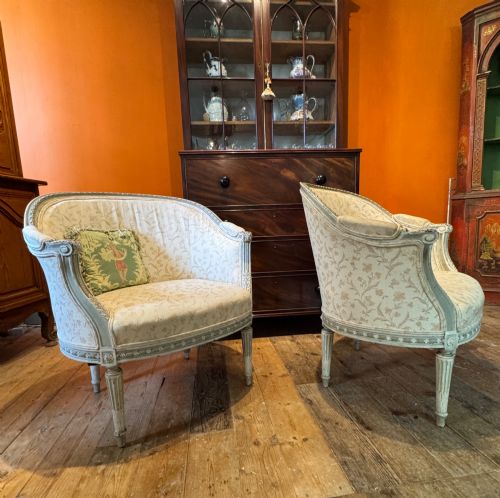
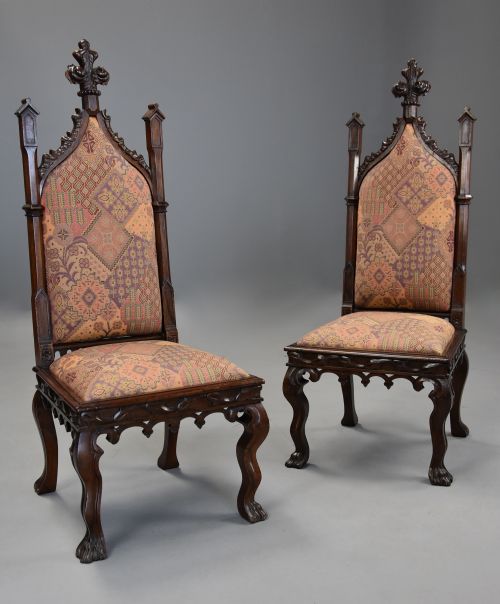
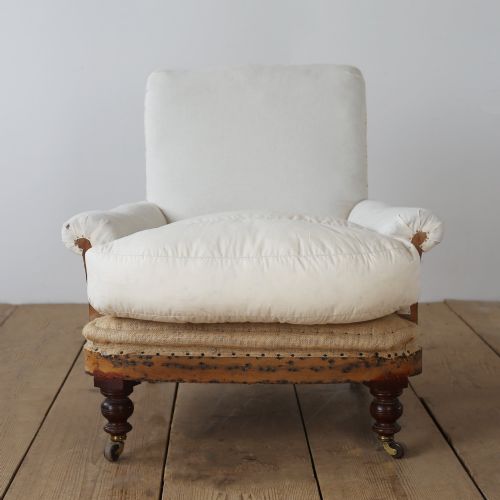
Pair Upholstered Seats
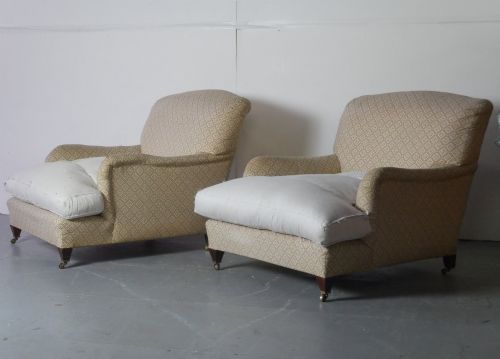
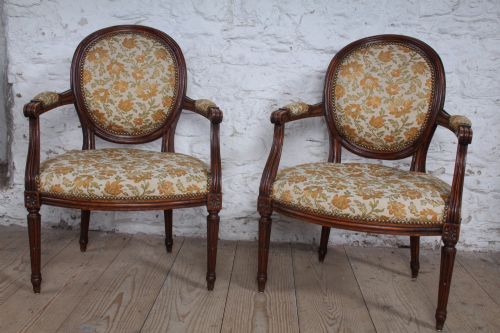
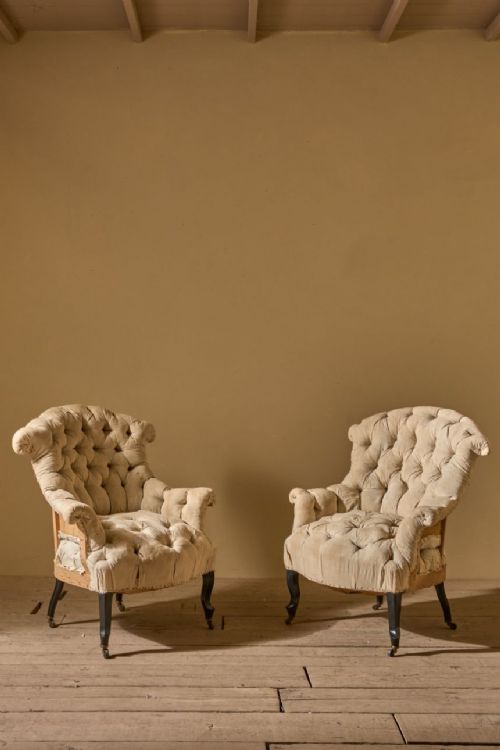
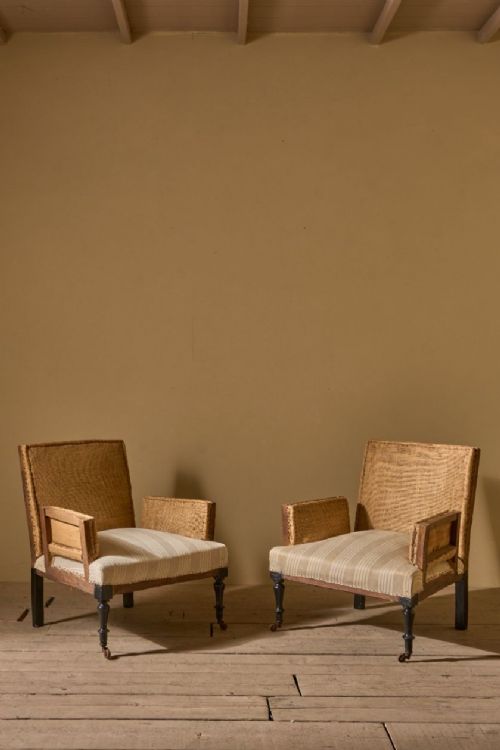
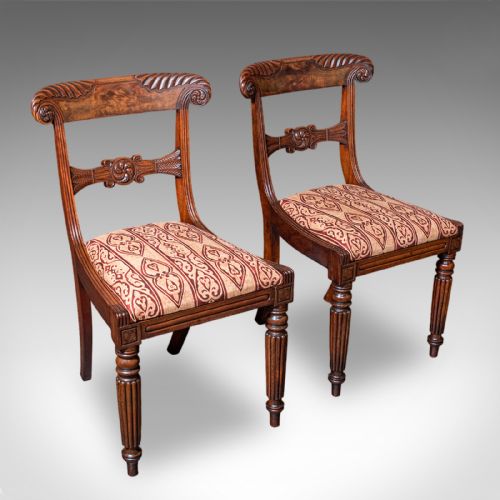
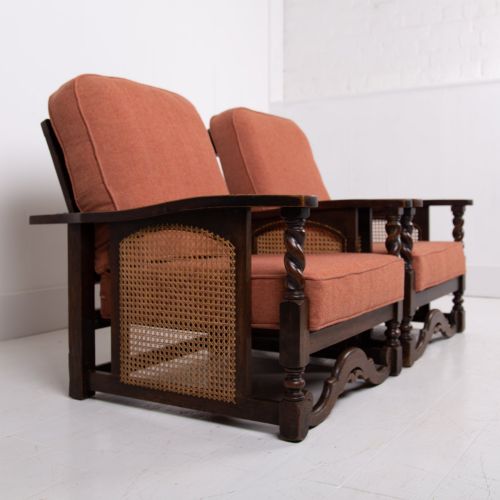
These pair upholstered seats offer matched seating solutions, bringing balance and historical character to a room through dual construction.
Pair Upholstered Seats
A search for pair upholstered seats reveals dual seating forms spanning centuries, from formal eighteenth-century French designs to twentieth-century club chairs. Buyers encounter armchairs, side chairs, and stools designed to function as a matched set within a drawing room, bedroom, or reception space.
Materials and construction methods
Craftsmen built the underlying frames using hardwoods such as mahogany, walnut, oak, and satin birch, often applying carved details, parcel gilt, or painted finishes. Joinery methods varied from traditional pegged joints to elaborate scroll-carved backs and shaped crest rails.
Upholstery utilised traditional textiles including linen, calico, tapestry, and fabric coverings fixed over sprung or overstuffed foundations. Caning and split cane panels also appear within structural frames, paired with brass fittings and decorative nailhead trim.
Listings feature eighteenth-century pieces alongside nineteenth-century Victorian designs and twentieth-century art deco examples.
Distinctions in craftsmanship and preservation
Quality rests in the crispness of the timber carving and the structural integrity of the frame, where fine grain execution distinguishes standard production from notable workshop output. Original finishes, such as early paint layers or patinated polished wood, elevate the preservation status.
The integrity of the upholstery foundation and the survival of maker documentation, such as stamps or labels, separate standard examples from superior pieces. Cohesion between the two seats in a pair remains vital for overall desirability.
Charles Tozer·W A Willcocks·Whytock and Reid·Howard and Sons
The Pair Upholstered Seats Glossary
- Bergere
- An enclosed upholstered armchair with wooden framing around the sides and back. These seats typically feature cane panels or fully upholstered sides.
- Overstuffed
- A seating construction where the upholstery covers the wooden frame completely. This technique conceals the rails beneath fabric or leather.
- Parcel Gilt
- A decorative surface treatment where portions of a wooden object are highlighted with gold leaf. The remaining areas display exposed wood or painted colour.
- Salon Chair
- A lightweight decorative seat intended for formal reception rooms. These chairs often incorporate ornate carving or revival styling.
- Splint Cane
- Woven material utilised for chair panels and seat backs. This technique creates a patterned grid of split plant material.
Pair Upholstered Seats: Frequently Asked Questions
How do I place a pair in a room?
Matched seats work effectively when positioned symmetrically around a fireplace or flanking a window. They create visual balance without overwhelming the floor plan.
Separating the pair across different corners can disrupt the visual harmony of the room. Keeping them together preserves their intended decorative function.
Can I use these seats daily?
Many sturdy nineteenth and twentieth-century frames accommodate regular sitting when the internal webbing remains sound. Careful evaluation of the structural joints ensures safe daily use.
Delicate eighteenth-century frames or pieces with fragile original textiles require lighter usage. Protective placement prevents undue wear on antique surfaces.
How do I identify the period?
Stylistic cues such as cabriole legs, balloon backs, or art deco geometry point toward specific design eras. Wood types like Cuban mahogany or satin birch also provide chronological clues.
Maker stamps and labels offer definitive dates and workshop origins. Comparing carved motifs against known historical styles confirms the period.
What maintenance do antique textiles need?
Regular gentle vacuuming with a soft brush attachment removes surface dust without damaging fragile fibres. Keeping upholstered pieces away from direct sunlight prevents fabric fading.
Professional textile conservation handles deeper cleaning needs for antique coverings. Avoiding harsh chemical cleaners preserves the integrity of historic fabrics.