

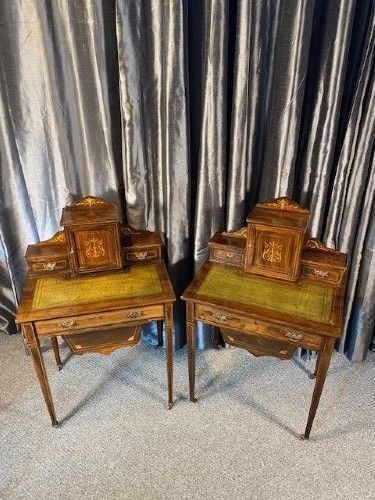
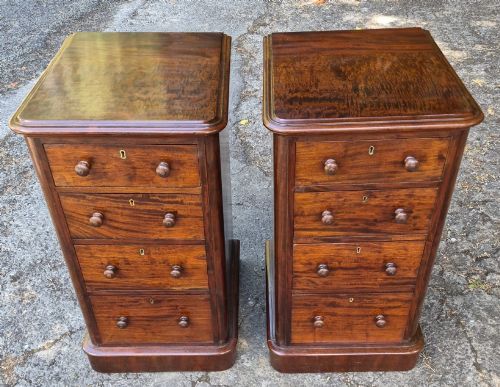
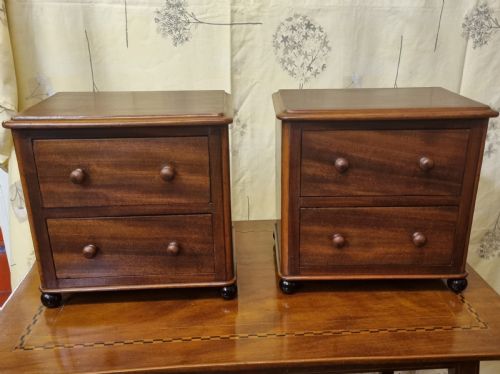
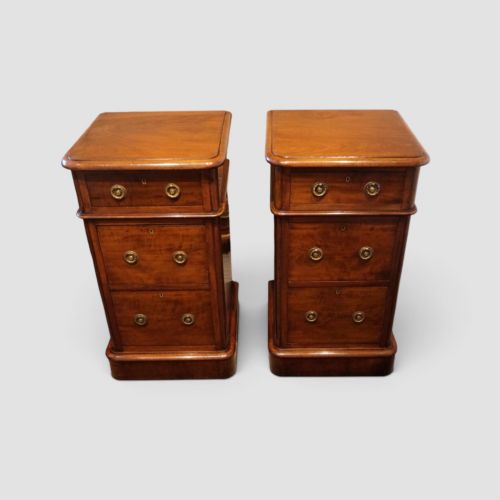
Pair Small Cabinets
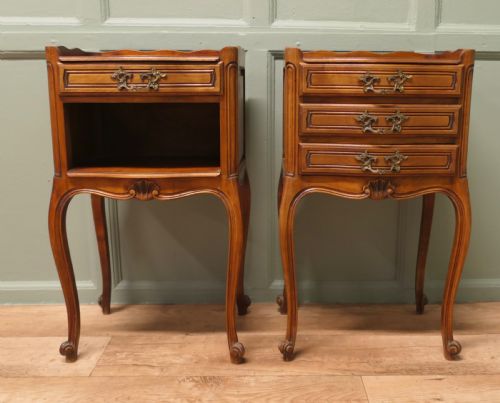
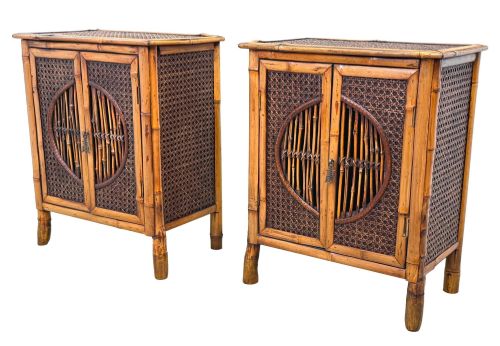
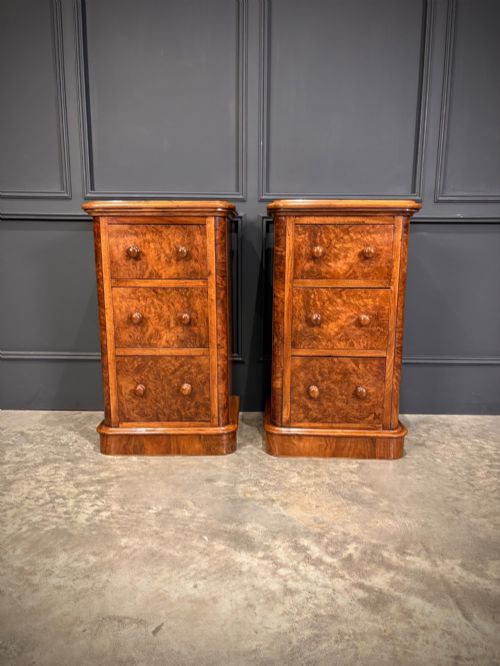
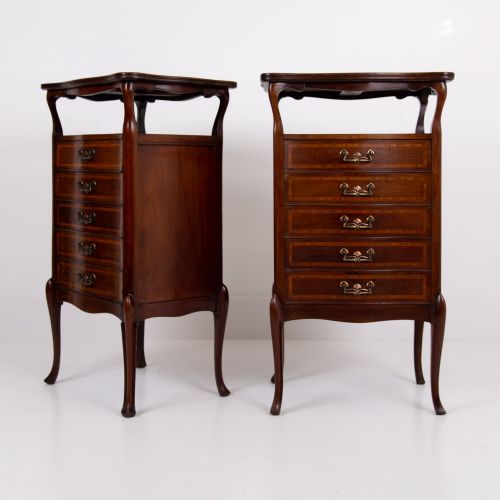
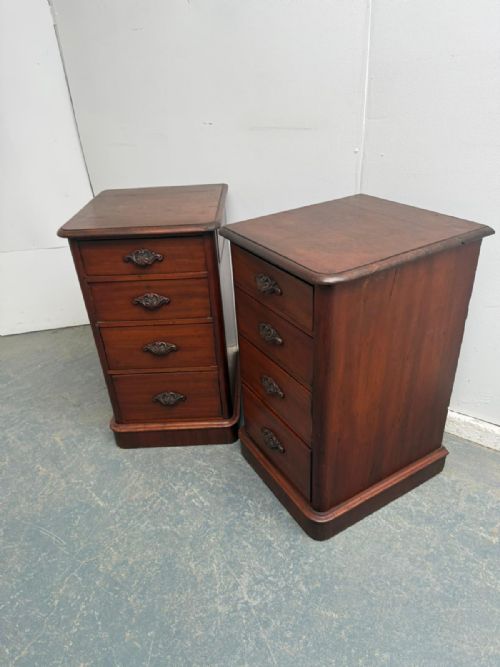
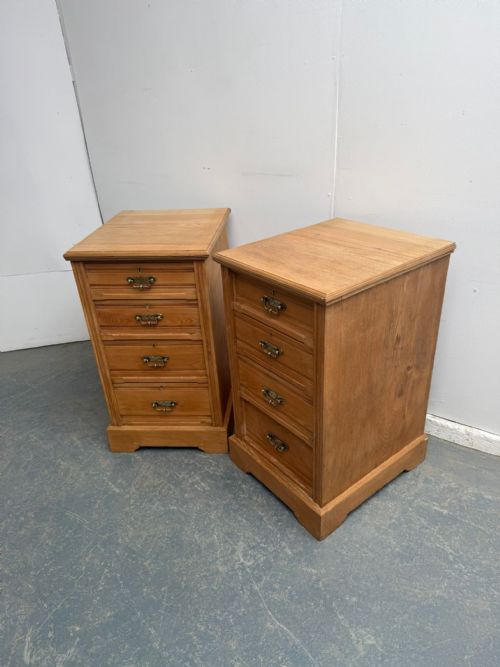
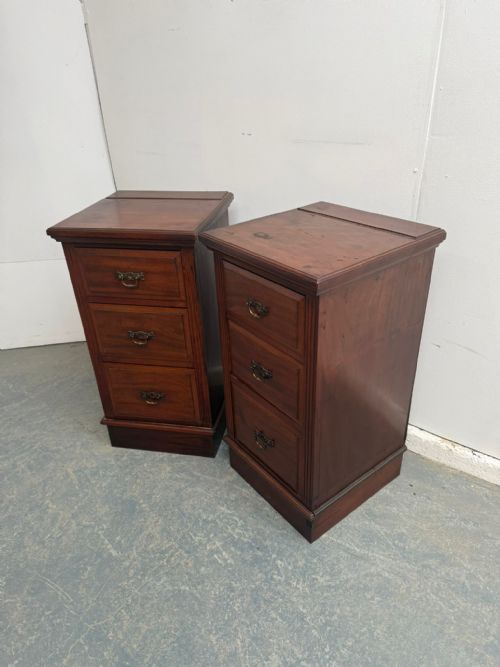
When you search for pair small cabinets, you uncover matched items spanning bedside storage, tabletop cupboards, and compact chests designed for symmetry in domestic spaces.
Pair Small Cabinets
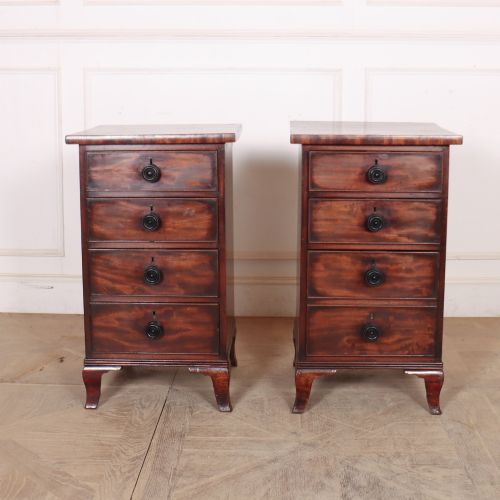
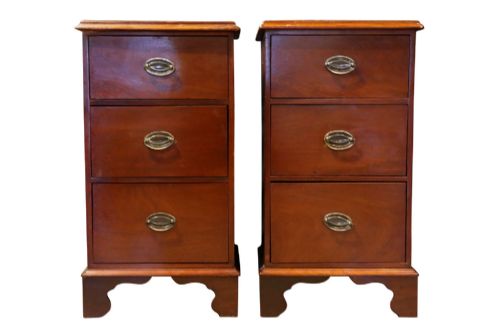
A search for pair small cabinets reveals items primarily functioning as bedside chests, nightstands, and compact side tables. These matched pieces serve domestic storage needs while maintaining balanced proportions on either side of a bed or within smaller rooms.
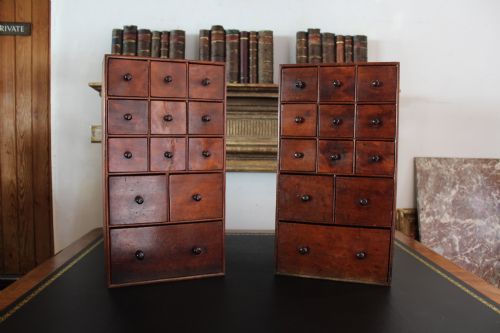
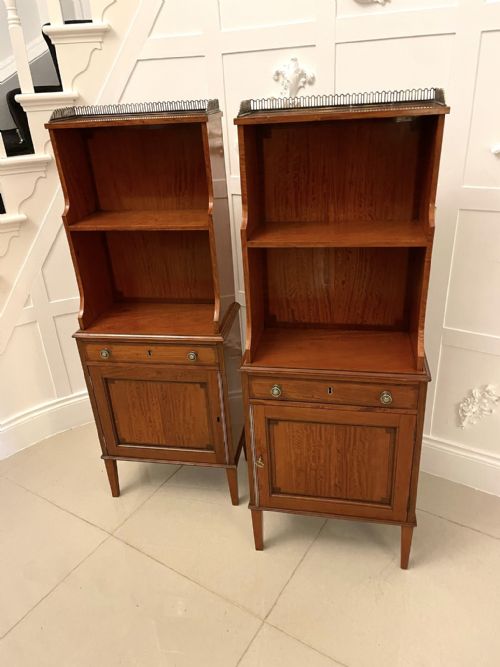
The selections recorded here cross multiple forms, including miniature cupboards, narrow bookcases, and small chests of drawers. Most examples date from the nineteenth and early twentieth centuries, reflecting changing domestic requirements for bedroom and parlour organisation.
Origin variations include English vernacular designs alongside continental French and Chinese pieces. Buyers encounter both utilitarian bedside tables and decorative occasional cabinets utilising woods like mahogany, walnut, and oak.
How they were made
Makers constructed these compact pieces using sturdy hardwoods such as mahogany, walnut, and oak, frequently applying burr veneers or satinwood to visible exterior surfaces. Joinery methods relied on traditional drawer construction and frame-and-panel assemblies suited to smaller dimensions.
Decorative enhancements involve brass hardware, inlay work, marquetry, parquetry, and painted finishes including chinoiserie lacquer. Some pieces incorporate leather inserts or carved detailing aligned with specific period styles like Art Deco, Edwardian, or Victorian gothic.
Among the small cupboards sit specialised nineteenth-century homeopathic chests designed for tiny medicinal phials.
What varies in quality
The degree of matching within a pair heavily influences distinction, as truly uniform sets require identical timber grain and ageing. Subtle discrepancies in height, drawer configuration, or secondary woods indicate whether pieces originated together as a matched pair or were assembled later.
Execution of decorative elements such as hand-cut inlays, parquetry patterns, and solid brass handles separates standard utility pieces from finer workshop productions. The integrity of the structural timber and the retention of original surface finishes further determine the standing of each item.
Gillows·D Napier And Sons
The Pair Small Cabinets Glossary
- Bedside chest
- A low chest of drawers designed to stand beside a bed for holding personal items. These often feature three or four small drawers.
- Parquetry
- A geometric mosaic of wood pieces used for decorative floors and cabinet surfaces. This technique creates patterned tops and drawer fronts on twentieth-century pieces.
- Aesthetic design
- A late nineteenth-century movement emphasising visual beauty over narrative subject matter. Cabinets in this style often incorporate bamboo or distinct structural alignments.
- Pier cabinet
- A tall, narrow piece of furniture built to fit wall spaces between windows. These items frequently feature glass doors or open shelving.
- Chinoiserie
- European interpretations of Chinese decorative arts featuring lacquered surfaces and painted motifs. This style appears on select twentieth-century small cabinets.
Pair Small Cabinets: Frequently Asked Questions
What rooms suit pair small cabinets?
These compact pieces fit easily beside beds, along narrow hallways, or in reception rooms where space is limited. Their matched nature provides visual symmetry without dominating smaller layouts.
They function effectively as lamp tables, nightstands, or auxiliary storage surfaces for books and everyday objects.
How do I spot a true pair?
True pairs share identical dimensions, timber grain patterns, handle types, and internal construction methods. Makers often built them simultaneously from the same board.
Close inspection of the secondary woods and drawer linings helps verify whether two independent cabinets were later grouped together.
How do I care for waxed wood?
Waxed surfaces require occasional application of a suitable beeswax polish to nourish the timber and maintain a soft sheen. Avoid placing these cabinets near direct heat sources or strong sunlight.
Regular dusting with a dry, soft cloth prevents particulate buildup on carved details and inlaid sections.
What periods are represented?
The available selection spans from the early nineteenth century through the Art Deco period of the 1930s. Victorian and Edwardian examples feature prominently among the surviving stock.
Stylistic markers range from Georgian mahogany proportions to painted French provincial finishes and twentieth-century parquetry.