


Vintage Oak Wall Cabinet
A vintage oak wall cabinet brings immediate warmth and practical storage to a room, drawing the eye with rich timber grain.
Vintage Oak Wall Cabinet
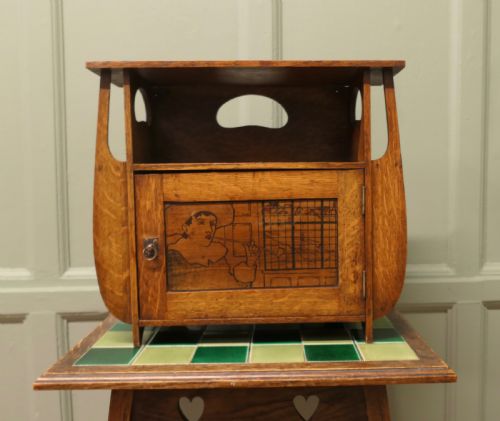
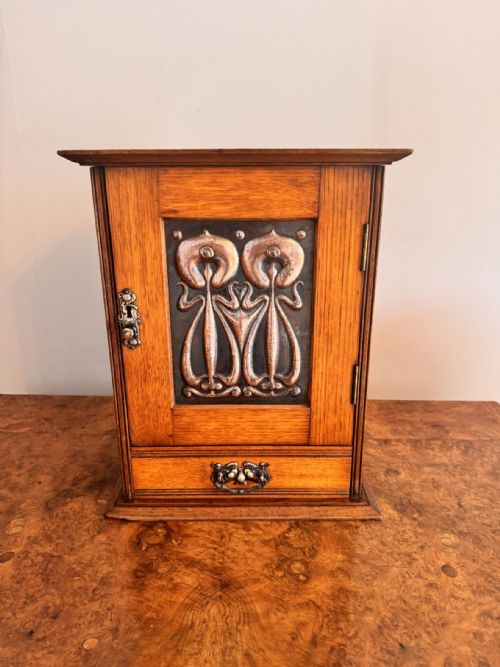
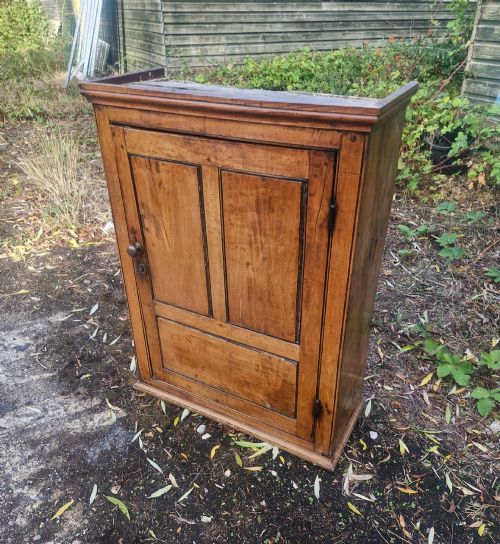
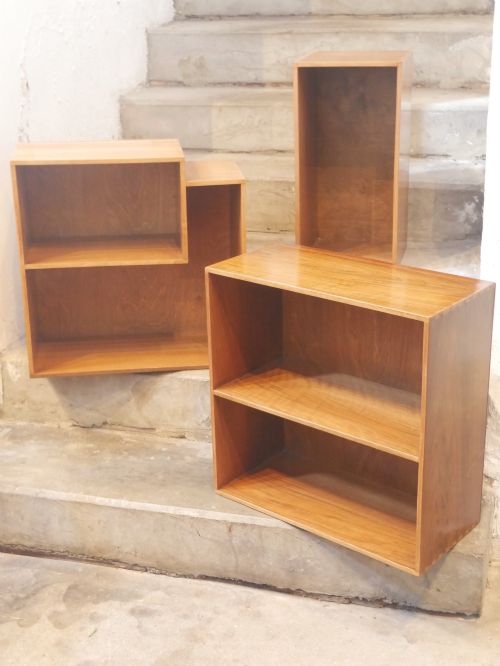
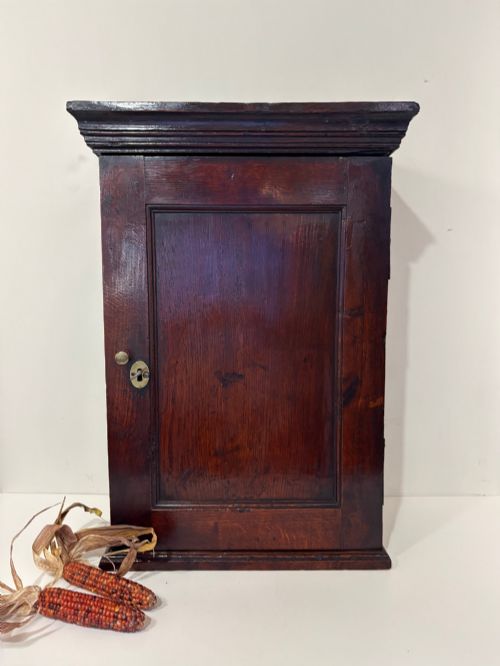
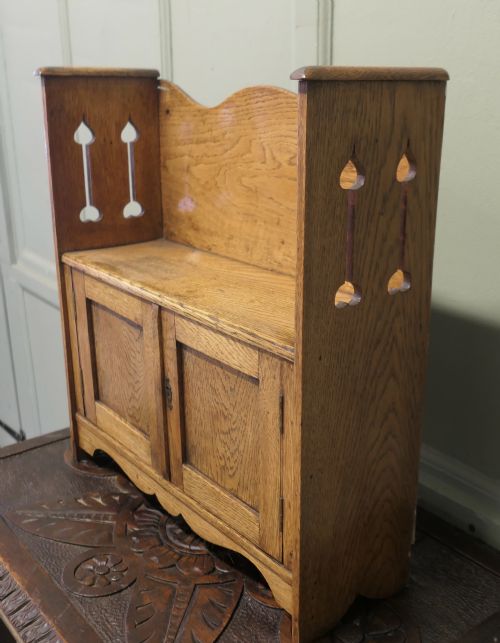
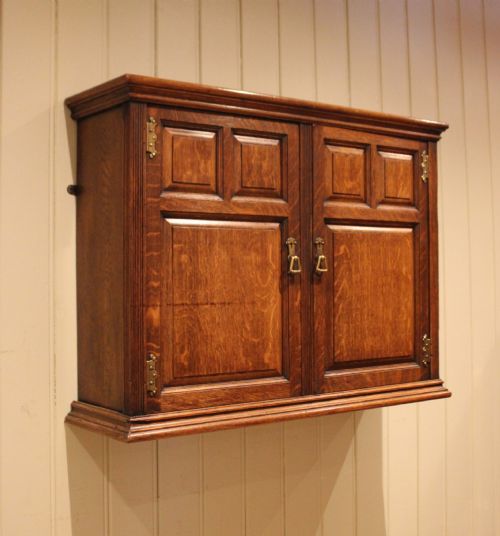
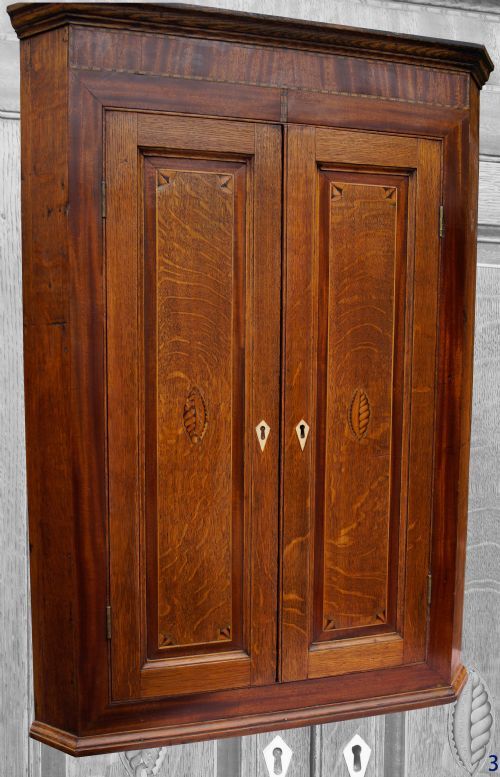
When you search for a vintage oak wall cabinet, you encounter sturdy timber storage units designed to mount securely above floor level. The selections span compact hanging cupboards, spice boxes, and corner units originating from the eighteenth, nineteenth, and early twentieth centuries. Georgian and Victorian examples dominate, often featuring simple hanging brackets or panelled doors suited for domestic organisation.
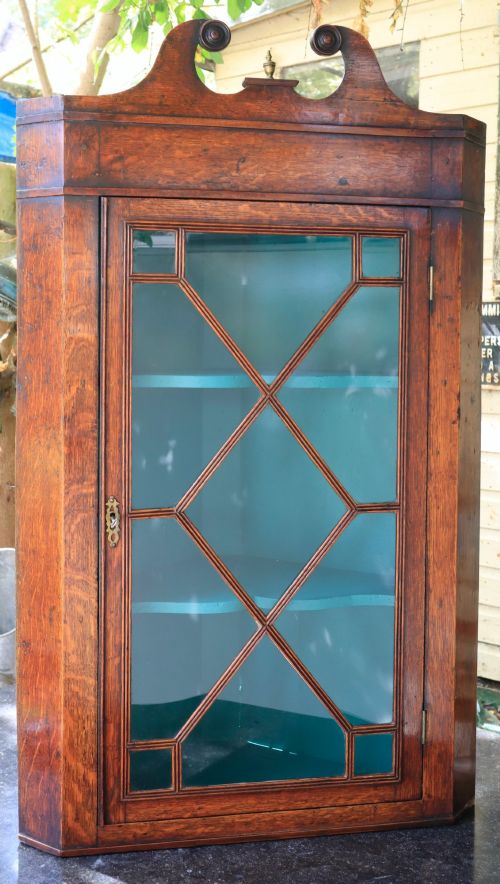
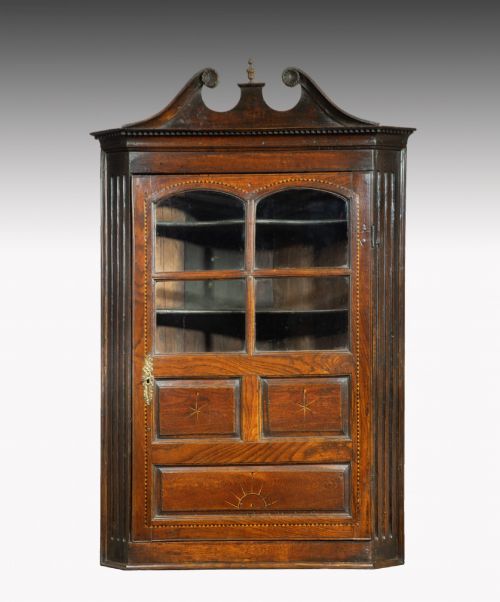
Many items utilise corner configurations to maximise tight spaces, while others provide glazed fronts for displaying small collections or kitchenwares. English and French country workshops produced the majority of these pieces, employing solid timber construction to endure decades of daily use.
How they were made
Joiners built these cabinets using solid oak planks, frequently combining secondary timbers such as pine for internal shelving or back panels. Construction relied on traditional mortise and tenon joints, secured with wooden pegs or hand-forged iron nails.
Surface decoration often involved simple hand-carved panels, brass hinges, and occasional glass panes for glazed doors. Craftsmen finished the timber with natural oils or waxes, allowing the grain pattern to remain prominent.
Listings feature oak alongside secondary materials such as pine, brass, glass, and iron across Georgian and Victorian periods.
What varies in quality
The standard of a cabinet depends upon the selection of timber and the precision of the joinery. Superior examples display dense, well-figured oak boards with minimal warping and intact original hardware like brass butterfly hinges or working key escutcheons.
Later adaptations or poor timber selection in secondary woods diminish the integrity of the piece. Cabinets retaining their original backboards, mounting points, and unpainted patination hold greater structural and historical merit.
Thurston and Co of London·Heals
The Vintage Oak Wall Cabinet Glossary
- Corner cupboard
- A storage unit specifically built with a triangular footprint to fit snugly into the internal angle of a room. These saved valuable floor space in smaller domestic interiors.
- Hanging cupboard
- An enclosed wall cabinet fitted with internal brackets or fixing points designed to suspend above the ground. They kept contents dry and away from damp stone floors.
- Mortise and tenon
- A traditional woodworking joint where a protruding tongue fits tightly into a matching cavity. This method created strong, durable frames without relying on modern adhesives.
- Glazed display
- A door or panel inset with glass panes to showcase contents while protecting them from dust. This treatment appears frequently on upper shelving sections.
- Patina
- The surface sheen and colour acquired by timber through decades of handling, light exposure, and polishing. It serves as an indicator of age and continuous use.
Vintage Oak Wall Cabinet: Frequently Asked Questions
How do I hang a heavy oak wall cabinet?
Most antique wall cabinets feature original fixing brackets or internal mounting battens affixed to the rear stiles. Ensure your fixings anchor directly into solid wall studs or masonry rather than relying solely on plasterboard.
Distributing the weight evenly across multiple support points prevents structural strain on older joints and keeps the cabinet secure.
What is the difference between a corner cupboard and a wall cabinet?
A corner cupboard specifically utilises a triangular shape designed to occupy the ninety-degree junction of two walls. Standard wall cabinets feature flat rectangular backs intended for placement on a single straight wall.
Both types typically hung at eye level or above working surfaces to save floor space in domestic kitchens and parlours.
How do I clean and maintain vintage oak?
Apply a traditional beeswax polish sparingly with a soft cloth to nourish the timber and preserve the surface sheen. Avoid modern silicone sprays or excessive moisture, which can damage the aged finish and lift the grain.
Regular dusting with a dry lint-free cloth keeps the wood clean without stripping its natural patination.
Are these cabinets suitable for modern bathrooms?
While some Edwardian and Victorian hanging cabinets served as key holders or mirrored bathroom cupboards, solid oak requires protection from excessive humidity. Bathrooms with heavy shower steam can cause old timber to warp and adhesives to fail.
Placement in a well-ventilated cloakroom or hallway is generally safer for preserving the antique wood.