
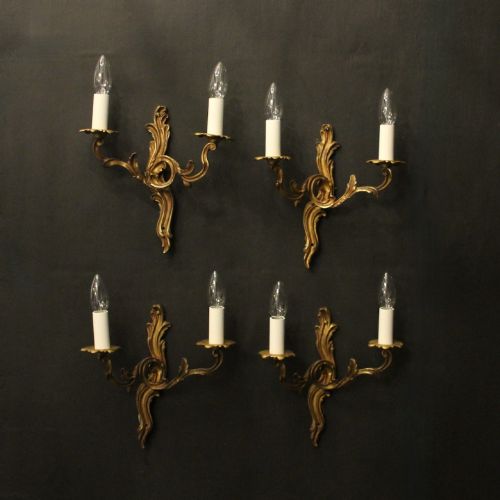
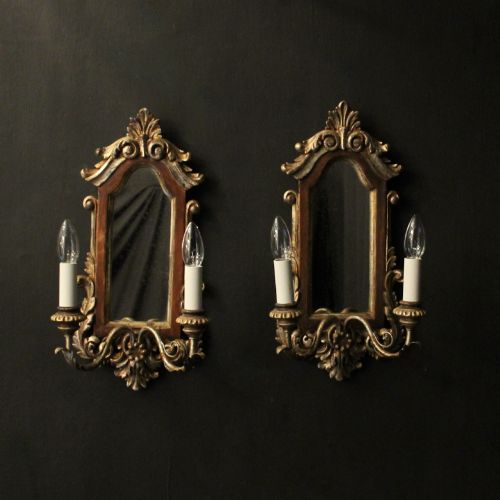
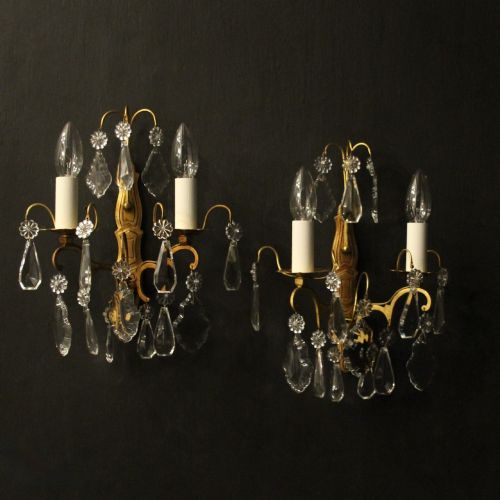
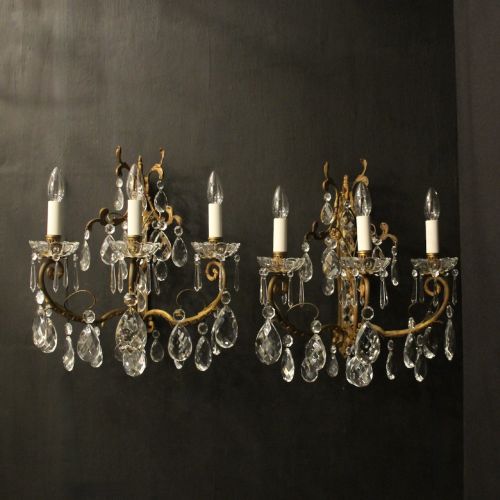
Pair Rococo Wall Sconces
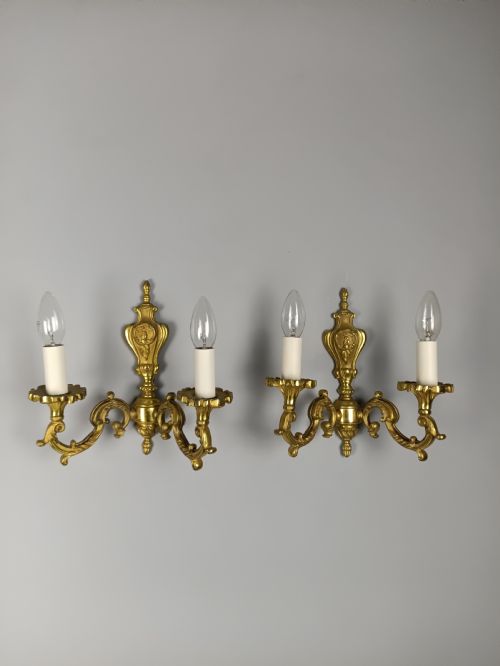
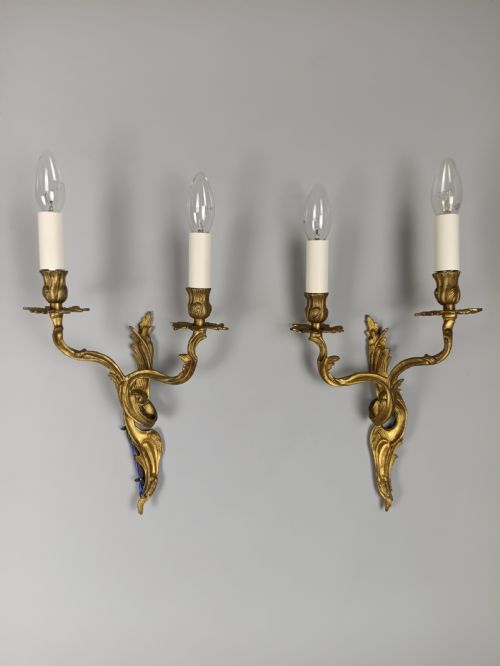
Pair rococo wall sconces bring asymmetrical curves and candlelight into a room, offering the decorative flair of eighteenth-century France.
Pair Rococo Wall Sconces
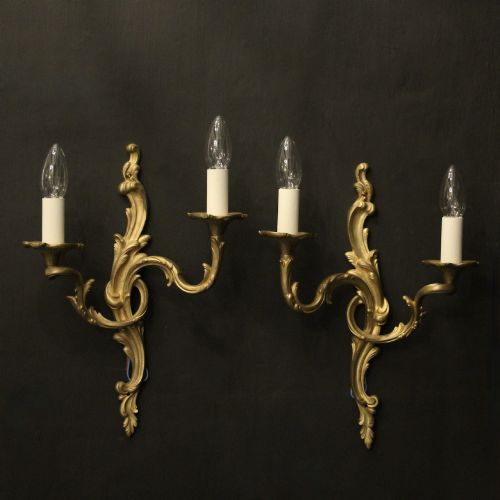
When searching for pair rococo wall sconces, buyers encounter lighting fixtures designed with flamboyant scrolls, C-scrolls, and naturalistic motifs derived from French and Italian traditions. These decorative pieces project outward from a wall surface to hold candles or electric bulbs in matched sets.
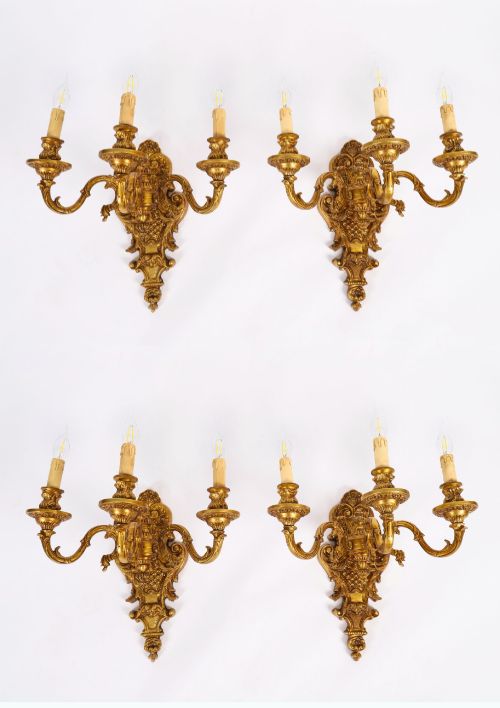
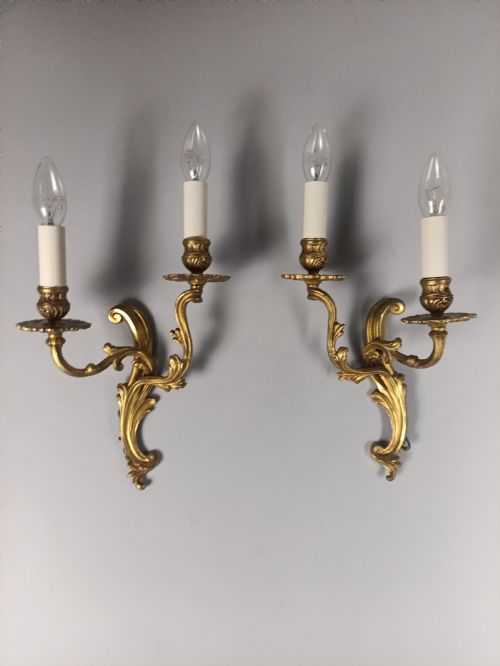
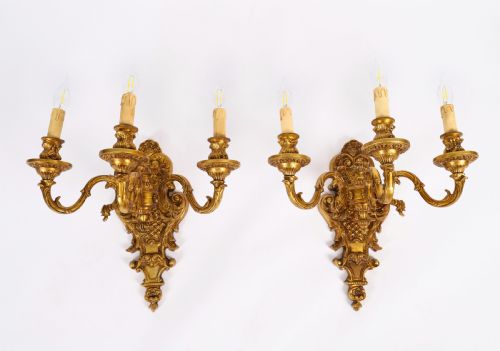
The versions most commonly met on this page date from the nineteenth and early twentieth centuries, drawing heavily upon earlier eighteenth-century designs. They appear frequently in French and Italian regional variations, ranging from modest single-arm brackets to grand multi-branched appliques.
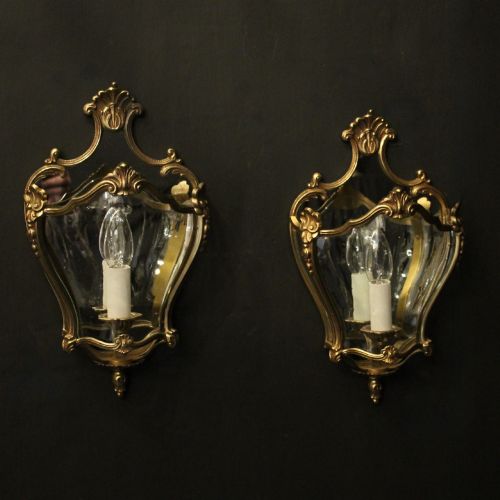
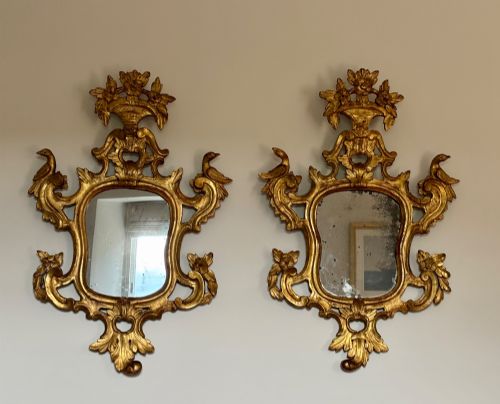
Makers and craftsmen utilised forms such as girandoles, wall mirrors, and corbels alongside standard wall lights. Each pair demonstrates the characteristic asymmetrical balance and exuberant ornament typical of the revival periods.
Materials and construction
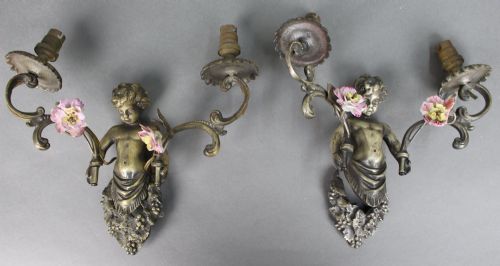
Artisans employed cast metals including bronze, brass, and ormolu, applying gilding to produce a luminous surface finish. These metal components were often chased to sharpen details like foliage, scrolls, and cherubs.
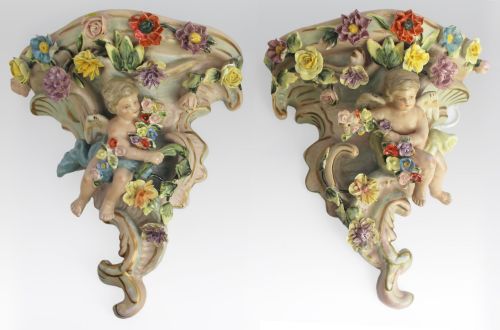
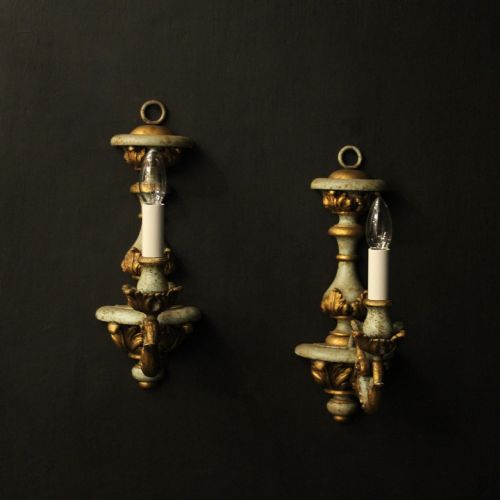
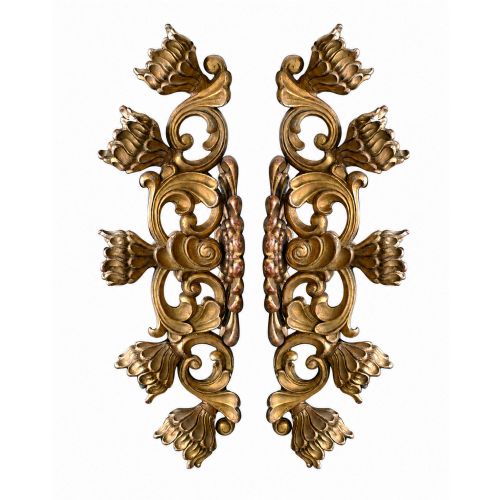
Woodcarvers utilised softwoods to shape giltwood frames and backplates, applying gold leaf over prepared grounds. Additional elements incorporate porcelain flowers, mirrored glass, and polychrome pigments to enrich the overall visual texture.
The listings show pieces spanning from the eighteenth century through the 1930s, encompassing French Rococo, Italian Baroque, and various revival styles.
Distinctions in craftsmanship
Carved wooden components show varying degrees of dexterity, where superior pieces exhibit deep undercut scrolls and cleanly defined botanical motifs rather than shallow, mechanical milling. The quality of the gilding, whether gold leaf or metallic paint, determines the long-term brilliance of the finish.
The Pair Rococo Wall Sconces Glossary
- Ormolu
- Gilded bronze produced through a mercury amalgamation process that created a durable, rich golden surface. This technique was widely utilised in French workshops during the eighteenth and nineteenth centuries.
- Girandole
- A branched wall light or sconce incorporating a mirror backplate to reflect and amplify candle illumination. The reflective glass adds brightness to dimly lit interiors.
- Applique
- A decorative wall-mounted bracket designed to hold candles or house electric lamp holders. It functions primarily as a decorative light source.
- Putto
- A representation of a chubby male child, often depicted with wings in rococo and baroque decorative schemes. These figures frequently adorn the crests of wall sconces and mirrors.
- Giltwood
- Timber carved and subsequently covered with a very thin layer of gold leaf. This finish provided a luxurious appearance suitable for formal reception rooms.
Pair Rococo Wall Sconces: Frequently Asked Questions
How were pair rococo wall sconces used?
These fixtures were mounted in pairs flanking mirrors, doorways, or fireplaces to provide ambient illumination from candles. The reflective surfaces and gilt finishes amplified the available light in evening drawing rooms.
Over time, many of these historic fixtures were adapted for electricity while retaining their original decorative positions on the wall.
What materials are typical for these sconces?
Gilt bronze, ormolu, brass, and carved giltwood dominate the construction of these decorative wall lights. Additional decorative elements sometimes include porcelain flowers and mirrored glass.
These materials were chosen for their ability to hold intricate relief carving and reflect warm candlelight effectively.
How do I date a pair of sconces?
Dating relies on examining the casting quality, the type of metal alloy, and the hand-tool marks left by the maker. Nineteenth and early twentieth-century revival pieces often mimic eighteenth-century models but display distinct manufacturing techniques.
Wear patterns on the gilding and the construction of the mounting brackets also provide clues to the period of manufacture.
Can these sconces be wired for electricity?
Most antique wall sconces of this type can be professionally wired for modern electrical standards by a qualified electrician. Wiring is typically routed through the existing central channels or backplates to preserve the external appearance.
Consulting a specialist ensures the historical structure remains undamaged during the installation of lamp holders.