

French Gilt Wall Lights
When sourcing french gilt wall lights, collectors encounter decorative metal and ormolu fixtures shaped by centuries of continental design traditions.
French Gilt Wall Lights
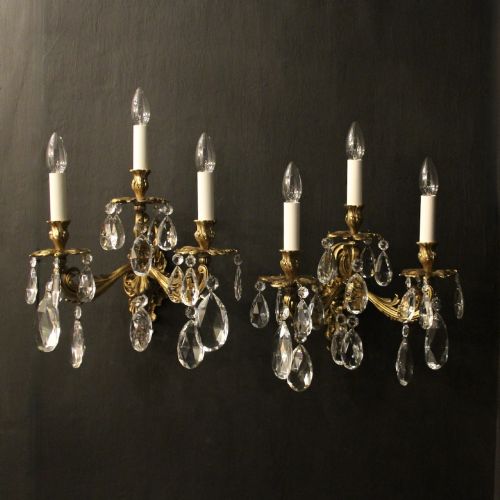
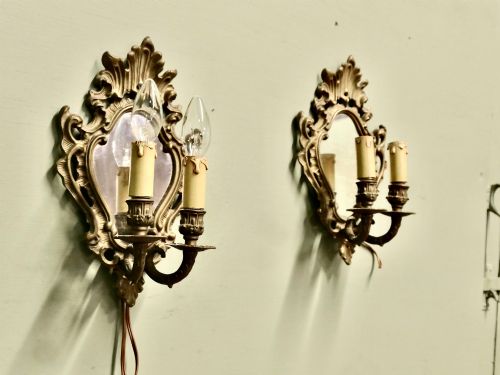
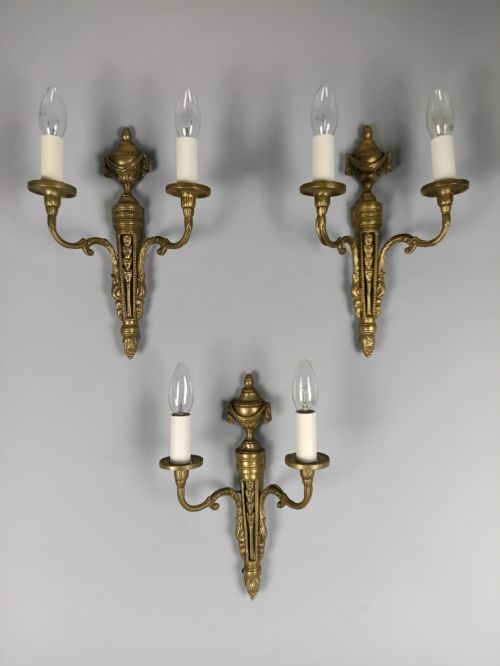
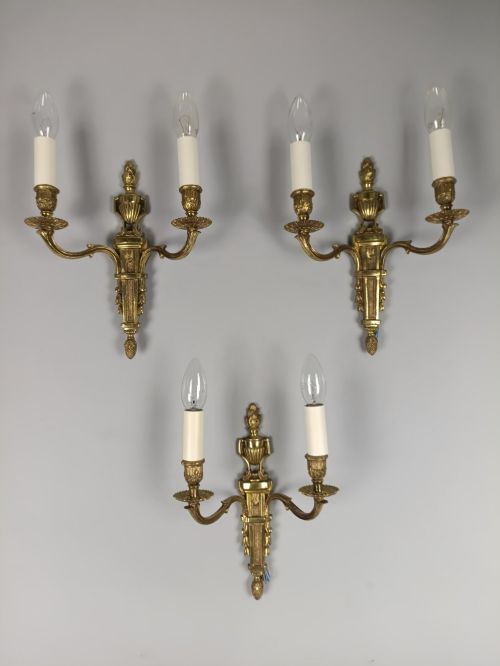
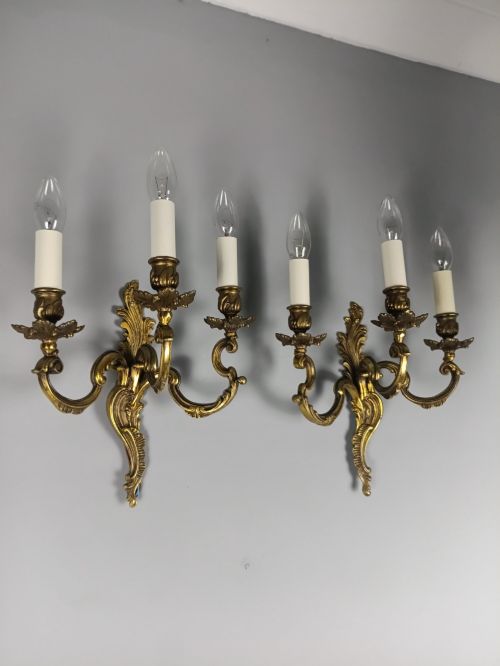
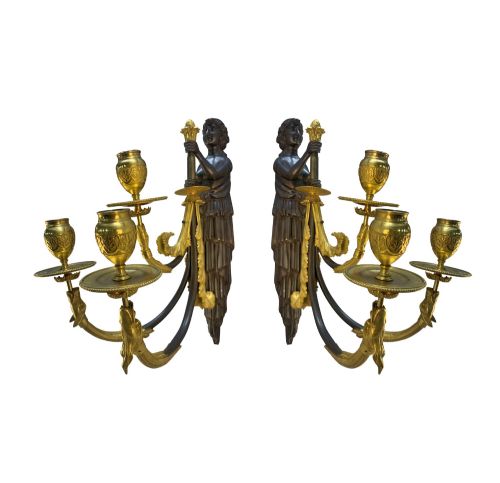
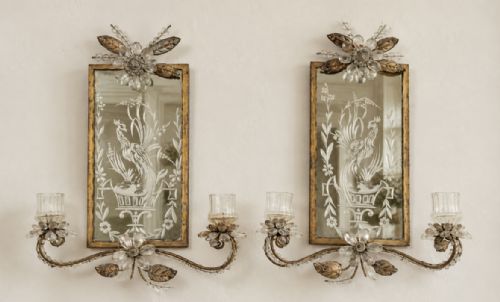
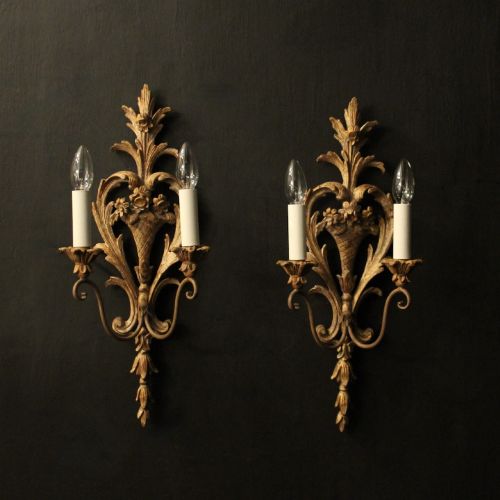
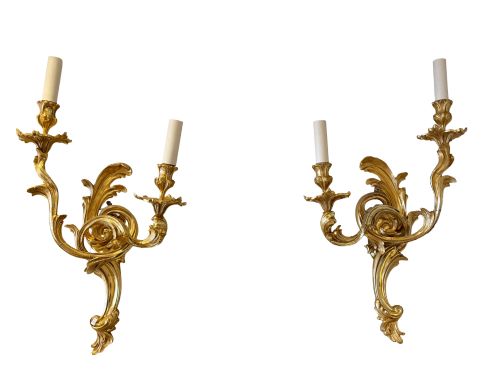
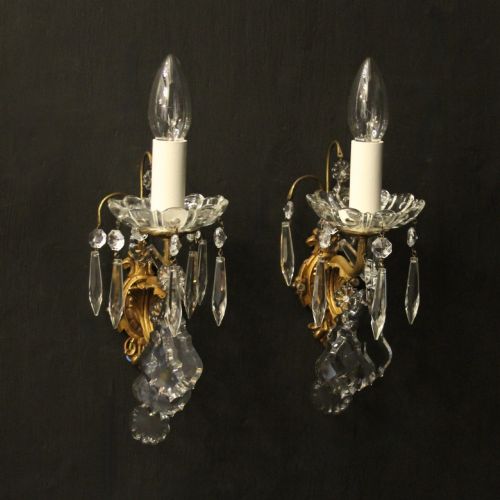
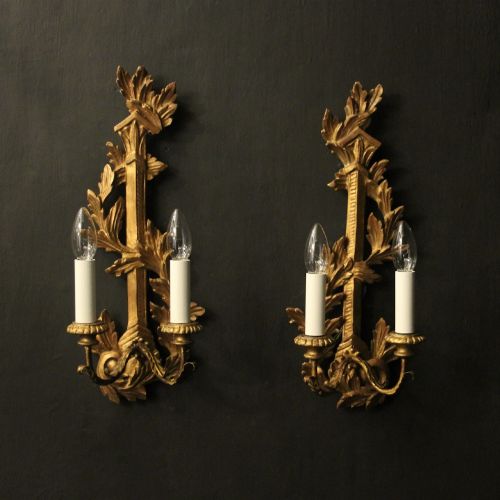
When searching for french gilt wall lights, a buyer examines decorative illumination hardware originating from continental workshops across the nineteenth and early twentieth centuries. These fixtures encompass twin arm and single arm formats, wall lanterns, girandoles, and mirrored sconces.
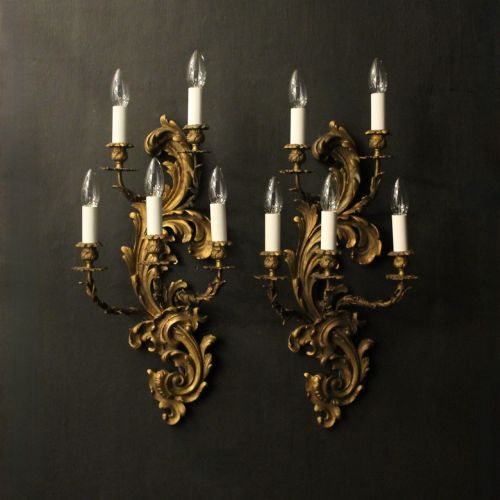
The most common examples on this page date from the 1920s and 1930s, often produced in sets of four or matched pairs. Earlier nineteenth century incarnations reflect neoclassical or rococo revivals through heavy cast metal and elaborate candle branches.
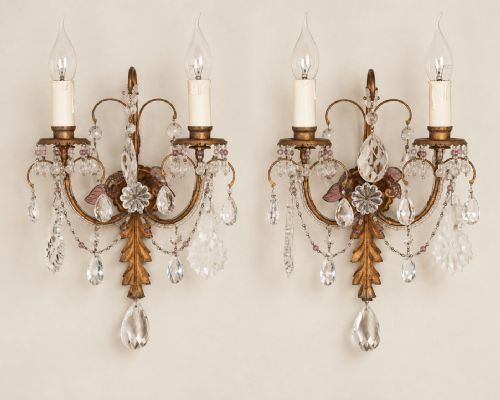
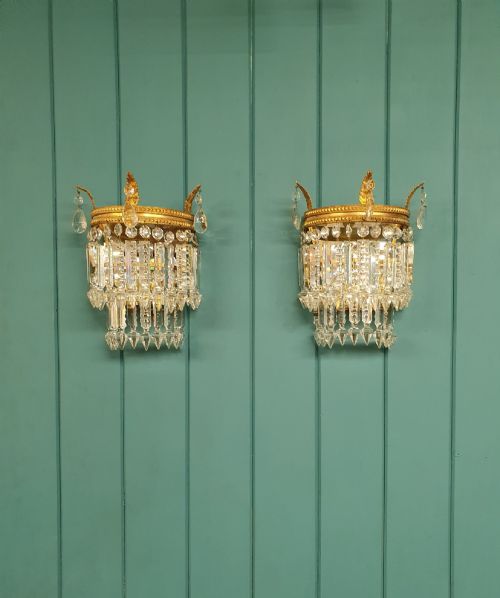
Object variations include porcelain flower details, crystal drops, and carved wood elements alongside standard metal stampings. Buyers encounter distinct regional interpretations, including pieces rendered in the French Empire or Louis XVI styles.
Evaluating Quality and Craftsmanship
Weight and structural integrity also separate tiers of quality, with substantial gilt bronze and heavy brass backplates outlasting lighter stamped metal alternatives. The integration of high-grade crystal drops and original fire-gilt ormolu finishes indicates a higher level of workshop investment.
French Gilt Wall Lights Retail Price Guide 2026
Typical asking prices for french gilt wall lights among the pieces listed under this phrase on Sellingantiques today, from the lower quarter to the upper quarter. They describe what is for sale here now, not the wider market.
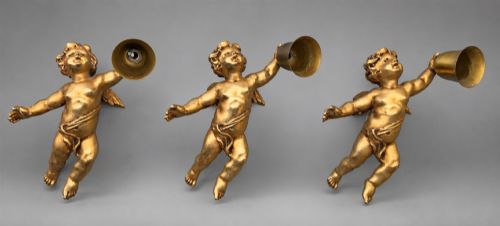
Several mischievous cherubs cling persistently to nineteenth-century candelabras, seemingly determined to hold up the family silver forever.
Maison Baguès·Casier
The French Gilt Wall Lights Glossary
- Ormolu
- A golden-coloured alloy of copper, zinc, and sometimes tin, cast and finely chased before being mercury-gilded. This technique provides the rich, metallic lustre seen on luxury nineteenth-century mounts.
- Girandole
- A branched wall sconce featuring a reflecting mirror plate attached to the backboard. The polished glass multiplies the ambient candle or electric illumination within the room.
- Tole Peinte
- Painted sheet metal shaped into decorative forms such as lantern bodies or floral backplates. It offers a contrasting matte or coloured surface against standard gilt metal elements.
- Applique
- A flat wall-mounted lighting bracket designed to hold candles or electrical fittings. The term frequently appears interchangeably with wall sconces in historical inventories.
- Rococo Revival
- A nineteenth-century design movement copying the asymmetrical scrolls, shell motifs, and organic curves of the mid-eighteenth century. These fixtures emphasise flowing lines over strict geometric symmetry.
French Gilt Wall Lights: Frequently Asked Questions
How do I choose between two-arm and single-arm lights?
Twin arm fixtures provide wider light spread and fill larger wall spaces effectively in principal rooms. Single-arm versions suit narrow architectural spaces, hallways, or smaller wall panels where discretion is required.
Selecting arm counts depends directly on the proportional scale of the wall area and the intended balance with existing interior decoration.
Were these lights originally electrified?
Most surviving examples from the nineteenth century were initially designed for candles before later conversion to electricity. Twentieth-century pieces frequently integrated wiring channels during their original manufacturing process.
Modern buyers often find fixtures that have been updated with modern internal wiring and safety testing while retaining their historic metalwork exterior.
What is the difference between ormolu and gilt brass?
Ormolu refers specifically to high-zinc bronze or brass treated with a mercury-gilding technique that creates a deep, warm metallic sheen. Gilt brass relies on alternative plating methods or applied gold leaf over a yellow metal substrate.
Objects catalogued as gilt bronze or ormolu generally indicate a heavier, more labour-intensive casting method than standard brass alternatives.
How do I identify Louis XVI style features?
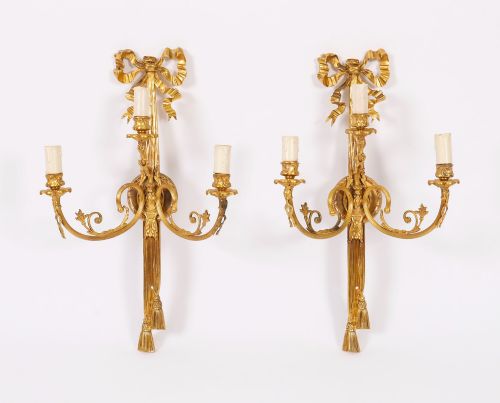
Louis XVI style fixtures exhibit neoclassical restraint through symmetrical proportions, ribbon motifs, urns, and straight vertical lines. ornamentation draws from classical Greek and Roman geometry rather than flowing rococo curves.
Ribbon ties carved at the top of a backplate and beaded borders serve as reliable indicators of this specific design vocabulary.
Can I hang these in a bathroom?
Gilt metal and brass wall lights are primarily intended for dry residential reception rooms, hallways, and drawing rooms. Moisture in bathrooms can degrade historical gilt surfaces and corrode underlying base metals.
Placing these pieces in stable indoor environments protects the delicate gilding and any incorporated crystal or porcelain elements.