


Pair Porcelain Table Lamps
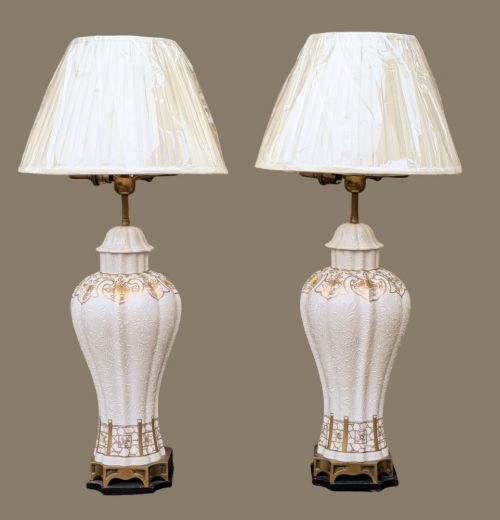
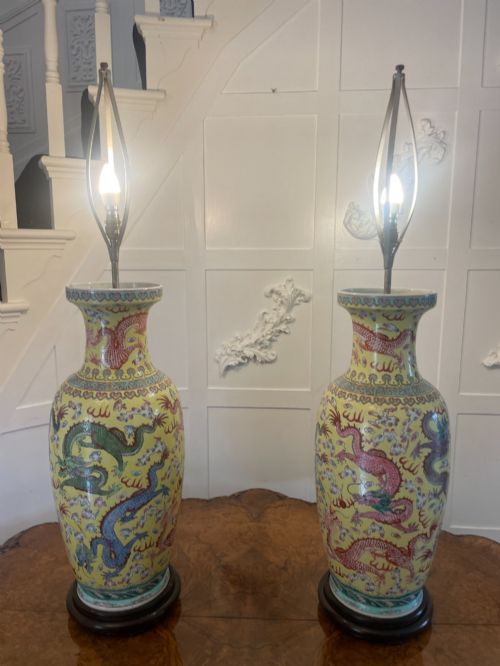
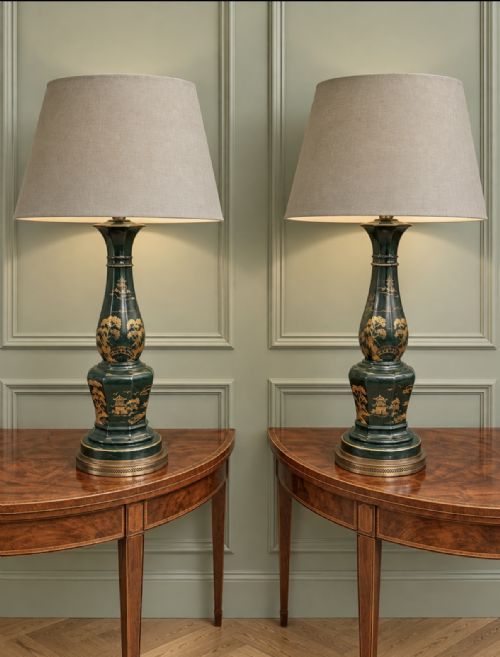
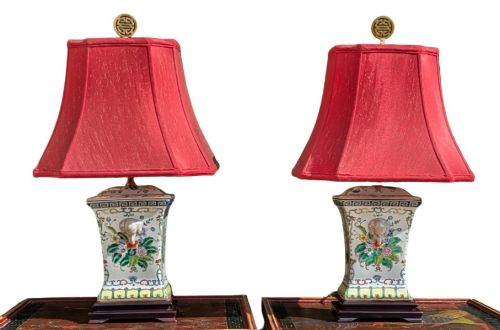
Pair porcelain table lamps bring symmetrical illumination and decorative presence to a room, drawing on centuries of European and Asian ceramic traditions.
Pair Porcelain Table Lamps
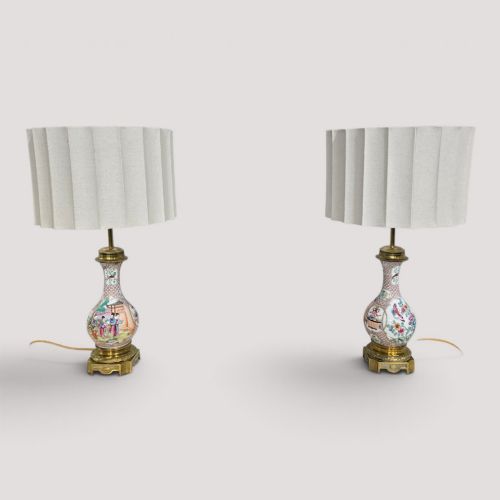
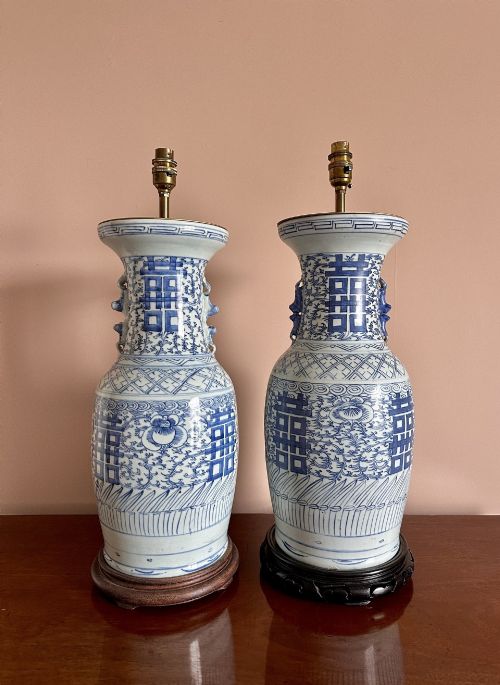
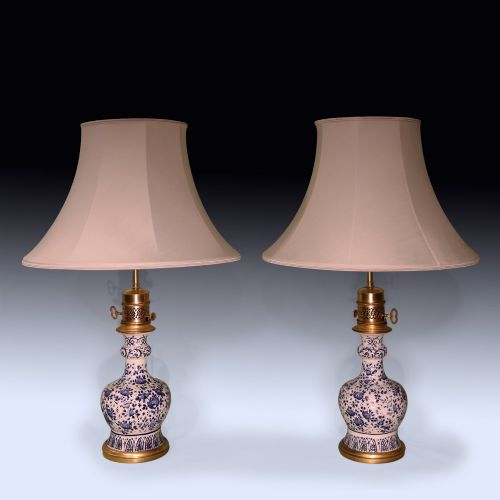
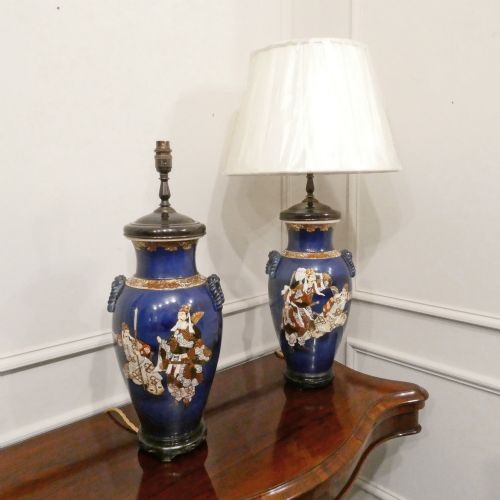
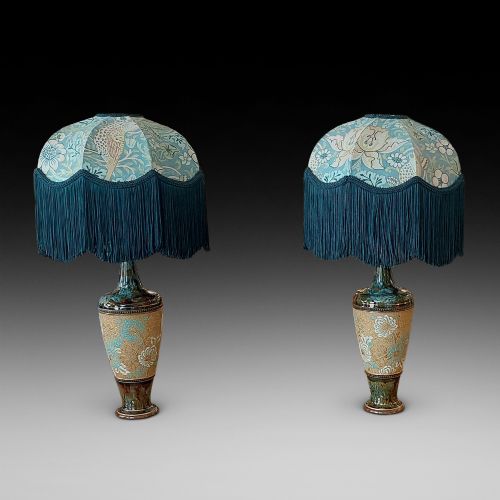
Pair porcelain table lamps comprise matching ceramic vessels mounted for electrical illumination, frequently converted from earlier vases, jars, or oil lanterns. These dual fixtures provide balanced lighting for sideboards, desks, and bedside tables.
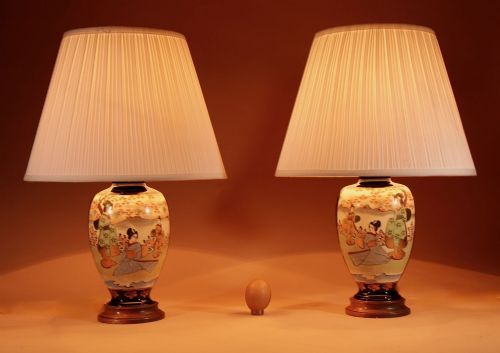
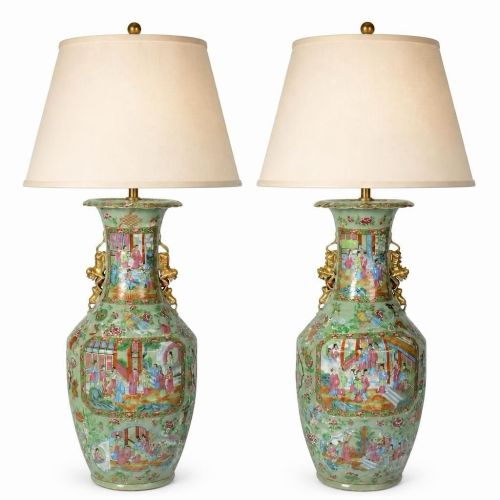
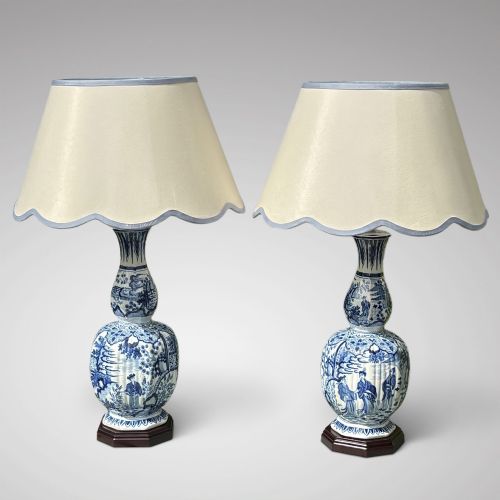
The selection ranges widely across origins and periods, covering nineteenth-century French porcelain alongside Chinese export wares and Japanese Satsuma pieces. Many examples incorporate traditional motifs such as famille rose, blue and white glazes, or figural subjects.
How they were made
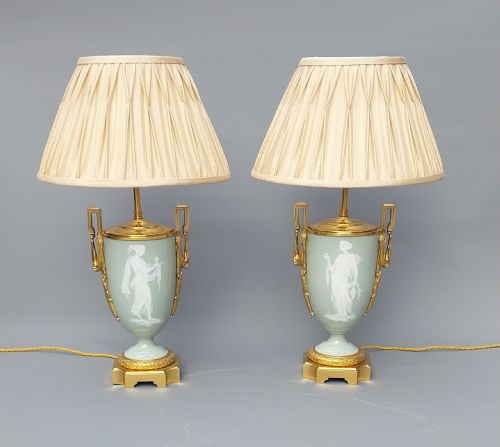
Makers shaped clay into vases and jars before applying hand-painted or glazed decoration, utilising techniques from delicate blue and white painting to thick famille rose enamels and raised pâte-sur-pâte designs. Firing rendered the ceramic body hard and vitreous.
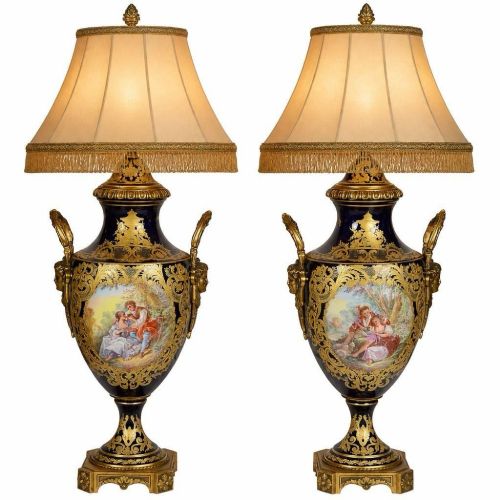
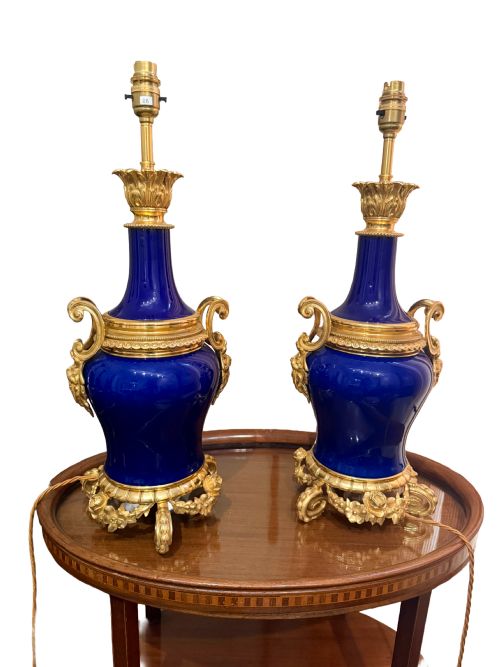
Metal mounts in ormolu, gilt bronze, brass, or copper were frequently added to secure the base and top, framing the ceramic body and providing a stable platform for electrical fittings or oil burners.
Pair Porcelain Table Lamps Retail Price Guide 2026
Typical asking prices for pair porcelain table lamps among the pieces listed under this phrase on Sellingantiques today, from the lower quarter to the upper quarter. They describe what is for sale here now, not the wider market.
Listings feature porcelain table lamps from the eighteenth century through to the mid-twentieth century, incorporating brass, gilt bronze, and silk elements.
What varies in quality
The refinement of the ceramic body and the precision of the hand-painted brushwork set the foundation of a piece, distinguishing standard production wares from finely detailed studio or factory outputs.
The quality of the metal mounts plays a significant role, where cast and chased ormolu or gilt bronze demonstrates superior craftsmanship compared to simpler brass hardware.
Sitzendorf·Meissen·Gien·Hicks and Meigh
The Pair Porcelain Table Lamps Glossary
- Ormolu
- Gilded bronze mounts applied to furniture, clocks, and porcelain lamps. This technique adds decorative metal framing to the ceramic bodies.
- Famille Rose
- A palette of Chinese ceramic glazes dominated by opaque pink or rose enamel, introduced during the Qing dynasty. It appears frequently on nineteenth-century export vases.
- Satsuma
- Japanese earthenware originating from Satsuma Province, typically featuring a ivory-craquelure glaze decorated with polychrome enamels and gilt. These wares are often found converted into lamps.
- Pâte-sur-pâte
- A ceramic technique where wet porcelain slip is built up in layers on a dark body to create a low relief cameo effect. French makers utilised this method on nineteenth-century pieces.
- Baluster
- A vase shape with a rounded body that tapers towards the neck and base, resembling an architectural column. Many porcelain lamp bodies follow this classical silhouette.
Pair Porcelain Table Lamps: Frequently Asked Questions
Were these always lamps originally?
Many pairs began life as decorative vases, ginger jars, or oil lanterns before being converted into electrical table lamps at a later date. This conversion process often involved drilling the ceramic base to pass wiring through.
Makers and subsequent owners adapted these vessels to suit changing domestic lighting requirements while preserving the painted or glazed exterior surfaces.
How do I identify French versus Asian porcelain?
French pieces often display European neoclassical or rococo motifs, sometimes paired with elaborate ormolu mounts and marked with factory styles such as Sèvres or Paris porcelain. Asian examples typically feature traditional Chinese or Japanese iconography, including famille rose panels, Satsuma crackleware, or blue and white landscapes.
The character of the glaze and the style of the hand-painted decoration generally point towards the regional origin of the ceramic body.
What is ormolu?
Ormolu refers to gilded bronze mounts applied to decorative objects, adding structural support and ornamental detail to the ceramic bodies of the lamps. These metal components were cast and chased by hand.
On nineteenth-century pieces, ormolu frames the base and neck, complementing the painted porcelain with metallic lustre.
Can I replace the lampshades safely?
Lampshades can be replaced to suit interior schemes, provided the fitting matches the harp or shade carrier attached to the bulb holder. Many period pieces retain handmade or fabric shades that complement the proportions of the ceramic base.
When selecting a replacement, consider the scale of the vase body to maintain a balanced silhouette on the table.