

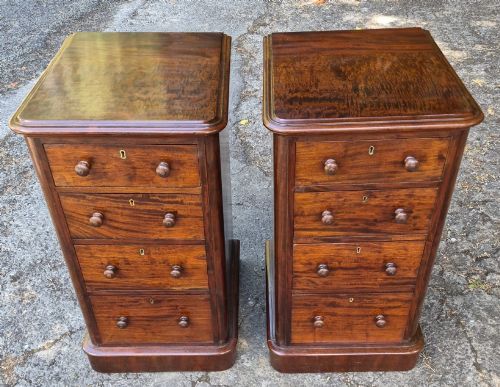
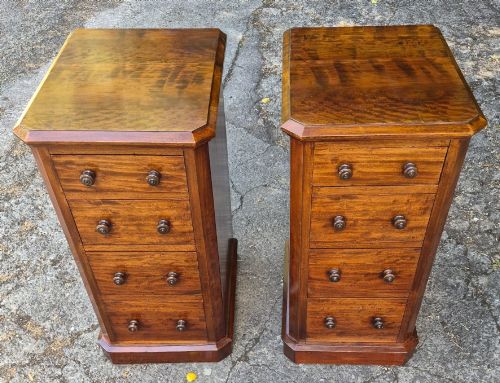
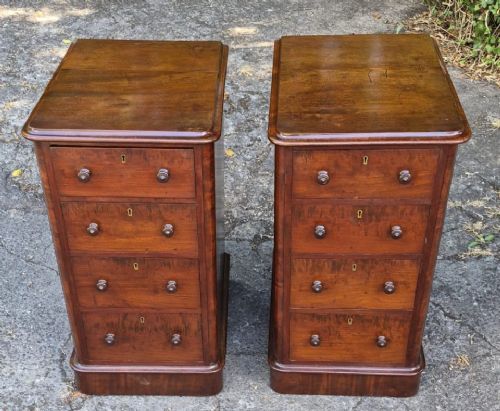
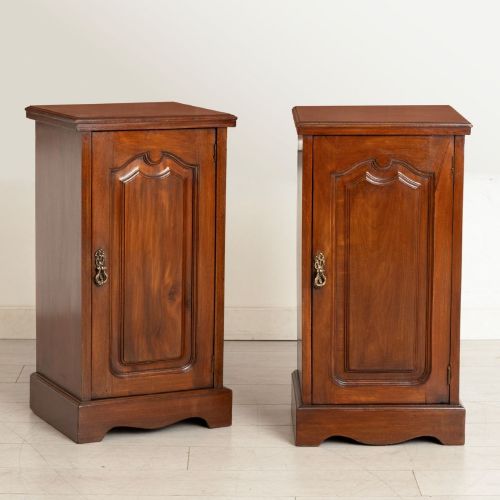
Pair of Victorian Cabinets
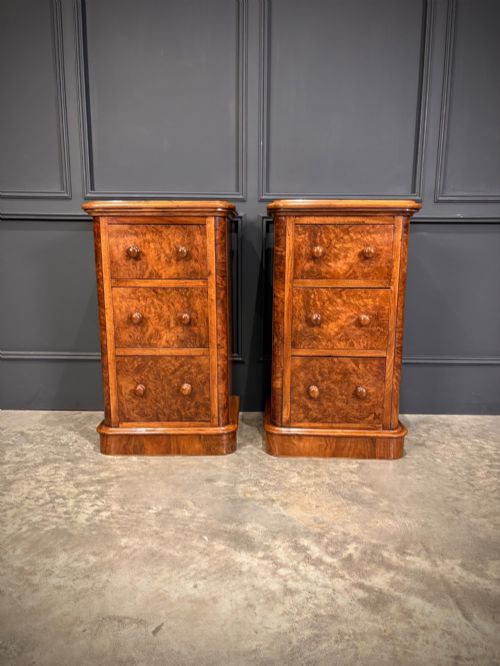
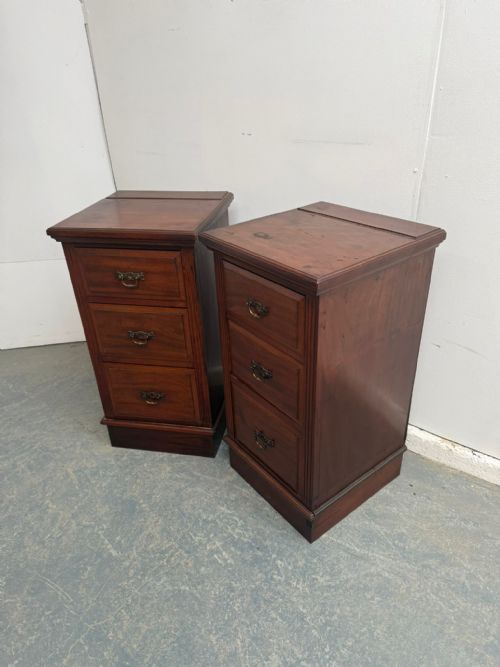
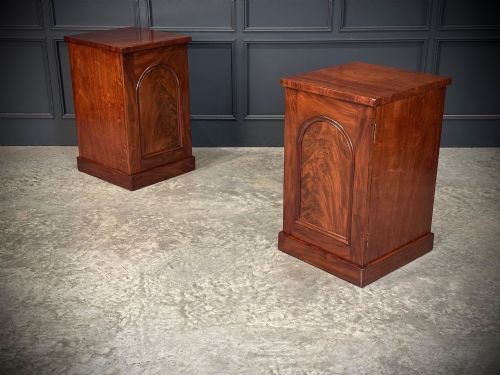
A pair of victorian cabinets brings symmetry to a room, offering paired storage through bedside chests, pier cabinets, and corner cupboards.
Pair of Victorian Cabinets
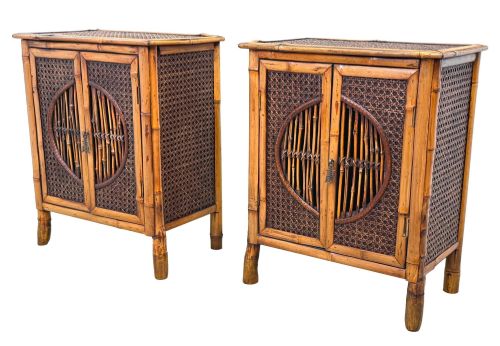
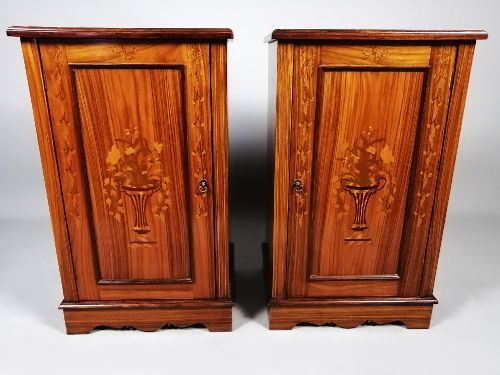
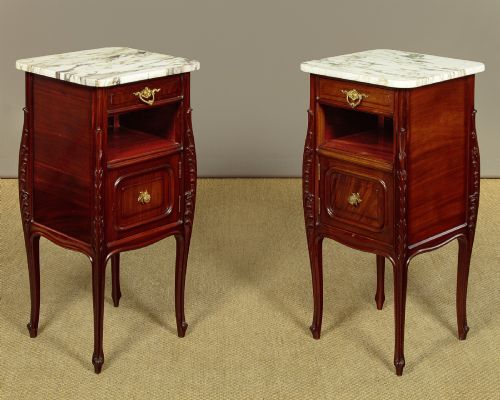
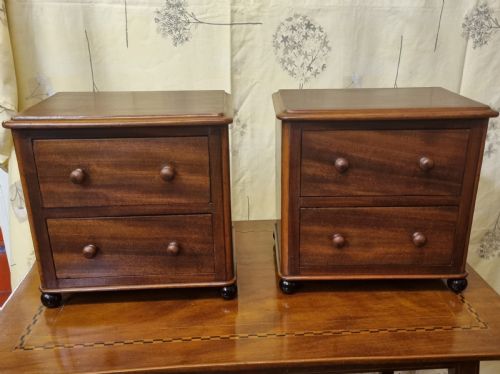
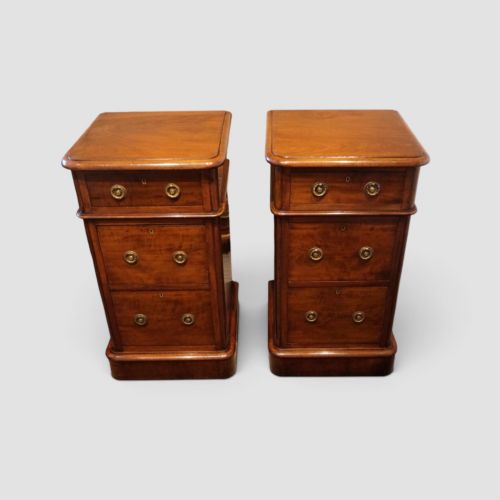
A search for a pair of victorian cabinets reveals match-built furniture primarily intended for the bedroom, sitting room, or parlour during the nineteenth century. These symmetrical pairs most frequently take the form of bedside chests, pot cupboards, and pier cabinets designed to flank a bed or furnish corners.
The pieces span the Victorian era, with dates stretching from the mid-nineteenth century through the 1880s and late 1900s. Alongside standard Victorian forms, examples appear in regional variations including Victorian Country pine, Gothic Revival, and French revival styles.
Materials and Construction
Cabinet makers utilised dense hardwoods including mahogany, burr walnut, and rosewood, frequently selecting figured veneers for visible surfaces. Pine serves as the structural secondary wood and forms simpler painted or waxed country pieces.
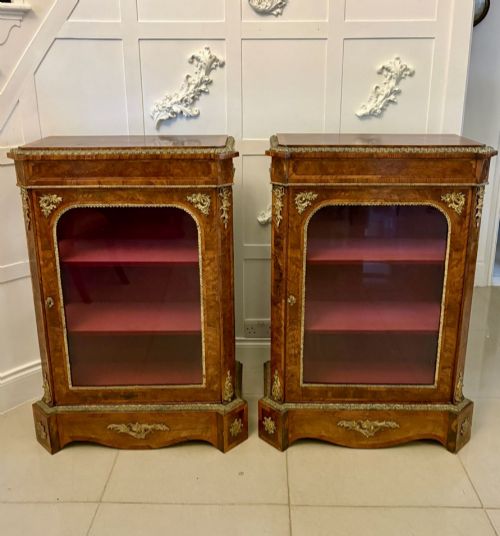
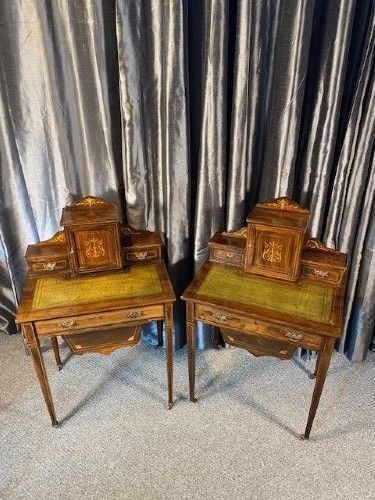
Decorative detailing incorporates brass mounts, ormolu, porcelain plaques, and marquetry or amboyna inlay. Marble tops appear on selected bedside and side cabinets, while glass doors distinguish display and pier variants.
Some nineteenth-century bedside cabinets included hidden compartments specifically designed to keep midnight snacks away from household mice.
Materials and Craftsmanship
The grade of a pair of victorian cabinets rests upon the selection of timber figures, such as flame mahogany or burr walnut, and the precision of the underlying cabinet work. Superior examples display tightly fitted drawer dovetails and substantial timber thickness rather than thin laminates.
Decorative elements distinguish standard utility pieces from high-status commissions. Finely cast ormolu mounts, hand-painted porcelain plaques, and intricate marquetry inlay elevate the visual weight and economic standing of a pair.
Warings Liverpool·Edwards and Roberts
The Pair of Victorian Cabinets Glossary
- Pier cabinet
- A low freestanding cabinet designed to fit against the wall space between windows. These often feature glass doors and elaborate mounts.
- Pot cupboard
- A small bedside cabinet originally constructed to house a chamber pot. They typically feature a single door enclosing a shelf.
- Ormolu
- Gilded bronze used for decorative mounts and feet on high-status nineteenth-century furniture. The technique provides a bright metallic finish that contrasts with dark hardwoods.
- Marquetry
- Inlaid patterns formed from different coloured veneers fitted into a wooden ground. It adds pictorial or geometric decoration to cabinet doors and tops.
Pair of Victorian Cabinets: Frequently Asked Questions
What is the difference between a bedside chest and a pier cabinet?
Bedside chests are constructed with multiple functional drawers for personal storage beside a bed. Pier cabinets feature a single glazed or panelled door designed for display against a wall.
While both belong to the nineteenth century, pier cabinets generally incorporate higher decorative refinement such as ormolu mounts and porcelain plaques.
How do I match woods when buying a pair?
Nineteenth-century matching pairs were cut from the same timber stocks to ensure grain continuity across both pieces. Examine the primary wood species and veneer patterns under natural light to verify uniformity.
Variations in colour often stem from sunlight exposure or waxing history rather than original manufacture, which can be addressed through careful conservation.
Were these cabinets always made as pairs?
Cabinet makers produced many bedside chests and display cabinets in matched pairs for symmetrical room arrangements. Single surviving pieces are frequently united later by dealers based on timber, size, and style.
Examining internal construction marks and drawer dimensions helps confirm whether two pieces share an origin.
How should I clean marble topped cabinets?
Marble tops require gentle cleaning with warm water and a soft cloth to protect the polished stone surface from acidic stains. Avoid harsh modern chemical cleaners that strip the historical polish.
Waxing the surrounding wooden base helps maintain the finish without risking contact with the vulnerable stone.