


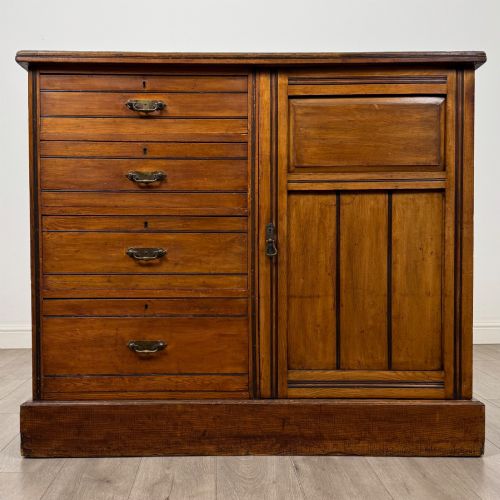
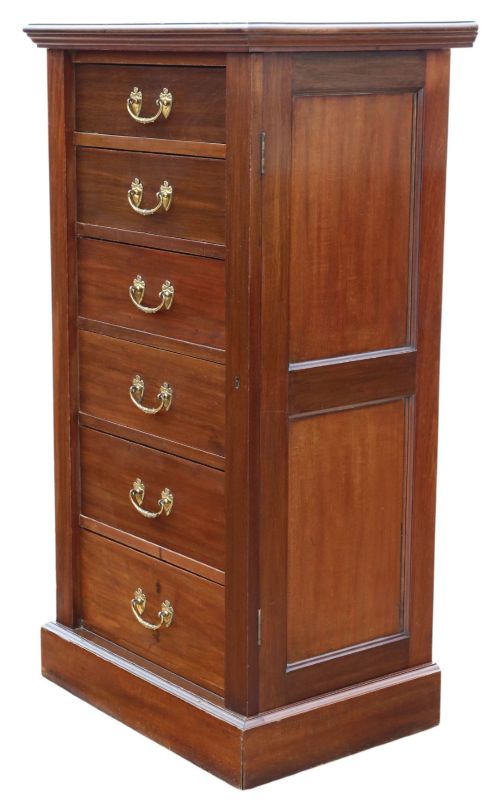
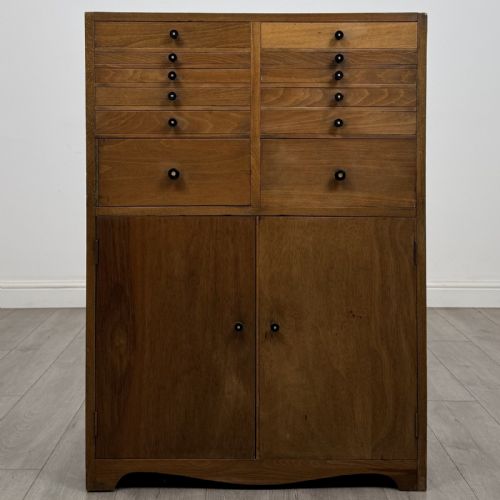
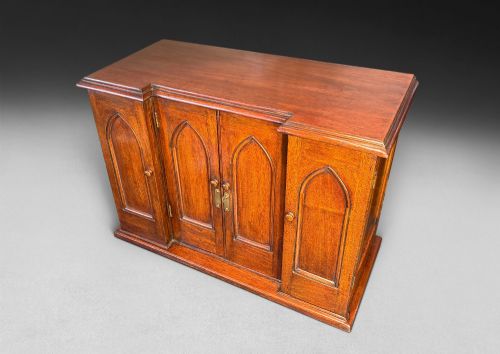
Brown Wood Collector Cabinet
A brown wood collector cabinet holds small treasures safely in drawers or behind glass, bringing order and fine timber grain into a room.
Brown Wood Collector Cabinet
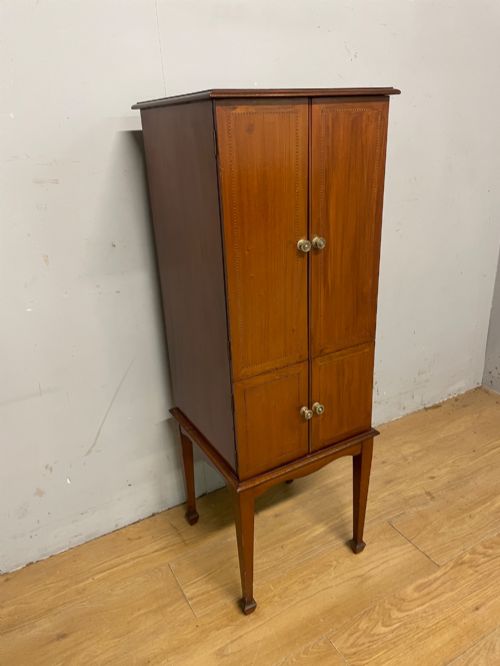
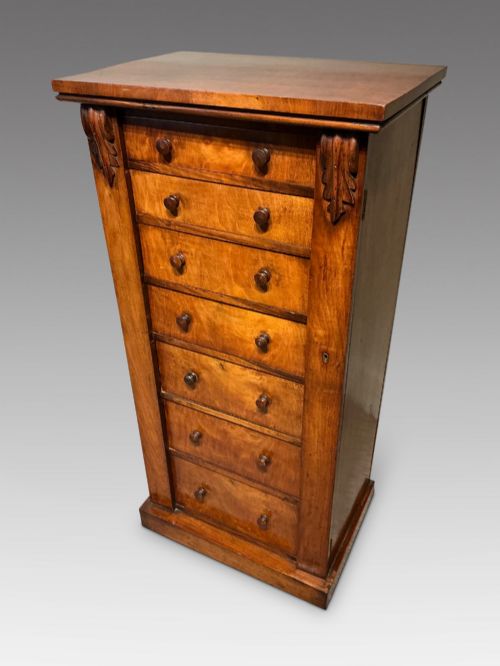
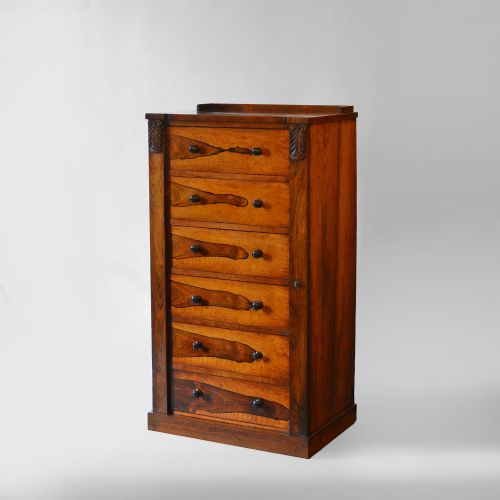
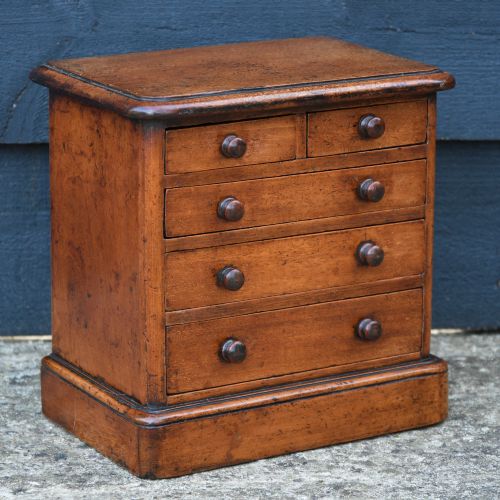
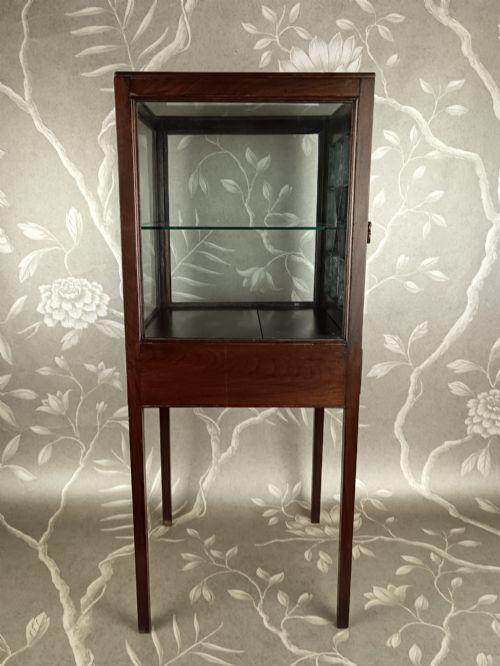
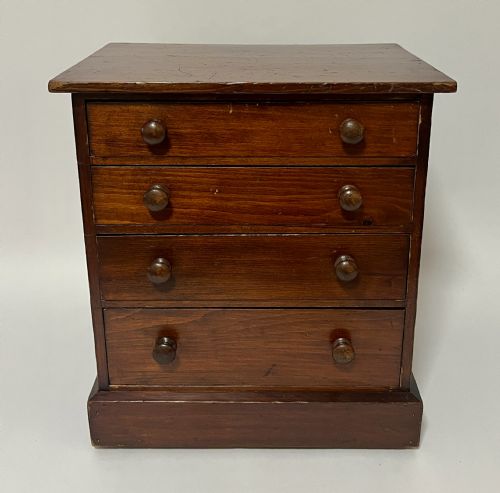
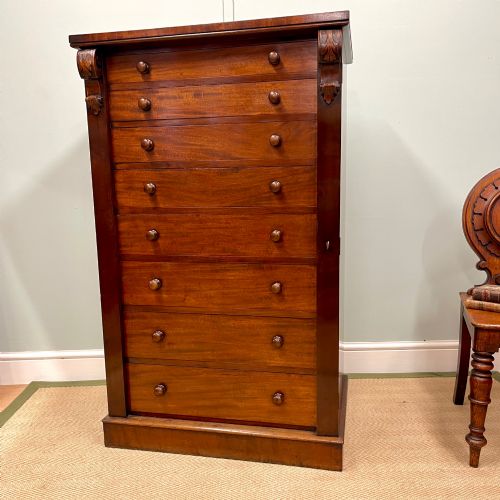
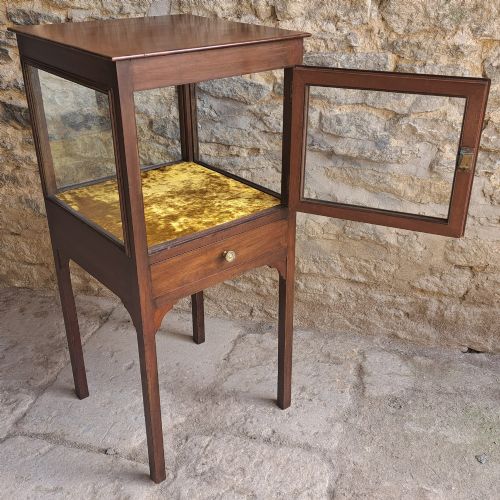
A brown wood collector cabinet groups pieces designed to hold specimens, miniatures, or documents within compact footprints. Buyers seeking a brown wood collector cabinet encounter table-top chests, Wellington chests, and miniature drawer units from Georgian, Victorian, and Edwardian periods.
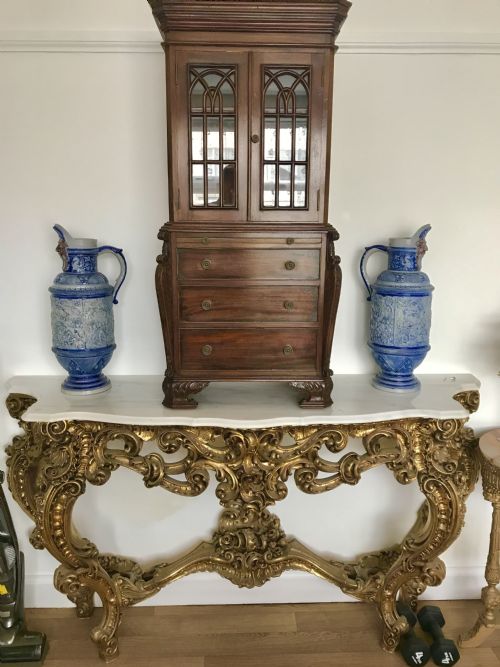
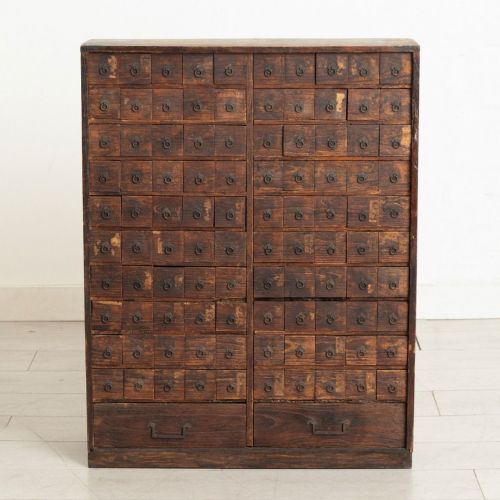
The assortment spans formal display cases with glass fronts, apothecary banks, and specialist watch repairer chests. Woods such as mahogany, walnut, oak, and satinwood dominate the offerings.
Forms range from floor-standing folio cabinets to small specimen cases intended for a desk or table. Many pieces reflect utilitarian origins in chemists' shops or workshops alongside refined domestic cabinet-making.
Materials and Construction
Cabinet-makers relied heavily on solid and veneered mahogany, walnut, and oak, often accented with brass handles, glass panels, and iron details. Surfaces received careful finishing, including traditional French polishing.
Inlaid decoration utilised satinwood and mother of pearl to create subtle geometric borders on drawer fronts and tabletops. Structural integrity relied on precise joinery within small-scale frames and bank drawers.
Brown Wood Collector Cabinet Retail Price Guide 2026
Typical asking prices for brown wood collector cabinet among the pieces listed under this phrase on Sellingantiques today, from the lower quarter to the upper quarter. They describe what is for sale here now, not the wider market.
One unusual survivor is a watch and clock repairer's chest outfitted specifically for tiny gears and delicate workshop tools.
Judging Quality and Craftsmanship
Quality rests upon the selection of timber figures, such as figured mahogany or oyster veneer, and the crispness of inlaid details. Superior examples display thoughtful proportions and well-fitted drawers that operate smoothly within tight tolerances.
The presence of original hardware, turned knobs, and intact glass panels separates standard utility pieces from finer cabinet-work. Workshop provenance and refined secondary timbers further elevate the standing of individual pieces.
Whytock & Reid of Edinburgh
The Brown Wood Collector Cabinet Glossary
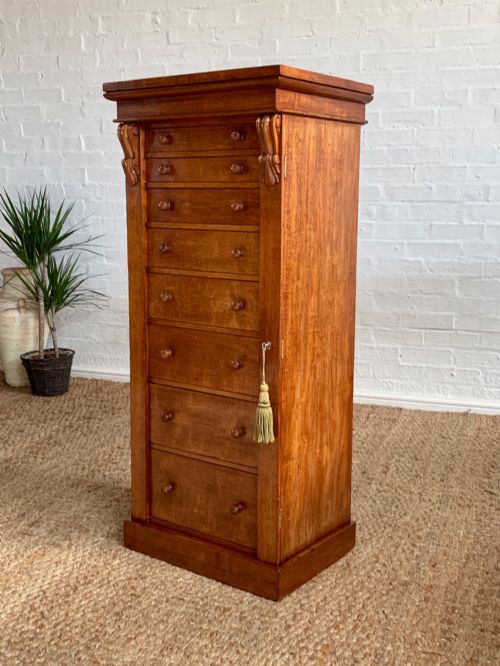
- Wellington chest
- A tall, narrow chest of drawers secured by a hinged locking stile on one side that fastens with a key.
- Bijouterie cabinet
- A glass-topped table or case designed specifically for displaying small ornaments, jewellery, or curiosities.
- Apothecary chest
- A multi-drawer cabinet originally utilised by chemists for storing herbs, powders, and medical preparations.
- Oyster veneer
- Circular wood veneers sliced from branchwood cross-sections to reveal concentric growth rings, popular in seventeenth-century furniture.
Brown Wood Collector Cabinet: Frequently Asked Questions
What fits inside a table-top collector cabinet?
These shallow drawers and compartmented spaces suit small specimens, medals, coins, and natural curiosities gathered by collectors.
The compact scale allows placement on top of desks, sideboards, or tables while keeping items protected from dust.
How do I date a Victorian Wellington chest?
Victorian examples typically feature six or seven graduated drawers secured by a locking side bar, often mounted with turned wooden knobs.
Secondary timbers inside the carcass and the style of the drawer dovetails help narrow down the decade of manufacture.
Where were apothecary drawer units used?
Chemists and apothecary shops utilised these multi-drawer banks behind counters to organise dry ingredients, extracts, and tools.
Later collectors repurposed these robust timber units for domestic storage of small items and sewing supplies.