
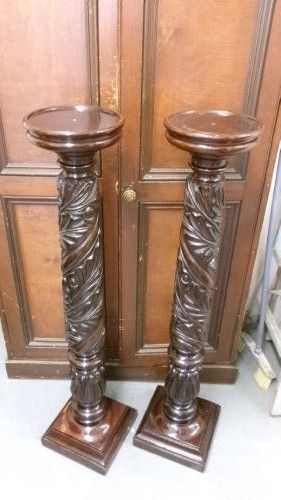
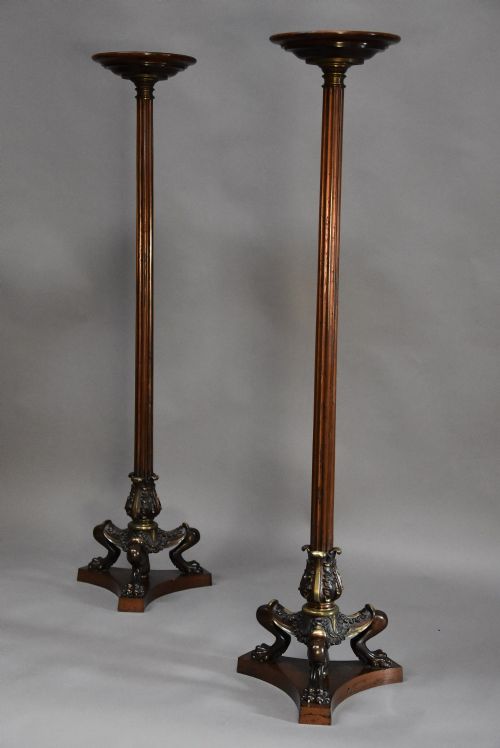

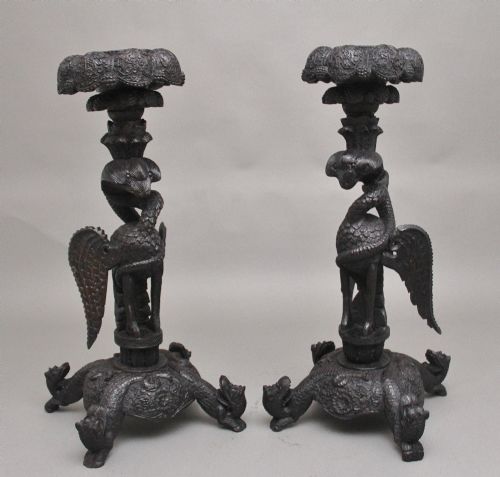


Pair of Torchere Stands
A pair of torchere stands brings height and structural poise to a room, holding lamps, plants or sculpture with quiet dignity.
Pair of Torchere Stands
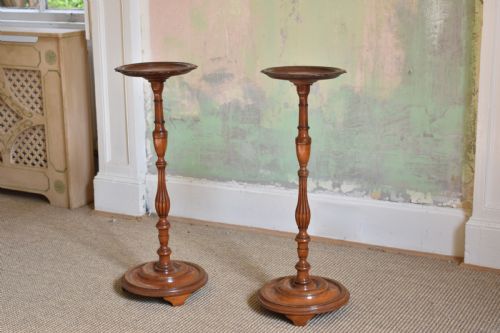
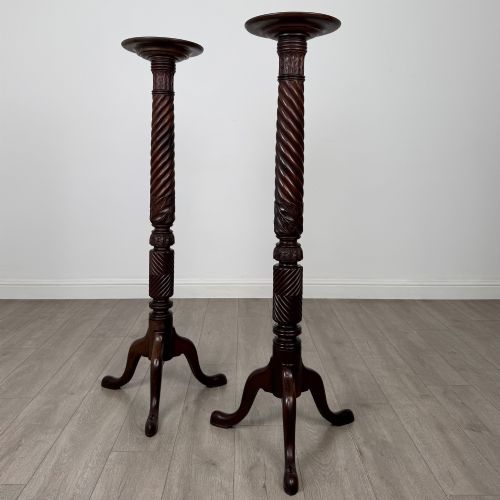
When you search for a pair of torchere stands, you are looking at tall, slender pedestals originally designed to carry lighting devices such as candles, lamps or gas lights. The listings show forms ranging from traditional candle stands and plant stands to occasional tables and display pedestals.
You will most frequently encounter nineteenth-century mahogany, walnut and satinwood examples alongside Edwardian and Georgian interpretations. These pieces function just as effectively today for elevating urns, busts and vases as they did for holding illumination in period interiors.
Materials and Construction
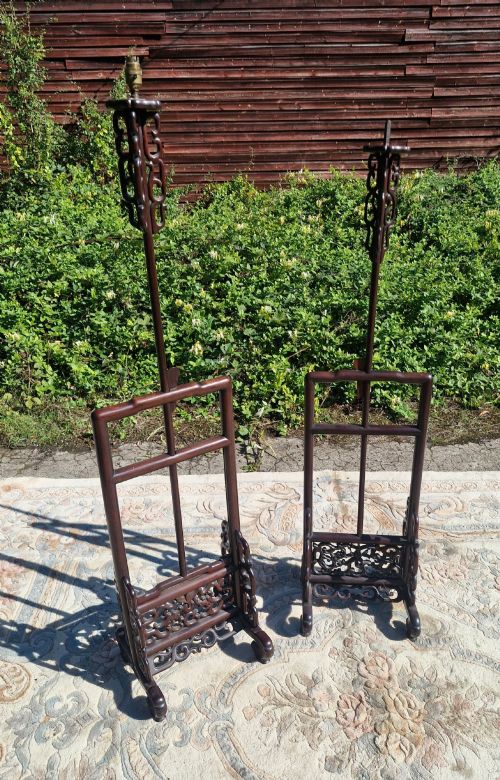
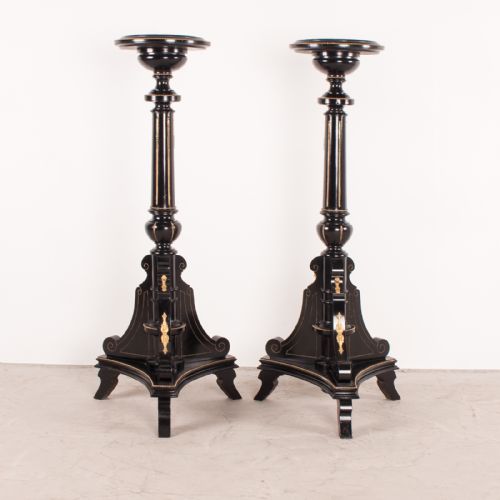
Cabinetmakers utilised dense timbers such as mahogany, oak, rosewood and walnut, often employing intricate inlay, satinwood banding or ebonised details to create visual depth. Structural stability on such narrow columns required expert joinery, sound turning and weighted bases.
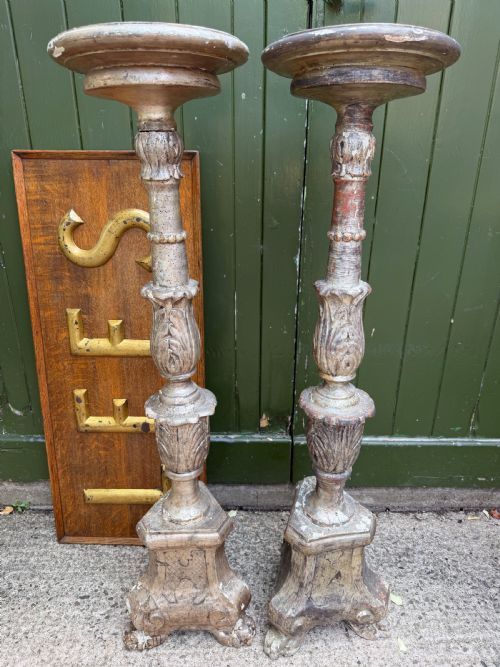
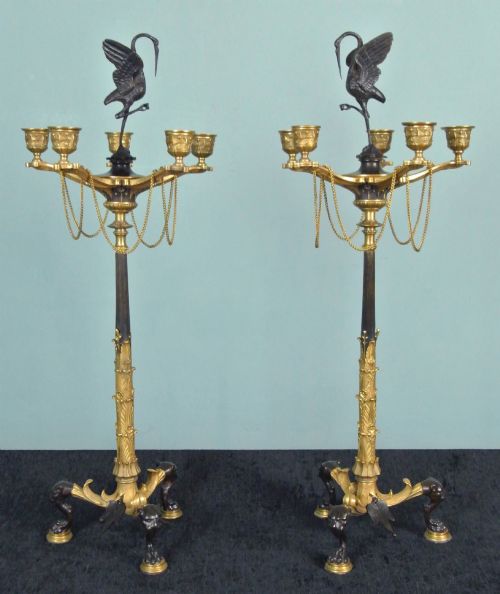
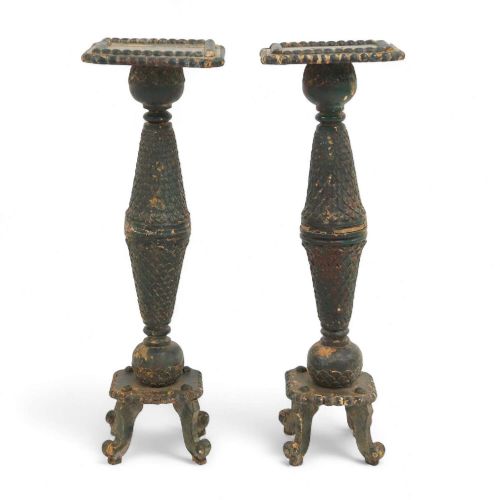
Surface treatments vary widely across the record, incorporating original green paint, silvering, giltwood, ormolu mounts, bronze elements and polished wood finishes. Carving, whether executed in classical Italian Baroque, Gothic Revival or Regency neoclassical styles, defines the decorative language of the stands.
Among the towering columns and classical urn holders, a pair of blackamoors stands ready to hold your afternoon tea.
Distinctions in Execution
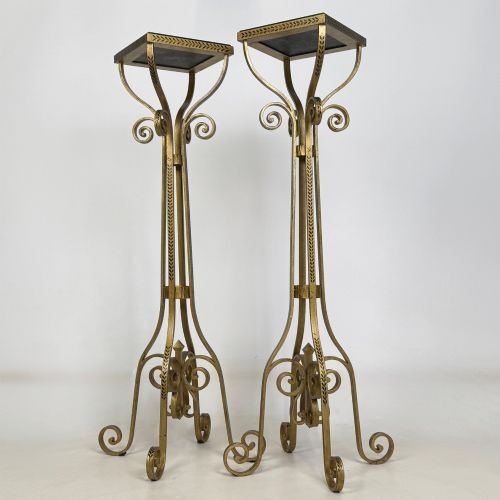
The distinction between ordinary production and superior craftsmanship rests in the crispness of the carving and the integrity of the timber selection. Finely figured mahogany, meticulously matched veneers and heavy, stable bronze or cast iron elements signal a higher standard of manufacture.
Proportion and architectural balance dictate the visual success of a tall stand, where slender shafts must meet bases with absolute symmetry. Maker attribution, such as work associated with Gillows, also elevates the standing of a piece within the historical record.
Gillows·Barbedienne
The Pair of Torchere Stands Glossary
- Torchere
- A tall stand designed originally to carry a torch, candle or lamp. The term now covers pedestals used for displaying plants and decorative objects.
- Ormolu
- Gilt bronze mounted on furniture or decorative items. This technique was widely utilised in the eighteenth and nineteenth centuries for decorative enrichment.
- Gesso
- A plaster-like material applied to wood surfaces and then carved or gilded. It forms the foundation for many giltwood and painted decorative finishes.
- Inlay
- Pieces of contrasting timber, shell or metal fitted into a recessed wood surface. This technique creates decorative patterns on tabletop surfaces and columns.
Pair of Torchere Stands: Frequently Asked Questions
What were torchere stands used for originally?
These tall stands were built to hold candles, oil lamps or torches, elevating the light source to illuminate dark corners of large rooms.
Over time, their primary function shifted toward the display of decorative items, urns and potted plants within grand interiors.
How do I style a pair of torchere stands at home?
A matched pair works exceptionally well flanking a doorway, fireplace or large sideboard to create architectural symmetry and balance.
They serve as ideal stages for matching table lamps, bronze figures or trailing plants that benefit from heightened placement.
Are these stands stable enough for heavy items?
Most period stands are engineered with weighted bases, robust pedestals or wide tripod feet to ensure reliable balance.
However, very slender columns or those with intricate carving require careful placement away from busy household traffic.
How do I distinguish between Georgian and Victorian examples?
Georgian stands typically display restrained neoclassical lines, fine mahogany construction and delicate inlay work reflecting earlier classical revivals.
Victorian versions frequently embrace bolder ornamentation, heavier timbers, ebonised surfaces or diverse revival styles including Gothic and Italian Baroque.