
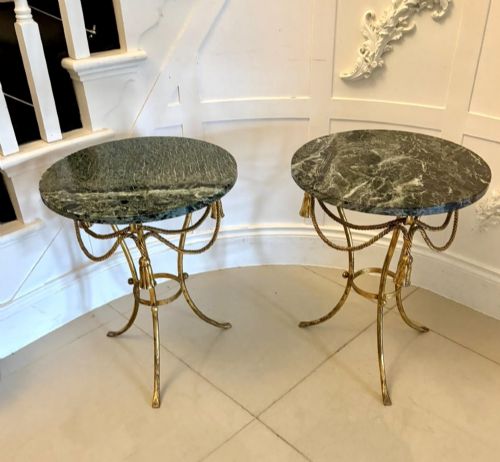
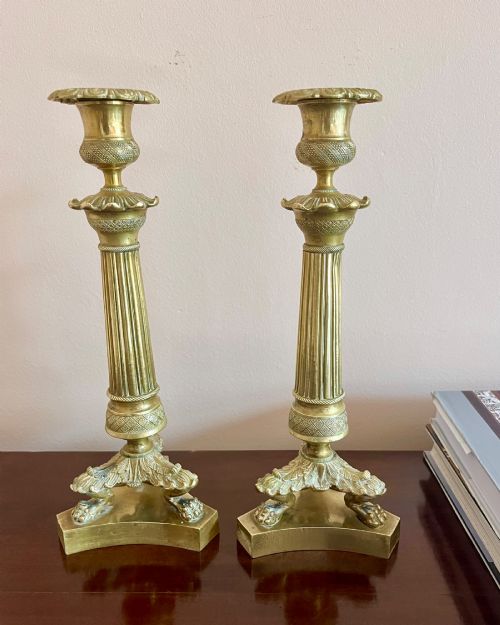
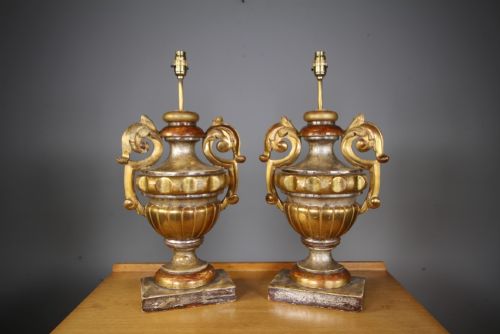
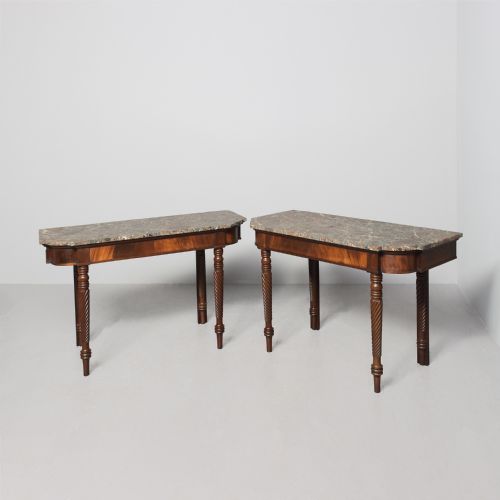
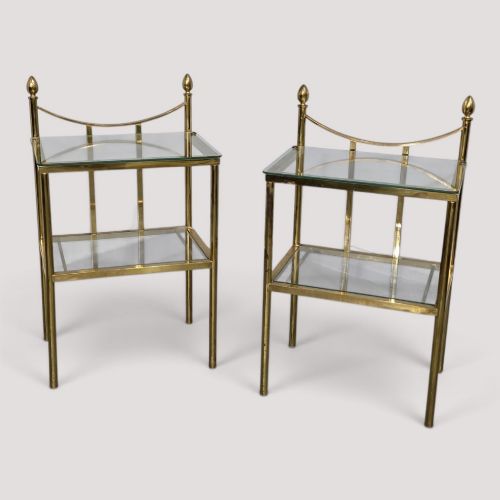


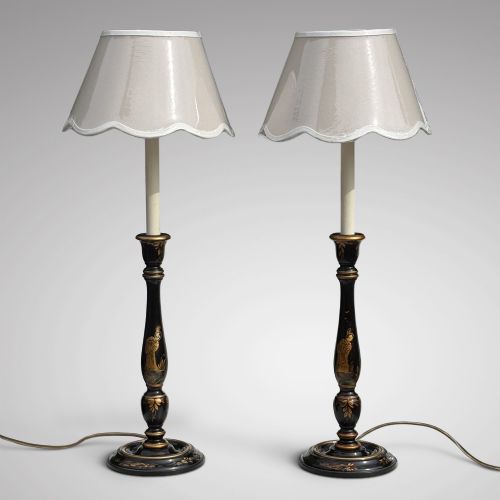
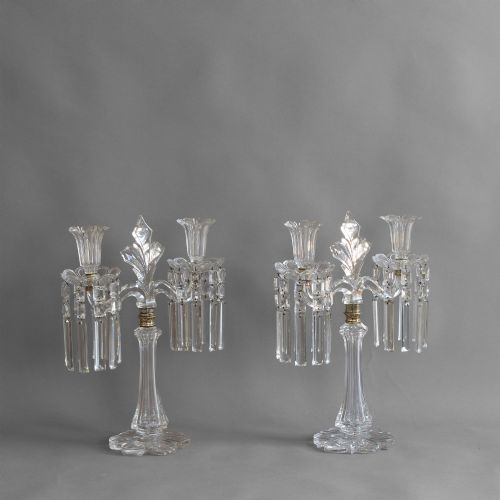
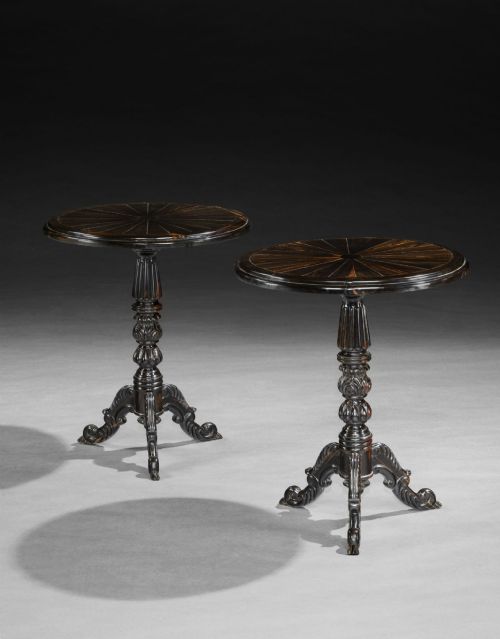
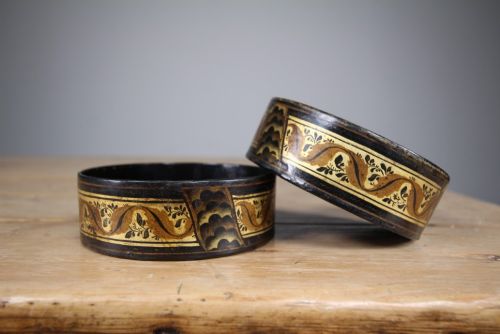
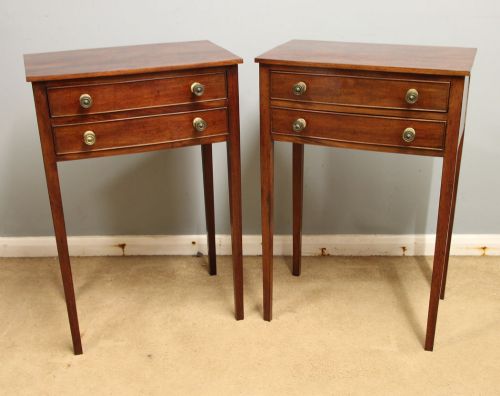
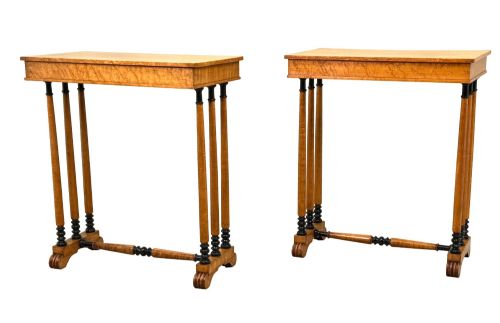
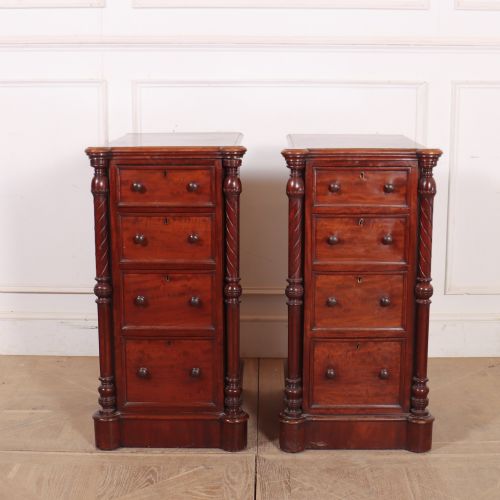
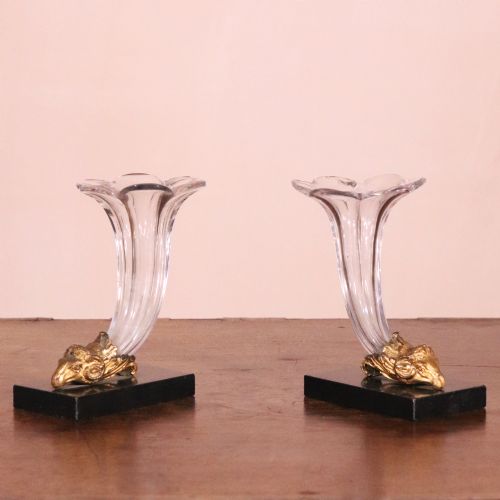
Pair of Regency Tables
When you select a pair of regency tables, you choose symmetrical design and proportion to anchor a room.
Pair of Regency Tables
A pair of regency tables encompasses dual items designed for symmetry and functional elegance within a domestic interior. Buyers seeking this phrase encounter forms ranging from fold-over card tables and tea tables to compact side tables and lamp tables.
The material record shows a strong presence of mahogany and rosewood alongside occasional exotic woods such as birdseye maple and Ceylonese ebony. Many examples date from the nineteenth century, though later revivals from the twentieth century also appear.
Makers and workshops of the period utilised classical restraint and clean lines, often incorporating brass inlay, satinwood stringing, or pedestal supports. These dual surfaces were traditionally placed flanking a fireplace, positioned in a hallway, or deployed as card tables for evening entertainment.
How they were made
Cabinetmakers constructed the primary carcases using dense timbers such as mahogany and rosewood, frequently applying finely figured veneers to the principal surfaces. Solid secondary woods like pine or oak appear in drawer linings and internal framing.
Decorative detailing relied on precision brass inlay, gilt bronze mounts, and delicate penwork to delineate the geometric borders. French polishing or wax finishes were then applied to bring out the deep natural grain and tone of the wood.
Cast iron dolphins occasionally swam upstream into Regency domestic interiors as unexpected support bases.
What varies in quality
The standard of timber selection divides the exceptional examples from the ordinary, with highly figured mahogany veneers and matched rosewood grains commanding greater visual harmony. Finer pieces demonstrate meticulous alignment of brass inlay and crispness in carved wooden details.
Structural integrity and the retention of original components, such as brass castors and turning mechanisms on card tables, dictate the long-term merit of the piece. Workshops known for superior output achieved tighter joinery and more refined proportions across both matched items.
Gillows·Holland and Sons·Pierre Philippe Thomire·Mallett·Hicks and Meigh
The Pair of Regency Tables Glossary
- Card table
- A folding table designed for playing games, featuring a hinged top that opens to reveal a baize-lined surface. These tables often incorporate swivel mechanisms and concealed wells for counters.
- Console table
- A wall-mounted or freestanding table designed to stand against a flat surface, frequently featuring decorative legs and a marble or wooden top. They served a primarily decorative and display function in grand reception rooms.
- Penwork
- A decorative technique utilising India ink drawn onto a light wood background to create intricate neoclassical motifs or classical figures. This painstaking method was popular during the Regency period for occasional tables.
- Stringing
- A narrow inlay of contrasting wood or light-coloured material inserted into the surface of furniture to outline panels and borders. It provides delicate linear definition against darker primary timbers.
- D-end table
- A dining or side table whose ends are semicircular in shape, resembling the letter D. When separated, these individual sections function as independent side or console tables.
Pair of Regency Tables: Frequently Asked Questions
Where should I place a pair of tables?
These matching surfaces sit well placed symmetrically either side of a fireplace, entrance doorway, or large window. Their balanced proportions also suit placement behind a sofa or within a formal hallway.
Positioning them together as a unified console arrangement creates a striking focal point for displaying lamps, decorative ceramics, or treasured objects.
How do I care for polished wood surfaces?
Protect antique wood from direct sunlight and sudden humidity shifts to prevent the natural timber from drying or warping. Regular dusting with a soft, dry cloth preserves the finish without abrasive buildup.
Applying a traditional beeswax polish periodically helps maintain the rich lustre of the mahogany or rosewood grain. Avoid placing damp items directly onto the polished top to prevent water rings.
Can I use card tables for daily dining?
Fold-over tables were originally engineered for evening entertainment and card games rather than heavy daily dining use. The folding mechanism and hinged leaves require careful handling to maintain structural stability over time.
While they function well for occasional drinks or displaying decorative items, everyday heavy use may strain the pivoting wooden joints.
How do I distinguish Regency style from original pieces?
Original nineteenth-century pieces display authentic construction methods, including hand-cut dovetails, aged patination on the timber, and period-appropriate secondary woods like pine. Revival pieces from later eras often feature more uniform machine tooling and modern hardware.
Examining the underside and interior joinery reveals the age and manufacturing techniques employed by the workshop.