


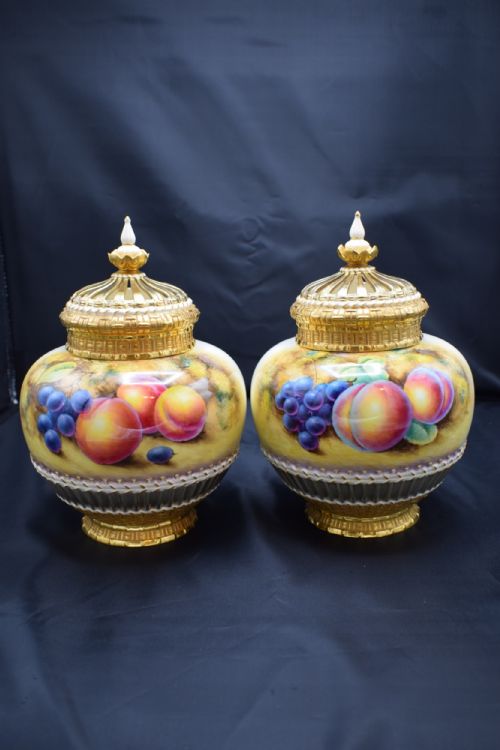


Pair of Porcelain Pots
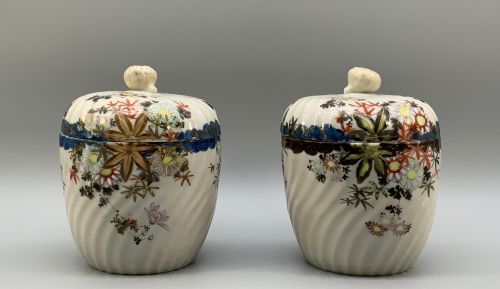
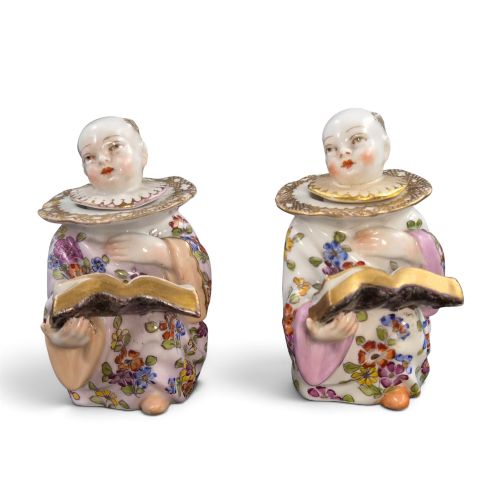
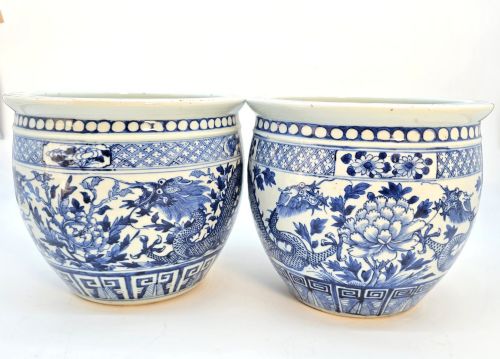
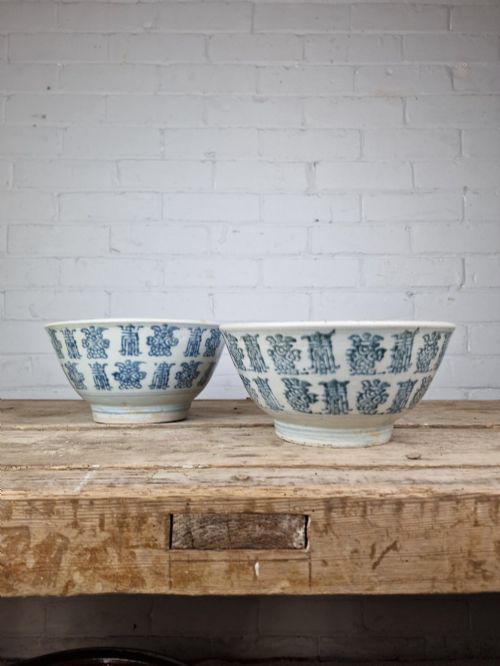
These pair of porcelain pots bridge centuries of domestic display, offering matching vessels shaped by diverse global kilns.
Pair of Porcelain Pots
A search for a pair of porcelain pots leads to matched sets of vessels utilised for plants, ink, or decorative display. These objects emerge from various periods, including the eighteenth and nineteenth centuries, as well as the Edwardian era.
The forms span jardinières, lidded jars, cache-pots, inkwells, and spill vases. Japanese export pieces from the Meiji period and Chinese Qing dynasty items sit alongside English works from factories such as Royal Worcester and Mason's.
Buyers frequently encounter nineteenth-century Japanese blue and white jardinières or lidded jars featuring floral and botanical motifs. European factories contribute figures, chamber ink pots, and painted cache-pots to this category.
Materials and production methods
Potters utilised porcelain, ceramic, and ironstone as the primary foundations for these vessels. Cobalt underglaze provided deep blue decoration, while enamel and gold leaf added polychrome details and highlights over the glaze.
Firing techniques allowed for intricate cobalt blue designs under the glaze or hand-painted enamel scenes applied atop the surface. Artisans frequently paired the ceramic bodies with associated hardwood stands or bronze mounts.
Certain nineteenth-century pots come with associated hardwood stands, proving that even porcelain appreciates a sturdy wooden pair of shoes.
Elements of distinction
Quality rests upon the precision of the hand-painted decoration, whether depicting botanical studies, figurative scenes, or animal subjects by known hands. The crispness of cobalt underglaze and the application of enamel define the visual depth of each vessel.
The integrity of the porcelain body, balanced potting, and the preservation of delicate gilt highlights separate standard utilitarian wares from superior artistic productions. Signed works by established painters elevate the standing of a matching set.
Edmé Samson·Mason’s·Royal Worcester·Royal Bayreuth·Dresden Potschappel
The Pair of Porcelain Pots Glossary
- Jardiniere
- A large ornamental pot or planter designed to hold a live plant or floral arrangement. These vessels often sit on associated hardwood stands.
- Cache-pot
- An ornamental container used to conceal an ordinary flowerpot. The French examples frequently incorporate bronze mounts or faux bamboo moulding.
- Cobalt underglaze
- A blue pigment applied to the ceramic body before the glaze and firing process. This technique protects the vibrant colour beneath a glassy surface.
- Imari
- A style of Japanese export porcelain decorated in underglaze blue, iron red, and gold. This aesthetic heavily influenced European potters.
- Posy vase
- A small vessel created specifically for holding short-stemmed bunches of flowers. These items appear in ironstone and fine porcelain formats.
Pair of Porcelain Pots: Frequently Asked Questions
How are jardinières used?
Jardinières serve as decorative holders for potted plants or floral arrangements within interior spaces. Their generous proportions allow them to sit centrally on tables or stands.
Historically, they protected fine furniture from water damage while displaying greenery or blooms in domestic reception rooms.
What distinguishes cache-pots?
Cache-pots function specifically to hide utilitarian flowerpots rather than holding soil directly. They frequently feature decorative handles, bronze mounts, or painted panels.
European workshops produced these vessels in various styles, including turquoise glazes and faux bamboo mouldings.
How do I identify Japanese Imari?
Japanese Imari pieces display a distinct palette combining cobalt underglaze blue, iron red, and gold accents. This style originated during the Edo period and gained popularity in the West.
The patterns often incorporate dense floral motifs and intricate geometric borders across the porcelain surface.
Where were spill vases placed?
Spill vases sat near fireplaces to hold thin wood spills used for lighting candles, pipes, and fires. Their slender forms kept these paper or wood tapers organised and accessible.
By the Edwardian period, many such vessels transitioned into purely decorative mantelpiece ornaments.
What is ironstone?
Ironstone is a durable type of heavy ceramic patented in the nineteenth century to rival true Chinese porcelain. It offered factories a sturdy material for functional items like posy vases.
Pieces made from this substance withstand daily use while accepting bright enamel and gilt decorations.