


Antique British Decorative Ceramics
Antique British decorative ceramics bring remarkable colour and texture to a room, offering genuine historical character through glazed earthenware, stoneware, and porcelain.
Antique British Decorative Ceramics
Antique British decorative ceramics encompass a diverse selection of ornamental vessels and plates created across the late nineteenth and early twentieth centuries. When exploring antique british decorative ceramics, buyers encounter a variety of forms including vases, ewers, and cabinet plates produced during the Victorian, Edwardian, and Art Deco periods.
The objects available on this page reflect distinct stylistic movements such as the Aesthetic Movement, Arts and Crafts, Art Nouveau, and Victorian Art Pottery. Prominent manufactories and studios represented include Royal Worcester, Doulton Lambeth, Burmantofts, and Poole Pottery.
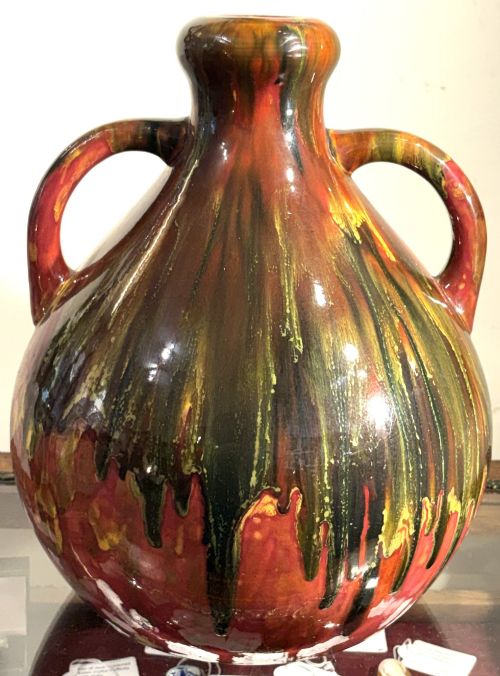
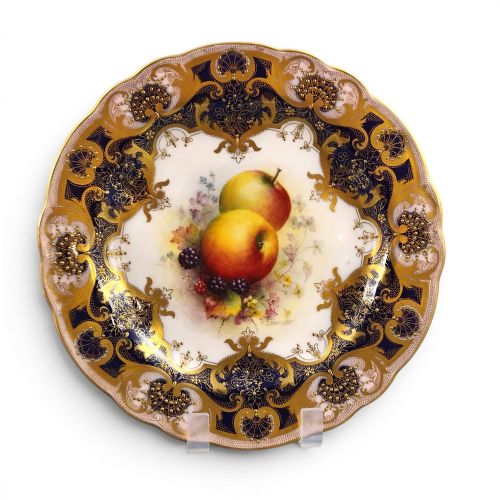
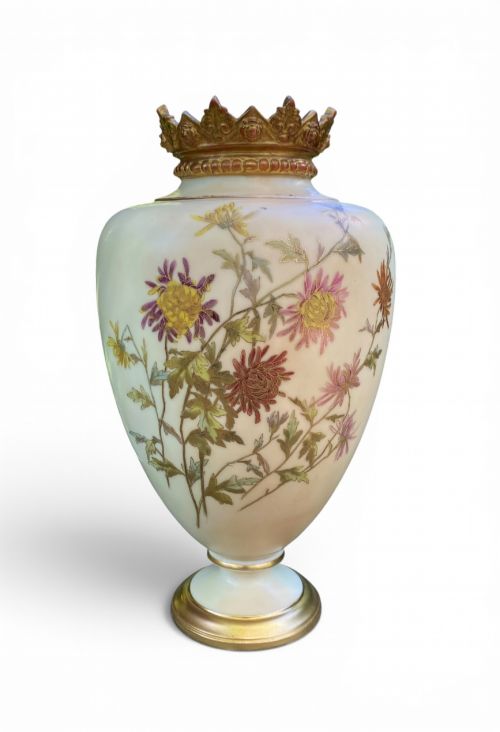
Vases form the majority of the available selection, ranging from large twin-handled statements to unusual shapes finished in detailed ceramic glazes. Alongside these sculptural vessels, buyers find finely painted cabinet plates and related decorative works.
How they were made
Maker's workshops shaped fine clay bodies into earthenware, stoneware, and porcelain, applying traditional throwing and moulding techniques to achieve distinct structural forms. Artisans then decorated these surfaces using specialised ceramic glazes and rich enamel colours.
Selected pieces received hand-painted details or highlights in gold leaf, requiring careful kiln firings to set the pigments permanently. Renowned artists and painters signed or initialled specific works, demonstrating individual studio execution within larger factory productions.
Listings feature works spanning from the eighteen-eighties through the nineteen-thirties, encompassing Victorian, Edwardian, and Art Deco periods.
What varies in quality
Quality in these ceramics rests upon the sophistication of the form, the depth of the glaze, and the skill of the painting. Pieces bearing the hand of a recognised artist or designer command greater regard than standard factory output.
The complexity of the manufacturing process, such as multi-fired enamel work or intricate hand-painted scenery, separates exceptional cabinet plates and vases from simpler decorative wares.
Royal Worcester·Doulton Lambeth·Burmantofts·Poole Pottery·Carter Stabler Adams
The Antique British Decorative Ceramics Glossary
- Earthenware
- Porous pottery fired at lower temperatures, requiring a vitreous glaze to render it waterproof. It forms the foundation for many traditional decorative wares.
- Stoneware
- A dense, impermeable ceramic fired at high temperatures until the body vitrifies. Doulton Lambeth pieces utilise this durable material.
- Porcelain
- A fine, translucent ceramic made from kaolin and petuntse fired at high heat. Royal Worcester utilised this body for delicate cabinet plates and painted vases.
- Ceramic Glaze
- A vitreous coating fused to the ceramic body through firing, providing colour, texture, and a protective seal. Variations in glaze chemistry produce matte, glossy, or textured finishes.
- Cabinet Plate
- An ornamental plate intended for display on a wall or within a cabinet rather than for dining use. These often feature elaborate hand-painted scenes by named artists.
Antique British Decorative Ceramics: Frequently Asked Questions
What periods do these ceramics cover?
The pieces span from the late nineteenth century through the Art Deco era of the 1930s. This includes Victorian, Edwardian, and early twentieth-century decorative movements.
Key styles range from Victorian Art Pottery and the Aesthetic Movement to Arts and Crafts and Art Nouveau designs.
How were these decorative items used?
Most of these objects were created purely for ornamental display in domestic interiors, placed on mantelpieces, side tables, or within display cabinets. Cabinet plates were specifically designed to be showcased on walls or stands rather than used for food.
Vessels such as ewers and large vases served as focal points in Victorian and Edwardian reception rooms, often highlighting the owner's taste and artistic appreciation.
How can I identify the maker?
Makers are typically identified through factory backstamps, impressed marks, or painted signatures found on the base of the ceramic. Studios like Doulton Lambeth often used impressed monograms for individual artists alongside factory stamps.
Hand-painted pieces sometimes include the artist's signature directly on the decorated surface near the edge of a plate or within the painted scene on a vase.
Are painted ceramics fragile?
While fired ceramic bodies are structurally sound, overglaze enamel painting and gold leaf details require gentle handling to prevent surface wear. Regular dusting with a soft cloth preserves the original finish.
Displaying pieces away from direct, harsh sunlight helps maintain the vibrancy of the hand-painted enamel colours and prevents any potential fading over time.