


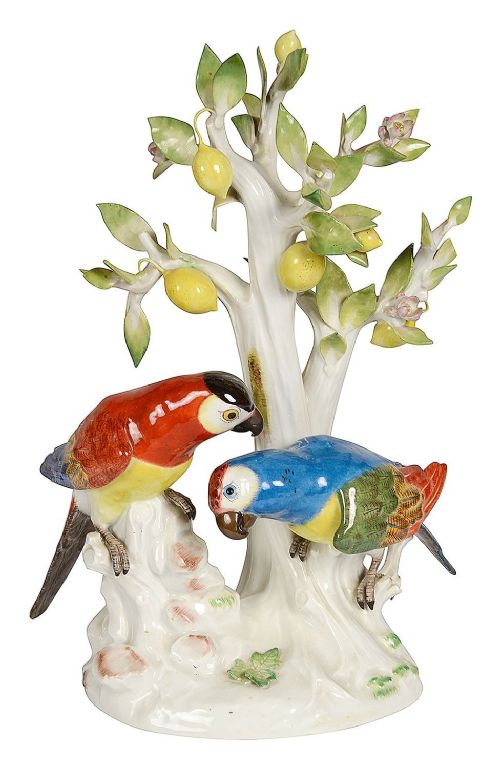
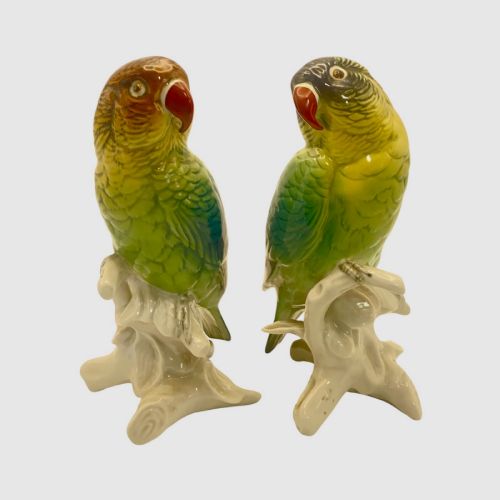



Pair of Porcelain Birds
These pair of porcelain birds bring painted plumage and symmetrical balance to a room, spanning European workshops and Asian kilns.
Pair of Porcelain Birds
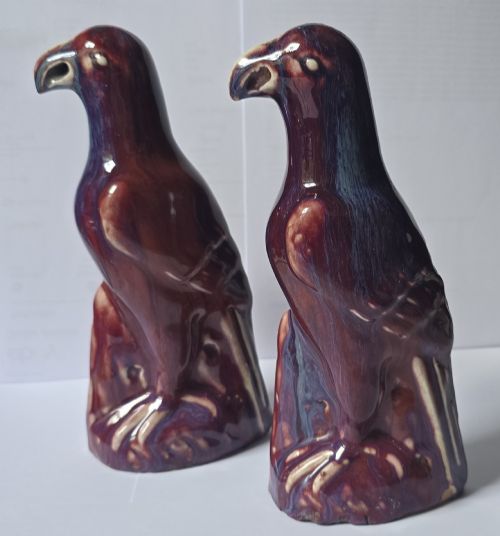
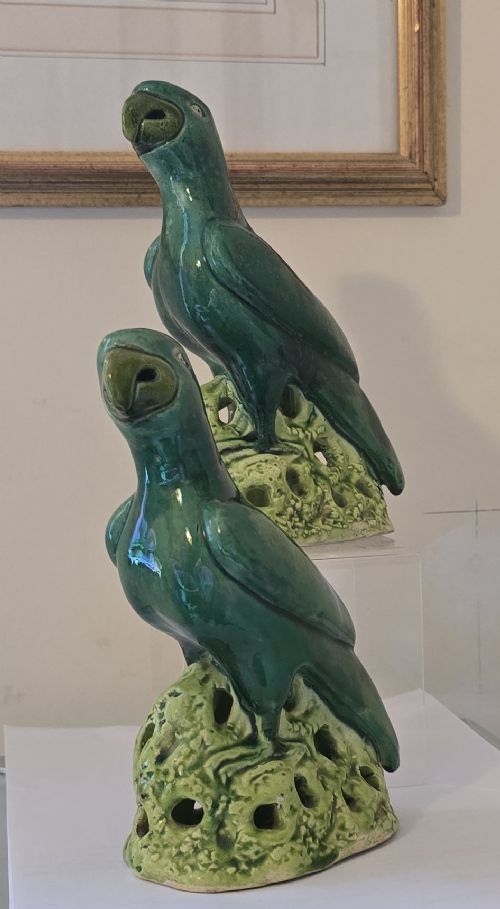
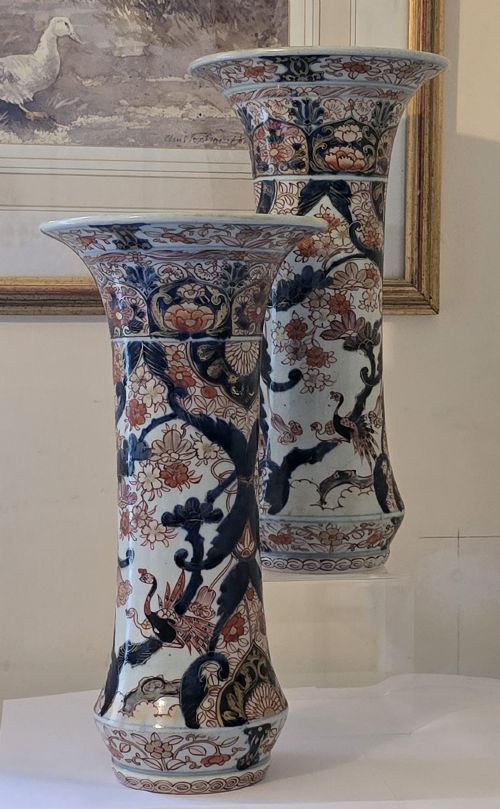
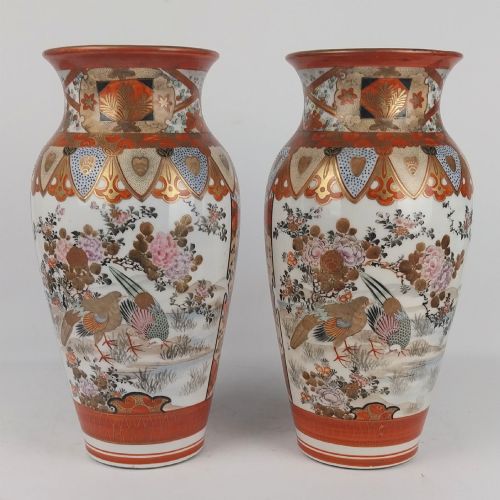
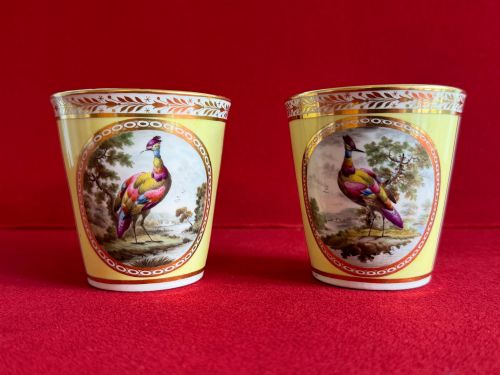
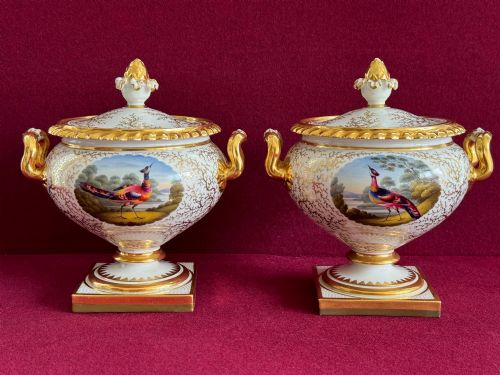
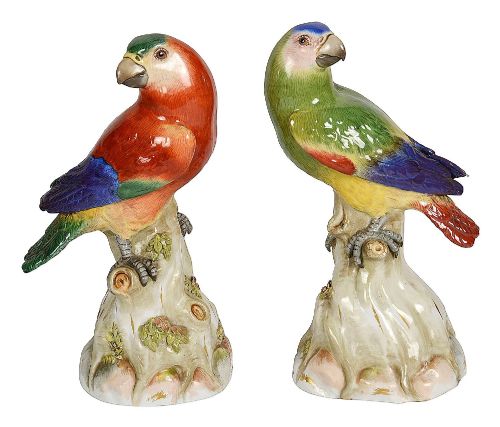
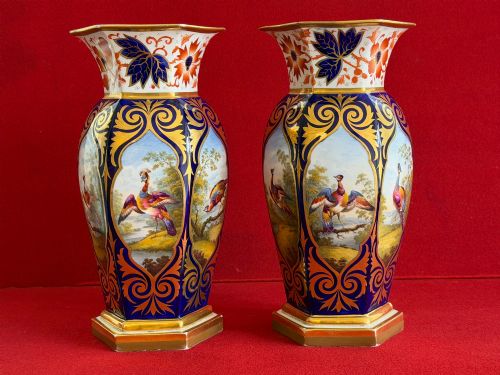
A pair of porcelain birds encompasses sculptural figures, painted vases, and decorative dishes bearing avian motifs from various global traditions. You will encounter European porcelain factories modelling parrots, cockatoos, and pheasants alongside Japanese and Chinese ceramic pairs depicting cranes, peacocks, and phoenixes.
The physical forms range from three-dimensional bird figures perched on tree stumps to vessels decorated with painted feathers and floral branches. Pieces extend from eighteenth-century Georgian and Regency creations to nineteenth-century Meiji period items and twentieth-century works.
European examples often present naturalistic modelling with coloured glazes, while Asian items frequently combine intricate hand-painted enamel decoration with gilt highlights on earthenware or hard-paste porcelain bodies. Selecting a pair requires observing how the matching forms balance a mantelpiece, table, or sideboard display.
Materials and construction
Potters shaped these objects using hard-paste or soft-paste porcelain, earthenware, and ironstone, often building sculptural birds in sections before kiln firing. Artisans then applied underglaze blue, coloured enamel paints, and gold leaf highlights to define plumage details and foliage.
Glazing methods varied from smooth transparent coats to sancai multi-coloured glazes and crackled finishes on Japanese Satsuma and Chinese wares. Mounts of ormolu sometimes secured porcelain components together, adding structural stability and decorative metalwork to nineteenth-century European compositions.
Pair of Porcelain Birds Retail Price Guide 2026
Typical asking prices for pair of porcelain birds among the pieces listed under this phrase on Sellingantiques today, from the lower quarter to the upper quarter. They describe what is for sale here now, not the wider market.
Certain nineteenth-century parrots sport expressions of permanent astonishment that suggest they witnessed every family argument in the drawing room.
Evaluating craftsmanship
Superior execution shows in the precision of the hand-painted feather work, the subtlety of facial expressions on sculptural birds, and the crispness of the moulded clay beneath the glaze. Master painters at factories such as Meissen, Worcester, or Kutani kilns achieved depth through layered enamel washes and fine linework that lesser workshops blurred.
The balance and symmetry of the matching pieces determine the visual success of the pair, as studio output relied on consistent kiln temperatures to prevent warping during high-heat firing. Well-preserved gilding and minimal enamel rubbing indicate careful preservation over centuries.
Karl Ens·Meissen·Chamberlains Worcester·Flight, Barr & Barr·Derby·Coalport·Makuzu Kozan·Mason·Rozenburg·Royal Worcester·Kinkōzan·Manpei·Kato Sanhei·Hododa·Fukagawa
The Pair of Porcelain Birds Glossary
- Hard-paste porcelain
- A dense, vitrified ceramic material fired at high temperatures using kaolin and petuntse. It resists scratching and yields a ringing sound when tapped.
- Sancai
- A three-colour glaze tradition originating in China, using low-temperature lead fluxes to bond amber, green, and creamy white tones.
- Enamel
- Low-melting glass coloured with metal oxides and painted over a fired glaze, requiring a secondary kiln fixing to fuse the pigments.
- Ormolu
- Gilt bronze decorative mountings applied to ceramic bases, popular in European interior design to elevate domestic objects.
- Imari
- A Japanese export porcelain style characterised by deep underglaze blue and iron-red overglaze designs enriched with gold.
Pair of Porcelain Birds: Frequently Asked Questions
How do I clean antique porcelain birds?
Dust surfaces gently using a soft, dry brush to prevent abrasive particles from scratching delicate enamel paints or gold leaf.
Avoid submerging items with metal mounts, adhesives, or unglazed areas in water to protect the structural integrity of the ceramic body.
How can I tell Meissen birds from other factories?
Meissen pieces typically display crossed swords in blue underglaze on the base alongside naturalistic modelling of plumage.
European factories often relied on distinct paste densities and factory marks that differentiate German figures from English or Asian productions.
Why do some pairs have different poses?
Many sculptural pairs were modelled as mirror images, turning their heads in opposite directions to create visual balance on a display surface.
This deliberate compositional design ensured that when placed apart, the birds framed a central mirror, clock, or urn harmoniously.