


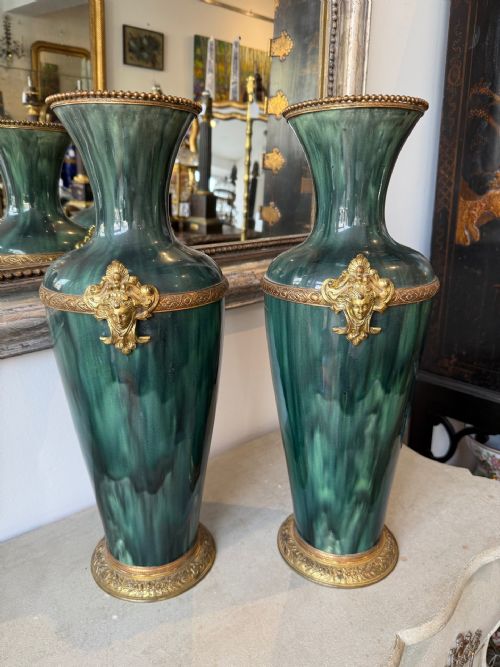


Green Glazed Porcelain
Green glazed porcelain brings distinctive vitreous depth and varied botanical colour to interiors, drawing collectors through historical Asian ceramic traditions and European figural works.
Green Glazed Porcelain
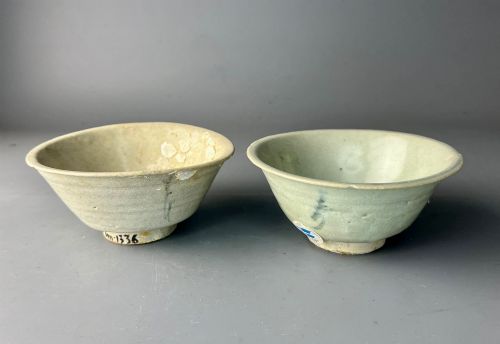
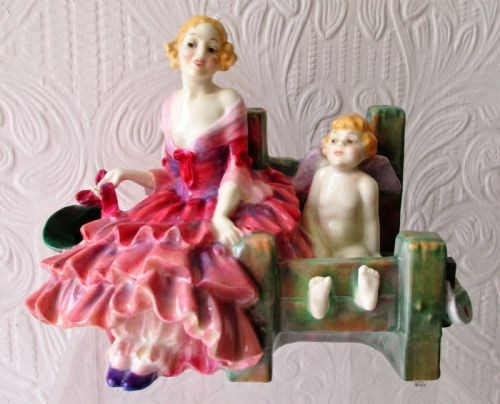
When searching for green glazed porcelain, buyers encounter diverse decorative forms spanning Chinese dynastic vessels, European figures and domestic wares. The selection ranges from early celadon bowls originating in the Song Dynasty to twentieth-century Art Deco figures and animals.
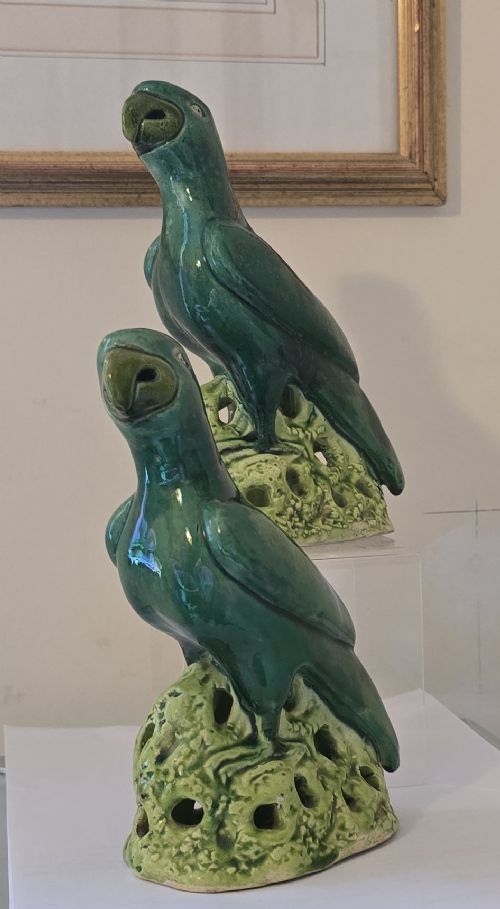
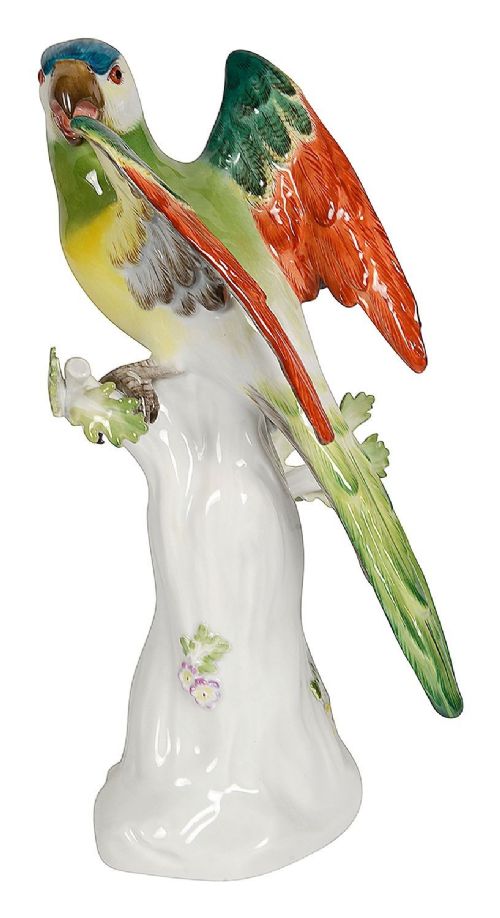
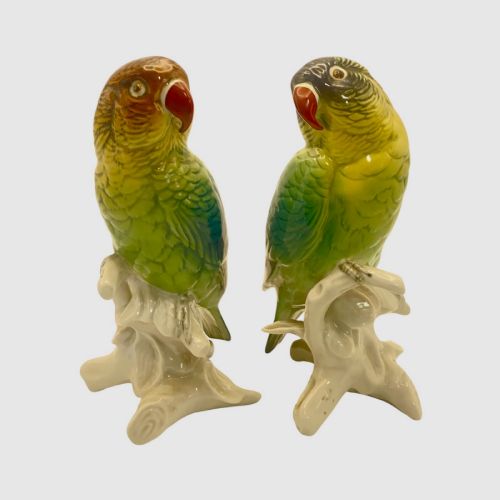
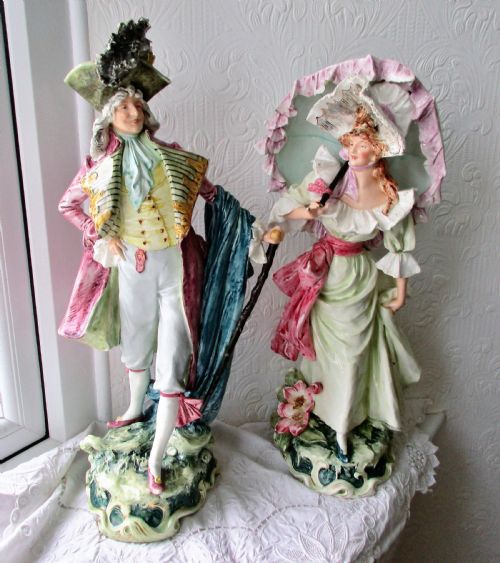
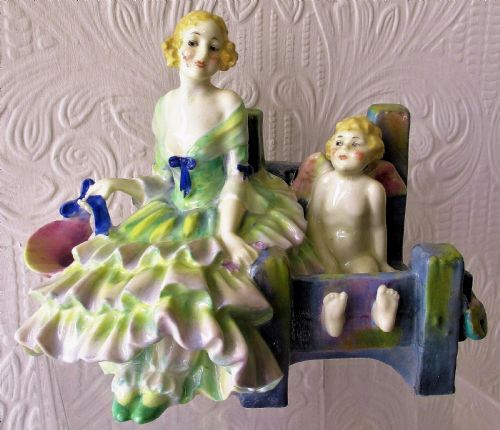
Chinese pieces frequently include parrots, ducks and foliate-rim dishes finished in celadon or sancai glaze, while European examples encompass nineteenth-century French lamps, German figures and English ceramics. Figures and decorative bowls dominate the available selection.
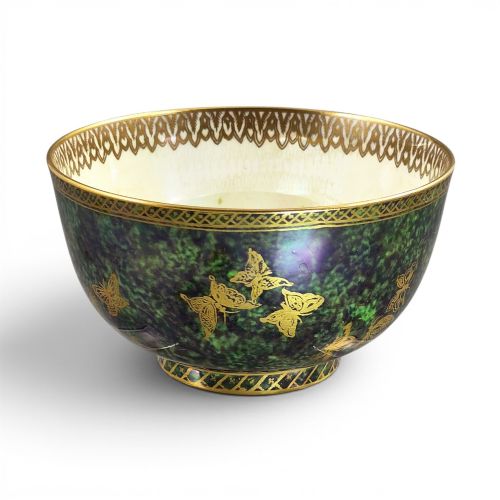
The aesthetic appeal rests in the vitreous qualities of the surface coatings, which transition from pale sea-green tones to deep mottled emerald hues. These objects combine utilitarian or figural sculpture with skilled ceramic chemistry.
Materials and technique
The fabrication relies on porcelain, ceramic or earthenware bodies shaped by throwing, moulding or casting before application of specialised mineral-based liquid coatings. Glazes containing iron oxides produce the characteristic green tones when fired in reduction kilns.
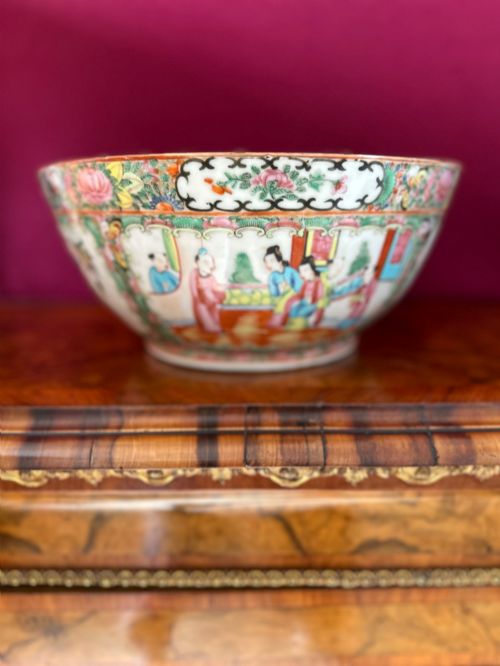
Some decorative items incorporate additional surface embellishments such as enamel colours and gold leaf applied over or under the vitreous layer. Kiln temperature and atmosphere dictate the final depth and crackle effect of the fired surface.
Green Glazed Porcelain Retail Price Guide 2026
Typical asking prices for green glazed porcelain among the pieces listed under this phrase on Sellingantiques today, from the lower quarter to the upper quarter. They describe what is for sale here now, not the wider market.
The listings on this site encompass porcelain, earthenware, and ceramic bodies finished with celadon, sancai, and enamel glazes.
Assessing quality
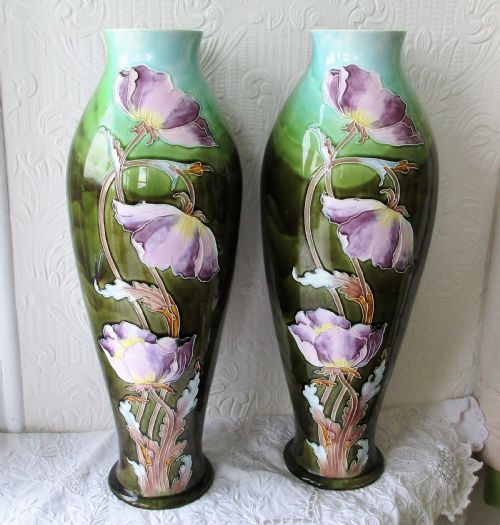
Quality differences emerge in the precision of the modelling, the depth and evenness of the vitreous coating, and the preservation of hand-painted details. Finer pieces display crisp botanical moulding or sculptural definition without surface pooling or dry patches in the glaze.
The distinction between standard commercial production and superior examples lies in the complexity of the kiln firing and the artistry of the hand-finishing. Pieces from established kilns or named makers demonstrate superior material purity and sculptural control.
Karl Ens·Royal Doulton·Meissen·Makuzu Kozan·Wedgwood·Royal Dux·Eichwald
The Green Glazed Porcelain Glossary
- Celadon glaze
- A transparent green glaze applied to porcelain or stoneware that derives its colour from iron oxide in a reduction kiln. The finish mimics the appearance of jade.
- Sancai glaze
- A three-colour ceramic glaze predominantly utilising green, amber and cream tones, commonly associated with Tang and Ming style Chinese pottery.
- Faience
- Tin-glazed earthenware produced primarily in France and other European countries, featuring opaque white or coloured surface finishes.
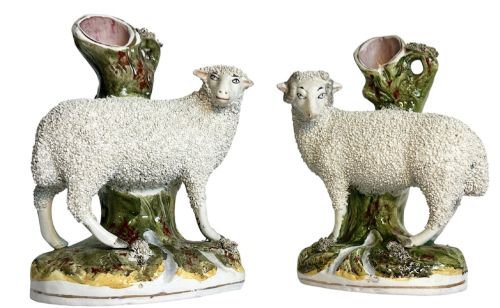
- Spill vase
- A small cylindrical vessel designed to hold taper candles or wooden spills used for lighting fires and lamps across domestic rooms.
- Imari
- Japanese export porcelain decorated in underglaze blue, iron red, and gold, representing a distinct cross-cultural aesthetic of the Meiji period.
Green Glazed Porcelain: Frequently Asked Questions
What is green glazed porcelain?
It is a category of ceramic objects coated in vitreous green compounds, ranging from ancient Chinese celadon bowls to European figures and vases.
These pieces derive their colour from mineral oxides fired at high temperatures, creating durable and decorative surfaces.
How were these ceramics used historically?
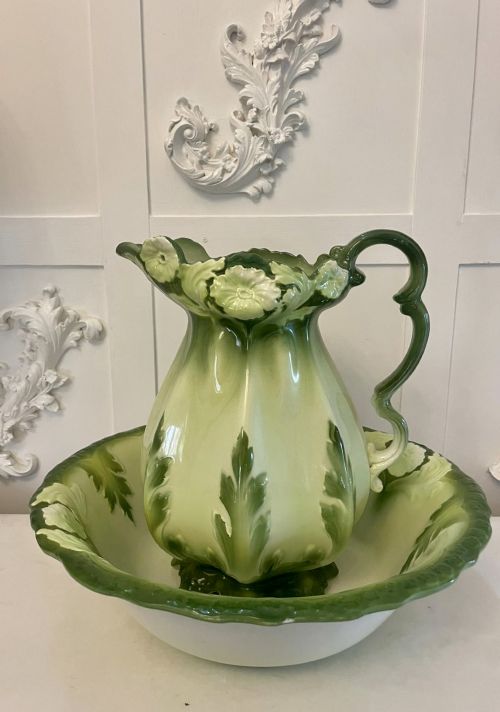
Many items served practical domestic functions such as wash jugs, bowls, chamber pots and lamp bases, while others existed purely for decoration.
Figurines, spill vases and decorative animals occupied parlours and display cabinets as symbols of refinement and global trade.
How should I display these pieces?
Place them in well-lit cabinets or on stable surfaces where the reflective qualities of the glaze can catch ambient light.
Keep them away from direct heat sources and abrasive cleaning materials to preserve the integrity of the antique ceramic body.