




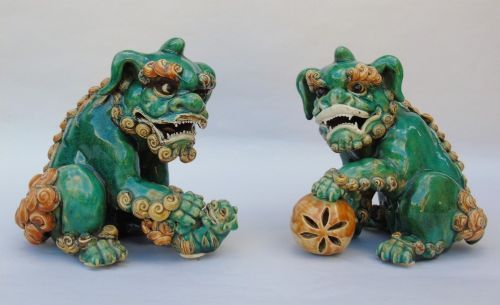


Chinese Green Glazed Pottery
Chinese green glazed pottery brings luminous colour and ancient craft into a room, offering vessels and figures shaped across centuries of Asian ceramic tradition.
Chinese Green Glazed Pottery
When someone searches for chinese green glazed pottery, they encounter a diverse array of items ranging from early earthenwares to later porcelain vessels and figures. The pieces on this page span multiple eras, including pre sixteenth century dynasties alongside nineteenth and early twentieth century works.
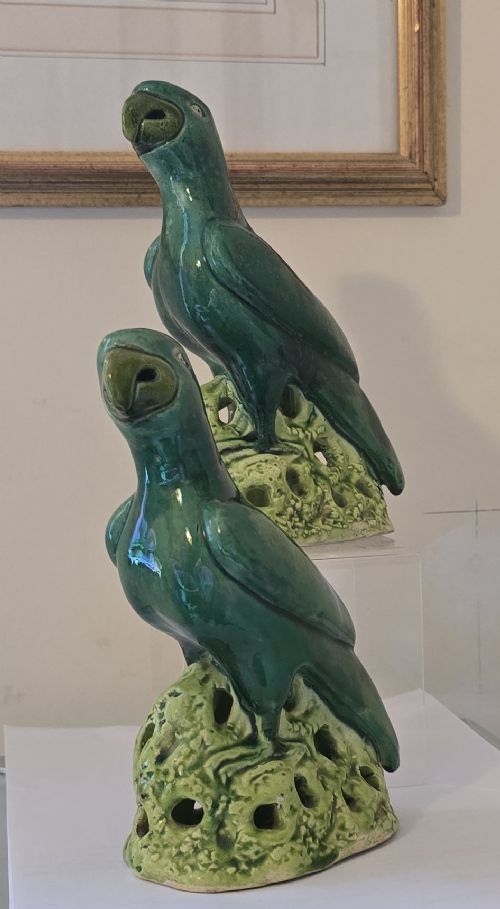
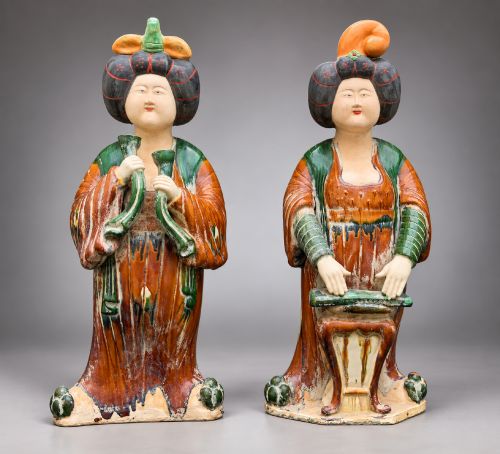
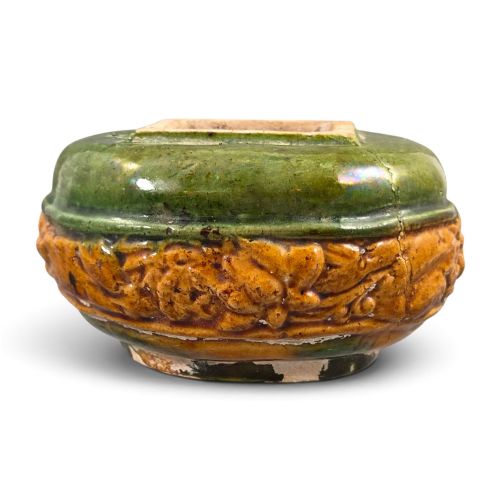
Buyers are most likely to meet decorative figures, musicians, Buddhist lions, and practical vessels such as bowls, jars, and water pots. These items reflect traditional motifs, including ducks, parrots, dogs of fo, and ritual offerings.
The objects demonstrate distinct regional and stylistic variations, drawing upon Tang Dynasty style, Song Dynasty forms, and Qing Dynasty aesthetics. Each piece bridges utility and sculpture, utilising the characteristic green tones that define the category.
Materials and production methods
The makers of these items utilised earthenware, terracotta, and porcelain as the foundational bodies for their creations. These materials were shaped into complex forms such as animal figures, architectural models, and scholarly vessels before firing.
Glazing technique defines the surface appearance, employing lead glaze, sancai style multi-coloured glazes, and celadon finishes to achieve distinctive green hues. The interaction between the clay body and the molten glaze creates the characteristic depth and sheen seen across the listings.
Chinese Green Glazed Pottery Retail Price Guide 2026
Typical asking prices for chinese green glazed pottery among the pieces listed under this phrase on Sellingantiques today, from the lower quarter to the upper quarter. They describe what is for sale here now, not the wider market.
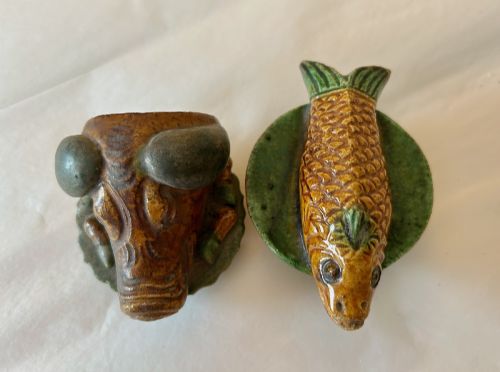
The selection includes animal forms such as ducks, parrots, boars, and dogs of fo alongside human figures and scholarly vessels.
Assessing quality in the collection
Quality rests upon the precision of the modelling and the liveliness of the form, particularly in figurative works such as musicians, animals, and attendant figures. Superior examples display confident detailing and well-balanced proportions that capture movement and expression.
The application and condition of the glaze dictate visual success, with finer pieces exhibiting even coverage and pleasing crackle or pooling effects. Depth of colour and the harmonious interaction between glaze and clay separate masterwork items from more standard commercial production.
Joseph Holdcroft
The Chinese Green Glazed Pottery Glossary
- Celadon
- A term for ceramics denoting a green glaze resembling jade, highly prized in Asian pottery traditions. It ranges from pale sea-green to deeper olive tones.
- Sancai
- A tripartite glaze style historically associated with Tang pottery, typically combining green, amber, and creamy white colours. These glazes run and pool naturally during the firing process.
- Foo Dog
- A traditional guardian lion sculpture placed to protect buildings and spaces, frequently rendered in glazed pottery or porcelain. They often appear in pairs flanking entrances or altars.
- Earthenware
- Porous pottery fired at lower temperatures, commonly used for early figures and ritual burial objects before the widespread adoption of porcelain. It forms the base for many lead-glazed pieces.
- Scholar's water vessel
- A small utilitarian container utilised for wetting ink stones during traditional calligraphy and painting. These items often take decorative or zoomorphic forms.
Chinese Green Glazed Pottery: Frequently Asked Questions
What is Chinese green glazed pottery?
These items encompass figures, vessels, and decorative objects coated in distinctive green, celadon, or sancai glazes across various historical periods.
They represent centuries of ceramic artistry originating from different dynasties and later revival periods.
How were these pottery pieces used?
Many objects served ritual or funerary purposes, acting as tomb attendants, altar offerings, or protective guardians for the deceased.
Other items functioned as scholarly tools, incense holders, or decorative vessels within traditional households.
How do I live with antique pottery?
Place fragile ceramic vessels and figures in stable locations away from heavy traffic and direct sunlight to protect the glaze.
Pair them with complementary wooden stands or display them on dedicated shelves where their form and colour can be appreciated.
How can I tell different periods apart?
Dating relies on examining the clay body, glaze characteristics, and stylistic conventions associated with specific dynasties or revival eras.
Early pieces often display pre-sixteenth century earthenware traits, whereas nineteenth and twentieth-century items utilise refined porcelain or specific stylistic revivals.