



Chinese Exported Ceramics
These Chinese exported ceramics span centuries of cross-cultural trade, bringing decorative plates, armorial services, and vibrant vessels made for Western markets into modern interiors.
Chinese Exported Ceramics
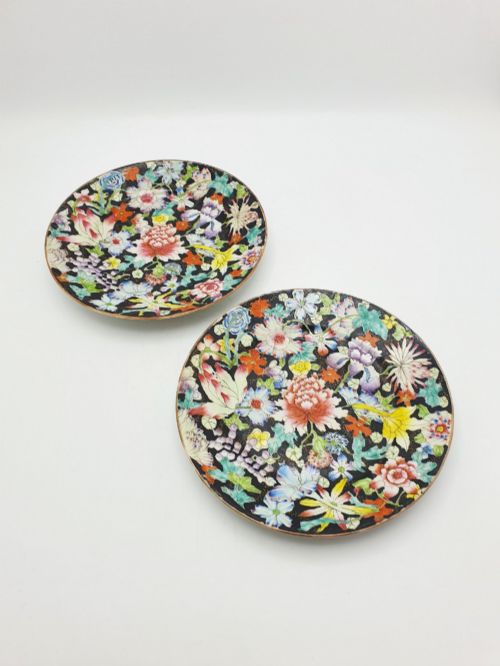
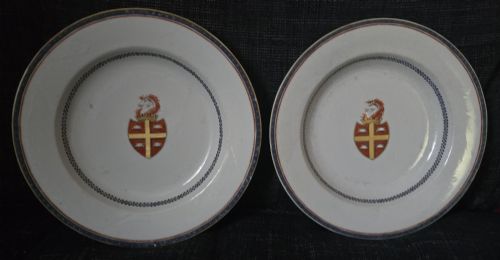
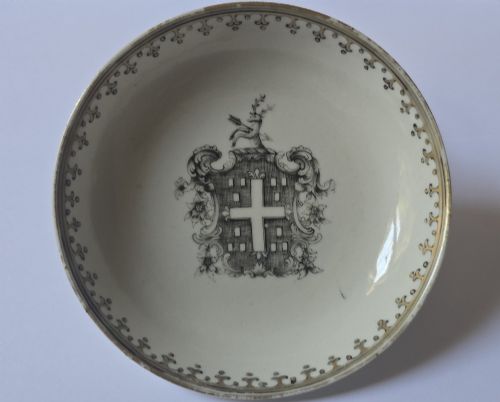
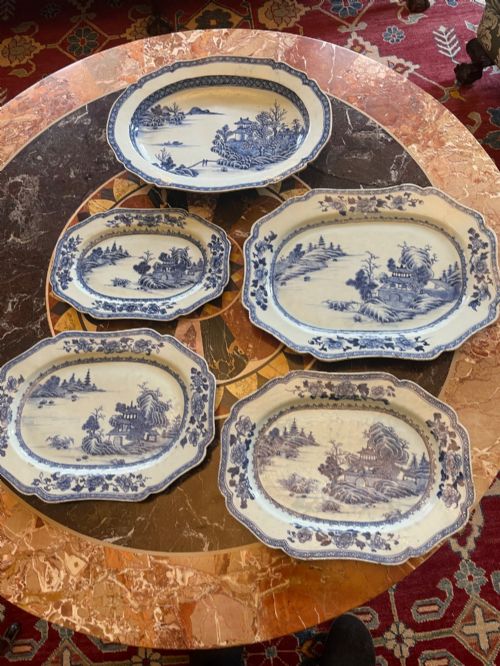
Chinese exported ceramics comprise decorative plates, armorial tea bowls, chargers, and vases created in the East specifically for export to Western buyers. The selections here span the Kangxi, Yongzheng, and Qianlong periods of the Qing Dynasty, stretching through the nineteenth century into later adaptations.
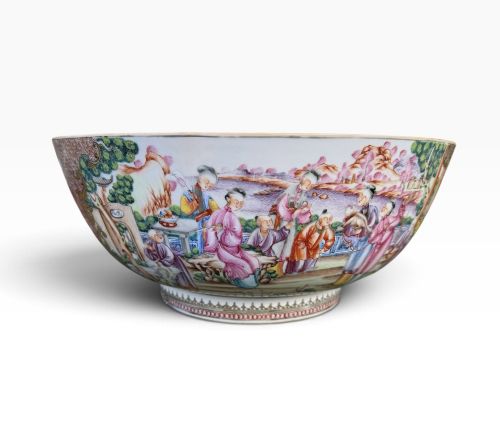
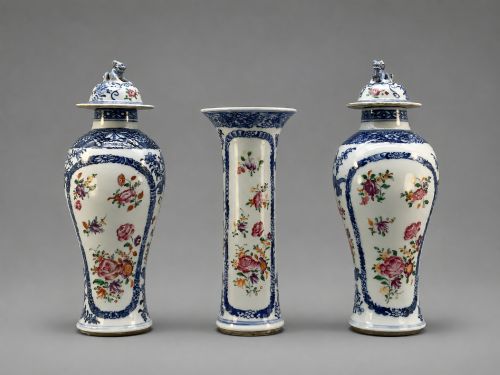
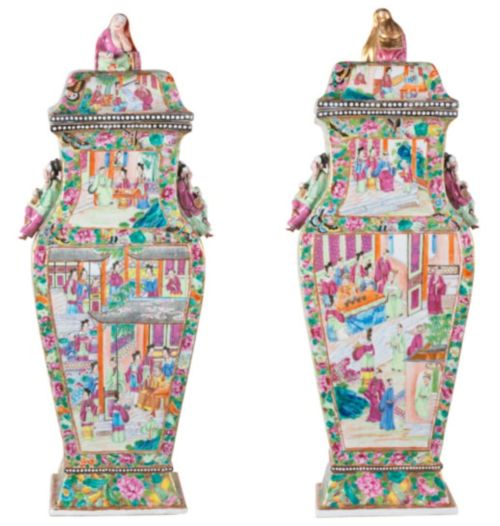
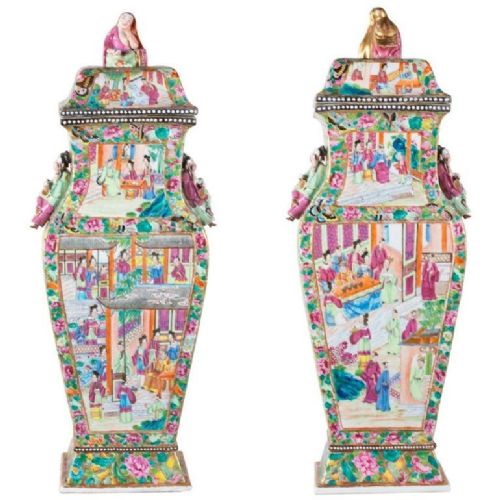
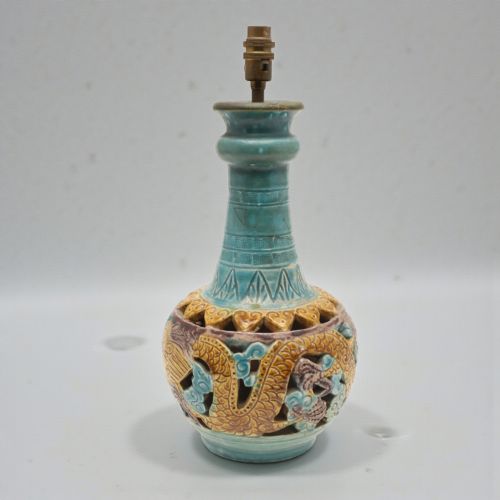
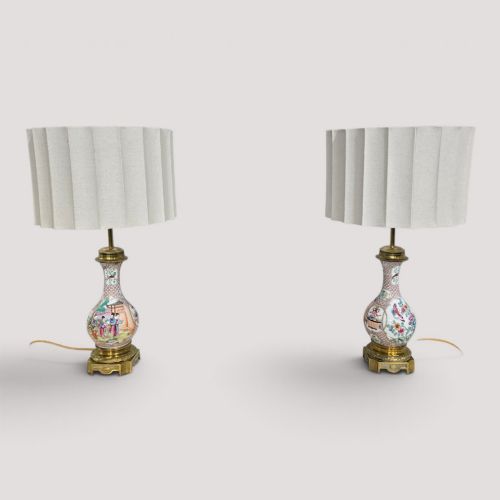
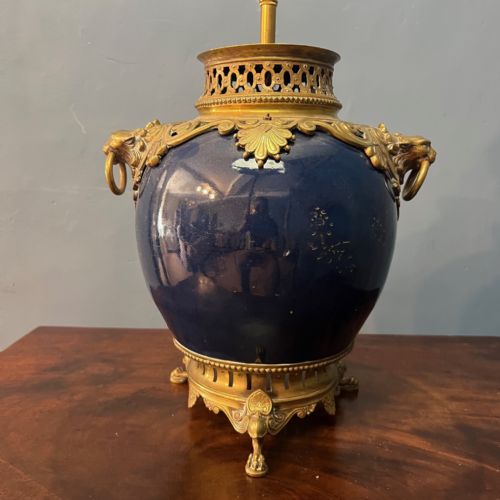
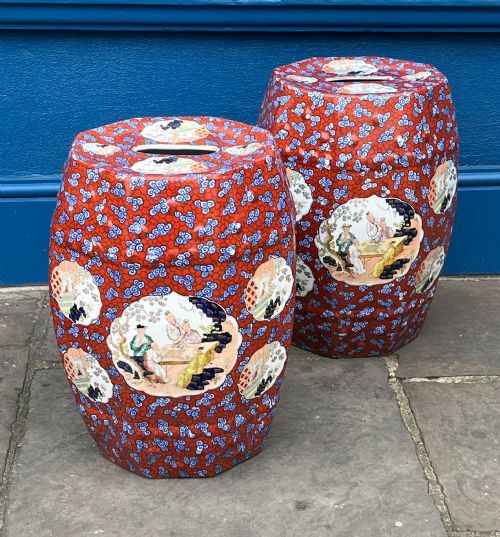
Buyers will encounter blue and white porcelain chargers, Famille Rose dishes, and armorial services bearing specific family crests. Nineteenth-century examples often include Canton and Rose Medallion lidded vases, along with items adapted later into table lamps.
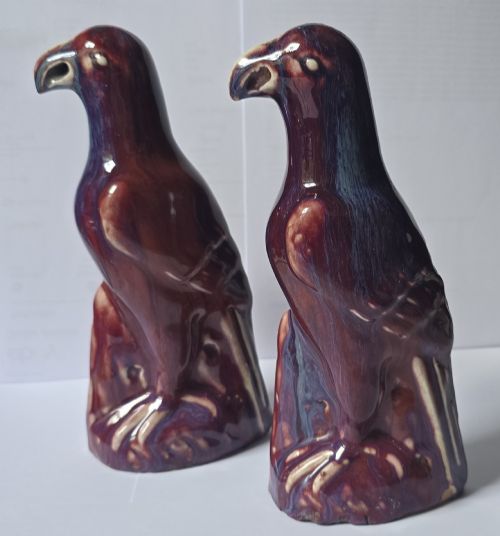
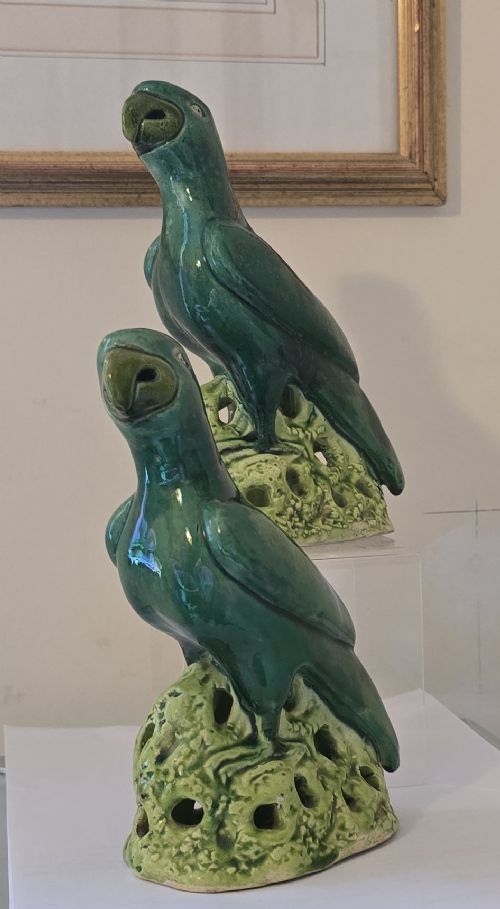
The assortment includes salvaged cargo pieces from shipwreck provenances alongside domestic wares like ginger jars and trefoil dishes. Early pieces from the seventeenth and eighteenth centuries sit alongside later nineteenth-century interpretations and European revival pieces.
Materials and Technique
The foundation of these objects is hard-paste porcelain, painted with cobalt glaze for blue and white designs or finished with polychrome enamel palettes such as Famille Rose and Famille Verte. Certain pieces incorporate applied ormolu mounts, brass fixtures, and gilt metal details added during subsequent European mountings.
Decoration techniques combine hand-painted cobalt underglaze with overglaze enamelling, gold leaf accents, and intricate reticulated basketwork. Some nineteenth-century ironstone and porcelain pieces exhibit clobbered decoration, where earlier imported blue and white surfaces received later overglaze painting in Europe.
Chinese Exported Ceramics Retail Price Guide 2026
Typical asking prices for chinese exported ceramics among the pieces listed under this phrase on Sellingantiques today, from the lower quarter to the upper quarter. They describe what is for sale here now, not the wider market.
Listings feature porcelain, enamel, gold leaf, and cobalt glaze across periods from the seventeenth century to the twentieth century.
Quality and Execution
Quality rests on the crispness of the hand-painted brushwork, the vibrancy of the enamel colours, and the purity of the porcelain body. Superior pieces display meticulous detail in facial expressions, garden scenes, and armorial crests without blurring or misalignment in the kiln firing.
The integration of secondary materials like ormolu mounts and bronze framing influences the overall character of the piece. Fine armorial services demonstrate precise heraldic painting that matches historical family records accurately.
Edme Samson·Samson Paris
The Chinese Exported Ceramics Glossary
- Armorial porcelain
- Ceramics painted with specific European family coats of arms or monograms, commissioned directly from Chinese kilns.
- Famille Rose
- A palette of opaque overglaze enamels dominated by pink or rose colours, introduced during the Qing Dynasty.
- Kraak porcelain
- Early Chinese export porcelain characterised by panelled blue and white designs, often exported in large quantities during the Ming and Qing transitions.
- Clobbered
- A process where plain blue and white export porcelain received subsequent overglaze enamelling and firing in Europe to increase its decorative appeal.
- Blanc-de-Chine
- White porcelain produced at Dehua in Fujian province, known for its milky glaze and sculpted figural groups.
Chinese Exported Ceramics: Frequently Asked Questions
What is Chinese export porcelain?
Chinese export porcelain refers to ceramic wares manufactured in China specifically for export to European, American, and other overseas markets from the sixteenth century onwards. These pieces combined traditional Chinese potting techniques with decorative motifs, shapes, and armorial crests tailored to Western tastes.
The inventory includes everything from early blue and white kraak chargers to elaborate eighteenth-century armorial services and nineteenth-century Canton and Rose Medallion vessels.
How can I tell the period of a piece?
Dating relies on examining the painting style, glaze characteristics, reign marks, and the specific palette used, such as Famille Rose or cobalt blue. Eighteenth-century pieces often display finer, more controlled brushwork and thinner porcelain bodies compared to nineteenth-century productions.
Changes in trade patterns and the introduction of European ormolu mounts also provide contextual clues for specific decades of manufacture.
What does clobbered porcelain mean?
Clobbered porcelain describes pieces that originally featured underglaze blue and white decoration which were later painted over with additional bright enamels and re-fired in European workshops. This practice was often undertaken to refresh older stock or cater to changing decorative fashions.
These items exhibit a distinct layered appearance where the later overglaze sits on top of the original glazed surface.
How do I live with antique export ceramics?
Living with these ceramics involves placing them securely away from high-traffic edges, using stable mounting for lamps, and protecting surfaces from direct, harsh sunlight. Regular dusting with a soft, dry cloth keeps the enamel and glaze clear without risking abrasion.
Armorial plates and bowls function well displayed on plate stands or within dedicated cabinets where their detailed painting remains visible.