
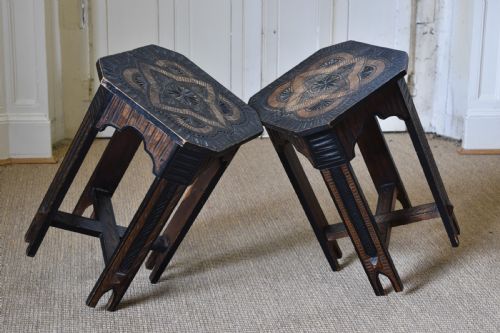
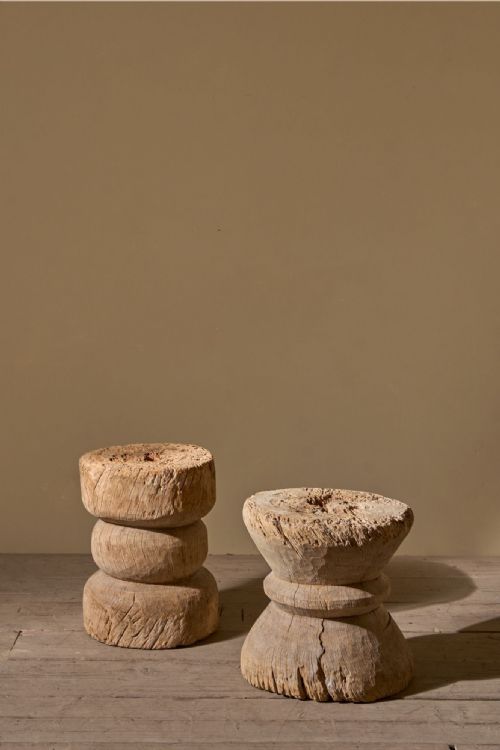
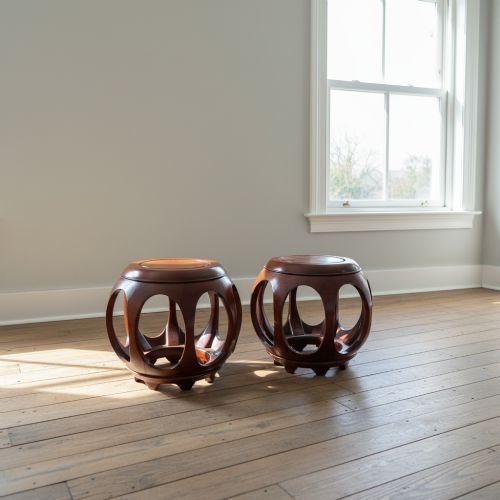
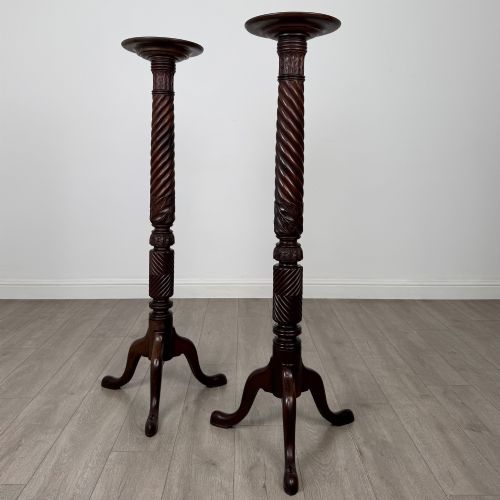
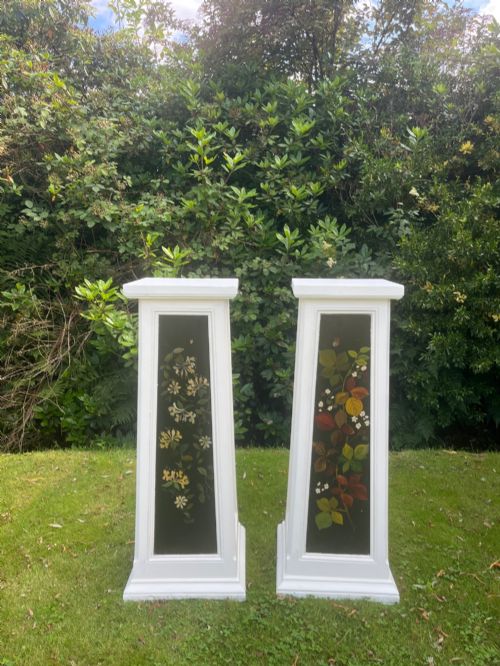
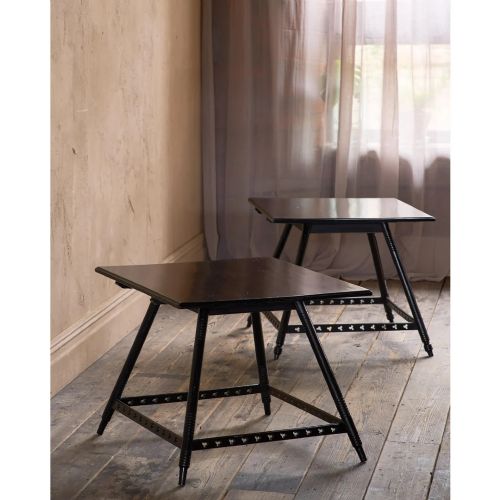
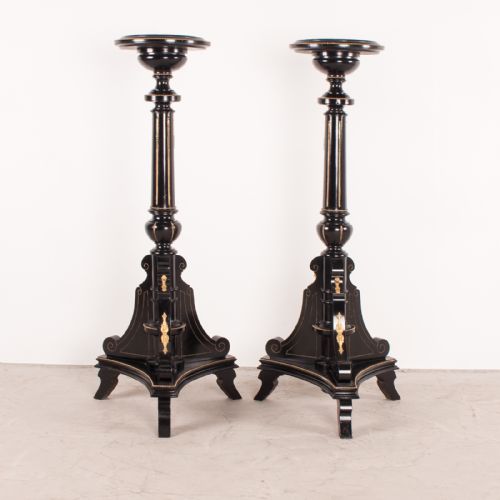
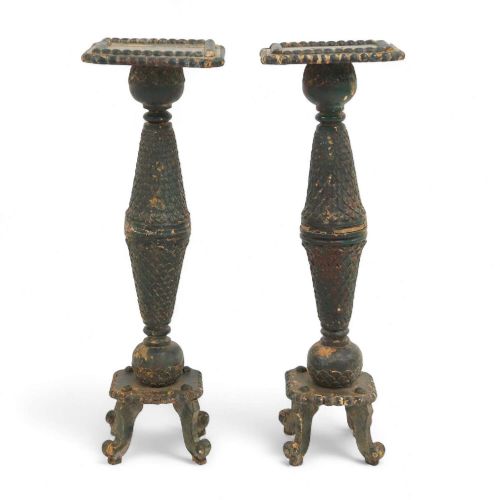
Pair of Plant Stands
A pair of plant stands brings symmetry to a room, elevating greenery or sculpture upon timber, marble or cast iron.
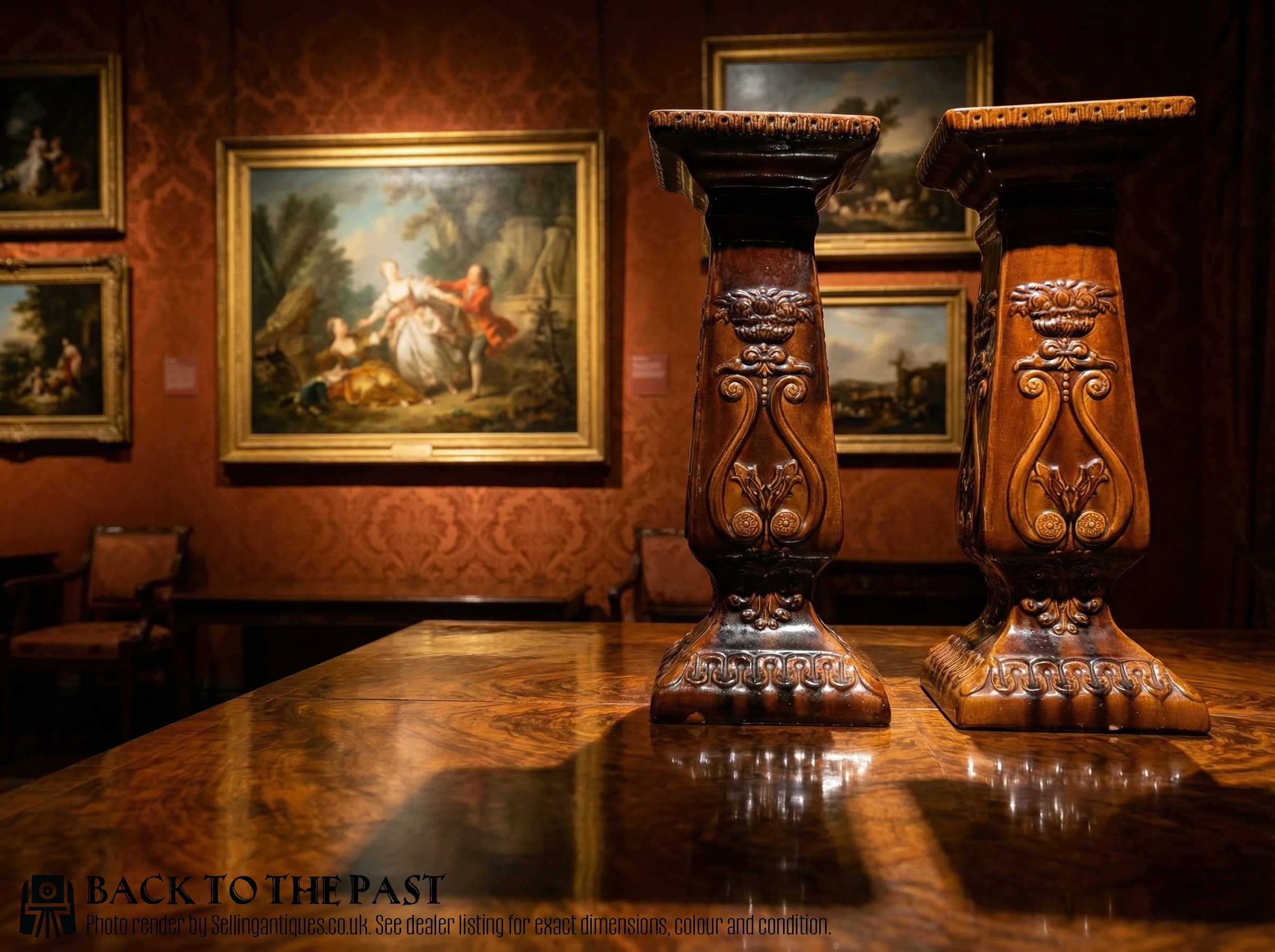
Pair of Plant Stands
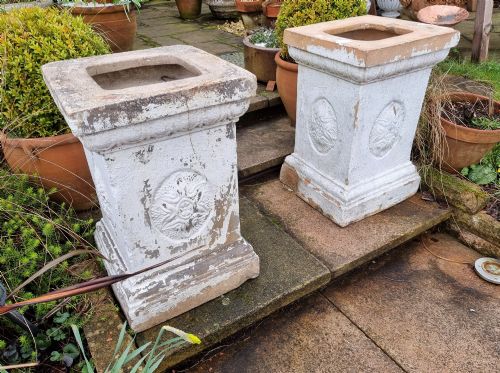
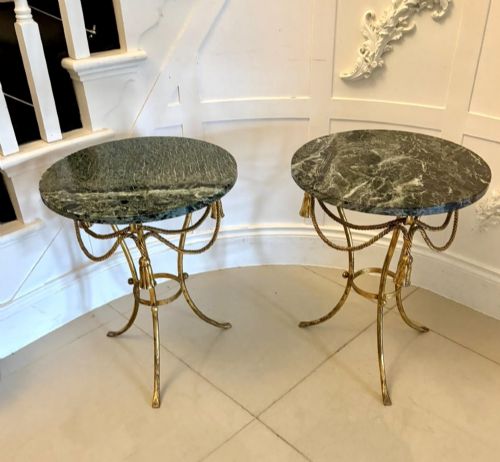
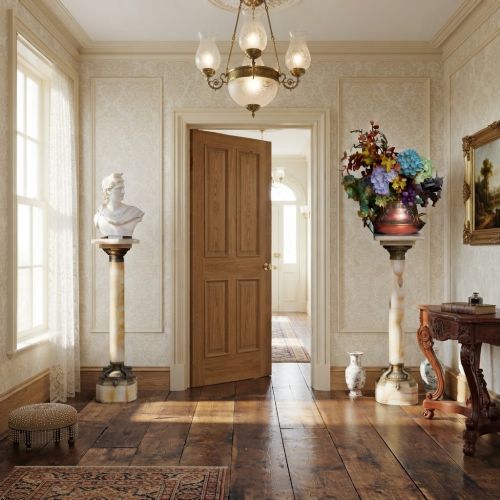
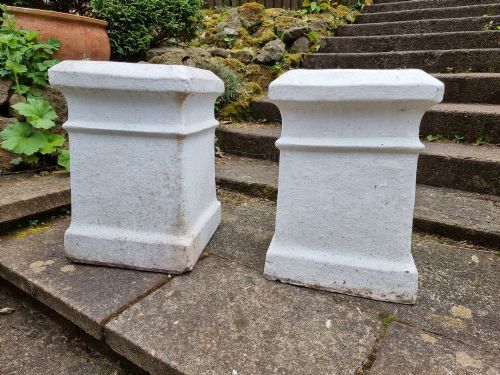
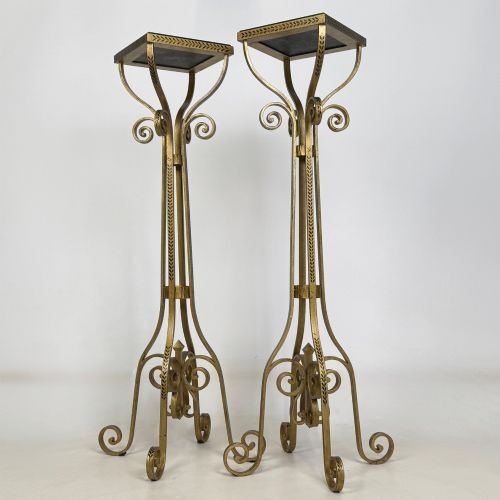
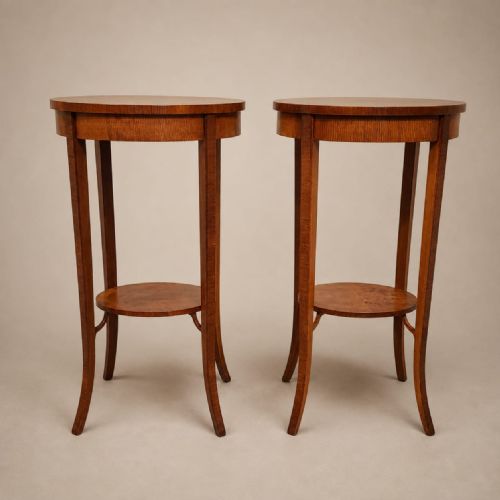
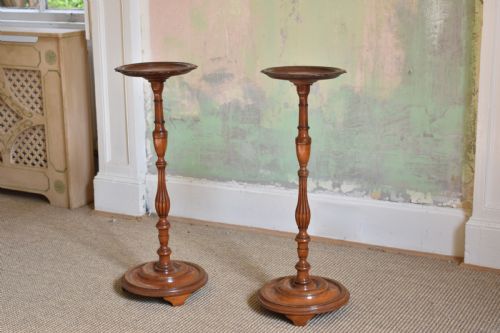
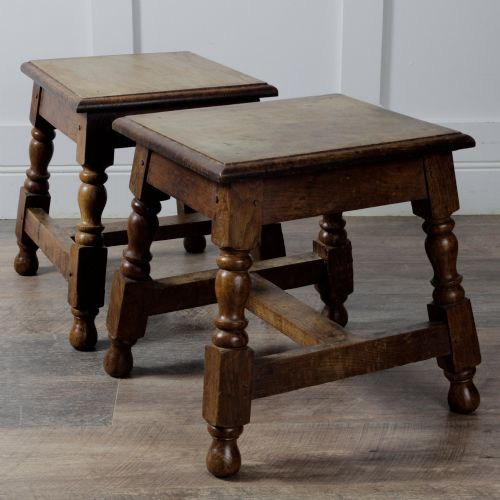
A pair of plant stands provides matching elevated surfaces for flora, ceramics or decorative objects, appearing frequently as tall torcheres, columns or low pedestals across the selection.
The objects span centuries of domestic design, connecting nineteenth-century Victorian and Edwardian iterations with diverse global styles including Chinese carved hardwoods and Anglo-Indian woodworking.
Buyers encounter forms operating variously as side tables, occasional tables and garden planters, uniting architectural proportion with a functional surface for interior display.

Materials and Construction
Cabinetmakers utilised dense timbers such as mahogany, walnut, oak, satinwood and exotic hardwoods like hongmu, frequently employing intricate carving, chip carving or contrasting marquetry inlay.
Mineral elements arrive through solid marble, onyx and bardiglio columns paired with cast iron, bronze, ormolu collars and gilt metal mountings to secure structural weight and decorative contrast.
Surface treatments range from natural polished grains and ebonised finishes to original green paint, lacquer and mother-of-pearl inlay applied across structural joints.
Pair of Plant Stands Retail Price Guide 2026
Typical asking prices for pair of plant stands among the pieces listed under this phrase on Sellingantiques today, from the lower quarter to the upper quarter. They describe what is for sale here now, not the wider market.
Assessment of Quality
Construction integrity governs the tier, distinguishing tightly jointed timber frames and stable stone columns from pieces suffering from loose joints or mismatched matching.
Material selection dictates the standing of a pair, separating standard turned pine or basic painted wood from heavily figured burr wood, detailed bronze mounts and carved stone surfaces.
Artisanal execution marks the divide, visible in the sharpness of hand-carved foliage, crisp casting detail on iron elements and the precision of inlaid wood panels.
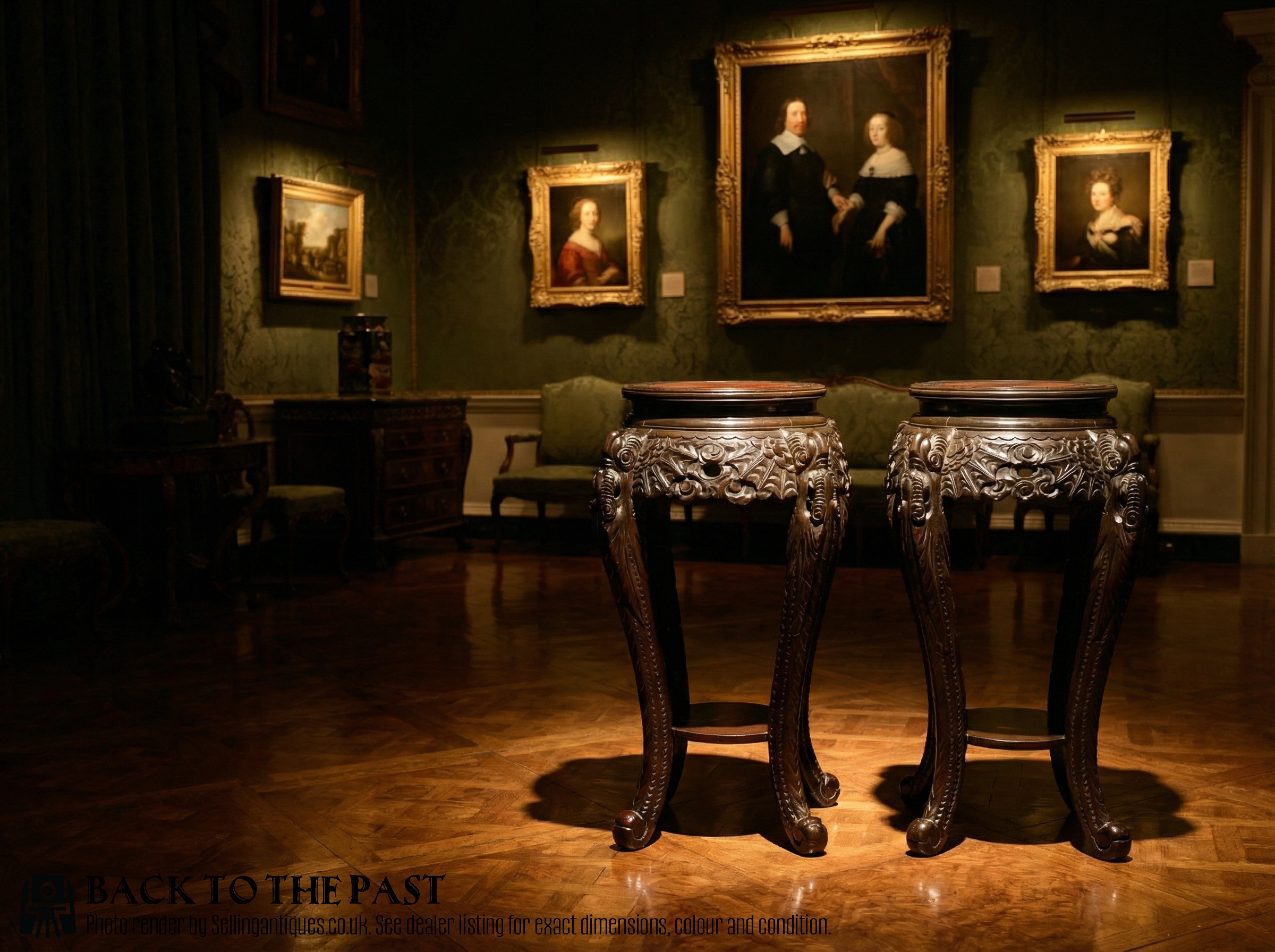
Liberty & Co.·Dunfermline Clay Company·George Smith·Thomas Hope·Archibald Knox
The Pair of Plant Stands Glossary
- Torchere
- A tall, slender stand designed originally to support a candle or torch, now commonly used for plants or lamps.
- Pedestal
- A structural support or column elevating a bust, vase or plant stand above floor level.
- Hongmu
- A dense, dark Chinese hardwood frequently utilised for traditional furniture and carved stands.
- Ormolu
- Gilt bronze mountings applied to furniture and decorative columns for ornamental effect.
- Campana
- A bell-shaped garden urn or planter often mounted upon a matching plinth base.
- Ebonised
- Wood treated with a dark finish to imitate expensive ebony.
Pair of Plant Stands: Frequently Asked Questions
How do I use a pair of plant stands?
Placing matching stands on either side of a fireplace, doorway or window creates visual symmetry in a room. They support potted plants, sculptures, lamps or decorative urns while adding height to interior layouts.
Selecting heights that complement existing furniture ensures the arrangement looks balanced. Taller torcheres suit corners, while lower pedestals work beside seating or beneath artwork.
What is the difference between a torchere and a pedestal?
Torcheres are traditionally slender, tall stands designed for lighting or display, featuring delicate legs or columns. Pedestals tend to be heavier, sturdier vertical columns built to bear substantial weight like marble or bronze.
Both serve similar decorative purposes in modern spaces, though torcheres often display more intricate carving or slender profiles compared to architectural columns.
Can these stands be used outdoors?
Cast iron garden columns, stone pedestals and specific metal planters are built to withstand exterior conditions on patios or in conservatories. Selecting appropriate materials ensures weather resistance.
Wooden and lacquered pieces, including mahogany, satinwood and painted hardwoods, remain strictly suited for indoor environments where humidity and temperature stay regulated.
How do I date a pair of plant stands?
Examining timber types, construction methods and stylistic markers provides a reliable guide to age. Victorian and Edwardian examples often feature machine-assisted turning alongside hand finishing, whereas earlier pieces display hand-cut joinery.
Asian imports from the nineteenth century utilise dense hardwoods like hongmu and distinctive carving techniques characteristic of Qing Dynasty production.