


Pair of Plant Columns
A pair of plant columns brings architectural height and classical balance to an interior, elevating urns or sculpture with distinct presence.
Pair of Plant Columns
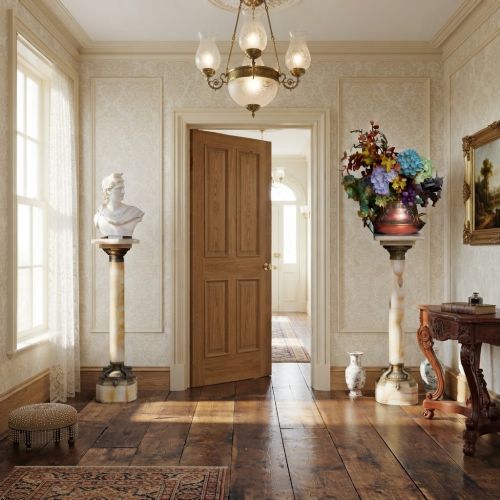
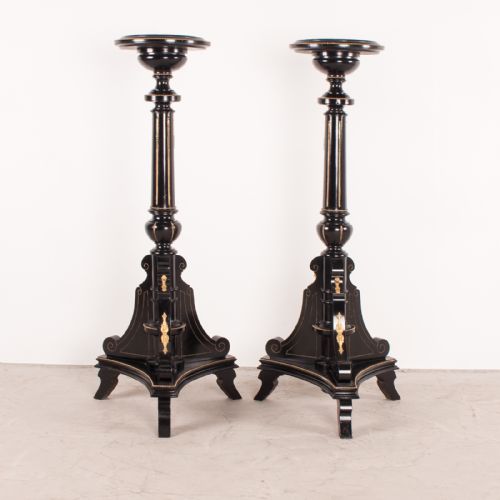
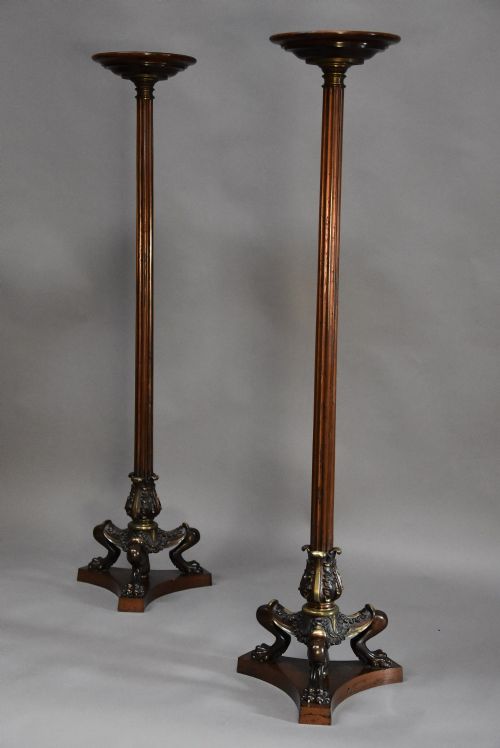
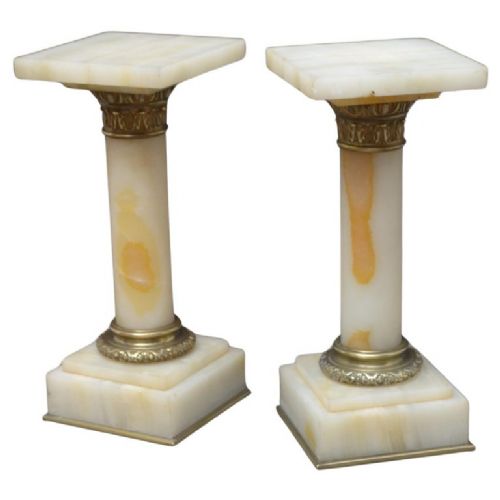
A pair of plant columns encompasses architectural supports designed to elevate flora, busts, or decorative objects within a room. You encounter these most frequently in nineteenth-century interpretations, drawing heavily upon classical revival and neoclassical aesthetics.
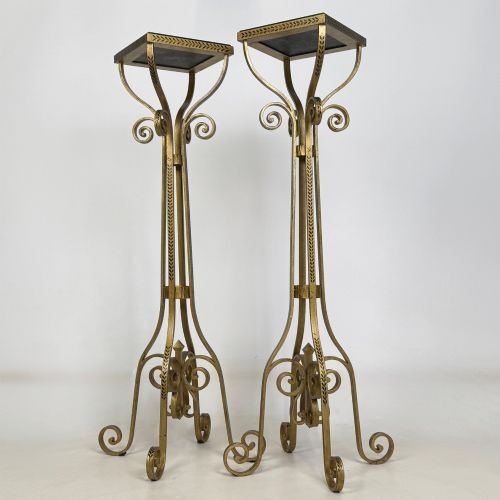
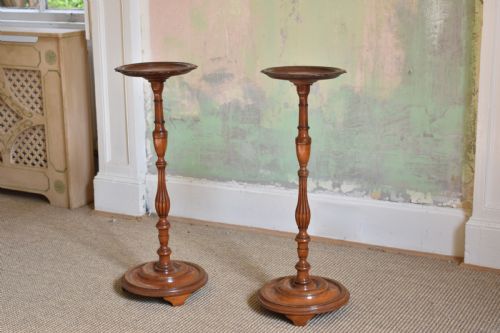
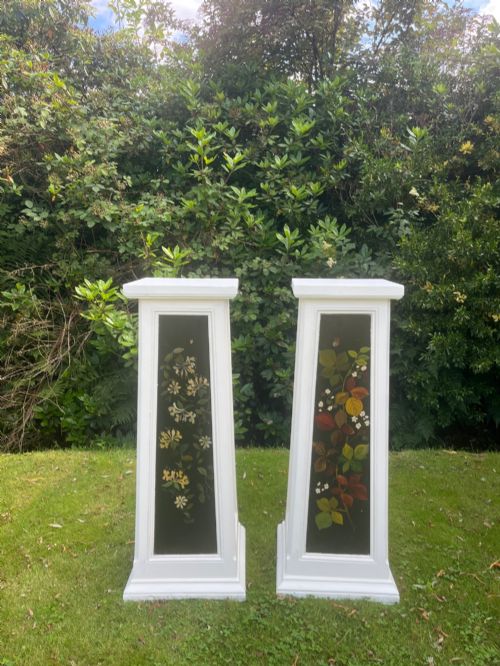
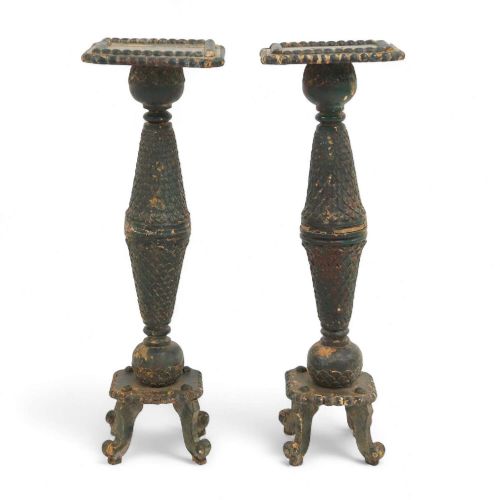
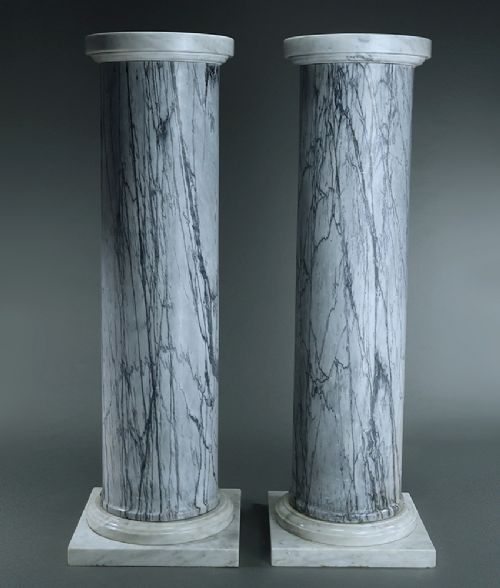
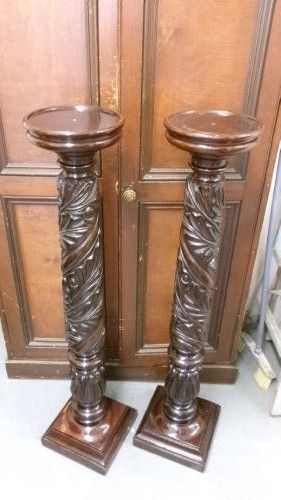
The selections on this page range from modest timber stands to substantial stone columns originating across the Victorian, Edwardian, and Regency eras. Makers utilised diverse forms such as torcheres, tapering pedestals, and cylindrical shafts to create symmetrical focal points for domestic spaces.
Materials and Construction
Cabinet makers and masons employed a rich variety of materials, pairing dense hardwoods like mahogany and satinwood with luxurious stones including marble, onyx, and alabaster. Ormolu collars, brass mounts, and cast iron frequently provide structural reinforcement and decorative contrast.
Surface finishes display considerable variation, utilising original green paint, ebonisation, or lacquered treatments alongside natural polished grains. Joinery techniques reflect the period of origin, from classical architectural assembly to turned wood and plaster moulding.
Listings feature nineteen-century pieces prominently, alongside notable examples from the Edwardian and Regency eras constructed in mahogany, marble, and painted wood.
Substance and Proportion
Quality rests primarily in the integrity of the materials and the precision of the turning or carving. Solid marble and finely figured mahogany denote superior craftsmanship compared to simpler painted plaster or softwoods.
Proportion and weight dictate the visual authority of a pair. Heavier stone columns and crisp neoclassical detailing separate robust architectural pieces from lighter decorative stands.
Marguerite·Woodlesford Art Pottery
The Pair of Plant Columns Glossary
- Torchere
- A tall, slender stand historically designed to hold a candle or light, now frequently utilised for plants or busts. These pieces provide vertical emphasis in room corners.
- Ormolu
- Gilded bronze mounts applied to furniture and columns, popular in French-influenced neoclassical design. This decorative detail adds metallic warmth to stone and timber shafts.
- Neoclassical
- A style drawing inspiration from the classical art and architecture of ancient Greece and Rome. It defines much of the symmetrical, column-based furniture on this page.
- Bardiglio
- A grey marble featuring darker clouding or veins, often sourced for decorative columns and table tops. Its muted tones suit restrained classical interiors.
- Ebonised
- Timber treated with a dark stain or finish to imitate ebony. This technique was favoured by nineteenth-century makers seeking a stark, dramatic contrast.
Pair of Plant Columns: Frequently Asked Questions
How do I style them at home?
Place a matched pair symmetrically in a hallway or drawing-room corner to frame a larger piece of furniture or artwork. They provide stable surfaces for displaying ceramics, bronzes, or trailing foliage.
Ensure the weight capacity of the top matches the object you intend to place upon it, particularly with stone and marble surfaces.
How do I tell Victorian from Regency examples?
Regency pieces tend to display cleaner classical lines, restraint in ornament, and rich mahogany or rosewood timbers dating from the early nineteenth century. Victorian examples often introduce heavier proportions, bolder carving, and a wider variety of mixed materials like cast iron and coloured marble.
Examining the construction methods underneath or inside the column often reveals the technological shifts between these eras.
Are marble columns stable for everyday use?
Solid stone and marble columns possess substantial weight, making them remarkably stable on level flooring despite their slender profiles. Their heavy bases prevent accidental tipping when supporting heavy urns or plants.
Care should be taken on uneven historic floors to ensure the column rests evenly to avoid stress on the stone.