



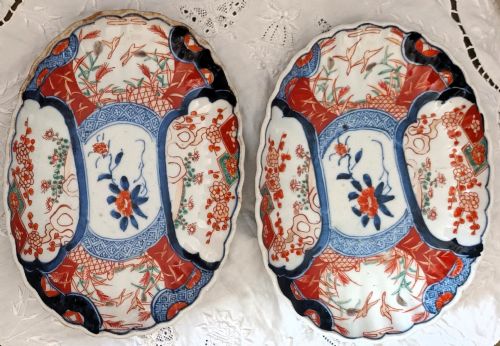
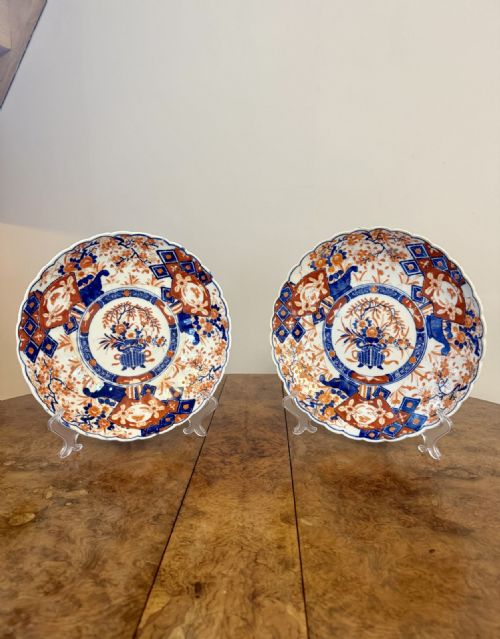
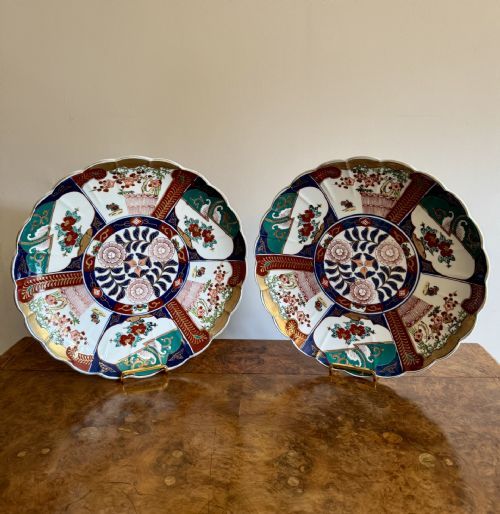
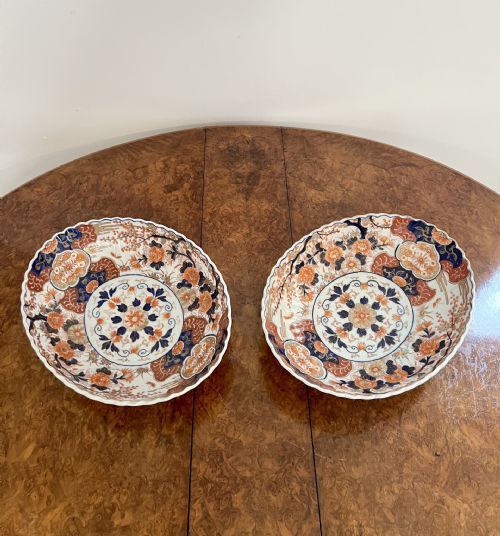

Pair of Imari Dishes
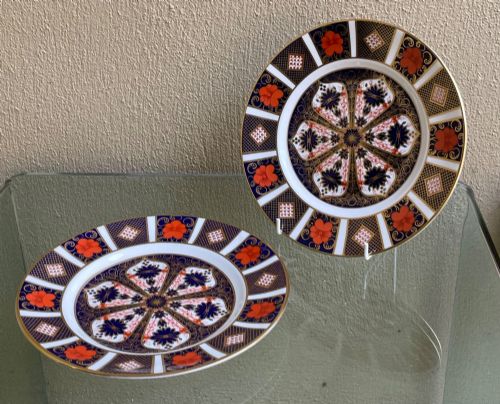
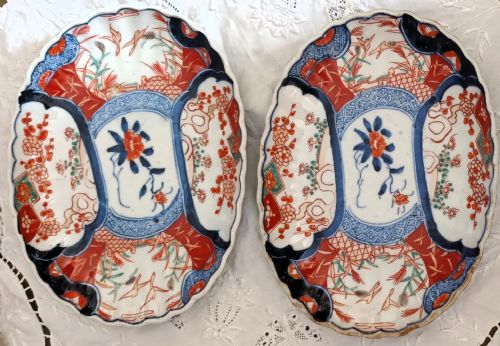
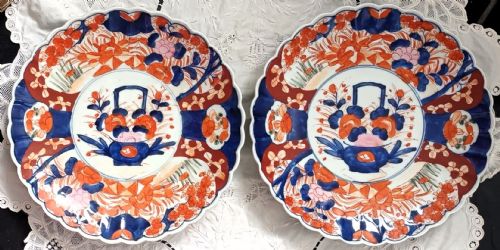
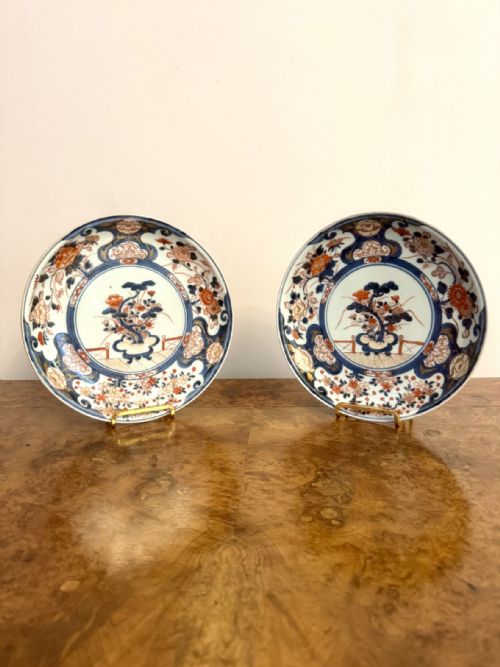
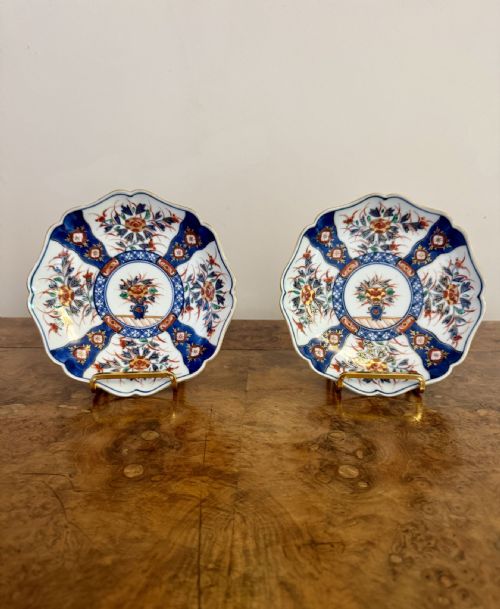
These pair of imari dishes bring a striking palette of underglaze blue, iron red, and gilt to any table.

Pair of Imari Dishes
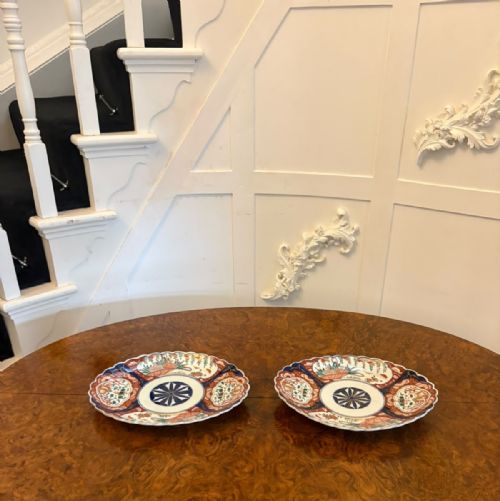
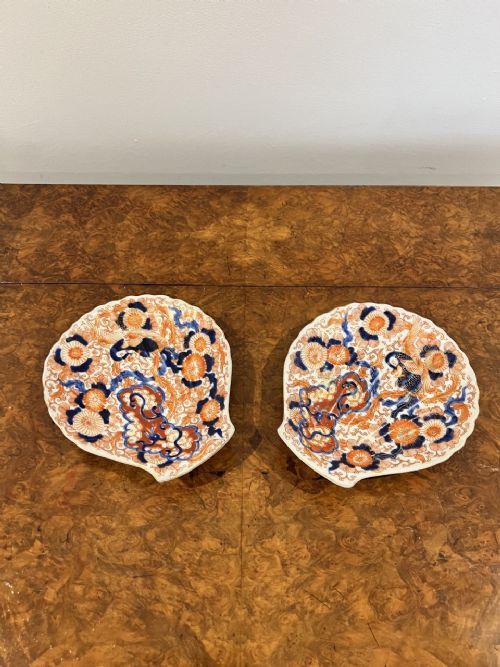
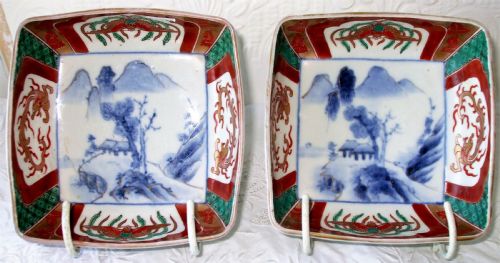
A pair of imari dishes unites matching ceramic vessels produced primarily in Japan and Britain during the eighteenth, nineteenth, and twentieth centuries. These objects range from standard circular plates and deep chargers to hexagonal, fan, shell, and oval shapes intended for display or service.
Japanese examples dominate the selection, spanning the Edo and Meiji periods alongside Chinese export pieces and British interpretations from factories such as Royal Crown Derby, Spode, and Mason's. Buyers frequently encounter Meiji period porcelain plates and chargers featuring intricate hand-painted motifs.
Materials and construction
Potters shaped these vessels from porcelain, ceramic, and ironstone before applying underglaze blue pigments and detailed enamel colours. Artisans added gold leaf and gilding to highlight specific areas of the painted surface.
Fired in kilns to vitrify the body and fuse the glaze, these items often display scalloped edges, pierced sections, or moulded forms like clam shells and fan shapes.
Certain plates depict the Seven Lucky Gods, ensuring your dining table benefits from divine oversight.
Assessing quality
The precision and detail of the hand-painted decoration dictate the distinction between standard items and superior examples. Crisp brushwork depicting complex subjects like exotic birds or the Seven Lucky Gods separates finer pieces from simpler production.
The richness of the enamel colours and the preservation of the gold leaf or gilding influence the overall visual impact. Uniformity within the matching set also matters greatly for pairs.
Royal Crown Derby·Spode·Mason
The Pair of Imari Dishes Glossary
- Imari
- A style of ceramic decoration originating in Japan, characterised by a distinct palette of underglaze blue, iron red, and supplementary gold. The style was subsequently copied by European porcelain factories.
- Arita
- The Japanese town and surrounding region where much of the early porcelain production for imari wares took place. Pieces from this area are often noted for their fine porcelain body.
- Charger
- A large decorative plate used traditionally for ceremonial display rather than daily dining. These substantial pieces provide a broader canvas for intricate imari patterns.
- Ironstone
- A heavy, durable type of ceramic developed in the nineteenth century as a robust alternative to porcelain. British makers utilised this material for utility wares and tableware.
- Meiji Period
- The era in Japanese history spanning from 1868 to 1912, known for a surge in export ceramics shipped to Western markets. Pieces from this time frequently exhibit elaborate painted details.
Pair of Imari Dishes: Frequently Asked Questions
How do I date an imari dish?
Dating relies on examining the characteristics of the ceramic body, the pigments used, and the style of the painted motifs. Japanese pieces often align with specific imperial periods like the Meiji era, while British pieces show factory-specific traits.
Markings on the reverse can also provide clues, though many export pieces left the factory unmarked. Comparing the potting technique and glaze maturity helps narrow down the century of manufacture.
Were these dishes meant for food?
While many plates and tureens served practical dining purposes, large chargers and heavily gilded pieces were primarily intended for decorative display on walls or sideboards. The presence of delicate gold leaf often restricted their everyday use.
Smaller dishes and bowls saw more active service at the table, whereas pierced or uniquely shaped vessels functioned mostly as ornamental objects.
How do I care for antique imari?
Gentle handling and hand washing in lukewarm water with mild soap preserves the delicate enamel and gilding. Avoid soaking the ceramics or using abrasive cleaners that might damage the surface.
Displaying them securely on stable plate stands prevents accidental slips, and keeping them out of direct sunlight protects the iron red and blue pigments over time.