



Pair of French Panels
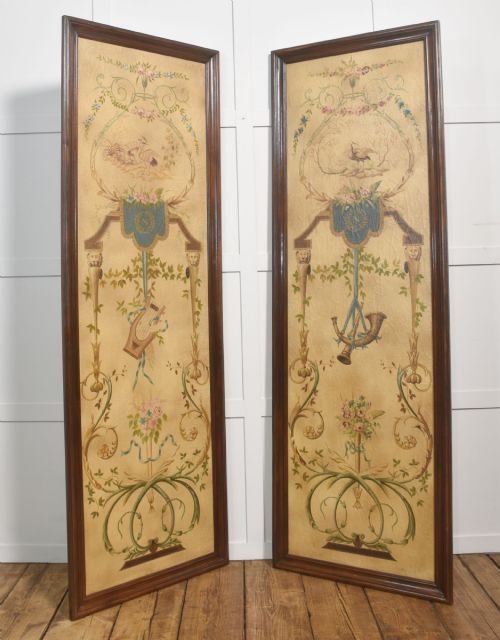
These pair of french panels bring architectural presence and decorative depth to a room, spanning carved wood, painted surfaces and textile hangings.
Pair of French Panels
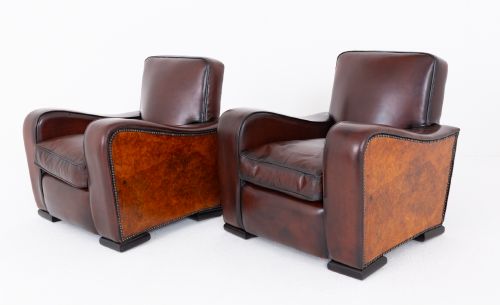
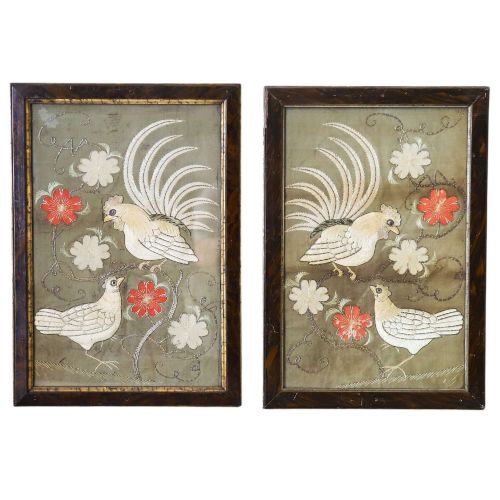
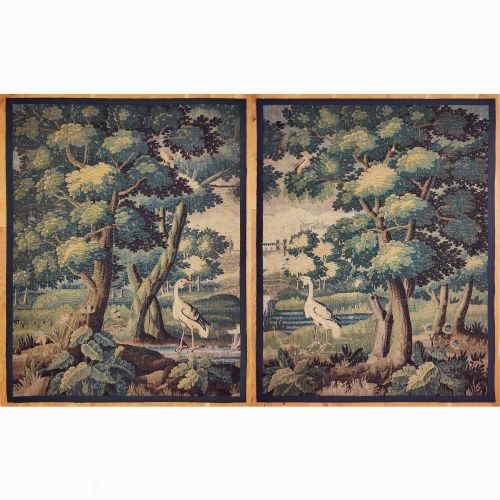
A search for pair of french panels uncovers a diverse grouping of architectural elements and decorative furnishings originating from French interiors. These items range from solid wood doors and boiserie wall sections to framed silk embroideries and tapestry fragments.
The selections appearing in this inventory lean heavily toward nineteenth-century painted decorative pieces, carved oak architectural elements, and fabric wall hangings. Buyers encounter both structural items meant for room configuration and purely ornamental items designed for wall display.
How they were made
Woodworking forms the foundation of these pieces, utilising materials such as oak, walnut, cherrywood, and various timber frames shaped by hand carving. Artisans applied polychrome paint, gesso, and specialised finishes directly onto the wooden surfaces to achieve decorative depth.
Textile panels incorporate intricate techniques including crewel work hand embroidery, ciselé silk velvet weaving, and verdure tapestry construction. Metal elements such as brass, copper, and cast iron appear in structural fittings and framing components.
What varies in quality
Quality reveals itself in the crispness of the hand carving and the integrity of the original surface finishes, whether through well-preserved polychrome paint or untampered wood patination. Pieces that retain their original frames, mountings, or companion components demonstrate greater authenticity.
The artistic execution of painted portraits, embroidery stitches, or textile pile density separates standard utilitarian items from finer decorative works. Depth of relief in carved woodwork and the harmonious pairing of symmetrical elements dictate overall desirability.
The Pair of French Panels Glossary
- Boiserie
- Carved wood wall panelling used in classical French interior architecture. This technique creates rhythmic division across large salon walls.
- Ciselé velvet
- A velvet fabric featuring a pattern created by combining cut and uncut pile loops. This method produces tactile contrast against a background ground.
- Verdure tapestry
- A woven wall hanging depicting a stylised landscape filled with foliage, trees, and often birds or animals. These pastoral scenes date back centuries in French textile traditions.
- Pietra dura
- An inlay technique utilising cut and fitted polished coloured stones to create geometric or figurative pictures. Artisans set these mineral slices into solid wood or marble bases.
- Vitrine
- A glass-panelled display cabinet designed to showcase porcelain, glassware, or small objects. French examples often incorporate delicate woodwork and painted decoration.
Pair of French Panels: Frequently Asked Questions
How were french wall panels used?
French wall panels typically served as permanent architectural decoration integrated into the boiserie of formal reception rooms and salons. They lined interior walls to establish symmetry and provide a surface for painted ornamentation or gilded accents.
Smaller textile and embroidered panels functioned as movable wall hangings or were fitted into decorative frames. They softened stone or plastered interiors while introducing colour and texture to the domestic space.
How do I hang heavy carved panels?
Hanging heavy carved wooden panels requires locating secure wall studs and utilising appropriate weight-bearing metal brackets or french cleats. The mounting system must distribute the substantial mass evenly across the architectural framework of the wall.
Professional installation is recommended for large timber or cast iron items to prevent shifting or structural strain. Ensuring a flush fit against the plaster protects both the antique and the wall surface.
How do I date these panels?
Dating relies on examining the wood species, tool marks left by carving implements, and the composition of underlying ground layers beneath paint. Stylistic indicators such as Neoclassical motifs, Art Deco geometries, or nineteenth-century revival details provide a chronological anchor.
Accompanying hardware like brass hinges, locks, or hand-forged iron nails offer further clues to the period of manufacture. Comparing construction methods against known historical examples helps narrow the decade of creation.