





Pair of Doorstops
These heavy brass and iron pair of doorstops keep your heavy interior doors firmly in place while adding period character to the hearth and hallway.
Pair of Doorstops
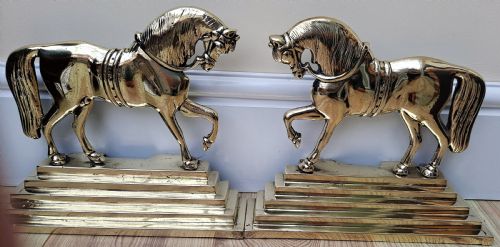
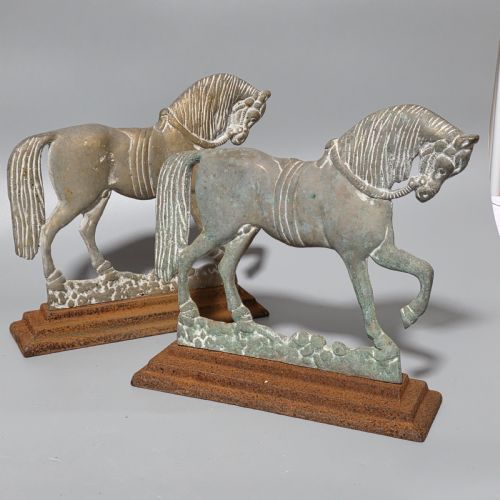
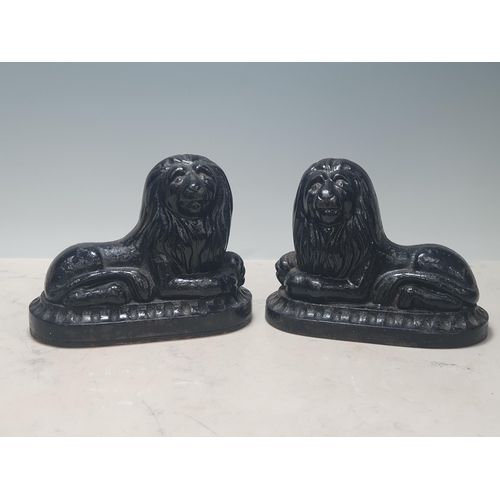
When you search for a pair of doorstops, you encounter heavy functional objects designed to hold doors open against drafts. The examples seen here take the form of traditional door porters, sculptural animals, and heavy domestic items.
The most common versions on this page are cast from brass or iron, originating across the nineteenth century and the Edwardian period. Many of these sturdy pieces double as fireplace ornaments and fireside figures.
The selection ranges from utilitarian iron weights to decorative brass horses, lions, and dogs. They reflect the diverse utilitarian casting traditions of British workshops and continental foundries.
How they were made
Foundries produced these items primarily through sand casting in iron, brass, bronze, and copper. Molten metal poured into moulds created robust figures, which workers often finished with hand chasing, paint, or gilding.
Certain heavier examples incorporate granite, wood, or internal lead weights to ensure stability against swinging doors. Selected pieces feature applied pigments or patination that highlights the cast details.
Recorded forms include curling stones, chimney horses, boots, cherubs, and numerous animal figures from dogs to lions.
What varies in quality
The refinement of the casting separates standard utility weights from finer decorative sculptures. Crisp facial expressions on animal figures and clean definition in the chased brass indicate superior foundry work.
Original surface finishes, such as early painted coats or deep natural patina on the brass and bronze, elevate the standing of a piece. The presence of maker marks or registered design numbers also distinguishes standard domestic hardware from notable foundry production.
William Tonks·Kenrick·Army And Navy CSL
The Pair of Doorstops Glossary
- Door porter
- A heavy portable weight with a vertical handle, designed to be lifted and placed against a door to prevent it from closing.
- Cast iron
- An iron-carbon alloy poured into a mould to form solid, heavy objects that resist rust through painted or blacked surfaces.
- Chasing
- The manual finishing of a metal casting using tiny punches and hammers to sharpen surface details and textures.
- Grand Tour
- A cultural journey undertaken by nineteenth-century travellers who often acquired small bronzes and sculptural souvenirs.
- Patina
- The surface sheen and colour acquired by metal, wood, or paint through age and handling.
Pair of Doorstops: Frequently Asked Questions
How heavy are these?
These items are cast in dense metals like brass, iron, and bronze, often featuring weighted bases to hold heavy doors firmly in place.
Their substantial mass ensures they remain stationary when braced against a draughty door.
Were they used only on doors?
Many examples served double duty as fireplace ornaments, fireside figures, and decorative door porters around the nineteenth-century home.
Their robust construction suited them equally well for keeping heavy interior doors open or resting near the hearth.
How do I care for brass?
Unlacquered brass develops a natural oxidation over time that many collectors prefer to leave untouched.
Gentle dusting and occasional cleaning with a soft cloth will maintain the surface without removing the accumulated history.
Can I use them daily?
Their original purpose was entirely functional, meaning they are built from durable cast metals designed to withstand heavy daily use.
Placing them gently against interior doors prevents undue wear while keeping them active in your home.