
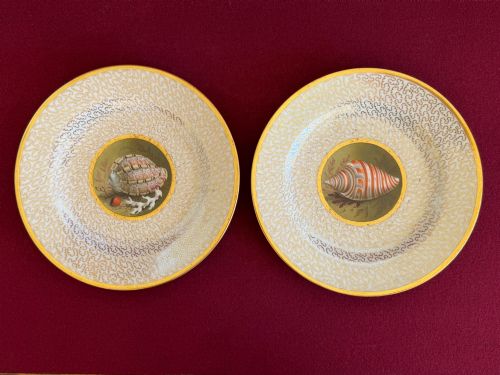
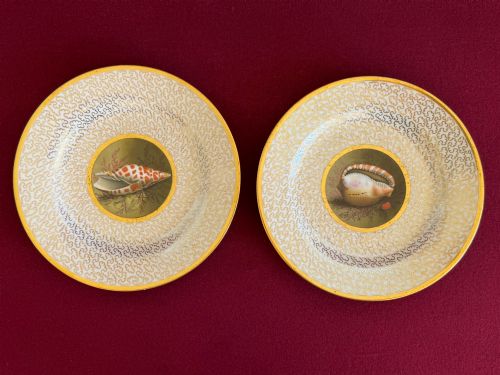
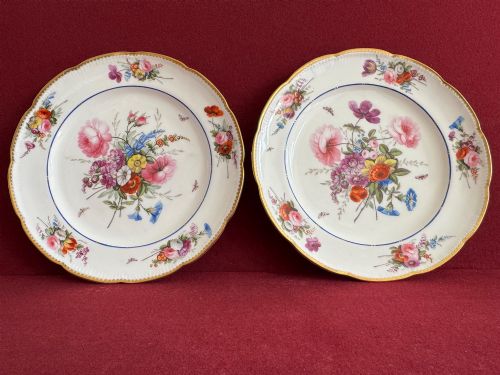
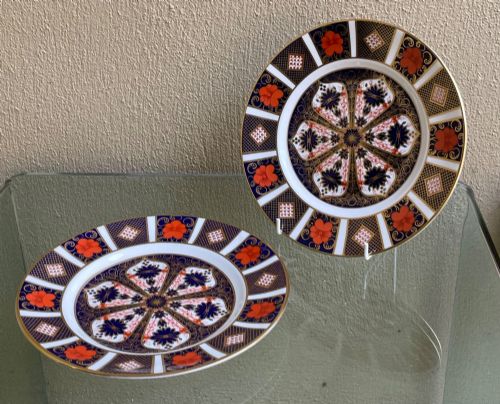


Pair of Cabinet Plates
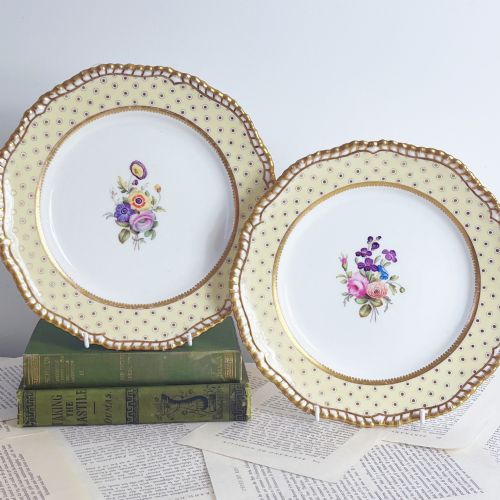
A pair of cabinet plates brings focused porcelain artistry to a wall or display surface, pairing symmetrical decoration with historical kiln craft.
Pair of Cabinet Plates
A pair of cabinet plates comprises matched decorative dishes intended primarily for display rather than domestic service at the dining table. When you search for a pair of cabinet plates, you encounter works spanning the eighteenth century through the mid twentieth century, originating from English factories, continental European makers and Japanese kilns.
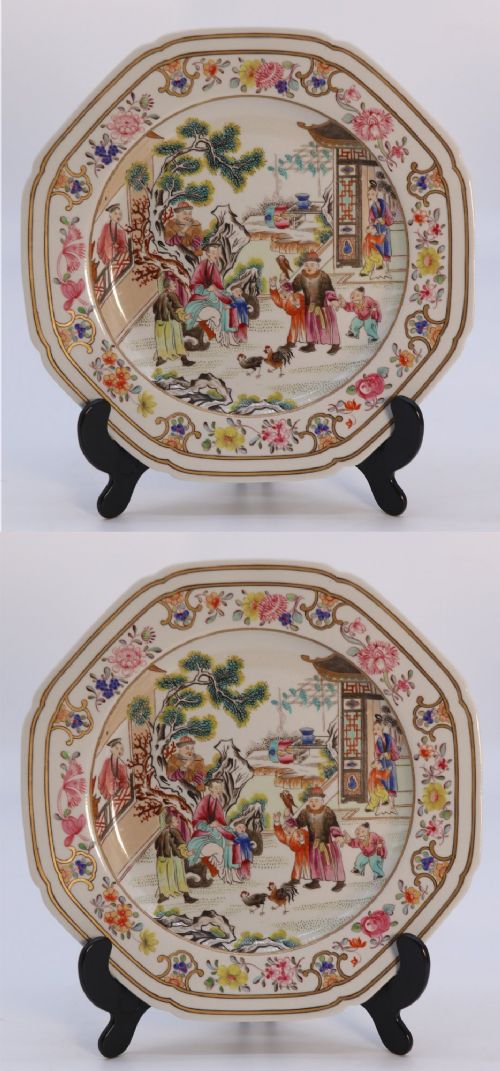
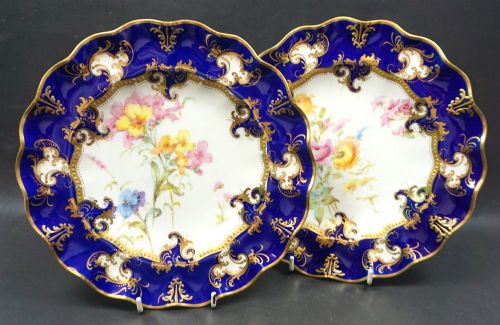
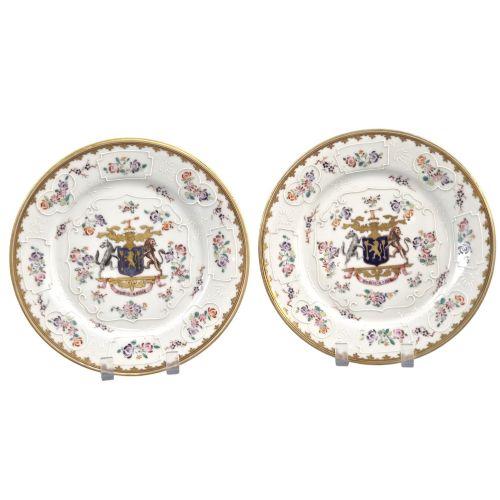
The forms seen here range from standard circular decorative plates and dessert plates to octagonal shapes, hexagonal dishes, basketweave mouldings and large wall chargers. English porcelain works form a substantial portion of the selection alongside Japanese Imari wares and nineteenth century French production.
How they were made
The pieces rely primarily on porcelain, bone china, stone china and earthenware bodies shaped on wheels or pressed into moulds. Makers applied glazes and hand painted or hand coloured pigments, often incorporating gold leaf, heavy gilding and enamel work before firing.
Specialised techniques include transfer printing, blue scale grounds, pierced borders and shaped rims, requiring precise temperature control in the kiln to set delicate floral, armorial, pictorial or Japanese Imari motifs.
Certain birds painted by factory artists appear to gaze outward with an expression of mild astonishment.
What varies in quality
Quality rests in the crispness of the porcelain moulding and the skill of the hand painting, particularly where named artists execute detailed fruit, bird or landscape scenes. Superior examples demonstrate vibrant, stable enamels and meticulous application of gold leaf or gilding without blurring.
The pedigree of the manufacturer and the complexity of the pattern shape the standing of a pair, with recognised factories like Worcester, Coalport and Spode achieving greater distinction through refined paste bodies and disciplined brushwork.
Royal Crown Derby·Spode·Barr Flight And Barr·Darte Brothers·Coalport·Minton·Helena Wolfsohn·Kerr And Binns·Nantgarw·Flight Barr And Barr·Royal Worcester·Wedgwood·Aynsley
The Pair of Cabinet Plates Glossary
- Cabinet plate
- A decorative plate intended for display in a cabinet or on a wall rather than everyday dining use. These pieces often feature elaborate painted scenes or heavy gilding.
- Imari style
- A decorative scheme inspired by Japanese export porcelain, traditionally utilising iron red, cobalt blue and gold on a white ground. This aesthetic influenced numerous English and European factories.
- Bone china
- A type of soft paste porcelain containing bone ash, developed in England to create a durable, brilliantly white ceramic body. It allows for thinner walls and delicate forms.
- Gilding
- The application of gold leaf or gold powder to ceramic surfaces for decoration. Higher grades involve burnished gold that catches the light cleanly.
Pair of Cabinet Plates: Frequently Asked Questions
How were cabinet plates displayed originally?
Owners placed these items inside glazed display furniture or mounted them directly onto walls to showcase artistic porcelain painting to visitors.
This practice protected delicate hand painted surfaces and expensive gilding from the wear of daily dining room use.
Can I use these plates for food?
Historic decorative plates are designed for visual appreciation rather than culinary service. Older glazes and enamels may react poorly to modern detergents or acidic foods.
Displaying them on stands or hanging them securely preserves the integrity of the fragile ceramic bodies.
How do I identify the maker?
Makers marked their output using underglaze blue stamps, painted cyphers, impressed letters or factory script on the reverse of the ceramic body. Cross referencing these marks with historical factory records reveals the origin and approximate production decade.
Artist signatures or specific pattern numbers written by hand on the back also point toward individual decorators and workshops.
What is Japanese Imari?
Japanese Imari refers to traditional export wares produced in Arita and shipped through the port of Imari, featuring distinct cobalt blue and iron red palettes accented with gold. European factories frequently copied these striking patterns throughout the nineteenth century.
Distinguishing between original Japanese pieces and European revival versions involves examining the characteristics of the paste and the style of the brushwork.