

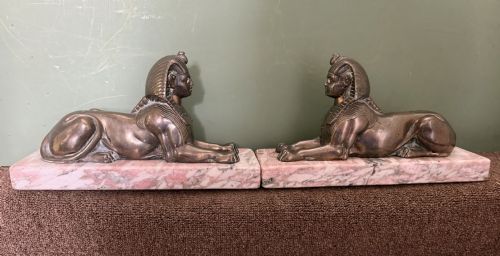
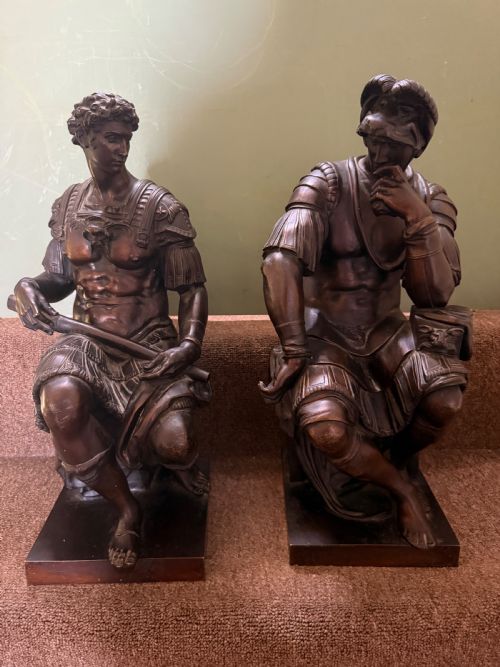
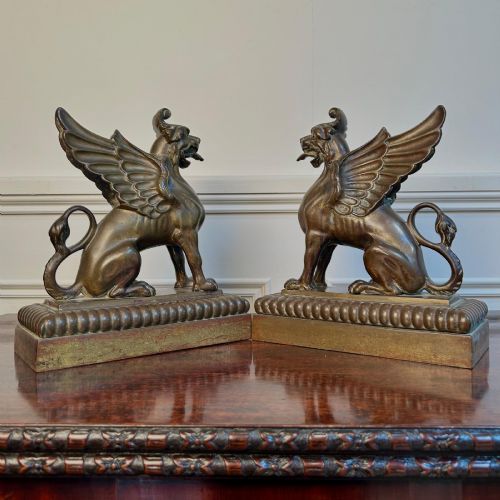
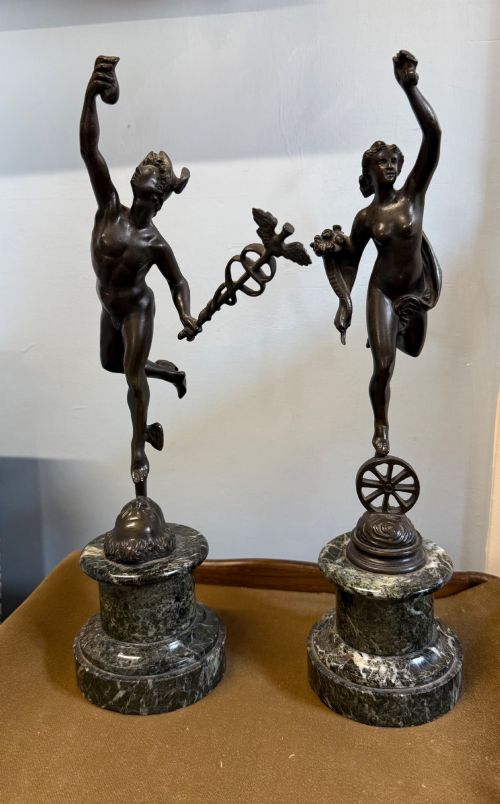
Pair of Bronze Statues
A pair of bronze statues brings sculptural symmetry and rich metallic patination to a room, which is why collectors seek them out.

Pair of Bronze Statues
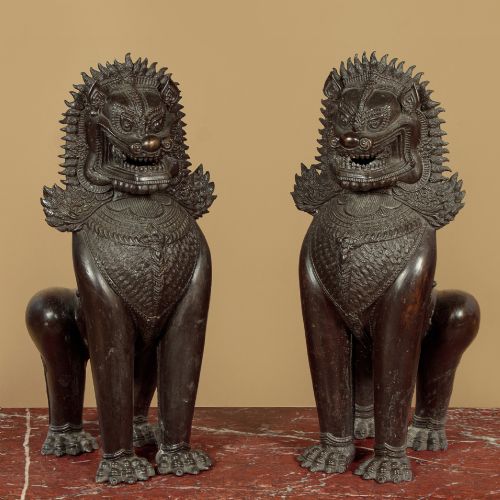
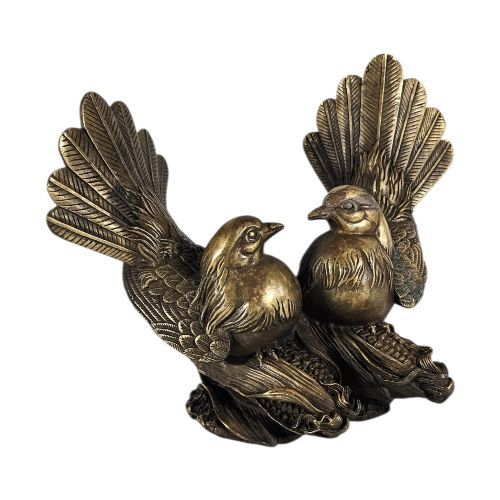
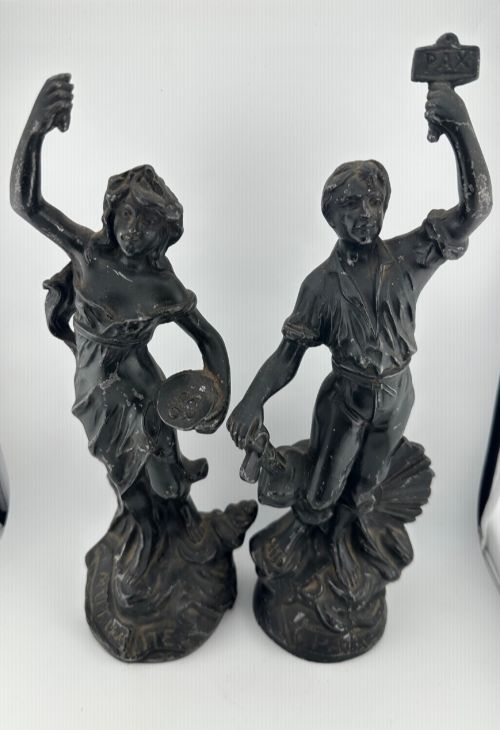
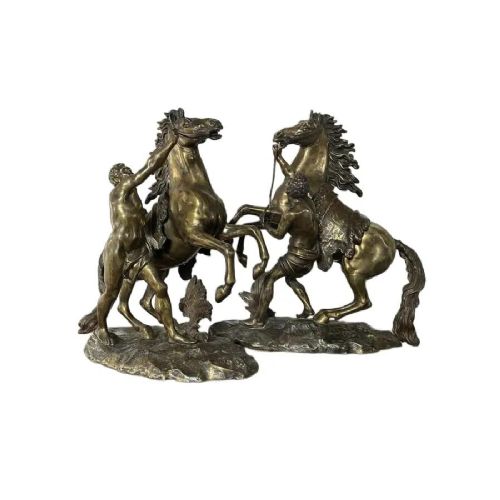
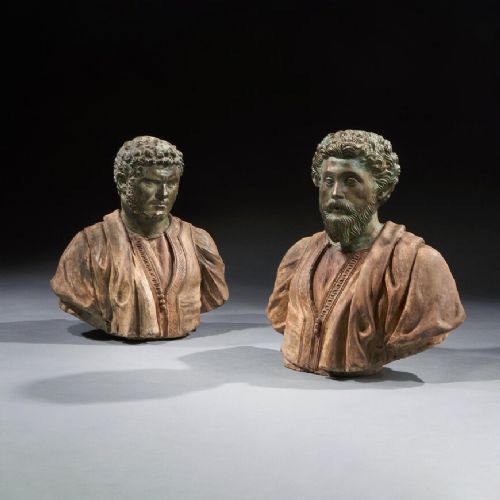
A pair of bronze statues comprises balanced sculptural figures cast in metal, frequently encountered from the nineteenth century in various European and global traditions. These works encompass miniature figures, grand tour souvenirs, and allegorical subjects designed to be displayed together as matching pairs.
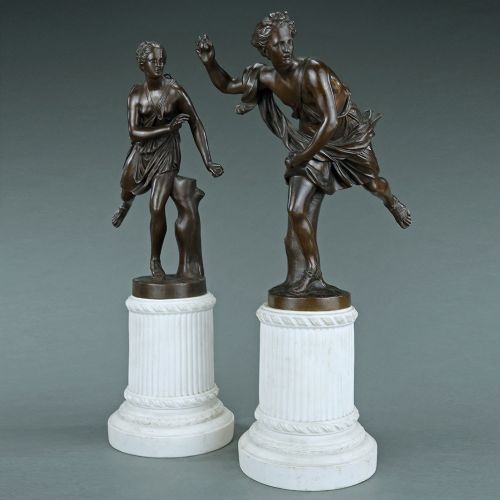
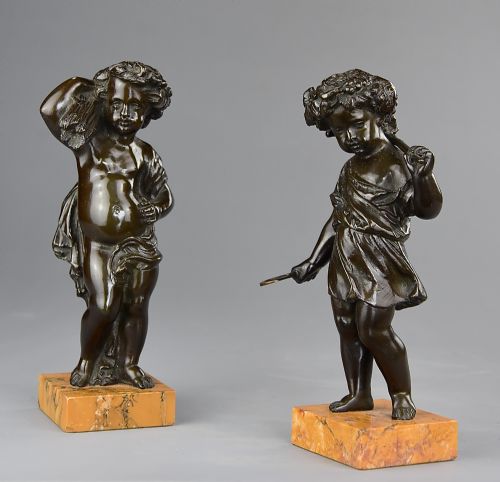
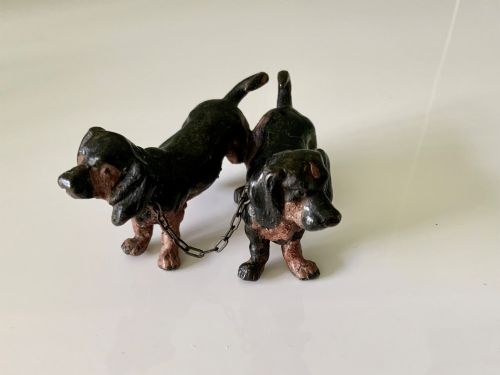
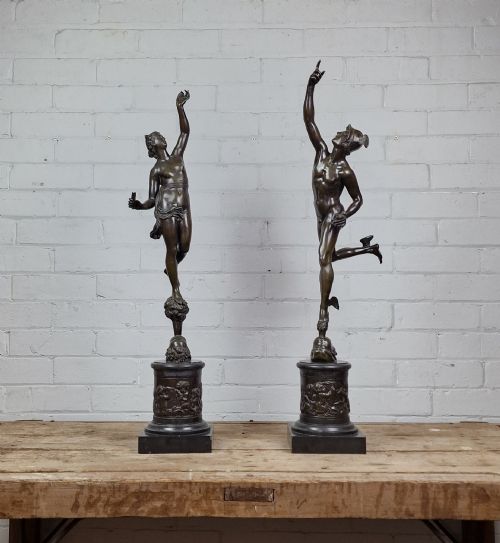
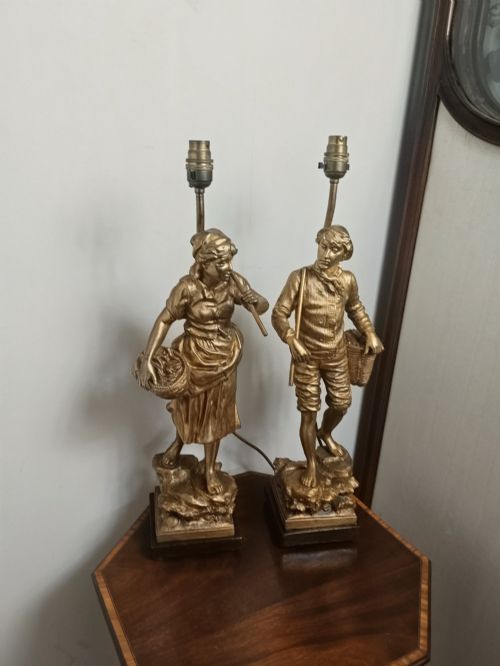
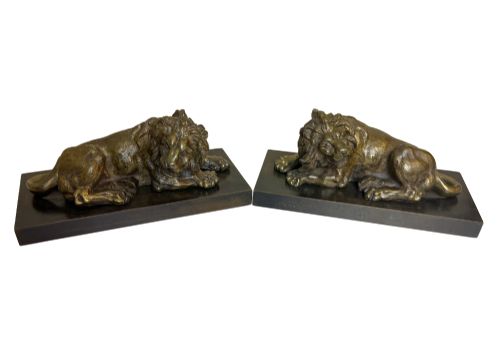
The selections span domestic depictions of children and animals, theatrical characters from commedia dell'arte plays, and classical mythological figures such as Mercury and Fortuna. Buyers frequently encounter French neoclassical and Victorian historicism styles alongside Italian grand tour pieces.
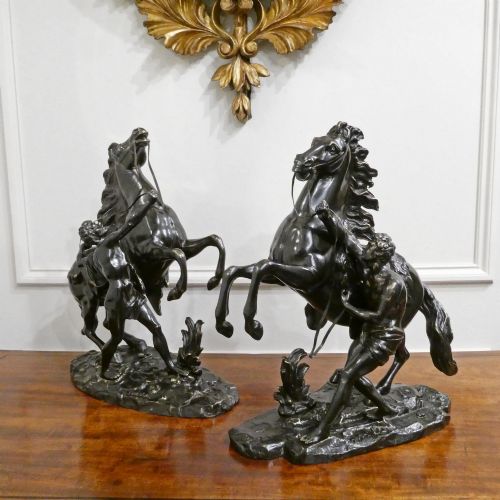
Subjects range from Venetian musicians and Anglo-Saxon warriors to Hindu goddess statues and equestrian Marley horses. Many rest upon integrated bases of marble or wood, reflecting the formal display practices of their respective periods.
How they were made
These works are produced through metal casting techniques using bronze, sometimes complemented by ormolu, gilt bronze, or mixed metal elements. The resulting casts receive careful surface treatments, yielding distinct patinated bronze finishes that accentuate the underlying sculptural contours.
Many examples incorporate secondary materials such as marble or wood for their mounting bases. Finished surfaces exhibit deliberate patination methods alongside occasional stamped maker marks, signatures, or foundry stamps applied directly to the metal.
Pair of Bronze Statues Retail Price Guide 2026
Typical asking prices for pair of bronze statues among the pieces listed under this phrase on Sellingantiques today, from the lower quarter to the upper quarter. They describe what is for sale here now, not the wider market.
Listings feature nineteenth-century pieces alongside Victorian and 1880 examples, constructed from bronze, marble, patinated bronze, and ormolu.
What varies in quality
The sophistication of the patination and the quality of integration with marble or wood bases also separate standard productions from more accomplished studio and foundry output. Signed or stamped pieces by known makers reflect a higher tier of period craftsmanship.
Jean Antoine Houdon·Charles Anfrie·Dumond·Alios Mayer
The Pair of Bronze Statues Glossary
- Patinated bronze
- A bronze sculpture treated with chemical solutions to produce a specific surface colour and tone. This process protects the metal while enhancing visual depth.
- Grand tour
- A nineteenth-century travel souvenir tradition where travellers acquired miniature bronzes modelled after classical antiquities. These pieces served as scholarly keepsakes of European journeys.
- Ormolu
- Gilt bronze ornamentation applied to decorative objects and furniture mounts. The technique involves creating a finely amalgamated gold and mercury coating.
- Commedia dell'arte
- A theatrical form originating in Italy featuring masked stock characters. Statues depicting these figures capture dynamic theatrical gestures.
- Neoclassical
- A style drawing inspiration from the classical art and culture of ancient Greece and Rome. It prioritises symmetry, restraint, and classical proportions.
Pair of Bronze Statues: Frequently Asked Questions
What subjects do these statues depict?
The subjects range from classical mythological figures and theatrical characters to domestic children, animals, and musicians. Many reflect nineteenth-century historicism and grand tour souvenir traditions.
Others explore allegorical themes or historical warriors, offering diverse narratives suited to symmetric placement on mantelpieces or pedestals.
How do I display a pair safely?
Position them on stable surfaces such as wooden sideboards, marble consoles, or dedicated pedestals that can support their weight. Ensure they sit away from direct heat sources to protect any integrated marble or wood bases.
Keep them out of direct sunlight to maintain the stability of the patinated bronze finish over time.
How are signed pieces identified?
Signatures, foundry stamps, or artist names are typically cast or engraved directly into the bronze surface, often near the base of the sculpture. Examining these inscriptions requires good lighting and occasionally a magnifier.
Matching these names with period records helps confirm the origin and authorship of the work.
What materials are used besides bronze?
Many examples incorporate marble bases, wooden mounts, or highlights of gilt bronze and ormolu. These supplementary materials were chosen to complement the central metal figure.
Some pieces also combine mixed metals to achieve contrasting tonal effects across the clothing and accessories of the figures.